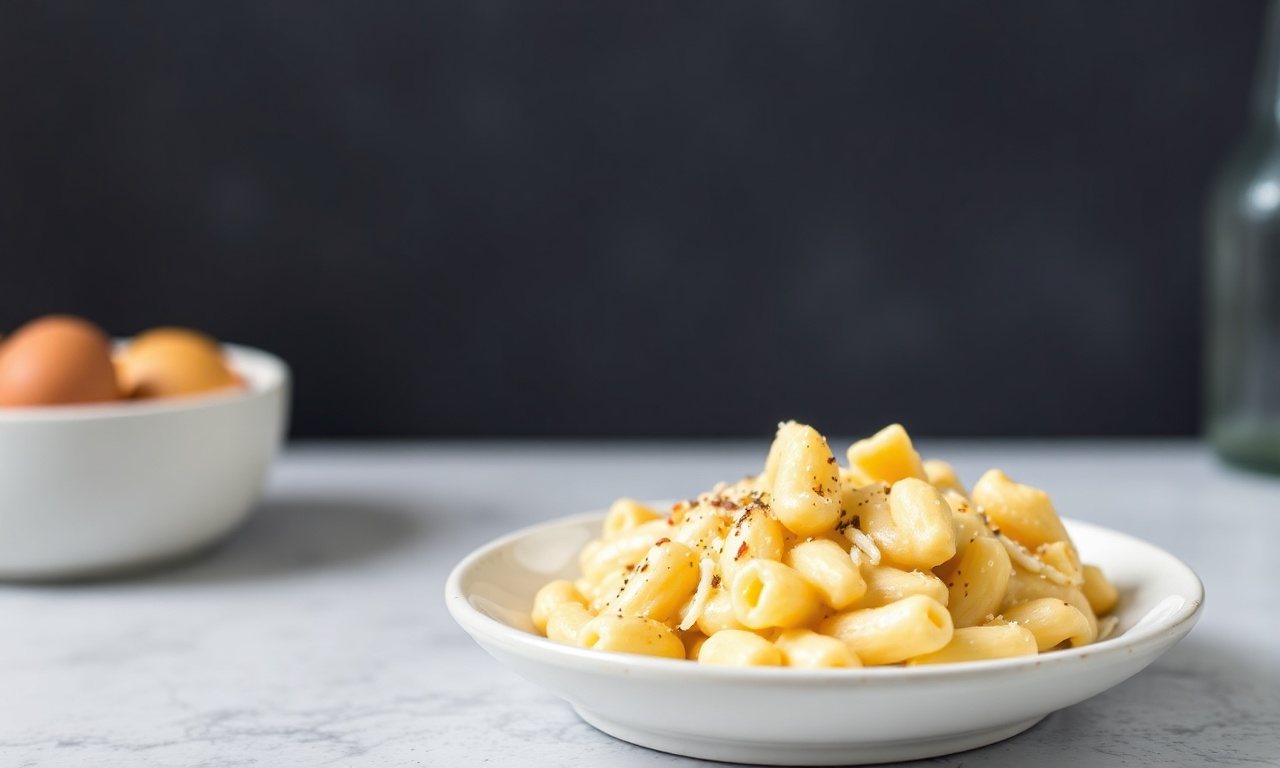

- The Foundation: Crafting the Creamy Vegan Cheese Sauce for Vegan Mac
- Key Takeaways:
- The Heart of the Matter: Crafting the Creamy, Flavorful Sauce
- Gathering Your Culinary Arsenal: The Essential Ingredients
- For the Macaroni and Cheese:
- For the Creamy Base:
- For the Flavor and Richness:
- For the Topping (Optional but Recommended):
- The Art of Assembly: A Step-by-Step Culinary Journey
- Cook the Vegetables:
- Cook the Pasta:
- Create the Creamy Base:
- Combine and Coat:
- Prepare the Topping:
- Assemble and Bake:
- Bake to Golden Perfection:
- Elevating Your Vegan Mac: Expert Insights and Nutritional Considerations
- The Cultural Significance and Adaptability of Vegan Mac
- Beyond the Basics: Fine-Tuning Your Vegan Mac Experience
- Frequently Asked Questions about Vegan Mac and Cheese
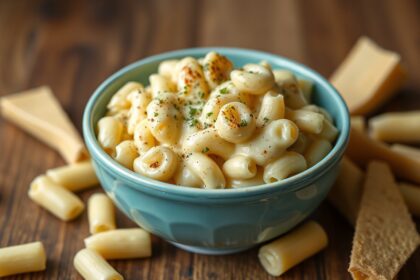
The Foundation: Crafting the Creamy Vegan Cheese Sauce for Vegan Mac
Have you ever craved that quintessential mac and cheese – creamy, rich, and utterly satisfying – but found yourself at a crossroads, seeking a plant-based rendition that doesn’t compromise on decadence? The quest for a truly exceptional vegan mac and cheese can feel like navigating a culinary labyrinth, often leading to dishes that are either too bland, too watery, or laden with an overwhelming number of ingredients. Yet, the truth is, achieving a classic, baked vegan mac that rivals its dairy-laden counterpart is not only possible but, with the right approach, remarkably straightforward.
Key Takeaways:
- Mastering vegan mac and cheese hinges on strategic ingredient selection and precise cooking techniques for optimal creaminess and depth of flavor.
- A well-balanced vegan cheese sauce relies on a combination of starchy bases, healthy fats, and umami-rich enhancers.
- Baking provides a crucial textural contrast, transforming a creamy sauce into a baked delight with a perfectly golden crust.
- Customization is key, allowing for personal flavor profiles and dietary needs to shine through.
The journey to the perfect vegan mac and cheese begins with understanding its fundamental building blocks. Unlike traditional mac and cheese, which relies on the inherent emulsification properties of dairy fats and proteins, vegan versions require a more deliberate construction. This involves creating a stable, luscious sauce that clings beautifully to the pasta, delivering that signature comfort. We’re not just talking about a quick weeknight meal; we’re aiming for a dish that can grace any holiday table, proof of the power of plant-based cooking.
The Heart of the Matter: Crafting the Creamy, Flavorful Sauce
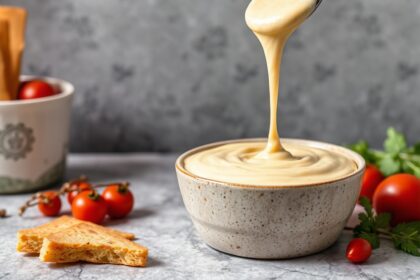
When it comes to Vegan Mac, The heart of any spectacular mac and cheese, vegan or otherwise, lies in its sauce. For a vegan iteration, this means moving beyond simple cashew creams and exploring a more robust, nuanced approach. The goal is to mimic the rich, unctuous texture and savory depth of dairy-based cheese sauces without any dairy whatsoever. This is where careful ingredient selection and thoughtful technique become paramount.
The Dual-Pronged Approach to Creaminess and Flavor
At its core, a superior vegan cheese sauce often employs a dual-pronged approach to creaminess and flavor. Many successful recipes utilize a base of boiled potatoes and carrots, blended until silky smooth. This might sound unconventional, but the starches from the potatoes and the subtle sweetness of the carrots create a remarkably creamy and emulsified foundation. This technique is rooted in the understanding of how starches gelatinize and thicken, providing a stable base that can hold other flavors. Research into food science highlights how starch-based gels can mimic the textural properties of dairy proteins, offering a compelling alternative. A study published in the Journal of Food Science explored the use of various vegetable purées in creating dairy-free sauces, noting the significant contribution of potato starch to viscosity and mouthfeel.
Essential Flavor Enhancers
Beyond the vegetable base, healthy fats are crucial for richness and mouthfeel. Nutritional yeast is non-negotiable, providing that unmistakable cheesy, umami flavor that is the hallmark of good cheese. Its distinct flavor profile, often described as nutty and savory, is a direct result of its B vitamin content. The inclusion of a good quality vegan butter or olive oil further enhances the sauce’s luxurious texture. Finally, a touch of acidity, often from Dijon mustard or lemon juice, cuts through the richness and brightens the overall flavor, preventing it from becoming heavy or cloying.
Gathering Your Culinary Arsenal: The Essential Ingredients
To embark on this culinary adventure, gather these carefully selected ingredients. Precision here ensures the ultimate success of your vegan mac and cheese.
For the Macaroni and Cheese:
- Pasta: 1 pound (450g) elbow macaroni or your preferred short pasta shape. Ensure it’s cooked al dente, as it will continue to cook in the oven.
For the Creamy Base:
- 1 pound (450g) Yukon Gold potatoes, peeled and roughly chopped
- 1/2 pound (225g) carrots, peeled and roughly chopped
For the Flavor and Richness:
- 1/2 cup (120ml) unsweetened plant-based milk (such as soy, oat, or cashew), plus more if needed
- 1/4 cup (60ml) reserved pasta cooking water
- 1/2 cup (40g) nutritional yeast
- 4 tablespoons (56g) vegan butter or olive oil
- 2 tablespoons (30ml) Dijon mustard
- 1 tablespoon (15ml) fresh lemon juice
- 1 teaspoon garlic powder
- 1 teaspoon onion powder
- 1/2 teaspoon smoked paprika
- Salt and freshly ground black pepper, to taste
For the Topping (Optional but Recommended):
- 1/2 cup (50g) panko breadcrumbs
- 2 tablespoons (28g) melted vegan butter or olive oil
- Pinch of smoked paprika

The Art of Assembly: A Step-by-Step Culinary Journey
Crafting this vegan mac and cheese is a process that rewards patience and attention to detail. Each step is designed to build layers of flavor and achieve that coveted creamy texture, culminating in a beautifully baked dish.
-
Cook the Vegetables:
Place the chopped potatoes and carrots in a large pot. Cover with water and bring to a boil. Cook until fork-tender, about 15-20 minutes. Drain thoroughly.
-
Cook the Pasta:
While the vegetables are cooking, bring a large pot of salted water to a rolling boil. Add the elbow macaroni and cook according to package directions until just shy of al dente (about 1-2 minutes less than stated). Reserve about 1 cup (240ml) of the pasta cooking water before draining.
-
Create the Creamy Base:
In a high-powered blender, combine the drained cooked potatoes and carrots with the plant-based milk, reserved pasta water, nutritional yeast, vegan butter (or olive oil), Dijon mustard, lemon juice, garlic powder, onion powder, and smoked paprika. Blend on high speed until incredibly smooth and creamy, scraping down the sides as needed. Taste and season generously with salt and freshly ground black pepper. If the sauce is too thick, add a little more plant-based milk or pasta water, one tablespoon at a time, until the desired consistency is reached.
-
Combine and Coat:
Pour the creamy sauce into the pot with the drained pasta. Stir gently until every piece of pasta is thoroughly coated.
-
Prepare the Topping:
In a small bowl, combine the panko breadcrumbs, melted vegan butter (or olive oil), and a pinch of smoked paprika. Toss to coat.
-
Assemble and Bake:
Preheat your oven to 375°F (190°C). Pour the sauced pasta into a greased 9×13 inch (23×33 cm) baking dish. Sprinkle the breadcrumb topping evenly over the surface.
-
Bake to Golden Perfection:
Bake for 20-25 minutes, or until the topping is golden brown and the sauce is bubbling around the edges. Let it rest for 5-10 minutes before serving to allow the sauce to set slightly.
Elevating Your Vegan Mac: Expert Insights and Nutritional Considerations
Achieving a truly restaurant-quality vegan mac and cheese involves understanding the subtle nuances that elevate it from good to extraordinary. These are the insider secrets that make a significant difference.
💡 Expert Insight: Deeper Flavor Profiles
Expert Insight: For an even deeper, more complex cheesy flavor, consider incorporating a small amount of caramelized onions into the sauce base before blending. The slow cooking process sweetens the onions and adds a rich, savory depth that complements the nutritional yeast beautifully. Ensure they are fully blended for a smooth texture.
Nutritional Snapshot of Your Comfort Food
While this dish is a celebration of flavor and comfort, understanding its nutritional profile can be helpful. The use of whole vegetables as a base contributes beneficial fiber and nutrients, making it a more wholesome option than many traditional mac and cheese recipes.
- Calories: Approximately 450-550 kcal
- Protein: 12-18g
- Fat: 20-30g (varying based on added fats)
- Carbohydrates: 55-70g
- Fiber: 5-8g
- Vitamins and Minerals: Good source of B vitamins (from nutritional yeast), Vitamin A (from carrots), and potassium (from potatoes).
Keep in mind that these figures are approximate and can vary significantly based on the specific plant-based milk, vegan butter, and portion sizes used. For precise nutritional data tailored to your ingredients, using a reliable nutrition calculator is recommended.
The Cultural Significance and Adaptability of Vegan Mac
Macaroni and cheese, in its myriad forms, holds a special place in the culinary landscape of many cultures, particularly in North America and parts of Europe. It’s a dish synonymous with childhood, comfort, and shared meals. The transition of this beloved classic to a vegan format speaks volumes about the evolving nature of food and our willingness to adapt cherished recipes to meet new dietary needs and ethical considerations. The success of vegan mac and cheese is proof of the ingenuity of plant-based cooking, demonstrating that tradition doesn’t have to be sacrificed for progress.
Unleash Your Creativity: Customization Options
The adaptability of this vegan mac and cheese recipe is one of its strongest suits. Beyond the core ingredients, you can introduce a variety of additions to personalize it further. Consider incorporating steamed broccoli florets, sautéed mushrooms, roasted red peppers, or even a dash of hot sauce for a spicy kick. For those seeking a richer, more decadent experience, a sprinkle of vegan parmesan cheese or a drizzle of cashew cream before baking can add an extra layer of indulgence. This flexibility ensures that the dish can be tailored to individual preferences and seasonal availability, making it a truly versatile staple.
⚠️ Pro-Caution: Navigating Vegan Cheese Choices
Pro-Caution: When selecting vegan cheeses to add to the sauce or for topping, be mindful of their melting properties and flavor profiles. Some vegan cheeses can become oily or grainy when heated excessively. It’s often best to rely on the vegetable and nutritional yeast base for creaminess and use store-bought vegan cheeses sparingly, focusing on those known for their good melting qualities.
Beyond the Basics: Fine-Tuning Your Vegan Mac Experience
While the recipe provided is a robust foundation, a true aficionado understands that there’s always room for refinement. Experimenting with different flavor profiles can transform your vegan mac and cheese into a truly signature dish.
Advanced Flavor Enhancements:
- Smoked Paprika: This ingredient is a revelation for plant-based cooking, imparting a smoky depth that can mimic the char of traditional cheeses. Don’t shy away from using a good quality smoked paprika.
- Miso Paste: A small spoonful of white miso paste blended into the sauce can add an incredible depth of savory, umami flavor that is often missing in vegan dishes. It acts as a natural flavor enhancer.
- Caramelized Onions/Garlic: As mentioned, slow-cooked onions and garlic contribute a sweetness and complexity that is unparalleled. Blend them smoothly into the sauce for maximum impact.
- Herbs and Spices: Fresh herbs like chives or parsley added at the end can provide a burst of freshness. Consider a pinch of nutmeg for a classic béchamel-like note, or a touch of cayenne pepper for a subtle warmth.
The beauty of this dish lies in its ability to absorb and harmonize diverse flavors. It’s an opportunity to play with your palate and create a mac and cheese that is uniquely yours.
Frequently Asked Questions about Vegan Mac and Cheese
What pasta shapes work best for vegan mac and cheese?
Elbow macaroni is the classic choice due to its shape, which holds the sauce well. However, other short pasta shapes like shells, rotini, or cavatappi also work wonderfully. The key is to cook the pasta until it is al dente, as it will continue to cook in the oven.
What makes the vegan cheese sauce creamy?
The foundation of the sauce matter significantly. Using a blend of boiled potatoes and carrots, along with a good quality unsweetened plant-based milk and healthy fats like vegan butter or olive oil, is essential. Ensuring the sauce is blended until completely smooth in a high-powered blender will also contribute to its creaminess. Don’t be afraid to add a little reserved pasta water for extra silkiness.
Can I prepare the vegan mac and cheese ahead of time?
Yes, you can prepare the sauce and cook the pasta ahead of time. Store them separately in airtight containers in the refrigerator. When ready to bake, combine the pasta and sauce, transfer to a baking dish, add your topping, and bake as directed, potentially adding a few extra minutes to account for the cold ingredients.
Can I add store-bought vegan cheese to the sauce?
While this recipe relies on a vegetable and nutritional yeast base for its cheesy flavor, you can enhance it with store-bought vegan cheese shreds if desired. Look for varieties specifically designed for melting, such as cheddar or mozzarella style shreds. Brands that use coconut oil or cashew bases often yield good results. However, be mindful that some vegan cheeses can alter the texture and flavor profile, so use them judiciously.
Why bake vegan mac and cheese instead of just making it on the stovetop?
Baking provides a crucial textural element that stovetop mac and cheese often lacks. The oven’s dry heat caramelizes the edges of the pasta and sauce, creating a delightful contrast to the creamy interior. The topping, especially a breadcrumb crust, becomes golden and wonderfully crunchy, adding another dimension to the dish. It transforms a simple pasta dish into a more substantial and visually appealing meal.
See also: Vegan Mac
Vegan cheese – Wikipedia