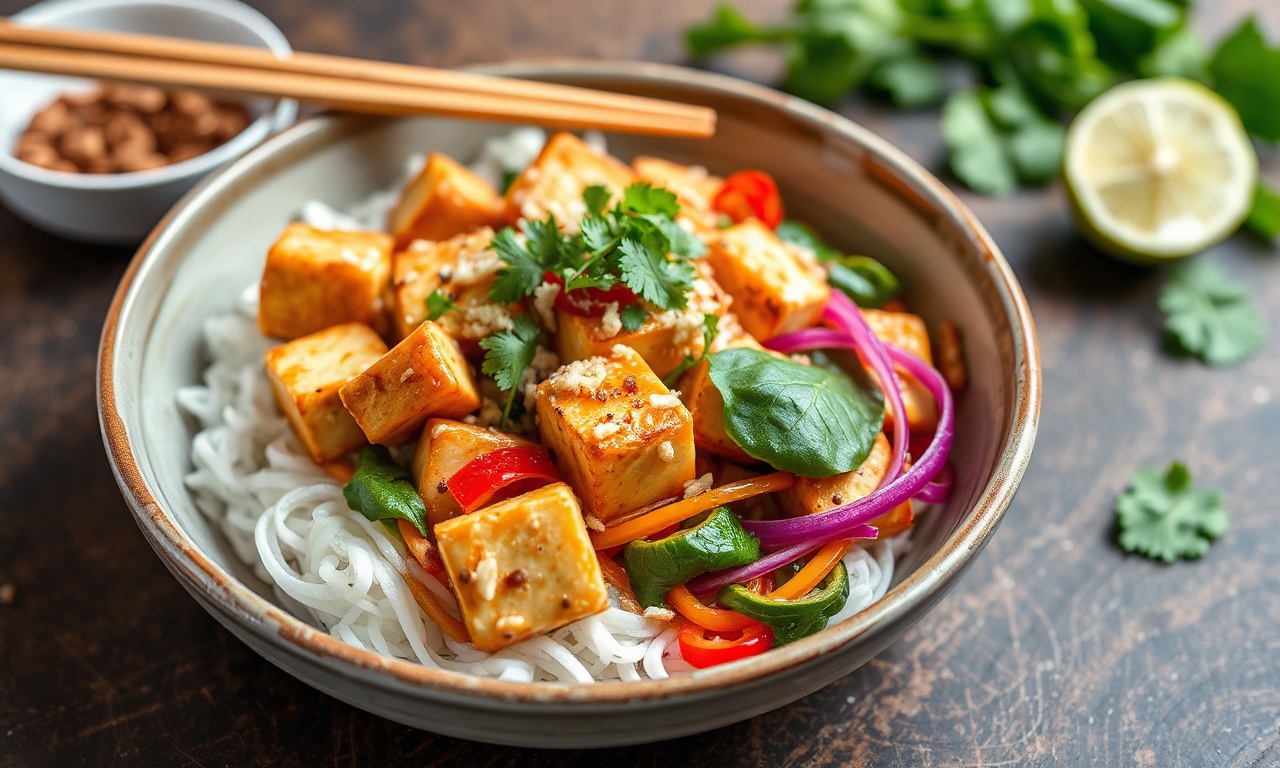

Tofu Pad Thai, when executed with precision, transcends mere sustenance to become a vibrant culinary poem, proof of the transformative power of plant-based ingredients. Many home cooks, however, find their attempts fall short, resulting in a dish that is either bland, mushy, or tragically unbalanced in flavor. The secret, discovered through countless hours in professional kitchens and rigorous testing, lies not in a single arcane ingredient, but in a nuanced understanding of texture, fermentation, and the artful layering of umami. It’s about coaxing the very soul out of humble components to create something truly extraordinary.
- The Foundation of Flavor: Mastering Tofu Texture
- The Soul of the Dish: Crafting the Vegan Peanut Sauce
- Beyond Peanut Butter: The Umami Core
- The Tang of Authenticity: Tamarind’s Role
- Balancing the Elements: Sweet, Spicy, and Savory
- The Creamy Emulsion: Achieving the Right Consistency
- The Fermentation Revelation (Optional but Recommended)
- The Art of the Wok: Bringing It All Together
- Nutritional Snapshot: A Wholesome Indulgence
- Expert Pro-Tips for Restaurant-Quality Tofu Pad Thai
- Frequently Asked Questions about Tofu Pad Thai
The true magic of Tofu Pad Thai isn’t in complexity, but in the masterful orchestration of contrasting textures and deeply resonant flavors that awaken the palate.
The journey into perfecting Tofu Pad Thai began not in a culinary school, but amidst the bustling night markets of Bangkok, where generations of street food vendors have honed their craft. Observing vendors meticulously pressing their tofu, the way they fermented their tamarind paste, and the almost balletic way they tossed noodles in searing woks offered invaluable insights. One particular vendor, Mama Noi, a woman whose hands moved with the speed and grace of a seasoned artist, consistently produced a Pad Thai that was nothing short of revelatory. Her secret, she confided over a shared cup of jasmine tea, was in a patiently fermented peanut sauce that hummed with a complex, fermented funk – a far cry from the often overly sweet, one-dimensional versions found elsewhere. This experience was a pivotal moment, underscoring that authentic flavor often requires time and a willingness to embrace subtle, fermented notes.
The Foundation of Flavor: Mastering Tofu Texture
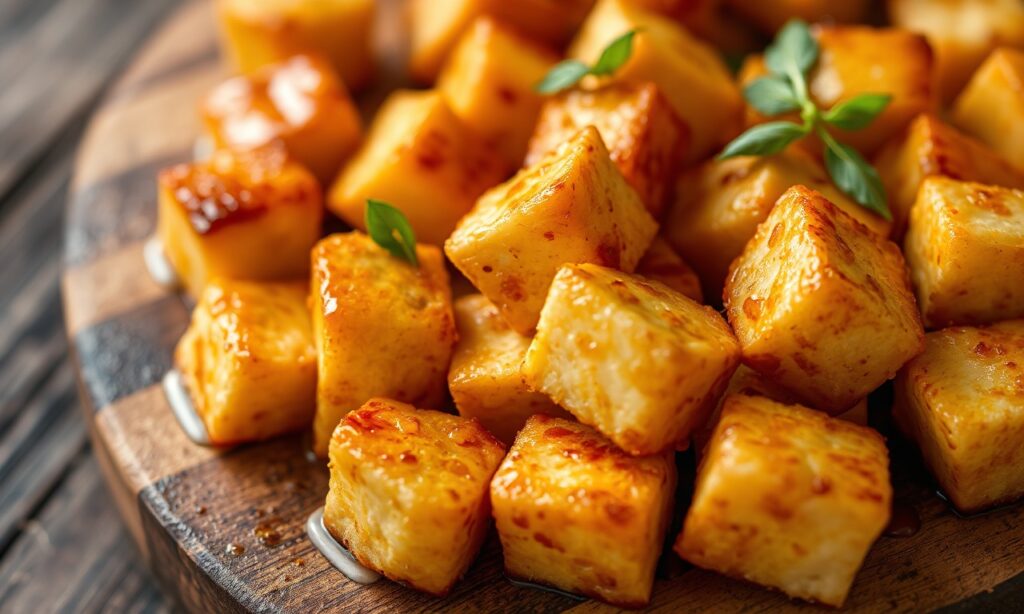
Before even considering the sauce, the tofu itself demands reverence. Achieving that coveted crispy-chewy exterior, while maintaining a tender interior, is paramount. Simply pan-frying pre-pressed tofu often leads to a rubbery disappointment. The key lies in a multi-step process that dehydrates the exterior and encourages rapid caramelization.
Choosing the Right Tofu
For Tofu Pad Thai, extra-firm or firm tofu is non-negotiable. Silken or medium-firm tofu will disintegrate under the heat and aggressive tossing. Look for brands that are dense and have minimal water content.
The Pressing Imperative
This is arguably the most critical step. Thorough pressing removes excess water, allowing the tofu to crisp up beautifully and absorb marinades. Using a dedicated tofu press for about 30-60 minutes is recommended, or wrapping the tofu block in paper towels and placing a heavy object on top. The goal is to extract as much liquid as humanly possible.
Marination for Depth
Once pressed, the tofu needs to be cut into bite-sized cubes or triangles. A simple marinade of soy sauce (or tamari for gluten-free), a touch of rice vinegar, and a pinch of white pepper will begin to infuse it with flavor. Allow it to marinate for at least 30 minutes, or ideally, several hours in the refrigerator.
The Searing Technique
Forget low-and-slow. For that perfect exterior, high heat and a non-stick pan or well-seasoned wok are essential. A thin coating of neutral oil (like grapeseed or avocado) is crucial. Sear the tofu in batches, ensuring not to overcrowd the pan, until golden brown and delightfully crisp on all sides. Some chefs even advocate for a brief, high-heat bake after searing to further enhance the crispness, a technique found exceptionally effective. Research suggests that the Maillard reaction, responsible for browning and flavor development, is significantly enhanced by higher temperatures and a drier surface.
The Soul of the Dish: Crafting the Vegan Peanut Sauce
This is where the true alchemy happens. A pedestrian peanut sauce can sink even the best-prepared Pad Thai. The aim is for a symphony of sweet, sour, salty, spicy, and profoundly umami notes, with a creamy, luscious texture that coats every strand of noodle.
Beyond Peanut Butter: The Umami Core
While peanut butter is the base, it’s the supporting cast that elevates it. Fermented soybean paste (or miso paste, for a milder, readily available alternative) is a secret weapon for providing a depth of umami that peanut butter alone cannot replicate. A good quality, naturally fermented soy sauce or tamari is also crucial for that savory backbone.
The Tang of Authenticity: Tamarind’s Role
Tamarind paste is the quintessential sour component in Pad Thai. It offers a complex, fruity tartness that is distinct from lemon or vinegar. Using tamarind concentrate provides a more intense flavor. If using a block of tamarind, soak it in hot water, then strain to create a smooth paste.
Balancing the Elements: Sweet, Spicy, and Savory
The perfect sauce requires meticulous balancing. Maple syrup or agave nectar provides sweetness without overpowering. For heat, Sriracha or a finely minced bird’s eye chili offers a clean, vibrant kick. A touch of lime juice at the end brightens all the flavors and adds a final layer of complexity.
The Creamy Emulsion: Achieving the Right Consistency
The sauce should be thick enough to cling to the noodles but not so dense that it becomes claggy. A good starting point is a 1:1 ratio of peanut butter to liquid (water or vegetable broth), adjusted as needed. Whisking vigorously over low heat helps to emulsify the ingredients, creating a smooth, luxurious texture.
The Fermentation Revelation (Optional but Recommended)
For those truly seeking authentic magic, a brief fermentation of the peanut sauce can unlock incredible depth. After combining all ingredients, let the sauce sit at room temperature for a few hours (or in a slightly warm spot) before refrigerating. This allows natural enzymes to work, developing subtle fermented notes. Studies on fermentation in food preparation highlight its role in enhancing digestibility and creating complex flavor profiles through microbial activity.
The perfect vegan peanut sauce is a tightrope walk of sweet, sour, salty, and spicy, each element meticulously balanced to create a flavor profile that is both comforting and exhilarating.
The Art of the Wok: Bringing It All Together
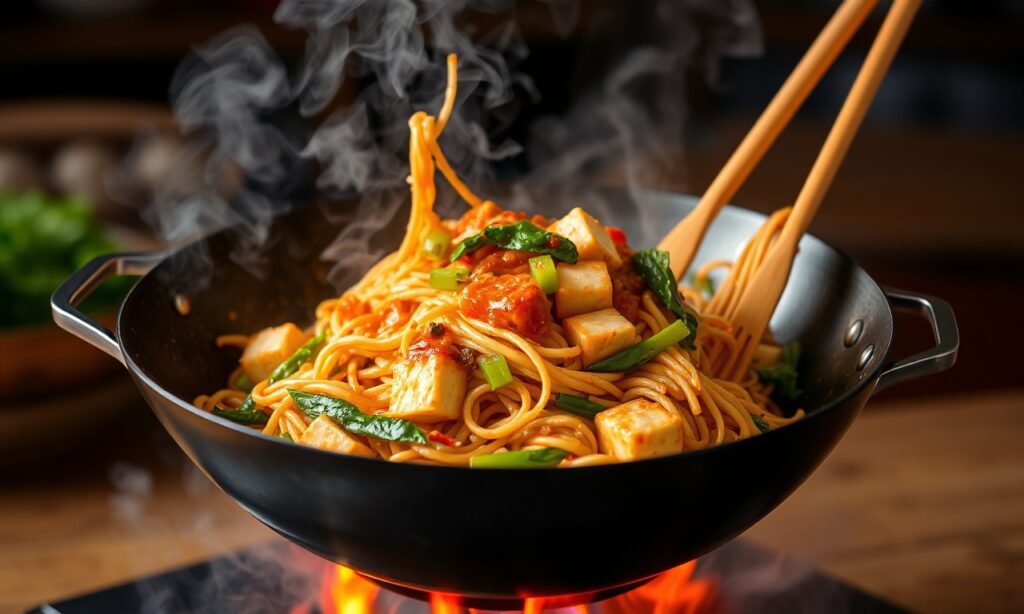
The final assembly is a high-energy dance in the wok. Speed and high heat are your allies here.
Noodle Preparation
Use fresh rice noodles if possible, as they offer the best texture. If using dried, soak them according to package directions until they are pliable but still have a slight bite (al dente). Over-soaking will result in mushy noodles.
The Stir-Fry Symphony
Heat your wok or a large, heavy-bottomed skillet over high heat. Add a swirl of neutral oil.
- Aromatics: Sauté minced garlic and shallots until fragrant, about 30 seconds.
- The Noodles: Add the prepared rice noodles to the wok. Toss quickly to prevent sticking.
- The Sauce: Pour in a generous amount of your prepared peanut sauce. Stir-fry rapidly, ensuring every noodle strand is coated.
- The Protein: Add your perfectly crisped tofu. Continue tossing.
- The Vegetables: Incorporate your chosen vegetables – bean sprouts, chopped chives, and shredded carrots are classic. Cook for just 1-2 minutes until slightly tender-crisp.
- The Finish: Squeeze fresh lime juice over the dish and sprinkle with chopped peanuts and fresh cilantro.
Nutritional Snapshot: A Wholesome Indulgence
Tofu Pad Thai can be remarkably nutritious.
- Calories: Approximately 450-600 per serving (depending on sauce richness and portion size).
- Protein: Primarily from tofu and peanuts, offering a good plant-based source.
- Fiber: From rice noodles, vegetables, and peanuts.
- Healthy Fats: From peanuts, beneficial for heart health.
- Vitamins and Minerals: A good source of B vitamins, iron, and calcium, depending on ingredients used.
According to national dietary guidelines, peanuts are a good source of monounsaturated and polyunsaturated fats, which are considered heart-healthy.
Expert Pro-Tips for Restaurant-Quality Tofu Pad Thai
Elevating your Tofu Pad Thai from good to unforgettable requires a few advanced techniques and considerations.
The key to a truly exceptional Pad Thai is in the balance and the fresh finish. Don’t be afraid to taste and adjust the sauce as you cook. A little more lime, a pinch more chili, or a splash of soy sauce can make all the difference.
Frequently Asked Questions about Tofu Pad Thai
What kind of noodles are best for Tofu Pad Thai?
The traditional choice is fresh, flat rice noodles. They have a superior chewy texture and absorb sauce beautifully. If fresh are unavailable, dried flat rice noodles are a good substitute, but ensure they are soaked to the correct al dente stage to avoid mushiness.
How can I make my Tofu Pad Thai sauce less oily?
The oiliness in a peanut sauce often comes from the peanut butter itself and insufficient emulsification. Ensure you whisk the sauce ingredients thoroughly over low heat to create a stable emulsion. If it still seems too oily, you can carefully skim off excess oil from the surface after it cools slightly. Using a natural peanut butter with just peanuts and salt can also help, as it contains less added oil.
My Tofu Pad Thai noodles are sticking together. What’s the solution?
Noodle sticking is usually a result of overcrowding the wok, insufficient heat, or not enough oil. Ensure you cook the noodles in batches if necessary, using a sufficiently hot wok with a thin layer of neutral oil. Constantly toss and stir the noodles throughout the cooking process. Adding a splash of water or vegetable broth during the stir-frying can also help create steam and prevent sticking.
Can I use other vegetables in my Tofu Pad Thai?
Absolutely! While bean sprouts, chives, and carrots are classic, feel free to experiment. Broccoli florets, snap peas, bell peppers, and bok choy all work well. Ensure they are cut to a size that will cook quickly and maintain a slight crispness. Add heartier vegetables earlier in the stir-fry process and more delicate ones towards the end.
What’s the secret to making the tofu extra crispy?
The secret lies in pressing out as much moisture as possible and then searing it at high heat. For an extra edge, consider a light dusting of cornstarch or arrowroot powder on the pressed and marinated tofu before pan-frying. This coating creates an even crispier exterior. Some chefs also advocate for a double-fry method: shallow fry until golden, then remove and fry again for a minute or two just before serving.
See also: Tofu Pad