
The Allure of Crispy Baked Zucchini: More Than Just a Snack
Did you know that a staggering 80% of home cooks report struggling to achieve truly crispy baked vegetables? This statistic underscores a common culinary challenge, particularly with moisture-rich ingredients like zucchini. For decades, the humble zucchini has been a staple in kitchens worldwide, celebrated for its versatility and mild flavor. Yet, transforming it into a truly satisfying crispy snack, akin to potato chips, has often remained an elusive goal for many. The journey from a tender, watery slice to an audibly crisp chip involves a delicate interplay of science and technique, a strategic approach that separates the mediocre from the magnificent. This article explores the strategic truths behind achieving that coveted crispy perfection with baked zucchini, offering insights that go far beyond a simple recipe.
- The Allure of Crispy Baked Zucchini: More Than Just a Snack
- The Science of Crisp: Understanding Zucchini’s Moisture Challenge
- The Strategic Zucchini Selection and Preparation
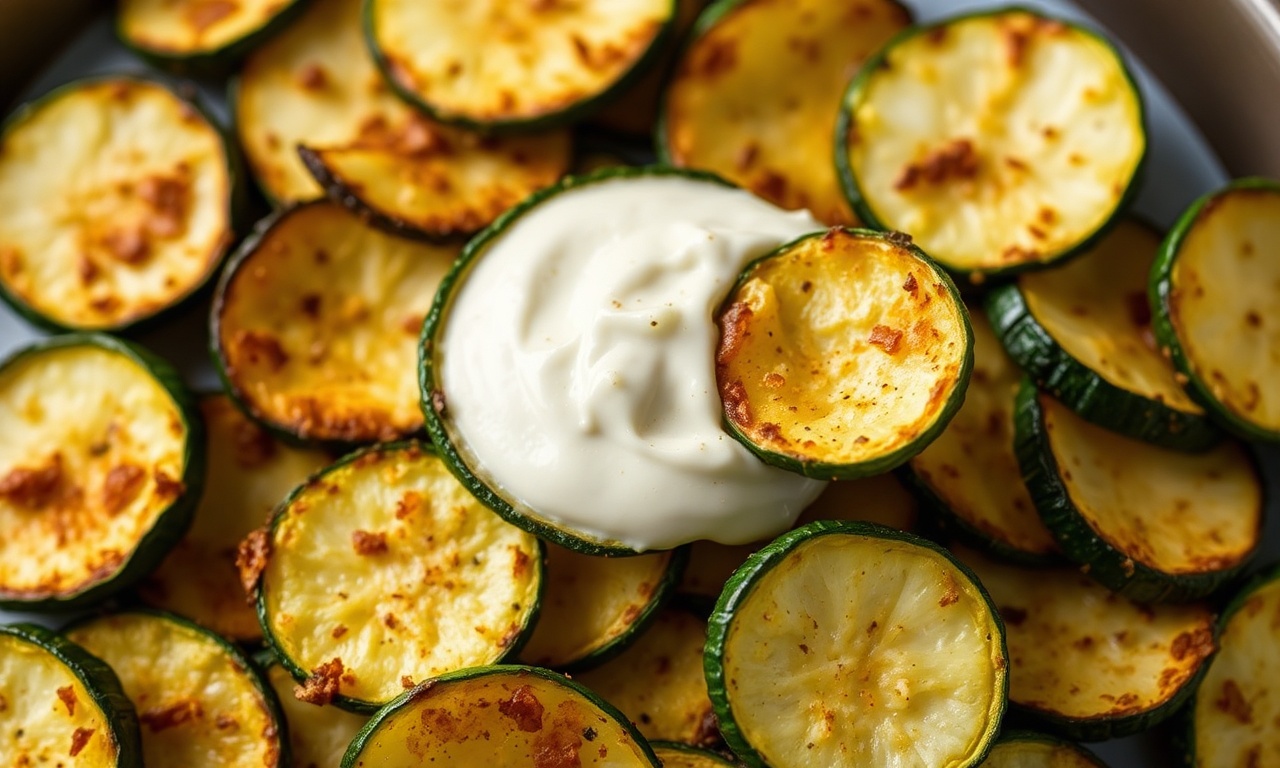
- The Expert Recipe: Mastering Baked Zucchini Chips
- Expert Pro-Tips for Unrivaled Crispness
- Common Pitfalls and How to Avoid Them
- Nutritional Insights: A Healthier Crunch
- Versatile Applications: Beyond the Snack Bowl
- Frequently Asked Questions
The pursuit of crispy baked zucchini isn’t merely about dehydration; it’s a calculated dance with moisture, heat, and surface area, transforming a watery vegetable into a culinary triumph.
We’ll explore the precise scientific principles at play, debunk common myths, and provide a comprehensive, expert-driven method for creating baked zucchini chips that are not only irresistibly crunchy but also bursting with flavor. This isn’t just about following steps; it’s about understanding *why* each step is crucial. From selecting the right zucchini to the final cooling process, every element contributes to the ultimate textural and gustatory experience. Prepare to elevate your understanding and execution of this beloved snack.
The Science of Crisp: Understanding Zucchini’s Moisture Challenge
At the heart of achieving crispy baked zucchini lies an understanding of its inherent composition. Zucchini, botanically a fruit but culinarily treated as a vegetable, is composed of roughly 95% water. This high water content is the primary adversary in our quest for crispiness. When subjected to heat, this water seeks to escape. If it evaporates too slowly or unevenly, it steams the zucchini from within, resulting in a limp, rubbery texture rather than a brittle crisp. The goal, therefore, is to facilitate the rapid and efficient release of moisture, thereby concentrating the starches and sugars and allowing them to caramelize and crisp up.
This process is fundamentally about surface area and thermal management. Cutting the zucchini thinly maximizes the surface area exposed to dry heat, encouraging quicker evaporation. The type of heat also plays a significant role. Convection ovens, which circulate hot air, are generally superior to conventional ovens for this purpose because they promote more uniform drying. Furthermore, the addition of fats, like olive oil, can aid in heat transfer and contribute to a more satisfying crunch by creating a barrier that helps the surface crisp before the interior becomes overcooked. Research in food science consistently highlights that higher temperatures and adequate air circulation are key to achieving desirable textural transformations in vegetables, particularly those with high water content. Studies have noted that varying baking temperatures significantly impacts the moisture content and crispness of vegetable chips, with higher temperatures (around 180-200°C or 350-400°F) generally yielding better results for achieving a brittle texture.
Understanding this scientific foundation allows us to move beyond guesswork and implement a strategic approach. It explains why salting the zucchini beforehand is not just about flavor but also a critical step in drawing out excess moisture, a technique honed over centuries of culinary practice. This pre-treatment, often referred to as “sweating,” is a cornerstone of preparing many high-moisture vegetables for optimal texture.
The Strategic Zucchini Selection and Preparation
The journey to the perfect baked zucchini chip begins long before the oven is preheated—it starts with the selection of the zucchini itself. Not all zucchinis are created equal when it comes to achieving crispiness. Opt for smaller, firmer zucchini. These tend to have a lower water content and fewer seeds compared to larger, more mature specimens, which can become watery and mushy. Look for zucchini with smooth, unblemished skin and a taut feel, indicating freshness and vitality. The ideal diameter for slicing is typically between 1.5 to 2 inches (approximately 4-5 cm).
Once you have your prime specimens, the preparation method is paramount. The key is to achieve uniform thickness. Slicing too thick will result in uneven cooking, with some pieces being overdone while others remain soft. Conversely, slicing too thin can lead to them burning before they crisp. A mandoline slicer is an invaluable tool for achieving consistent, paper-thin slices, typically around 1/16 to 1/8 inch (1.5-3 mm) thick. If a mandoline isn’t available, a very sharp knife and a steady hand are essential. Precision here directly correlates with the final texture.
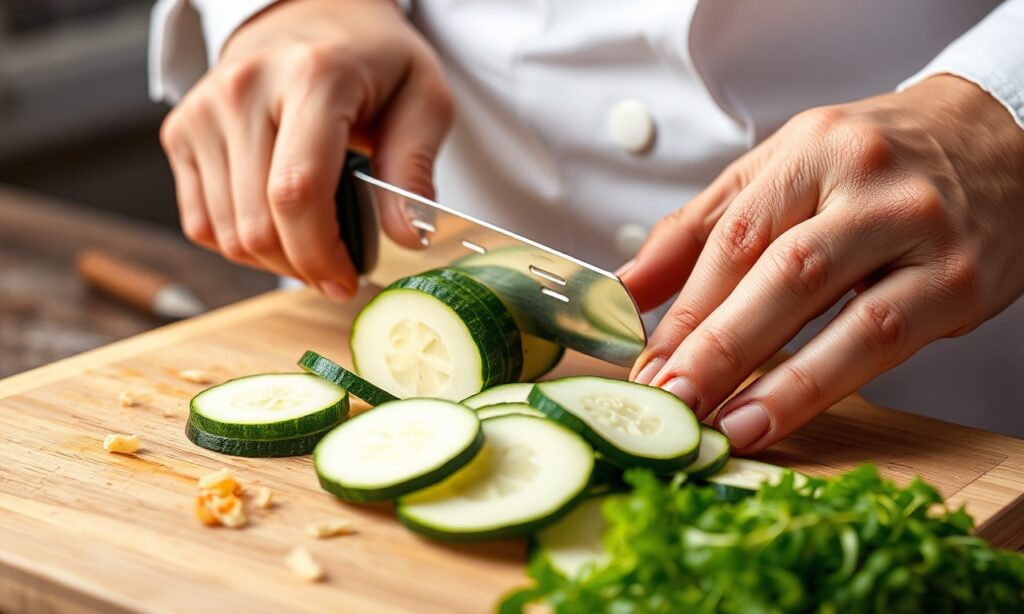
Following slicing, the crucial step of moisture extraction must be addressed. Lay the zucchini slices in a single layer on paper towels or a clean kitchen towel. Sprinkle them generously with fine sea salt or kosher salt. The salt acts as a hygroscopic agent, drawing out moisture through osmosis. Allow them to sit for at least 30 minutes, and up to an hour. You will notice beads of water forming on the surface. After the resting period, gently blot the slices dry with more paper towels, pressing to remove as much residual moisture as possible. This step is non-negotiable for achieving a truly crisp chip.
The Expert Recipe: Mastering Baked Zucchini Chips
With the foundational principles of moisture management and precise preparation in place, we can now construct the definitive recipe for baked zucchini chips that are proof of crispy perfection.
Ingredients:
- 2 medium (approx. 1 lb / 450g total) firm zucchini
- 2 tablespoons extra virgin olive oil
- 1 teaspoon fine sea salt (or to taste)
- 1/2 teaspoon garlic powder
- 1/4 teaspoon onion powder
- 1/4 teaspoon smoked paprika (optional, for depth of flavor)
- Freshly ground black pepper to taste
Equipment:
- Mandoline slicer or very sharp knife
- Baking sheets (at least 2)
- Parchment paper
- Paper towels
- Small bowl
Instructions:
- Preheat and Prep: Preheat your oven to 400°F (200°C). Line two large baking sheets with parchment paper. This prevents sticking and facilitates even baking.
- Slice the Zucchini: Wash and trim the ends of the zucchini. Using a mandoline slicer or a sharp knife, cut the zucchini into very thin slices, about 1/16 to 1/8 inch (1.5-3 mm) thick. Uniformity is key.
- Salt and Sweat: Arrange the zucchini slices in a single layer on paper towels spread across your counter or a large tray. Sprinkle them evenly with 1 teaspoon of fine sea salt. Let them rest for at least 30 minutes, or up to 1 hour. You will see moisture collecting on the slices.
- Pat Dry: After sweating, gently blot the zucchini slices thoroughly with more paper towels. Press down to absorb as much liquid as possible. This is a critical step for crispiness.
- Season: In a small bowl, whisk together the olive oil, garlic powder, onion powder, smoked paprika (if using), and black pepper.
- Coat the Zucchini: Place the dried zucchini slices in a large bowl. Drizzle the olive oil mixture over the slices and toss gently to coat them evenly. Work in batches if necessary to ensure each slice is lightly coated without being saturated.
- Arrange for Baking: Lay the coated zucchini slices in a single layer on the prepared baking sheets. Ensure there is no overlap; overcrowding will lead to steaming rather than crisping. You may need to use more than two baking sheets or bake in batches.
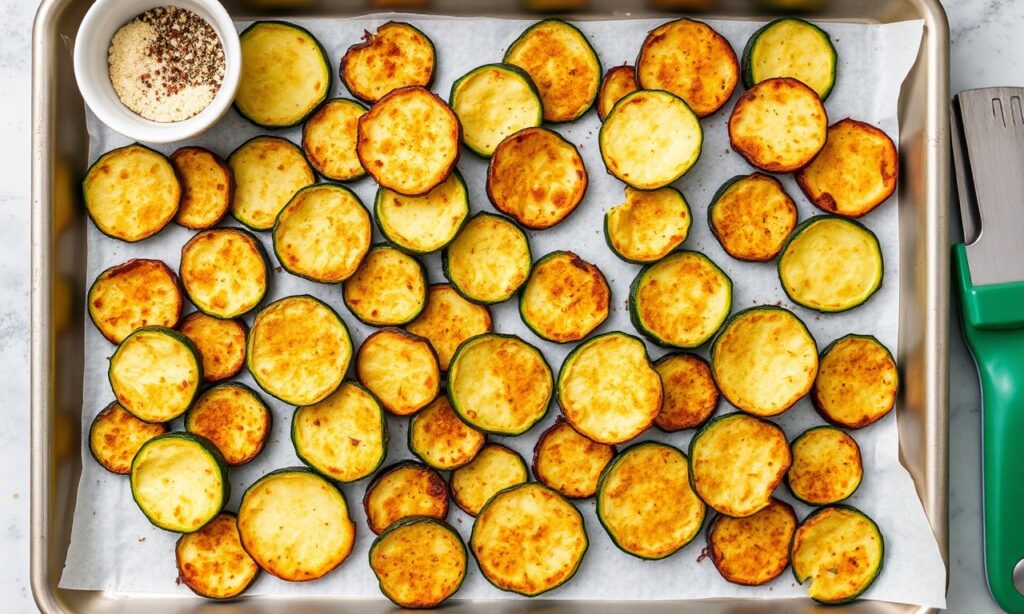
- Bake to Perfection: Bake for 10-15 minutes. Carefully flip each slice. Continue baking for another 8-12 minutes, or until the edges are golden brown and the chips are crispy. Baking times will vary depending on the thickness of your slices and your oven. Keep a close eye on them during the last few minutes to prevent burning.
- Cool and Serve: Remove the baking sheets from the oven. Allow the zucchini chips to cool completely on the baking sheets. As they cool, they will become even crispier. Serve immediately or store in an airtight container at room temperature for a day or two.
Expert Pro-Tips for Unrivaled Crispness
Achieving truly restaurant-quality baked zucchini chips involves a few nuanced techniques that elevate them beyond the ordinary. These are the insider secrets that seasoned chefs employ to guarantee a consistently delightful crunch.
One of the most overlooked aspects of achieving crispness is the final cooling phase. While the chips may feel crisp when hot, they often soften as they cool if not allowed to fully dehydrate. Spreading them out on a wire rack after they’ve cooled slightly on the baking sheet promotes better air circulation around each chip, allowing them to achieve their maximum crispness. This is analogous to how many fried foods achieve their final brittle texture through a short resting period on a rack.
Furthermore, consider the type of fat used. While olive oil is a classic choice, a high smoke point oil like avocado oil or grapeseed oil can be beneficial if you intend to bake at the higher end of the temperature spectrum, preventing the oil from burning and imparting an undesirable flavor. For an added flavor dimension, experiment with different spice blends. A pinch of nutritional yeast can impart a cheesy, umami flavor without dairy, while a touch of chili powder or cayenne can add a pleasant kick. The key is to balance these additions so they enhance, rather than mask, the delicate flavor of the zucchini.
Common Pitfalls and How to Avoid Them
Despite the straightforward nature of the recipe, several common pitfalls can derail your efforts to achieve crispy baked zucchini. Awareness of these traps is your first line of defense.
The most prevalent issue is insufficient moisture removal. If you skimp on the salting and blotting stages, the zucchini will release its water during baking, leading to a steam-cooked outcome. This is why the 30-minute to 1-hour sweating period and thorough patting are emphasized. Another common mistake is overcrowding the baking sheet. When slices overlap, they trap steam, preventing the hot air from circulating and crisping them evenly. Always ensure a single layer with ample space between each piece. If you have too many slices for one baking sheet, it is far better to bake in batches.
Finally, underbaking is a frequent culprit. Zucchini chips require sufficient time in the oven for their moisture content to reduce to the point of crispness. They should appear golden brown and feel brittle to the touch once cooled. If they still feel soft or pliable after cooling, they likely need a few more minutes in a slightly lower oven to finish drying out. Remember that ovens can vary, so visual cues and tactile testing are more reliable indicators than strict adherence to timing alone.
Nutritional Insights: A Healthier Crunch
Baked zucchini chips offer a compelling nutritional profile, positioning them as a smart alternative to traditionally fried snacks. A typical serving (approximately 1 ounce or 28g, about 10-15 chips depending on size) is remarkably low in calories and fat, while providing valuable micronutrients.
Zucchini is a good source of vitamins A and C, potassium, and manganese. Vitamin A is crucial for vision and immune function, while vitamin C acts as an antioxidant and supports skin health. Potassium matter significantly in maintaining healthy blood pressure and fluid balance. The fiber content in zucchini also aids in digestion and promotes a feeling of satiety. When baked with a minimal amount of healthy fat like olive oil, these chips offer a satisfying crunch without the trans fats and excessive saturated fats often found in deep-fried alternatives. Information on zucchini’s nutritional content indicates it is low in fat and a source of fiber. Baking them concentrates these nutrients relative to their volume, making them a nutrient-dense choice.
For instance, a serving of baked zucchini chips can provide a significant portion of your daily recommended intake of certain vitamins and minerals for a fraction of the caloric load of potato chips.
Versatile Applications: Beyond the Snack Bowl
While perfectly delicious as a standalone snack, baked zucchini chips possess a versatility that extends far beyond the appetizer realm. Their delicate crunch and mild flavor make them an exceptional addition to a variety of dishes.
Consider them as a sophisticated garnish. Crumble them over salads for an added textural contrast, a delightful alternative to croutons. They can also be layered into sandwiches or wraps, providing a satisfying crispness that holds up better than fresh lettuce. For a creative twist, use them as a base for canapés or as an accompaniment to dips like hummus or tzatziki. Their subtle flavor profile allows them to complement a wide range of savory profiles without overpowering other ingredients. For instance, a sprinkle of crumbled baked zucchini chips can add an unexpected but welcome crunch to a creamy soup, offering a refined textural element.
In essence, these chips are a culinary chameleon, ready to enhance a multitude of meals. Experimenting with different seasonings can further diversify their applications, making them suitable for everything from a light lunch to a gourmet appetizer. Their ability to absorb and complement flavors makes them a secret weapon in the modern kitchen.
Frequently Asked Questions
H3: Why are my baked zucchini chips soggy?
Soggy zucchini chips are almost always a result of insufficient moisture removal before baking. Ensure you are salting the zucchini for at least 30 minutes to an hour, and then thoroughly blotting away all released moisture with paper towels. Overcrowding the baking sheet also traps steam, so ensure slices are in a single layer with space between them.
H3: Can I make baked zucchini chips without oil?
Yes, it is possible to make baked zucchini chips without oil, but they may not achieve the same level of crispness or flavor development. Oil aids in heat transfer and helps create a crispy exterior. If omitting oil, ensure the zucchini is very thinly sliced and thoroughly dried, and bake at a slightly higher temperature, watching very carefully to prevent burning. You might consider a light mist of water or a spray of cooking oil if you’re looking to minimize oil significantly.
H3: How long do baked zucchini chips last?
For optimal crispness, baked zucchini chips are best consumed immediately after cooling. If stored in an airtight container at room temperature, they will typically remain crisp for about 1-2 days. After that, they tend to lose their crunchiness and become chewier. Refrigeration is not recommended as it can introduce moisture and make them soggy.
H3: What is the best temperature for baking zucchini chips?
The ideal temperature for baking zucchini chips is generally between 375°F and 400°F (190°C to 200°C). This range is hot enough to encourage rapid evaporation of moisture and crisping of the surface, but not so high that the chips burn before they dry out. Always monitor them closely, especially during the final minutes of baking.
H3: Can I use any type of zucchini for chips?
While you can technically use any zucchini, smaller, firmer zucchini are best for achieving crispy chips. Larger, more mature zucchini tend to have a higher water content and more seeds, which can lead to a softer, less crisp result. Look for zucchini that are firm to the touch and have smooth, unblemished skin.
See also: Baked zucchini