
The allure of textures, the symphony of flavors – these are the elements that elevate a meal from sustenance to an experience. For years, the culinary world has been captivated by the satisfying crunch of fried rice, but a more refined, wholesome iteration has been quietly gaining traction, particularly within discerning vegan circles. This isn’t your average takeout; this is the art of the Crispy Rice Salad, a dish that marries the delightful textural contrast of perfectly fried rice with a vibrant, nutrient-dense salad and a dressing that sings with complexity. It’s proof of how plant-based cuisine can be not only satisfying but also remarkably sophisticated and incredibly good for you.
Key Takeaways:
- The magic of Crispy Rice Salad lies in its textural interplay, offering a delightful crunch that contrasts with fresh, vibrant ingredients.
- Achieving perfectly crispy rice requires specific techniques, primarily focusing on day-old, chilled rice and precise frying methods.
- This dish is a nutritional powerhouse, easily adaptable to be high in plant-based protein, fiber, and essential vitamins.
- The peanut-chili dressing is the unifying element, balancing savory, spicy, sweet, and tangy notes to perfection.
The Genesis of the Crispy Rice Salad
While the exact origin story of the “Crispy Rice Salad” as a distinct dish is somewhat fluid, its roots can be traced to the innovative spirit of modern Asian-inspired vegan and vegetarian cuisine. Chefs and home cooks alike began exploring ways to deconstruct and reimagine familiar flavor profiles. The concept of taking perfectly cooked rice, pressing it, chilling it, and then frying it to achieve a golden, shatteringly crisp exterior is a technique that has been employed in various forms across East Asian cooking. However, the application of this crispy rice foundation to a fresh, vibrant salad, especially one that is entirely plant-based and protein-focused, represents a more contemporary evolution.
When it comes to Crispy Rice, It’s a dish that speaks to a global palate, one that values health, flavor, and ethical eating without compromise. The increasing demand for plant-based options that offer complete protein profiles has further propelled dishes like this into the spotlight.
The beauty of this dish lies in its adaptability. It’s a canvas that allows for personalization based on seasonal availability and individual preference. The core components – the crispy rice, the fresh vegetables, the protein elements, and the distinctive dressing – are universally appealing, making it a versatile choice for weeknight dinners, impressive lunches, or even as a sophisticated appetizer when served in smaller portions.
Mastering the Art of Crispy Rice
The foundation of any exceptional Crispy Rice Salad is, unequivocally, the crispy rice itself. This is where many home cooks falter, resulting in soggy or unevenly cooked grains. The secret lies in preparation and technique, not in complicated ingredients. The goal is to create a rice cake that, when fried, yields a delicate, audible crunch that gives way to a tender interior. This texture is paramount and distinguishes it from simply serving fried rice alongside a salad.
The ideal rice for this application is medium or short-grain rice, such as sushi rice or Arborio rice. The higher starch content in these varieties helps the grains bind together when cooked and cooled. Crucially, the rice must be cooked ahead of time and thoroughly chilled. Day-old, refrigerated rice is drier and firmer, which is essential for achieving that coveted crispiness. If you try to fry freshly cooked rice, the excess moisture will steam it rather than crisp it, leading to a disappointing outcome. After cooking and cooling, the rice should be pressed firmly into a thin, even layer in a shallow pan or baking dish. This allows for easier cutting into uniform portions and ensures consistent frying.
Think of it as creating a rice “patty” or “cake” before it hits the oil.
The Frying Technique
When it comes to frying, precision is key. A neutral, high-smoke-point oil such as canola, vegetable, or grapeseed oil is recommended. The oil should be heated to a moderate temperature – around 350°F (175°C). Too low, and the rice will absorb oil and become greasy; too high, and it will burn before it crisps. Carefully place the cut rice portions into the hot oil, ensuring not to overcrowd the pan, as this will lower the oil temperature and hinder proper crisping. Fry each side until a deep golden-brown color is achieved and a satisfying crispness develops. This typically takes about 3-5 minutes per side.
Once fried, remove the rice portions and place them on a wire rack lined with paper towels to drain any excess oil. This step is critical to maintain their crisp texture.
Building a High-Protein, Nutrient-Rich Salad Base
The beauty of the Crispy Rice Salad lies in its ability to be a complete meal, delivering substantial protein without relying on animal products. The salad component is where you can truly load up on fiber, vitamins, and minerals, creating a vibrant counterpoint to the rich, crispy rice. The key is to select ingredients that offer a variety of textures, colors, and flavors, ensuring each bite is interesting and satisfying.
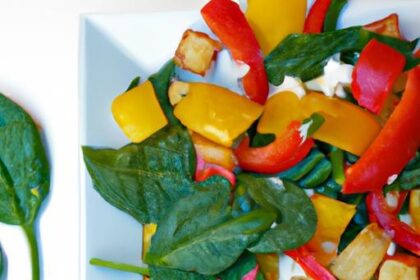
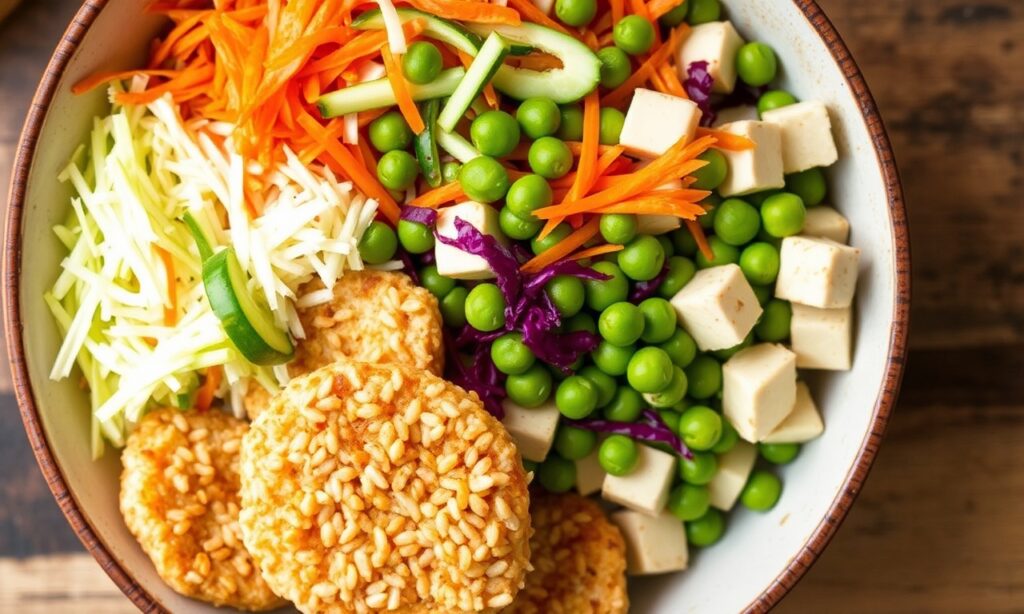
For a high-protein base, consider incorporating ingredients like edamame, baked or pan-fried tofu (marinated in soy sauce, ginger, and garlic for extra flavor), tempeh, or even seasoned chickpeas. These plant-based proteins not only boost the nutritional value but also add a satisfying chewiness that complements the crisp rice. Beyond protein, a diverse array of vegetables is essential. Think finely shredded carrots for sweetness and crunch, thinly sliced red or green cabbage for texture and color, crisp cucumber for freshness, and a handful of vibrant bell peppers (any color works) for a touch of sweetness and vitamin C. Leafy greens like spinach, kale, or mixed greens can also form the base of your salad, adding bulk and a wealth of nutrients.
The nutritional profile of such a salad is impressive. For instance, 1 cup of cooked edamame provides approximately 18 grams of complete protein, while 1/2 cup of firm tofu offers around 10 grams. Research suggests that well-planned vegan diets can adequately meet protein requirements, often exceeding them due to the inclusion of diverse plant-based protein sources. Furthermore, the fiber content from the vegetables and whole grains aids digestion and promotes satiety, making this dish a powerful tool for weight management and overall well-being.
Incorporating Flavorful Additions
To elevate your salad beyond a simple mix of vegetables, consider adding elements that bring depth and complexity. Toasted nuts and seeds, such as cashews, peanuts, sesame seeds, or sunflower seeds, provide healthy fats, a delightful crunch, and an additional protein boost. Fresh herbs like cilantro, mint, or green onions add brightness and a refreshing aromatic quality. For a touch of umami, consider adding sliced shiitake mushrooms (sautéed or raw), nori flakes, or a sprinkle of nutritional yeast. Pickled elements, such as pickled ginger or thinly sliced pickled red onions, can also introduce a tangy counterpoint that cuts through the richness of the dressing.
The Symphony of the Peanut-Chili Dressing
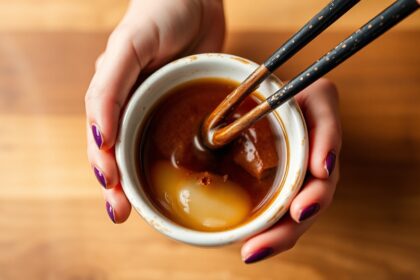
No Crispy Rice Salad is complete without its soul – the dressing. This is where the magic truly happens, binding all the disparate elements into a harmonious whole. For a vegan, high-protein masterpiece, the peanut-chili dressing is an absolute revelation. It’s a complex emulsion that dances on the palate, offering a thrilling interplay of savory, sweet, spicy, and tangy notes. The creaminess of the peanut butter forms a luxurious base, providing healthy fats and a subtle sweetness that is then expertly balanced by other key ingredients.
The cornerstone of this dressing is a good quality natural peanut butter. Look for brands with minimal ingredients, ideally just peanuts and salt. The chili element can be introduced through various means, depending on your preferred heat level. Sriracha or a chili garlic sauce offers a convenient and flavorful option, while finely minced fresh red chilies or red pepper flakes provide a more direct heat. Soy sauce or tamari (for a gluten-free option) provides the essential salty, umami foundation. A touch of sweetness is crucial to balance the savory and spicy notes; maple syrup or agave nectar are excellent vegan choices.
Rice vinegar or lime juice introduces the necessary acidity to brighten the flavors and cut through the richness of the peanut butter. A hint of grated fresh ginger and minced garlic adds aromatic depth and a pungent kick that elevates the entire dressing.
The precise ratio of these ingredients is what transforms a simple mix into a culinary masterpiece. It’s a delicate balance that often requires tasting and adjusting. The goal is a dressing that is thick enough to coat the ingredients without being cloying, and vibrant enough to stand up to the bold flavors of the crispy rice and salad components. The protein content from the peanut butter further enhances the dish’s nutritional credentials, making it a truly satisfying and complete meal.
Achieving the Perfect Consistency
The key to a flawless dressing lies in its consistency. It should be pourable but not watery, clinging to the ingredients without overwhelming them. If your dressing is too thick, you can thin it out by gradually adding a tablespoon of water or vegetable broth at a time until you reach your desired consistency. Conversely, if it’s too thin, you can whisk in a little more peanut butter or a thickening agent like a teaspoon of cornstarch (mixed with a little water to form a slurry) and gently heat the dressing for a minute or two to allow it to thicken.
Consistency is often influenced by the type of peanut butter used; natural peanut butters can vary in their oil content.
Assembling and Serving Your Masterpiece
The final act in creating your Crispy Rice Salad is the assembly. This is where the visual appeal of the dish comes into play, as much as the taste. Start by arranging your crispy rice portions on a serving platter or individual plates. Then, artfully pile the high-protein salad mixture over or alongside the crispy rice. The goal is to create visual contrast, showcasing the vibrant colors of the vegetables against the golden-brown rice. Drizzle the peanut-chili dressing generously over the entire dish just before serving. You can also offer extra dressing on the side for those who prefer a more intense flavor.
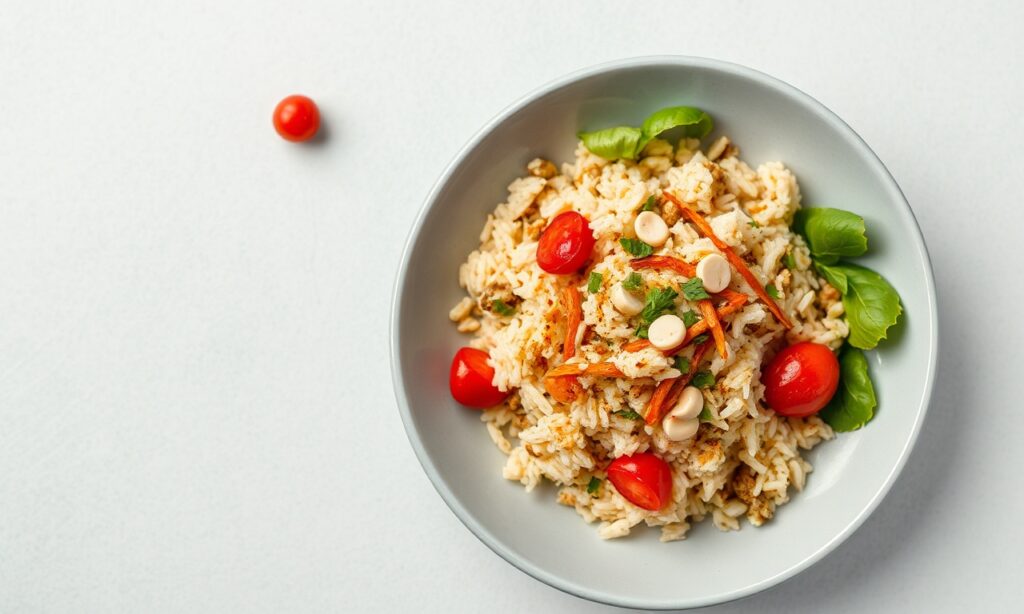
For an extra touch of elegance and texture, garnish with toasted sesame seeds, chopped fresh cilantro or green onions, and perhaps a few slivers of red chili for visual appeal and a hint of spice. The dish is best served immediately after assembly to ensure the rice remains as crisp as possible. The contrast between the warm, crunchy rice and the cool, fresh salad is a sensory delight that should be experienced at its peak.
Variations and Customizations
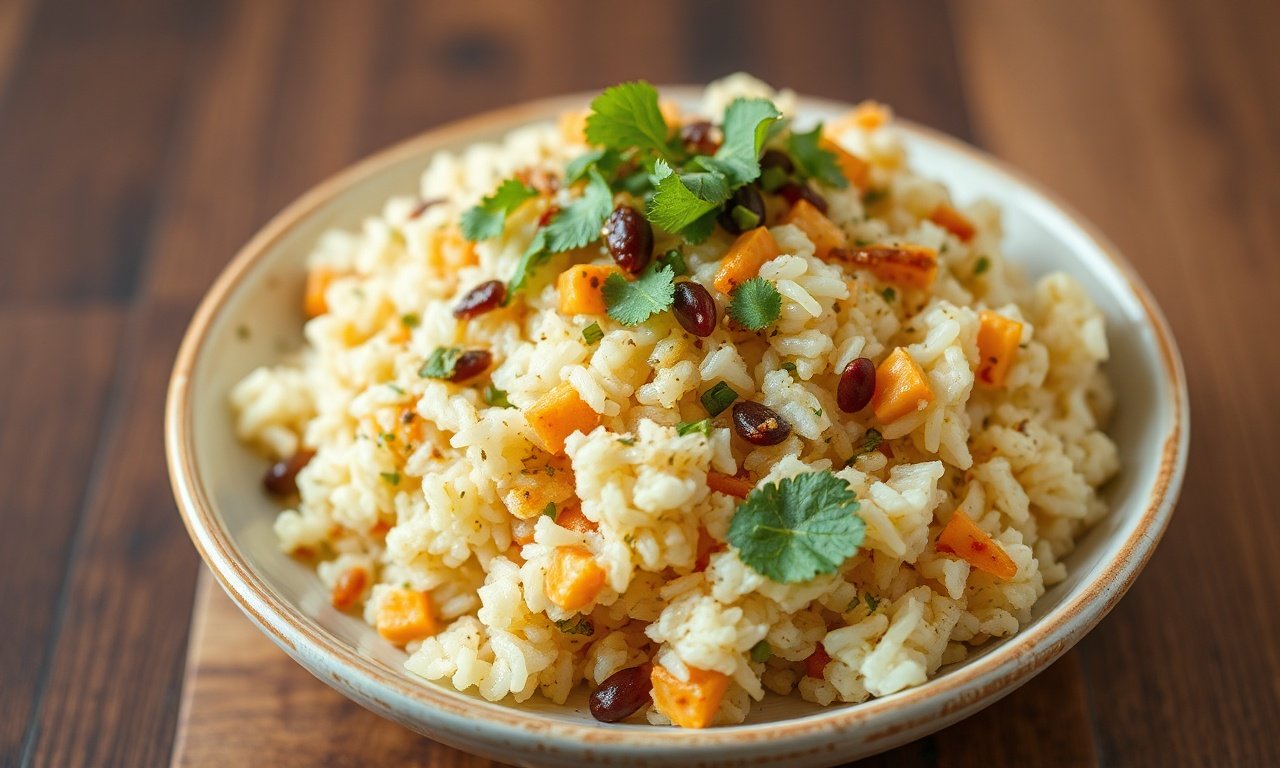
The beauty of this dish lies in its inherent flexibility. Don’t be afraid to experiment and tailor it to your preferences. For a different protein profile, consider adding seasoned lentils or black beans. If you enjoy a sharper flavor, incorporate thinly sliced radishes or a sprinkle of capers. For those who appreciate a sweet and tangy element, dried cranberries or chopped dates can add a surprising but delightful twist. The dressing can also be modified; a touch of tahini can be added for a nuttier, earthier flavor, or a spoonful of miso paste can introduce a deeper umami complexity. The key is to maintain the balance of textures and flavors that make this dish so compelling.
Consider the seasonality of ingredients. In the summer, a salad bursting with fresh corn, tomatoes, and avocado would be delightful. In the cooler months, roasted root vegetables like sweet potatoes or Brussels sprouts can add warmth and depth. The foundation of crispy rice and a well-balanced dressing ensures that no matter the variation, the core appeal of the dish remains intact. This adaptability makes it a truly sustainable and enjoyable recipe to return to again and again.
The concept of building plant-based meals around a textural element like crispy rice is proof of the evolving landscape of vegan cuisine. It moves beyond simple substitutions and embraces innovation, creating dishes that are inherently satisfying and exciting. The integration of high-protein sources ensures that these meals are not just flavorful but also nutritionally complete, supporting a healthy and active lifestyle. The global appeal of these flavors means that this dish is not confined to any one dietary group but is a celebration of delicious, wholesome food for everyone.
Frequently Asked Questions
What is the best type of rice to use for crispy rice?
For the ideal crispy texture, medium or short-grain rice, such as sushi rice or Arborio rice, is recommended. These varieties have a higher starch content, which helps the grains bind together and achieve a satisfying crispness when fried. It’s crucial that the rice is cooked, cooled completely, and preferably chilled for at least several hours or overnight before frying.
How can I make the crispy rice extra crunchy?
To achieve maximum crispiness, ensure your rice is thoroughly chilled and dry. Press the rice into an even, thin layer before cutting it into portions. Use a generous amount of neutral, high-smoke-point oil heated to the correct temperature (around 350°F/175°C). Do not overcrowd the pan, as this will lower the oil temperature and result in a less crispy texture. Frying each side until a deep golden-brown color is achieved is also key.
Can I prepare the crispy rice ahead of time?
Yes, the crispy rice can be prepared and fried ahead of time. Once fried and cooled, it can be stored in an airtight container at room temperature for a few hours, or refrigerated for up to a day. However, for the absolute best texture, it’s recommended to fry the rice just before serving. If you must prepare it in advance, reheating it briefly in a hot oven or air fryer can help restore some of its crispness.
What are some good vegan protein sources to add to the salad?
Excellent vegan protein sources for the salad include edamame, baked or pan-fried tofu, tempeh, seasoned chickpeas, black beans, and lentils. Nutritional yeast can also add a cheesy flavor and a small protein boost. Combining a few of these will ensure a well-rounded and satisfying protein profile for the dish.
How can I adjust the spice level of the peanut-chili dressing?
The spice level can be adjusted by controlling the amount and type of chili used. For milder heat, use less sriracha or chili garlic sauce, or opt for a milder chili pepper. For more heat, increase the amount of chili sauce, add finely minced fresh red chilies, or a pinch of cayenne pepper. Always taste and adjust as you go, adding spice incrementally until your desired heat level is reached.
See also: Crispy Rice