
The Enduring Allure of Bean Salad
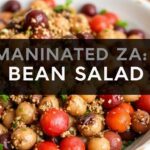
Bean Salad, particularly the iteration featuring hearty chickpeas, is far more than just a simple side dish; it’s a culinary testament to simplicity, nutrition, and adaptability. For decades, this seemingly humble assembly of legumes and vegetables has graced picnic tables, potlucks, and weeknight dinners, proving its mettle not through fleeting trends, but through consistent, satisfying performance. Yet, beneath its approachable exterior lies a depth of flavor and a nutritional profile that often goes unappreciated. Many home cooks approach it with a rote formula, missing the nuanced opportunities to transform it from merely adequate to truly exceptional.
- The Enduring Allure of Bean Salad
- Unpacking the Essential Components of a Superior Bean Salad
- The Leguminous Heart: Beans and Chickpeas
- The Supporting Cast: Fresh Vegetables and Aromatics
- The Unifying Force: The Dressing
- The Battle-Tested Recipe: A Masterclass in Bean Salad Creation
- Ingredients
- Preparation Method
- Nutritional Snapshot: A Powerhouse of Goodness
- Expert Pro-Tips for Elevating Your Bean Salad Game
- Beyond the Bowl: Serving Suggestions and Adaptations
- Frequently Asked Questions
This article aims to demystify the battle-tested bean salad, revealing the truths behind its enduring success and equipping you with the expertise to craft a version that is both profoundly nourishing and undeniably delicious.
The true genius of a great bean salad lies not in its complexity, but in its capacity to be endlessly personalized, offering a canvas for vibrant flavors and textures that speak to both health and hearty satisfaction.
Bean Salad has a rich history, with its roots tracing back to various cultures that relied on legumes as a staple. The concept of combining cooked beans with other ingredients for a refreshing dish can be found in ancient Roman fare and evolved through various iterations across Mediterranean and Middle Eastern cuisines. The modern iteration, often featuring a vinaigrette dressing, gained significant traction in American home cooking during the 20th century, becoming synonymous with backyard barbecues and casual gatherings. Its popularity surged due to its affordability, ease of preparation, and the perceived health benefits of its core ingredients.
Research highlights a growing consumer interest in plant-based protein sources, with pulses like beans and chickpeas seeing a significant uptick in demand, underscoring the continued relevance of dishes like bean salad.
Unpacking the Essential Components of a Superior Bean Salad
At its core, a truly outstanding bean salad is built upon a foundation of high-quality ingredients, thoughtfully prepared and expertly balanced. While the specific components can vary wildly, certain elements are almost universally present and contribute significantly to the final character of the dish. Understanding the role of each component is the first step towards mastering this versatile recipe.
The Leguminous Heart: Beans and Chickpeas
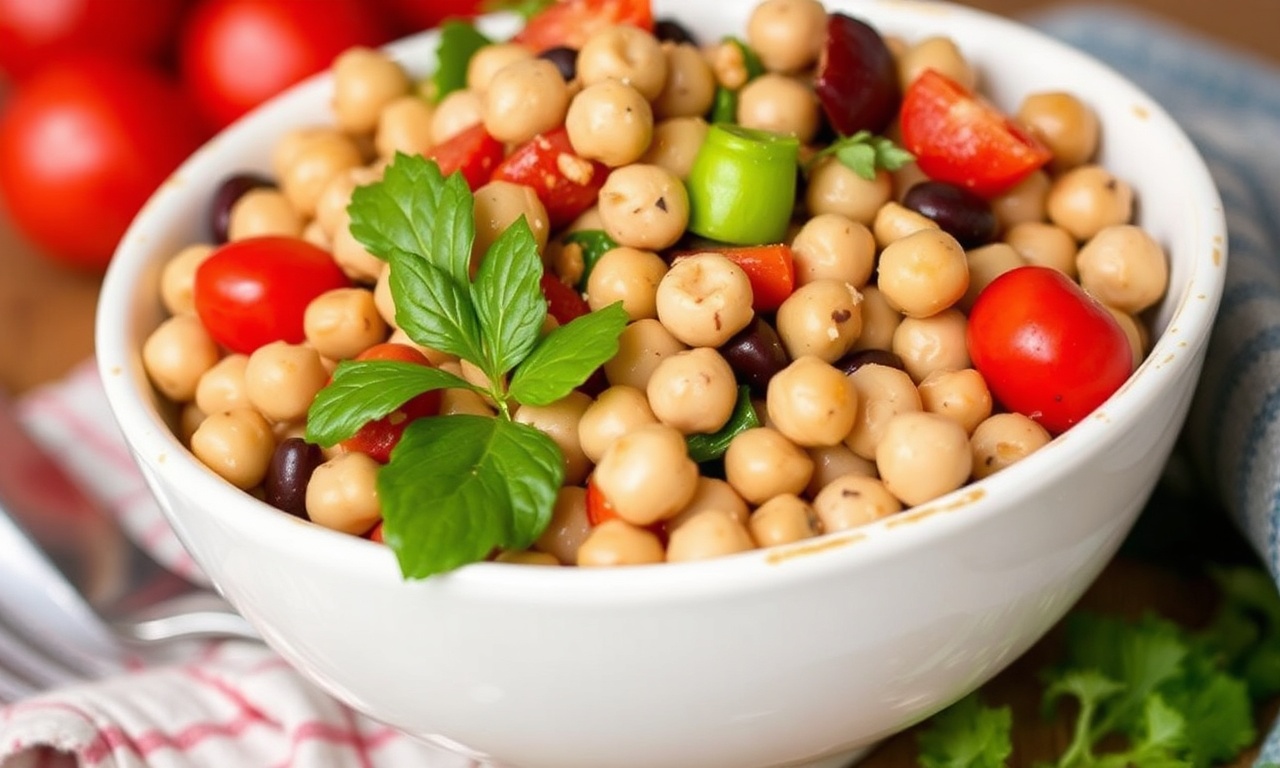
The stars of our show are, of course, the beans and chickpeas. For this particular iteration of bean salad, we’ll focus on a classic combination: a medley of colorful beans and the ubiquitous chickpea.
- Chickpeas (Garbanzo Beans): These offer a firm, slightly nutty texture and a substantial bite. Their mild flavor makes them a perfect vehicle for dressings and other ingredients.
- Kidney Beans: Their deep red hue adds visual appeal, and their slightly softer texture provides a pleasing contrast.
- Black Beans: Offering a slightly earthy flavor and a creamy interior, black beans contribute depth and a dark, rich color.
- Cannellini Beans (or Great Northern Beans): These white beans provide a delicate, creamy texture and a mild, buttery taste.
The choice of canned versus dried beans is a perennial debate. While dried beans, when properly soaked and cooked from scratch, offer superior texture and flavor, the convenience of high-quality canned beans cannot be overstated for a quick and easy bean salad. If using canned, it is imperative to rinse them thoroughly under cold water to remove excess sodium and any metallic off-flavors.
The Supporting Cast: Fresh Vegetables and Aromatics
A vibrant bean salad demands the crispness and freshness that only well-chosen vegetables can provide. These elements not only add texture but also introduce a spectrum of flavors and nutrients.
- Red Onion: Its sharp, pungent bite is crucial, but for a milder flavor, consider soaking thinly sliced red onion in ice water for 10-15 minutes before draining.
- Bell Peppers: A mix of colors – red, yellow, and orange – provides sweetness, crunch, and visual vibrancy. Green bell peppers can also be used, though they offer a slightly more bitter note.
- Celery: Adds a subtle bitterness and a satisfying, fibrous crunch.
- Cucumber: For a refreshing element, diced cucumber, especially English or Persian varieties with fewer seeds, brings a cool, watery crispness.
- Fresh Herbs: Parsley and cilantro are classic choices, offering bright, herbaceous notes. Dill can also be a wonderful addition for a different aromatic profile.
- Garlic: Finely minced fresh garlic provides a pungent kick that is essential for most vinaigrettes.
The Unifying Force: The Dressing
The dressing is where much of the magic happens, binding all the disparate elements into a cohesive, flavorful whole. A well-executed vinaigrette is typically a balance of acidity, fat, and seasoning.
- Olive Oil: Extra virgin olive oil is the gold standard, providing a fruity, robust flavor.
- Acid: Red wine vinegar, apple cider vinegar, or lemon juice are common choices, offering tanginess to cut through the richness of the oil and beans.
- Sweetener: A touch of honey, maple syrup, or a pinch of sugar can balance the acidity.
- Seasoning: Salt and freshly ground black pepper are non-negotiable. Dijon mustard adds emulsification properties and a subtle piquancy.
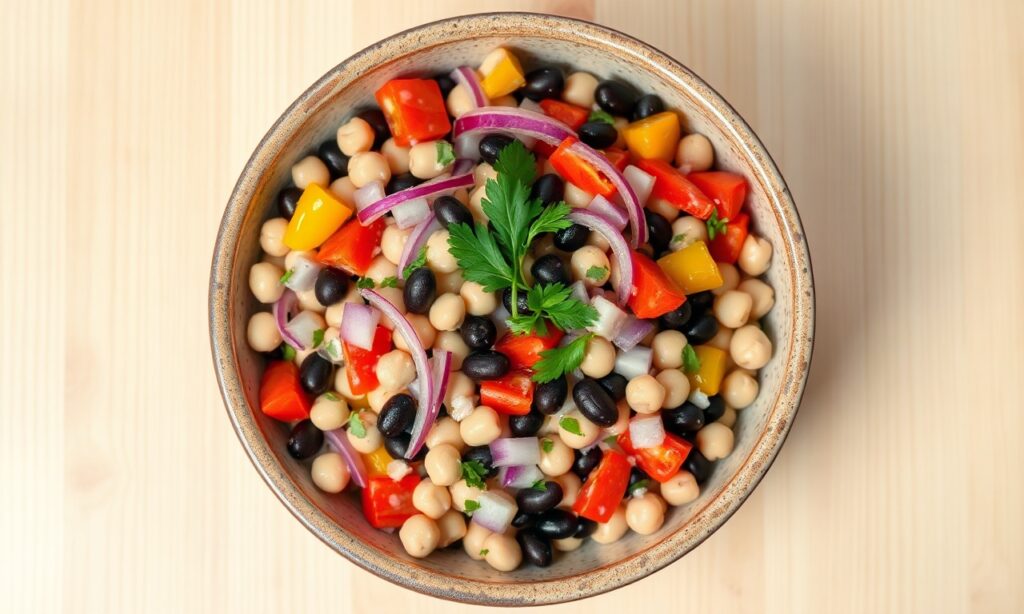
The Battle-Tested Recipe: A Masterclass in Bean Salad Creation
This recipe is designed to be a template, a proven framework that allows for personal interpretation while guaranteeing delicious results. The proportions are carefully balanced to ensure that no single flavor overpowers another, and the textures offer a delightful interplay.
Ingredients
- For the Salad:
- 1 can (15 ounces or 425g) chickpeas, rinsed and drained
- 1 can (15 ounces or 425g) kidney beans, rinsed and drained
- 1 can (15 ounces or 425g) black beans, rinsed and drained
- 1 can (15 ounces or 425g) cannellini beans (or Great Northern beans), rinsed and drained
- 1 medium red onion, finely diced
- 1 red bell pepper, finely diced
- 1 yellow bell pepper, finely diced
- 2 celery stalks, finely diced
- 1/2 English cucumber, seeded and finely diced (optional, for added freshness)
- 1/2 cup (about 15g) fresh parsley, finely chopped
- 1/4 cup (about 8g) fresh cilantro, finely chopped (optional, adjust to taste)
- For the Vinaigrette:
- 1/3 cup (80ml) extra virgin olive oil
- 3 tablespoons (45ml) red wine vinegar (or apple cider vinegar)
- 1 tablespoon (15ml) Dijon mustard
- 1-2 teaspoons honey or maple syrup (to taste)
- 2 cloves garlic, minced
- 1/2 teaspoon salt, or to taste
- 1/4 teaspoon freshly ground black pepper, or to taste
Preparation Method
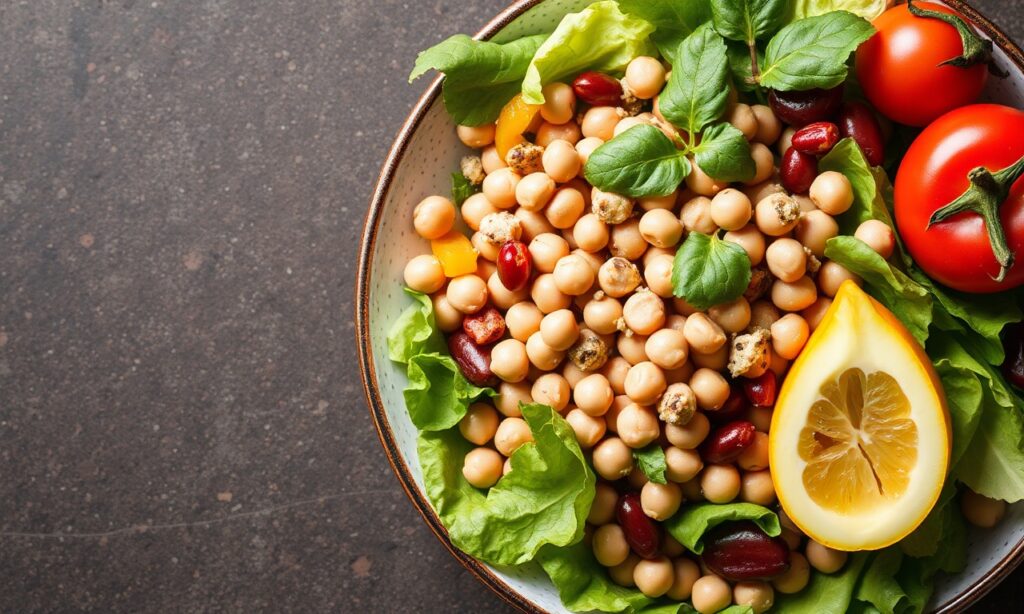
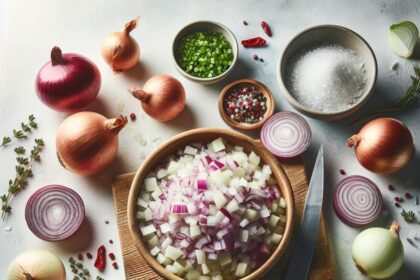
- Prepare the Vegetables: Begin by ensuring all your vegetables are thoroughly rinsed and dried. Dice the red onion, bell peppers, celery, and cucumber (if using) into uniform, small pieces. This consistency in size ensures even distribution and a pleasant eating experience. If you find raw red onion too sharp, soak the diced onion in a bowl of ice water for 10-15 minutes, then drain thoroughly.
- Chop the Herbs: Finely chop the fresh parsley and cilantro. The freshness of these herbs is paramount to the salad’s vibrancy.
- Combine Salad Ingredients: In a large mixing bowl, combine the rinsed and drained chickpeas, kidney beans, black beans, and cannellini beans. Add the diced red onion, bell peppers, celery, and cucumber. Gently fold in the chopped fresh herbs.
- Whisk the Vinaigrette: In a separate small bowl or a jar with a tight-fitting lid, combine the extra virgin olive oil, red wine vinegar, Dijon mustard, honey or maple syrup, minced garlic, salt, and freshly ground black pepper. Whisk vigorously or shake the jar until the dressing is well emulsified and appears creamy. Taste and adjust seasoning as needed – it should be bright and flavorful.
- Dress the Salad: Pour about two-thirds of the vinaigrette over the bean and vegetable mixture. Gently toss to coat all the ingredients evenly.
- Marinate and Chill: Cover the bowl and refrigerate for at least 30 minutes to allow the flavors to meld. This marination period is crucial for developing the depth of flavor.
- Final Adjustment: Before serving, give the salad another gentle toss. If it seems a bit dry, add the remaining vinaigrette. Taste one last time and adjust salt, pepper, or acidity as desired.
Nutritional Snapshot: A Powerhouse of Goodness
This bean salad is not just flavorful; it’s a nutritional champion. A typical serving (approximately 1.5 cups) offers a robust profile of essential nutrients.
- Calories: Around 300-350 kcal (variable based on exact ingredients and dressing amount).
- Protein: Approximately 15-20g, primarily from the diverse range of beans. This makes it an excellent option for plant-based protein intake.
- Fiber: High in dietary fiber, typically ranging from 10-15g per serving. Fiber is essential for digestive health, promoting satiety, and helping to regulate blood sugar levels. Adequate fiber intake is linked to a reduced risk of chronic diseases.
- Vitamins and Minerals: Rich in folate, iron, magnesium, potassium, and various B vitamins, owing to the legumes and colorful vegetables.
- Healthy Fats: Primarily from the extra virgin olive oil, providing monounsaturated fats that are beneficial for heart health.
Keep in mind that the sodium content can vary significantly depending on the brand of canned beans used and the amount of salt added. Rinsing beans thoroughly is a key step in mitigating this.
Expert Pro-Tips for Elevating Your Bean Salad Game
To truly transform your bean salad from good to unforgettable, consider these expert-level enhancements. These are the subtle touches that seasoned chefs employ to achieve culinary perfection.
Texture Mastery: Beyond the Basic Chop
- Varying Dicing Sizes: While uniform dicing is good, consider introducing slightly larger chunks of some vegetables, like bell peppers, for textural contrast.
- Toasted Nuts or Seeds: A sprinkle of toasted sunflower seeds, pumpkin seeds, or chopped almonds can add a delightful crunch and nutty undertone.
- Avocado: For a creamy indulgence, add diced ripe avocado just before serving.
Flavor Infusion: Layering Depth
- Roasted Vegetables: Instead of raw bell peppers, try roasting them until slightly charred for a sweeter, smoky flavor.
- Marinated Artichoke Hearts: Diced marinated artichoke hearts add a tangy, sophisticated note.
- A Touch of Spice: For those who enjoy a little heat, a pinch of red pepper flakes in the dressing or a finely minced jalapeño can add a subtle kick.
- Aged Cheese: A small amount of finely grated Parmesan or a crumbled feta cheese can introduce a salty, umami dimension.
Beyond the Bowl: Serving Suggestions and Adaptations
The beauty of this bean salad lies in its versatility. It’s not confined to a side dish role; it can be the star of a light lunch or a satisfying vegetarian main.
- As a Side: Serve alongside grilled chicken, fish, or burgers. It’s a perfect accompaniment to barbecue fare.
- As a Light Lunch: Spoon over a bed of mixed greens or serve with whole-grain crackers for a complete, nutrient-dense meal.
- In Wraps or Pitas: Use it as a filling for whole-wheat wraps or pita pockets for a portable and satisfying lunch.
- Stuffed Peppers: Mix with cooked quinoa or rice and stuff into bell pepper halves for a hearty baked dish.
- Global Variations: Experiment with different flavor profiles. For a Mediterranean twist, add Kalamata olives, sun-dried tomatoes, and oregano. For a Tex-Mex flair, incorporate corn, black olives, and a lime-cilantro dressing.
Frequently Asked Questions
Can I make this bean salad ahead of time?
Yes, this bean salad is an excellent make-ahead dish. In fact, allowing it to marinate in the refrigerator for at least 30 minutes, and ideally for a few hours or even overnight, allows the flavors to meld beautifully. Ensure all vegetables are well-drained and the dressing is properly incorporated.
What are the best beans to use if I don’t have all the ones listed?
The beauty of bean salad is its adaptability. If you’re missing a specific bean, you can substitute it with others you have on hand. Other good options include pinto beans, great northern beans, or even a mix of lentil varieties. The key is to maintain a good variety of textures and colors.
How long will bean salad last in the refrigerator?
Properly stored bean salad will typically last for 3 to 4 days in the refrigerator. Keep it in an airtight container to maintain freshness and prevent it from absorbing other odors. It’s best to stir it before serving, as some separation of the dressing may occur.
Can I use dried beans instead of canned?
Absolutely. Using dried beans that have been soaked and cooked from scratch will yield a superior texture and flavor. Cook them until they are tender but still hold their shape. Ensure they are completely cooled before adding them to the salad. This will require advance planning for soaking and cooking time.
What are some ways to make this bean salad spicier?
To add heat, you can incorporate finely minced jalapeño or serrano peppers into the salad. Alternatively, increase the amount of red pepper flakes in the vinaigrette or add a dash of your favorite hot sauce. A spicy mustard can also add a subtle kick to the dressing.
See also: Bean Salad