
The Humble Vegetable’s Remarkable Ascent
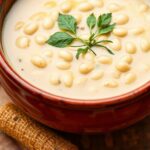
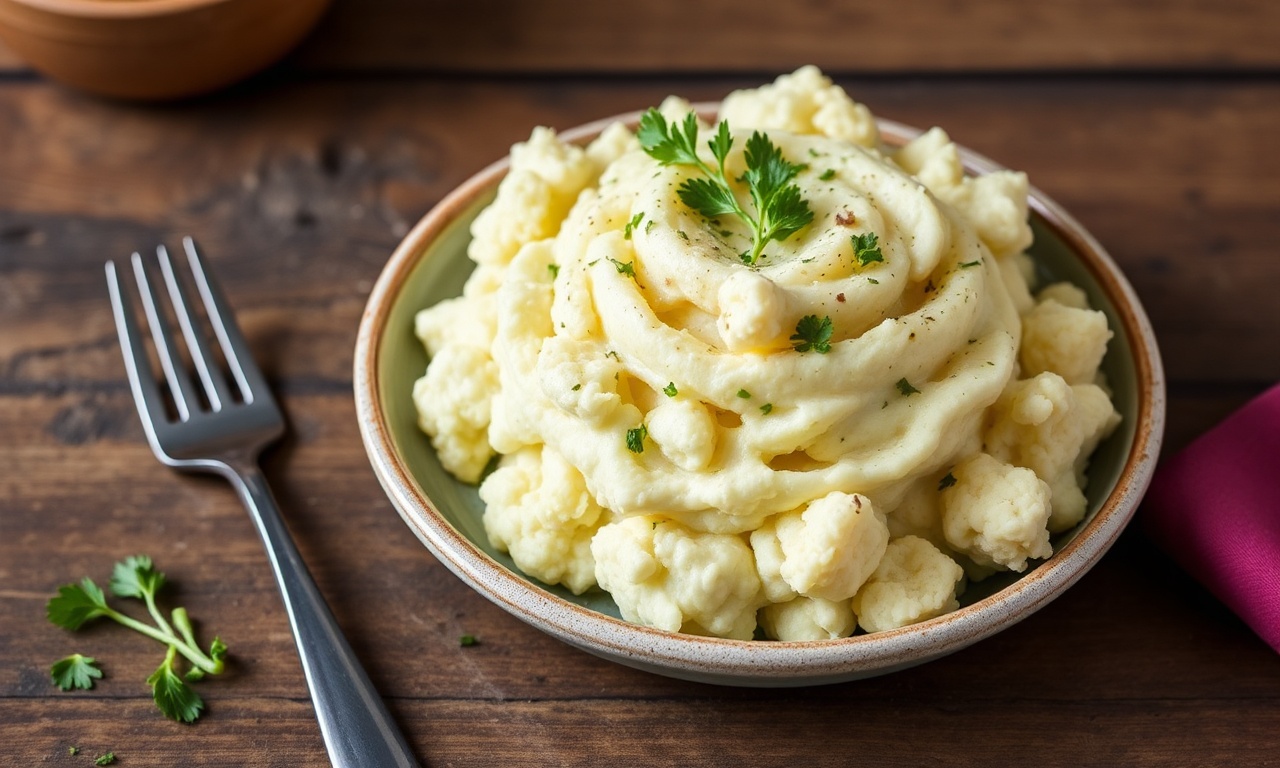
For too long, the humble cauliflower has been relegated to a supporting role, a pale imitation of its starchier counterparts. Yet, a culinary revolution has been quietly brewing, elevating this cruciferous wonder to star status, particularly in the form of mashed cauliflower. Imagine a side dish that delivers the creamy, comforting satisfaction of traditional mashed potatoes, but with a fraction of the carbohydrates and a significant nutritional boost. This isn’t a far-fetched dietary fantasy; it’s the delicious reality of expertly prepared mashed cauliflower, a streamlined secret that empowers home cooks to create healthier, yet equally decadent, accompaniments to any meal.
- The Humble Vegetable’s Remarkable Ascent
- Mashed Cauliflower: Unpacking the Nutritional Powerhouse
- Mastering the Art of Creamy Mashed Cauliflower
- Mashed Cauliflower vs. Mashed Potatoes: A Comparative Analysis
- Practical Applications and Recipe Variations
- Frequently Asked Questions About Mashed Cauliflower
- Q1: Is mashed cauliflower truly as healthy as it’s made out to be?
- Q2: Can I use frozen cauliflower for mashed cauliflower?
- Q3: What is the best way to achieve a smooth, lump-free mash?
- Q4: How can I make my mashed cauliflower taste like mashed potatoes?
- Q5: Is mashed cauliflower suitable for a ketogenic diet?
Mashed cauliflower offers a remarkable bridge between indulgence and health, proving that dietary aspirations don’t necessitate sacrificing culinary pleasure. It’s proof of how smart ingredient swaps can redefine comfort food.
The journey of mashed cauliflower from an obscure health food trend to a mainstream culinary staple is a fascinating one. Initially, it was often viewed with skepticism, a whispered suggestion among dieters to mimic potato’s texture without the caloric baggage. However, as chefs and home cooks began to experiment, a profound understanding emerged: with the right techniques and flavor profiles, mashed cauliflower isn’t just a substitute; it’s a dish with its own inherent deliciousness, capable of standing proudly on its own.
Mashed Cauliflower: Unpacking the Nutritional Powerhouse
The primary allure of mashed cauliflower lies in its impressive nutritional profile, a stark contrast to the carbohydrate-heavy nature of traditional mashed potatoes. A single cup of cooked cauliflower (approximately 100 grams) contains roughly 2.5 grams of fiber, nearly 2 grams of protein, and a mere 5 grams of net carbohydrates. This is significantly lower than the roughly 37 grams of carbohydrates found in an equivalent serving of mashed potatoes, according to data from the USDA FoodData Central.
Beyond its low-carb advantage, cauliflower is a treasure trove of essential vitamins and minerals. It’s an excellent source of Vitamin C, providing over 75% of the recommended daily intake in a single serving, which is crucial for immune function and collagen production. It also offers a good amount of Vitamin K, vital for blood clotting and bone health, along with folate, potassium, and various antioxidants like glucosinolates. These compounds are the subject of ongoing research for their potential anti-inflammatory and disease-fighting properties. For instance, studies published in scientific journals have highlighted the role of cruciferous vegetables, including cauliflower, in promoting cellular health due to their rich phytonutrient content.
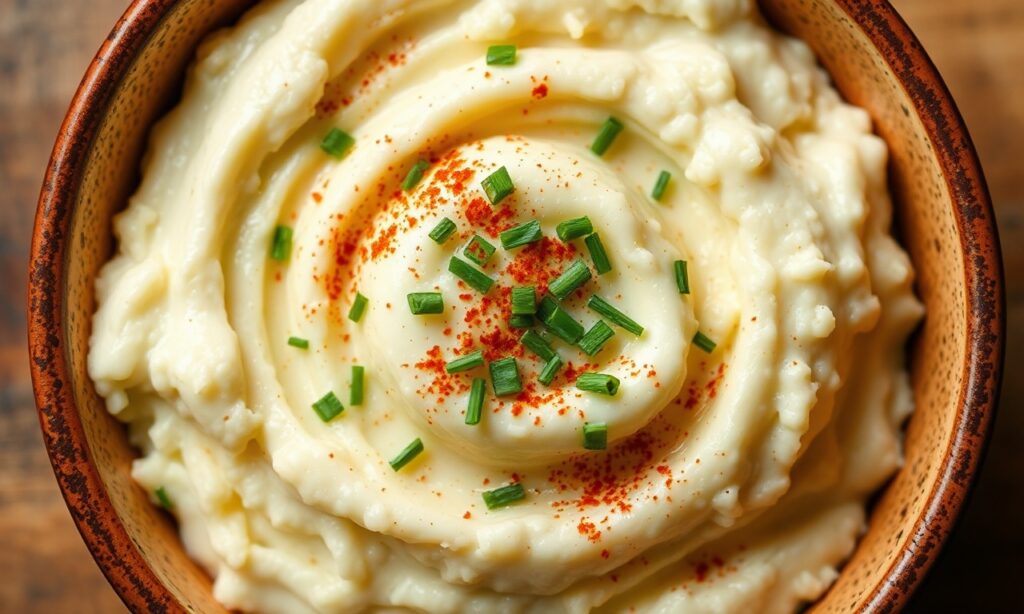
The versatility of mashed cauliflower extends beyond its raw nutritional data. It’s a highly adaptable base that readily absorbs flavors, making it a canvas for culinary creativity. Whether you’re aiming for a delicate, buttery side or a robust, garlicky accompaniment, the cauliflower itself provides a neutral, yet satisfying, foundation.
Mastering the Art of Creamy Mashed Cauliflower
Achieving that signature creamy texture is the cornerstone of truly exceptional mashed cauliflower. The process begins with selecting the right cauliflower. Opt for firm, heavy heads with tightly packed florets and no brown spots. While you can use frozen cauliflower florets in a pinch, fresh yields a superior texture and flavor, as the water content is more easily controlled.
Key Techniques for Optimal Texture
The method of cooking the cauliflower is paramount. Steaming is often the preferred method as it prevents the cauliflower from becoming waterlogged, a common pitfall that can lead to a watery, less satisfying mash. Boiling can be used, but it requires diligent draining and even a brief period of drying in the pan to evaporate excess moisture.
- Preparation: Begin by washing the cauliflower head thoroughly. Trim away the outer leaves and core, then break or cut the head into uniform florets. Aim for pieces of roughly equal size to ensure even cooking.
- Cooking Method (Steaming Recommended): Place the florets in a steamer basket over about an inch of boiling water. Cover tightly and steam for 10-15 minutes, or until the florets are fork-tender but not mushy. Overcooking is the enemy of good texture.
- Draining and Drying: Once tender, immediately transfer the steamed florets to a colander. Allow them to drain for at least 5 minutes. For an extra insurance policy against moisture, you can spread the florets on a clean kitchen towel and gently pat them dry, or even return them to the empty, warm pot with the lid off for a minute or two over very low heat to let residual steam escape.
- Mashing Technique: This is where texture is truly defined. While a potato masher can work, a food processor or a high-powered blender will yield the smoothest, most luxurious results. Pulse the cauliflower in short bursts, scraping down the sides as needed, until it reaches your desired consistency. Be careful not to over-process, which can turn the cauliflower gummy. A hand mixer or immersion blender can also be effective for a slightly less uniform, but still pleasing, texture.
Flavor Infusions: Elevating Beyond the Basic
Once you’ve mastered the technique, the real fun begins with flavor. The subtle, slightly nutty flavor of cauliflower is incredibly receptive to a wide range of additions. Classic pairings like butter, garlic, and salt are indispensable, but don’t stop there. Roasted garlic, infused into the mash, offers a mellow sweetness and depth that is simply unparalleled. A hint of nutmeg can add warmth and complexity, while a pinch of white pepper offers a gentle heat without the visual specks of black pepper.
For those seeking a richer, more decadent side, consider incorporating a small amount of heavy cream or half-and-half during the mashing process. A touch of grated Parmesan or Pecorino Romano cheese can introduce a savory, umami-rich dimension, transforming your mashed cauliflower into something truly special. Herbs like chives, parsley, or even a whisper of rosemary or thyme can add freshness and aromatic intrigue.
Mashed Cauliflower vs. Mashed Potatoes: A Comparative Analysis
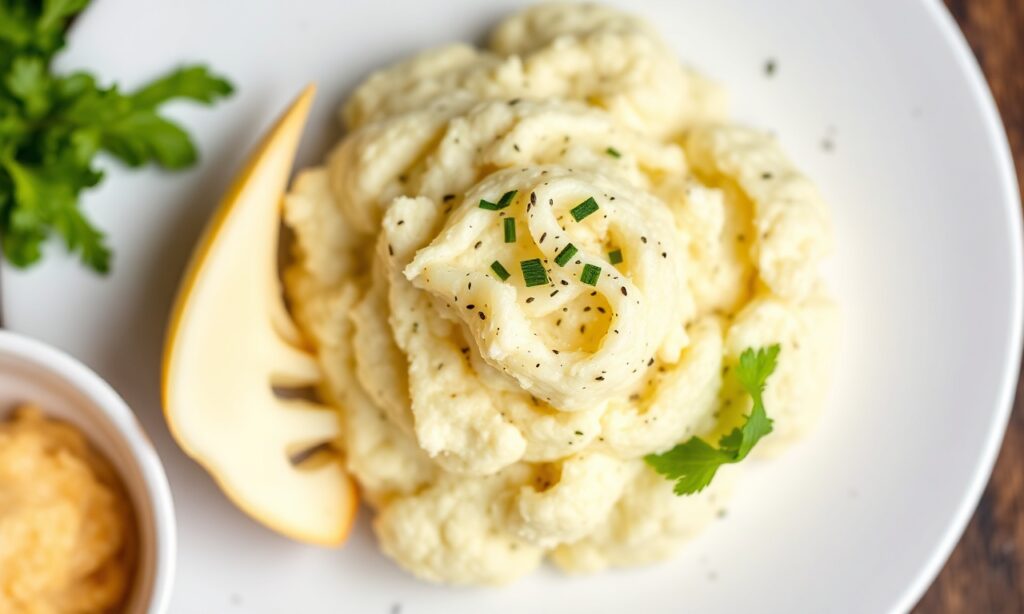
The comparison between mashed cauliflower and mashed potatoes is inevitable, and for good reason. While both can deliver comfort and satisfaction, their nutritional profiles and culinary applications diverge significantly, offering distinct advantages depending on your dietary goals and preferences. Mashed potatoes, particularly when prepared with butter, cream, and potentially other rich additions, are a source of complex carbohydrates that provide readily available energy. However, they are also considerably higher in calories and carbohydrates, which can be a concern for individuals managing blood sugar levels, seeking to lose weight, or following a ketogenic or low-carb lifestyle.
According to public health data, the average adult consumes around 260 grams of carbohydrates per day. A standard serving of mashed potatoes can account for a substantial portion of this, whereas mashed cauliflower offers a way to enjoy a similar textural experience with a dramatically reduced carbohydrate load. This makes mashed cauliflower an indispensable tool for those looking to create lower-carb versions of classic comfort meals, such as serving it alongside steak or roast chicken instead of traditional potatoes.
Furthermore, the glycemic index (GI) of mashed potatoes can be quite high, meaning they can cause a more rapid spike in blood sugar levels compared to mashed cauliflower. This is a critical consideration for individuals managing diabetes or seeking to maintain stable energy levels throughout the day. The lower GI of cauliflower makes it a more suitable option for sustained energy release.
Practical Applications and Recipe Variations
The beauty of mashed cauliflower lies in its adaptability. It serves as an exceptional side dish for a wide array of main courses, from grilled salmon and pan-seared chicken to hearty stews and vegetarian curries. Its mild flavor profile ensures it complements rather than competes with the primary dish.
Recipe Spotlight: Roasted Garlic & Herb Mashed Cauliflower
This recipe elevates the simple mash into something truly gourmet, perfect for special occasions or when you simply want to treat yourself.
- Ingredients:
- 2 lbs (approx. 900g) fresh cauliflower, cut into florets
- 1 whole head garlic
- 2 tablespoons olive oil, divided
- 1/4 cup (60ml) unsweetened almond milk or low-fat milk
- 2 tablespoons unsalted butter (optional, for richness)
- 1 tablespoon fresh chives, finely chopped
- 1 tablespoon fresh parsley, finely chopped
- Salt and freshly ground black pepper to taste
- Instructions:
- Preheat oven to 400°F (200°C).
- Cut off the top 1/4 inch of the garlic head, exposing the cloves. Drizzle with 1 tablespoon of olive oil, wrap loosely in foil, and roast for 30-40 minutes, or until soft and golden. Let cool slightly, then squeeze the softened garlic cloves out of their skins.
- While the garlic roasts, steam the cauliflower florets until fork-tender (about 10-15 minutes). Drain and dry thoroughly as described previously.
- In a food processor, combine the steamed cauliflower, roasted garlic cloves, remaining 1 tablespoon of olive oil, almond milk, and butter (if using).
- Process until smooth and creamy, scraping down the sides as needed. Season generously with salt and pepper.
- Stir in the fresh chives and parsley. Serve immediately.
Beyond the Plate: Culinary Innovations
The applications of mashed cauliflower extend beyond a simple side. It can be used as a binder in vegetarian patties, a base for creamy soups, or even as a healthier topping for shepherd’s pie, replacing the traditional potato crust. Its ability to mimic creamy textures also makes it a potential ingredient in healthier dips and spreads.
Consider incorporating a small amount of nutritional yeast during the mashing process to impart a cheesy, umami flavor without added dairy, making it a fantastic vegan option. For a spicier kick, a pinch of cayenne pepper or a dash of hot sauce can provide a delightful warmth.
Frequently Asked Questions About Mashed Cauliflower
Q1: Is mashed cauliflower truly as healthy as it’s made out to be?
Mashed cauliflower is significantly healthier than mashed potatoes primarily due to its lower carbohydrate and calorie content. It’s rich in fiber, vitamins like C and K, and antioxidants. However, the healthfulness can be influenced by the ingredients added. Using excessive butter, cream, or cheese will increase the calorie and fat content, so moderation is key to maximizing its benefits.
Q2: Can I use frozen cauliflower for mashed cauliflower?
Yes, you can use frozen cauliflower florets. However, they tend to contain more water, which can lead to a less desirable texture if not managed properly. Ensure you drain them very thoroughly after cooking and consider drying them further by spreading them on a towel or briefly sautéing them in the pan to evaporate excess moisture before mashing.
Q3: What is the best way to achieve a smooth, lump-free mash?
For the smoothest texture, a food processor or a high-powered blender is recommended. Pulse the cooked cauliflower in stages, scraping down the sides frequently. Avoid over-processing, which can result in a gummy texture. A hand mixer or immersion blender can also be effective, yielding a slightly less uniform but still pleasant consistency.
Q4: How can I make my mashed cauliflower taste like mashed potatoes?
While it won’t be identical, you can emulate the familiar flavors. Use generous amounts of butter and cream or milk. Roasted garlic adds a depth of flavor that is often associated with rich mashed potatoes. A pinch of nutmeg can also contribute to that classic comfort food profile. Seasoning well with salt and pepper is essential for bringing out all the flavors.
Q5: Is mashed cauliflower suitable for a ketogenic diet?
Absolutely. Mashed cauliflower is a staple on ketogenic and other low-carbohydrate diets. Its low net carbohydrate count makes it an excellent substitute for mashed potatoes, allowing individuals to enjoy a creamy, satisfying side dish without derailing their dietary goals. Ensure any additions are also keto-friendly.
See also: Mashed Cauliflower