
Why Does Hearty Zucchini Lasagna So Often End Up Watery?
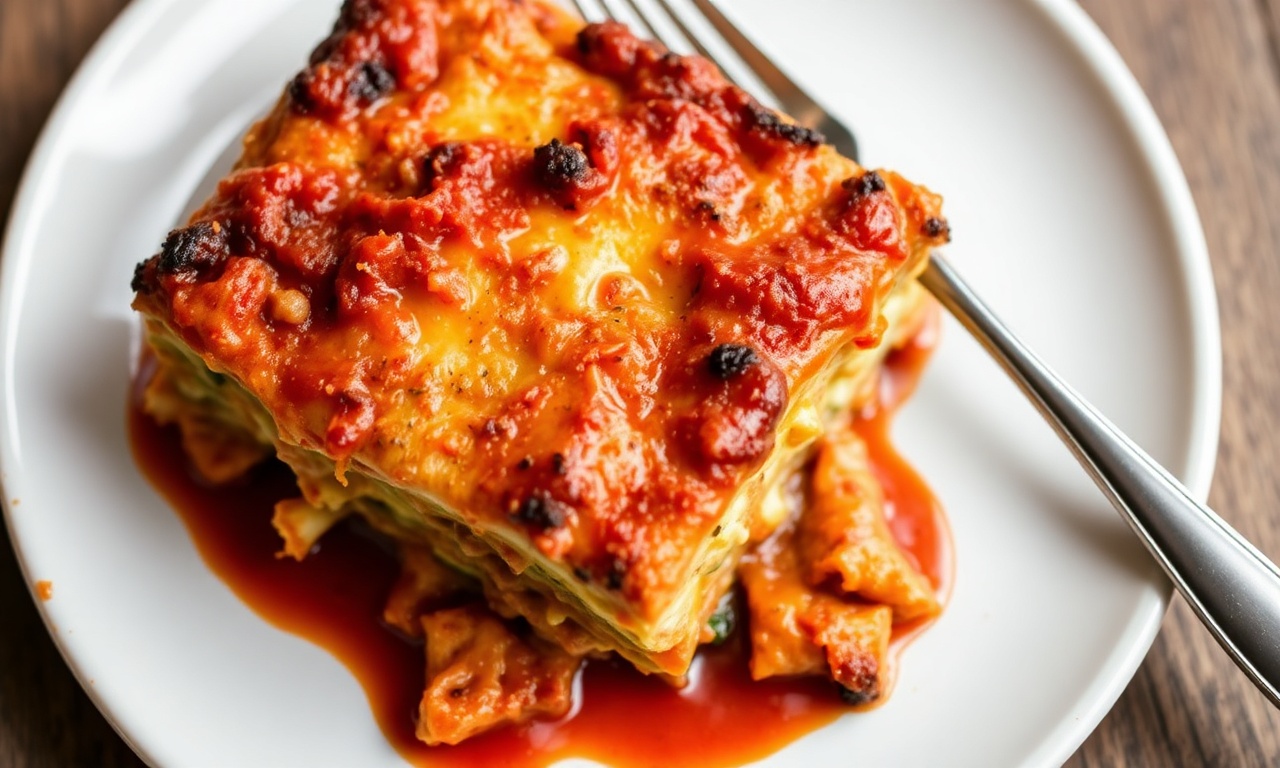
Have you ever embarked on the culinary adventure of creating a Hearty Zucchini lasagna, only to be met with a dish that resembles a soup more than a satisfying bake? This is a common lament among home cooks, a frustration that seems to plague even the most seasoned chefs. The perceived culprit is almost always the zucchini itself, its abundant water content a notorious saboteur of texture and flavor. But what if the issue isn’t the zucchini’s inherent nature, but rather our fundamental misunderstanding of how to work with it? The truth is, zucchini is a remarkably versatile vegetable, capable of lending a delicate sweetness and satisfying substance to dishes when treated with the respect and knowledge it deserves.
- Why Does Hearty Zucchini Lasagna So Often End Up Watery?
- The Proven Method: Salting and Pressing for Perfect Zucchini
- Building the Flavor Foundation: Sauce and Ricotta Mastery
- The Art of Layering: Ensuring Structural Integrity and Flavor Harmony
- Baking to Perfection and the Crucial Resting Period
- Nutritional Value and Inspiring Variations
- Approximate Nutritional Information Per Serving (based on 8 servings):
- Inspiring Variations for Every Palate
- Frequently Asked Questions
- What is the best way to cut zucchini for lasagna?
- Can I use zucchini noodles (zoodles) instead of slicing them?
- How long can I store leftover Hearty Zucchini Lasagna?
- Is it possible to make Hearty Zucchini Lasagna ahead of time?
- What if my lasagna is still a bit watery even after following these steps?
- Final Recommendations for Zucchini Lasagna Perfection
Mastering a truly hearty zucchini lasagna isn’t about fighting its natural hydration; it’s about understanding it and employing precise techniques to harness its potential, transforming a potential watery mess into a triumph of flavor and structure. This guide will demystify the process, drawing on culinary principles to ensure your next zucchini lasagna is anything but disappointing.
The secret to an exceptional Hearty Zucchini Lasagna lies not in fearing the vegetable’s moisture, but in commanding it through informed preparation and strategic layering.
The Science of Zucchini’s Hydration: Understanding the Challenge
To truly conquer the challenge of a watery zucchini lasagna, we must first appreciate the science behind the vegetable’s high water content. Zucchini, botanically classified as a fruit but used culinarily as a vegetable, is composed of roughly 95% water. This remarkable hydration is what makes it so refreshing and crisp when eaten raw or lightly cooked, but it presents a significant hurdle when it’s destined for a baked dish like lasagna, where excess liquid can leach out during the cooking process, diluting rich sauces and compromising the integrity of the layers. Research into vegetable physiology highlights how the delicate cellular structure of zucchini, characterized by thin cell walls, makes it particularly susceptible to releasing its stored water under pressure, heat, or the osmotic pull of salt. This isn’t a flaw, but a characteristic that necessitates a deliberate approach.
When zucchini slices are cut and exposed to the air, or more significantly, to salt, an osmotic process begins. Water is drawn out of the plant cells to equalize the concentration of solutes, resulting in a visible release of liquid. In the context of lasagna, this released water, combined with the moisture already present in sauces and cheese, can quickly overwhelm the dish, preventing proper browning and leading to a soggy, unappetizing texture. The objective, therefore, is to proactively mitigate this moisture release *before* the zucchini even makes it into the baking dish.
Case Study: The Unprepared Zucchini Lasagna Fiasco
Consider the common scenario: a home cook, eager to create a lighter, healthier version of lasagna, thinly slices zucchini, layers it directly into the dish with sauce and cheese, and bakes. The result? A dish that oozes liquid, where the ricotta mixture becomes watery, and the layers fail to hold their shape. This outcome is not proof of the cook’s lack of skill, but rather a direct consequence of ignoring the zucchini’s fundamental property – its high water content. The moisture, trapped within the unaddressed cellular structure, is released under the oven’s heat, creating a steam bath that dilutes everything it touches. This is precisely why understanding and addressing this characteristic is paramount for achieving a truly “hearty” and satisfying zucchini lasagna.
The Proven Method: Salting and Pressing for Perfect Zucchini
This is the non-negotiable foundation upon which a superior Hearty Zucchini Lasagna is built. The most effective and widely adopted technique for managing zucchini’s moisture involves a two-step process: salting and pressing. This isn’t a mere suggestion; it’s the critical juncture that separates a culinary triumph from a disappointing watery outcome. Salt acts as a powerful desiccant, drawing out moisture through the principle of osmosis, while pressing physically removes the expelled liquid.
Step-by-Step: Mastering the Zucchini Prep
Achieving optimal texture begins with precise preparation. Follow these steps meticulously:
- Slice Uniformly: Begin by slicing the zucchini into uniform rounds, aiming for a thickness of approximately 1/8 to 1/4 inch (3-6 mm). Consistency in slice thickness is crucial for even moisture release and cooking. Overly thick slices will retain too much water, while slices that are too thin risk becoming mushy. A mandoline slicer can be an invaluable tool here for achieving perfect uniformity.
- Salt Generously: Arrange the zucchini slices in a single layer on baking sheets lined with paper towels or clean kitchen towels. Liberally sprinkle both sides of each slice with kosher salt or sea salt. The salt will begin to draw out moisture, forming visible beads on the surface of the zucchini. Avoid using fine iodized table salt, as its smaller grain size can sometimes lead to an overly salty final product.
- Rest and Draw Out Moisture: Allow the salted zucchini slices to rest for at least 30 minutes, and ideally up to an hour. During this time, you’ll observe a significant amount of liquid accumulating on the surface. This is precisely what you want to remove.
- Blot and Press: After the resting period, gently blot the zucchini slices with more paper towels to remove surface moisture. Then, meticulously arrange the slices between fresh, clean kitchen towels or layers of paper towels. Apply firm, even pressure to squeeze out as much of the retained liquid as possible. You can stand on the towels (carefully!) or use a heavy object like a cast-iron skillet to apply sustained pressure. The more moisture you expel at this stage, the firmer and more robust your final lasagna will be.
The result of this process should be noticeably drier, more pliable zucchini slices that will integrate seamlessly into your lasagna without contributing excess water.
Building the Flavor Foundation: Sauce and Ricotta Mastery
While managing the zucchini is paramount, the other core components of your Hearty Zucchini Lasagna – the sauce and the ricotta filling – are equally vital for creating a dish that is not only structurally sound but also deeply flavorful. This is not the place for a thin, insipid marinara. You need depth, richness, and a texture that can stand up to the other ingredients and support the overall dish.
Crafting a Robust Sauce
Opt for a slow-simmered marinara or a rich bolognese. A key principle here is to aim for a sauce that is slightly thicker than you would typically serve with pasta. During baking, the sauce will naturally absorb some moisture from the other components, so a slightly denser starting point is advantageous. Utilizing high-quality crushed tomatoes will provide a superior flavor base. Don’t skimp on the aromatics: finely diced onions, garlic, and a generous infusion of fresh herbs like basil, oregano, and thyme are essential for building complex flavor profiles. If opting for a bolognese, ensure your ground meat is thoroughly browned to develop rich umami notes. A splash of red wine can add another dimension of depth. Allow the sauce to simmer for at least 30-45 minutes, enabling the flavors to meld and the sauce to thicken naturally.
Elevating the Ricotta Filling
The ricotta filling is another opportunity to imbue your lasagna with richness and character. While a simple ricotta base is acceptable, a truly exceptional filling will be elevated with well-chosen additions. Incorporate grated Parmesan cheese for a nutty, salty kick, a beaten egg to act as a binder and ensure a creamy texture, freshly chopped parsley for freshness, and a pinch of freshly grated nutmeg. Nutmeg has a remarkable affinity for dairy and adds a subtle warmth that enhances the ricotta’s inherent creaminess. Season generously with salt and freshly ground black pepper, and crucially, taste and adjust the seasoning before you begin layering. This is your chance to ensure every bite is perfectly balanced.
The Art of Layering: Ensuring Structural Integrity and Flavor Harmony
With your zucchini expertly prepped and your flavor bases established, the layering process becomes a strategic architectural endeavor. This is where all the elements converge to create the final, cohesive dish. Proper layering is not just about aesthetics; it’s crucial for ensuring that each bite offers a harmonious blend of textures and flavors, and most importantly, prevents the lasagna from collapsing into a watery, unappealing mass upon serving. The sequence of your layers matters immensely.
- The Foundation: Begin with a thin layer of your robust sauce spread across the bottom of your baking dish. This prevents the first layer of zucchini or pasta from sticking and provides a moist, flavorful base.
- The Zucchini Layer: Arrange your first layer of prepared zucchini slices, overlapping them slightly to create a continuous, even surface.
- The Ricotta Embrace: Follow with a generous spread of your seasoned ricotta mixture, ensuring it covers the zucchini evenly.
- Sauce and Cheese: Spoon another layer of sauce over the ricotta, and then sprinkle with shredded mozzarella or provolone cheese for that essential gooeyness and melty texture.
- Repeat and Build: Continue this layering sequence – zucchini, ricotta, sauce, cheese – until you reach the top of your dish. The final layer should typically be sauce, generously topped with a blend of mozzarella and Parmesan cheese. This uppermost layer of cheese acts as a protective seal, helping to contain the moisture within the lasagna during the baking process and promoting a beautiful golden-brown crust.
The key is to distribute the moisture evenly. By placing a layer of sauce or ricotta between the zucchini slices, you are creating barriers that prevent excess water from pooling. The pressed zucchini, having already shed the majority of its excess liquid, is now perfectly poised to absorb the surrounding sauce and cheese flavors, becoming tender and delicious without releasing a torrent of water.
Baking to Perfection and the Crucial Resting Period
The final stages of baking and resting are as critical as the initial preparation. Rushing these steps can undo all your careful work. Baking at the correct temperature and for the appropriate duration allows the lasagna to cook through, the flavors to meld beautifully, and the cheese to achieve that coveted golden-brown perfection. However, arguably the most overlooked, yet fundamentally important, step in achieving a sliceable, hearty zucchini lasagna is the resting period after it emerges from the oven.
The Baking Process
Preheat your oven to 375°F (190°C). Cover the baking dish tightly with aluminum foil. This is essential for preventing the top layer of cheese from burning before the interior of the lasagna has heated through, ensuring an even bake. Bake for approximately 30-40 minutes with the foil in place. After this initial period, carefully remove the foil and continue baking for another 15-20 minutes, or until the cheese is bubbly and gloriously golden brown, and the sauce is actively simmering around the edges. This uncovered period is vital for developing that desirable crust and allowing the moisture to evaporate slightly. If you notice any areas browning too quickly, you can loosely tent those specific spots with a piece of foil.
The Indispensable Resting Phase
Once the lasagna emerges from the oven, the primal urge to slice into it immediately will be strong. Resist it. This is where patience truly pays dividends. Allowing your Hearty Zucchini Lasagna to rest for a minimum of 15-20 minutes is non-negotiable for achieving clean, well-defined slices that hold their shape beautifully. During baking, the intense heat causes the liquids within the lasagna to expand and bubble. As the lasagna cools, these liquids will redistribute and be reabsorbed by the ingredients, allowing the internal structure to set. Cutting too soon will result in all that internal steam and liquid rushing out, leading to a soupy, unmanageable mess on the plate. This resting period is the final key to unlocking the dish’s structural integrity and ensuring every serving is a masterpiece.
Nutritional Value and Inspiring Variations
A well-prepared Hearty Zucchini Lasagna offers a surprisingly balanced nutritional profile, particularly when contrasted with traditional pasta-heavy versions. Zucchini itself is a powerhouse of nutrients, providing a good source of vitamins C and K, potassium, and valuable dietary fiber, which aids digestive health and offers antioxidant benefits. By judiciously replacing some or all of the pasta with zucchini, you significantly reduce the carbohydrate content, making it a more appealing option for those managing their carb intake or simply seeking a lighter, yet still incredibly satisfying, meal. The inclusion of lean ground meat (if opting for a bolognese), or a robust vegetarian base, combined with the protein and calcium from ricotta and cheese, contributes to a well-rounded dish.
Approximate Nutritional Information Per Serving (based on 8 servings):
Note: These values are estimates and can vary significantly based on specific ingredients, portion sizes, and preparation methods.
| Calories | 350-450 kcal |
| Protein | 25-35 g |
| Fat | 20-30 g |
| Carbohydrates | 15-25 g |
| Fiber | 3-5 g |
Inspiring Variations for Every Palate
The beauty of Hearty Zucchini Lasagna lies in its adaptability. Consider these inspiring variations to suit diverse dietary needs and flavor preferences:
- Vegetarian Delight: Replace the meat sauce with a rich mushroom and lentil ragu, or a hearty combination of sautéed vegetables such as bell peppers, onions, and spinach. The key is to build layers of savory flavor with plant-based ingredients.
- Vegan Adaptation: Utilize firm tofu or a cashew-based ricotta for a creamy, dairy-free alternative. Pair this with a hearty lentil or vegetable bolognese and a good quality dairy-free mozzarella. Ensure your zucchini slices are prepared using the salting and pressing method as usual.
- Spicy Kick: Introduce a subtle warmth by adding a pinch of red pepper flakes to your marinara sauce or incorporating them into the ricotta filling. This can transform the dish into a more robust and fiery experience.
- Herbaceous Infusion: Experiment with a wider array of fresh herbs in your ricotta mixture. Beyond parsley, consider chives, a hint of rosemary, or even a touch of tarragon for a more sophisticated flavor profile.
Frequently Asked Questions
What is the best way to cut zucchini for lasagna?
For Hearty Zucchini Lasagna, the most effective method is to cut the zucchini into thin, uniform slices, approximately 1/8 to 1/4 inch (3-6 mm) thick. This uniform thickness is crucial for ensuring even moisture release during the salting and pressing stage and for consistent cooking. A mandoline slicer is highly recommended for achieving this precision, as it guarantees identical slices, which directly impacts the final texture and evenness of the dish.
Can I use zucchini noodles (zoodles) instead of slicing them?
While it’s possible to incorporate zucchini noodles (zoodles) into a lasagna, it requires a more rigorous approach to moisture management, as zoodles release even more water than sliced zucchini. It is highly recommended to salt and press them thoroughly, and even consider a brief sauté or grill before layering to further reduce their water content. Be aware that without proper preparation, zoodles can become exceptionally soft and contribute to a watery consistency.
How long can I store leftover Hearty Zucchini Lasagna?
Leftover Hearty Zucchini Lasagna can be safely stored in an airtight container in the refrigerator for 3 to 4 days. Ensure that the lasagna has cooled completely to room temperature before sealing it for refrigeration. When reheating, it’s best to do so gently in the oven or microwave until warmed through. Freezing is also a viable option; allow the lasagna to cool, wrap it tightly, and freeze for up to 2-3 months. Thaw overnight in the refrigerator before reheating.
Is it possible to make Hearty Zucchini Lasagna ahead of time?
Absolutely. Hearty Zucchini Lasagna can be assembled a day in advance. Prepare all the individual components – the zucchini, sauce, and ricotta filling – separately. Then, assemble the lasagna in your baking dish. Cover it tightly with plastic wrap, followed by a layer of aluminum foil, and refrigerate. When you’re ready to bake, remove the plastic wrap and bake as directed, potentially adding a few extra minutes to compensate for the cold temperature. The essential resting period after baking remains crucial, even for a pre-assembled dish.
What if my lasagna is still a bit watery even after following these steps?
If your Hearty Zucchini Lasagna still turns out unexpectedly watery, it likely indicates that either the zucchini wasn’t pressed thoroughly enough during the salting and pressing stage, or your sauce was too thin to begin with. In future preparations, focus on maximizing the moisture extraction during the salt-pressing phase and ensure your sauce has a good, thick consistency before assembly. In a pinch, you can try to gently spoon off any excess liquid pooling on the top of the lasagna before serving, though a properly prepared dish should minimize this need.
Final Recommendations for Zucchini Lasagna Perfection
Achieving a truly hearty and delicious zucchini lasagna is within your grasp. The key lies in respecting the ingredient, understanding its properties, and applying proven techniques. Prioritize the salting and pressing of your zucchini slices; this single step will yield the most dramatic improvement in texture and moisture control. Don’t compromise on the quality and thickness of your sauce and ricotta filling, as these are the flavor anchors of the dish. Embrace the art of careful layering, and crucially, allow your creation to rest adequately after baking. By implementing these expert insights, you will transform your zucchini lasagna from a potential watery disappointment into a celebrated, hearty masterpiece that will impress your family and friends.
RELATED TOPICS: Zucchini Recipes, Healthy Italian Dishes, Low-Carb Baking, Vegetable Lasagna, Flavorful Layered Bakes
See also: Hearty Zucchini