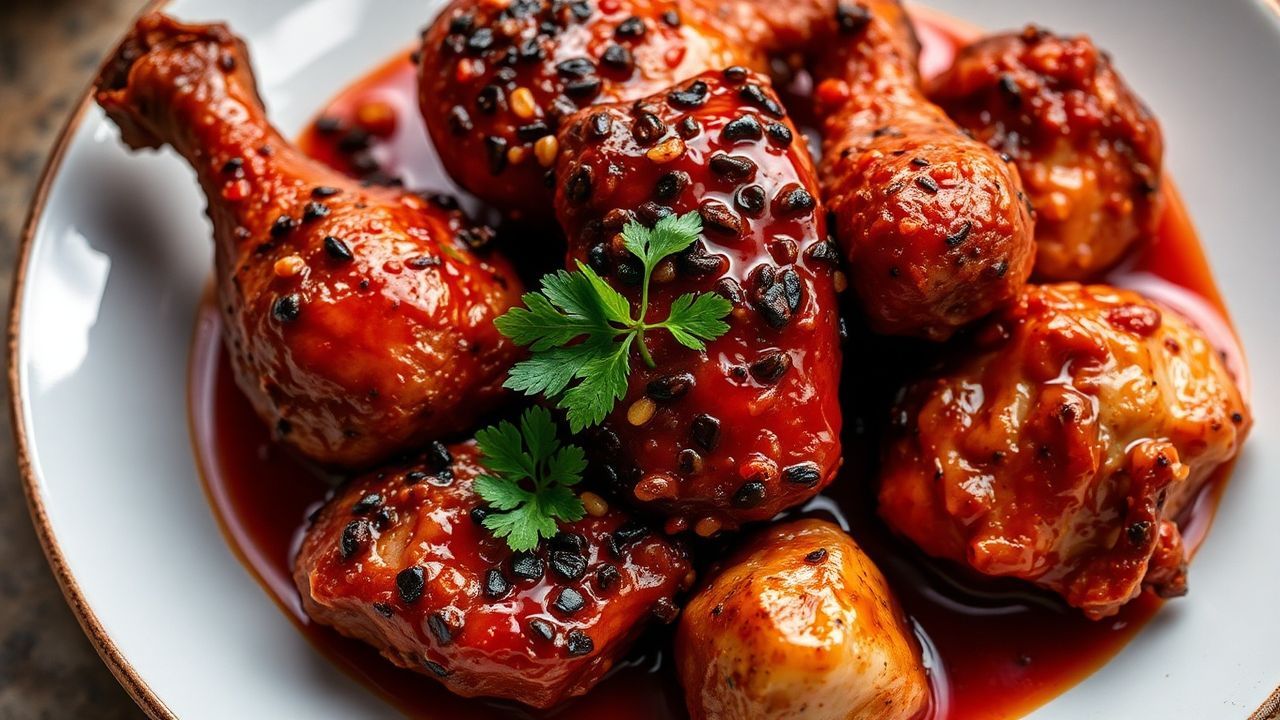

Imagine a plate before you, glistening with a deep, alluring crimson. The aroma, a complex dance of smoky heat, sweet undertones, and an earthy richness, promises an adventure for your palate. This is not just chicken; it’s a culinary statement, a vibrant testament to the ingenuity of Nigerian cuisine. Nigerian peppered chicken isn’t merely a dish; it’s an experience, a symphony of spice and succulence that captivates from the first bite. For those seeking a truly transformative meal, a flavor bomb that detonates with every mouthful, this is the undisputed champion.
- The Genesis of Nigerian Peppered Chicken: A Culinary Tapestry
- Deconstructing the Flavor Bomb: Key Ingredients and Their Roles
- The Spice Foundation: A Symphony of Heat and Aroma
- Aromatic Enhancers: The Nuance of Nigerian Spices
- The Savory Core: Chicken and Liquid Base
- The Proven Method: Crafting Nigerian Peppered Chicken from Scratch
- Nutritional Snapshot: Understanding the Goodness
- Expert Insights: Elevating Your Nigerian Peppered Chicken Game
- 💡 Expert Insight Expert Insight: The Importance of Frying the Pepper Paste
- ⚠️ Pro-Caution Pro-Caution: Managing the Heat
- Balancing the Flavors for Perfect Harmony
- Frequently Asked Questions
- Why is it called “Peppered Chicken”?
- What is the best way to serve Nigerian Peppered Chicken?
- Can I adjust the spice level?
- What are uziza seeds and ehu seeds, and can I substitute them?
- How long can I store leftover Nigerian Peppered Chicken?
Nigerian peppered chicken offers an unparalleled journey into the heart of West African flavor, proof of how simple ingredients, expertly handled, can create culinary magic.
This dish stands apart due to its intricate layering of spices and its unique cooking method, which ensures that each morsel is infused with an intense, unforgettable taste. It’s a dish born from necessity and perfected through generations, evolving into a celebratory centerpiece and a comforting staple. Unlike many Western-style spiced chicken preparations that rely on a singular heat source or a simple rub, Nigerian peppered chicken employs a more nuanced approach, building depth and complexity through a series of controlled steps. The result is a succulent, deeply flavorful chicken that is both fiery and incredibly moreish, leaving you craving more long after the last piece has vanished.
The Genesis of Nigerian Peppered Chicken: A Culinary Tapestry
The story of Nigerian peppered chicken is deeply intertwined with the agricultural bounty and rich cultural heritage of Nigeria. Historically, indigenous communities utilized a wide array of local peppers, herbs, and spices to preserve food and enhance its flavor. The development of this dish can be seen as a natural evolution of these practices, with regional variations reflecting the unique spice profiles available in different parts of the country. From the fiery habaneros of the south to the aromatic uziza leaves and ground uziza seeds, the ingredients tell a story of the land.
While precise historical documentation is scarce, culinary historians suggest that the “peppered” style, characterized by a robust, spicy sauce, likely gained prominence as trade routes expanded, introducing new chili varieties and spices. The method of slow-cooking or frying the chicken in its own juices and the rich pepper sauce is a technique designed to maximize flavor penetration and achieve a tender, succulent texture. This slow, deliberate approach is a hallmark of many traditional African cuisines, prioritizing depth of flavor over speed. Research into West African culinary traditions highlights the importance of slow-cooking and the skillful use of chilies in creating dishes that are not only palatable but also possess significant cultural and communal value. For instance, recent studies note that many traditional African stews and braises involve hours of simmering to tenderize tougher cuts of meat and meld complex spice profiles.
The cultural significance of Nigerian peppered chicken cannot be overstated. It is a dish often served at celebrations, family gatherings, and important events, symbolizing hospitality, joy, and abundance. Its presence on a table is an invitation to share, to connect, and to savor the collective experience of its bold flavors.
Deconstructing the Flavor Bomb: Key Ingredients and Their Roles
The magic of Nigerian peppered chicken lies in the intelligent synergy of its components. It’s not just about heat; it’s about a harmonious balance that tantalizes the taste buds and leaves a lingering, satisfying warmth.
The Spice Foundation: A Symphony of Heat and Aroma
At the heart of this dish is, of course, the pepper. However, it’s not a singular entity but a carefully curated blend:
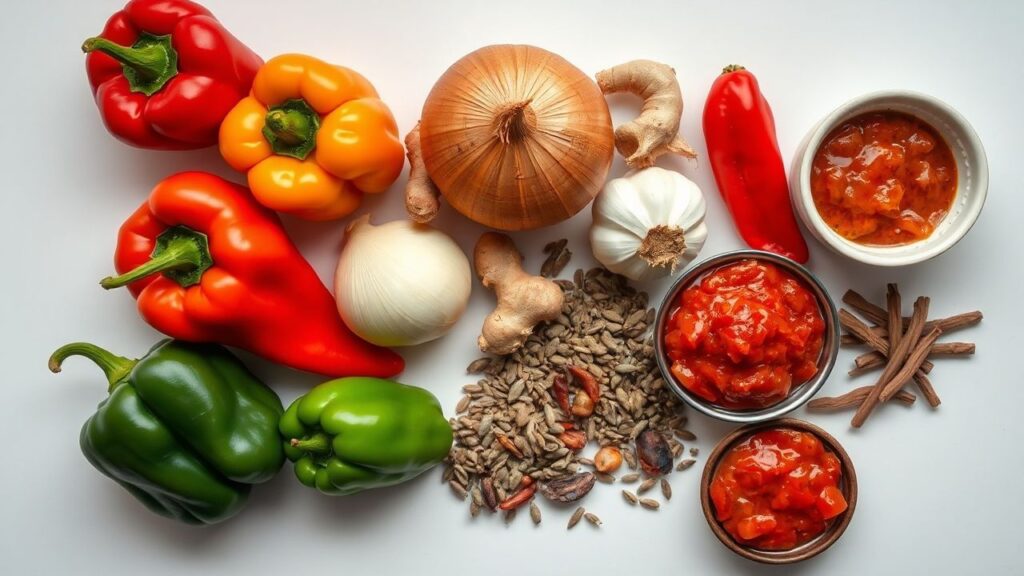
- Scotch Bonnet Peppers (or Habaneros): These are the stars, providing the primary heat and a distinctive fruity undertone. Their intensity is tempered by other ingredients, ensuring a pleasant burn rather than an overwhelming inferno.
- Ata Rodo (Nigerian Chili Peppers): Often a mix of local varieties, these contribute to the complex heat profile and earthy notes.
- Onions and Garlic: These aromatics form the savory backbone, providing sweetness and pungency that complement the chili heat.
- Ginger: Fresh ginger adds a zesty, slightly sweet warmth and a fragrant aroma that cuts through the richness.
Aromatic Enhancers: The Nuance of Nigerian Spices
Beyond the primary heat, a specific set of spices elevates Nigerian peppered chicken to extraordinary heights:
- Uziza Seeds (or Ground Uziza): These small, pungent seeds offer a unique peppery, slightly bitter, and aromatic flavor, reminiscent of black pepper but with a more complex profile. They are a defining characteristic of many Nigerian dishes.
- Uziza Leaves: When used fresh or dried, these leaves impart a distinct, slightly peppery, and anise-like aroma.
- Ehu Seeds (Calabash Nutmeg): These aromatic seeds, when roasted and ground, add a warm, nutty, and slightly sweet spice that rounds out the flavor profile. They are crucial for achieving that authentic Nigerian depth.
- Crayfish (Dried): This umami-rich ingredient adds a deep, savory, and slightly oceanic note that is indispensable. It’s a secret weapon for boosting the overall savoriness of the dish.
The Savory Core: Chicken and Liquid Base
- Chicken: Bone-in, skin-on pieces (thighs, drumsticks, wings) are preferred for their flavor and ability to remain moist during cooking. The bone and skin render fat, adding richness and depth to the sauce.
- Tomatoes and Bell Peppers: These provide a sweet, slightly acidic base for the sauce, balancing the heat and adding body. Red bell peppers, in particular, contribute sweetness and a vibrant color.
- Vegetable Oil: Used for sautéing and frying, it helps to meld the flavors and achieve a desirable texture.
- Seasoning Cubes (Maggi/Knorr): While optional, these are very commonly used in Nigerian cooking to enhance the savory notes and add a “umami” boost.
- Salt: To taste, to ensure all flavors are perfectly balanced.
The Proven Method: Crafting Nigerian Peppered Chicken from Scratch
Mastering Nigerian peppered chicken involves a deliberate process, moving beyond simple marination to a more involved cooking technique that builds layers of flavor.
Ingredients (Yields 4-6 servings)
- 2 lbs (approx. 1 kg) bone-in, skin-on chicken pieces (thighs, drumsticks, wings)
- 3-4 Scotch bonnet peppers, or to taste (seeds removed for less heat, finely chopped)
- 2-3 large red bell peppers, deseeded and roughly chopped
- 2 medium onions, one roughly chopped, one finely chopped
- 4-6 cloves garlic, minced
- 1-inch piece fresh ginger, peeled and grated
- 1 teaspoon ground uziza seeds (or crushed uziza seeds)
- 1/2 teaspoon ground ehu seeds (or ground calabash nutmeg)
- 1 tablespoon dried ground crayfish
- 1/2 cup tomato paste
- 1/4 cup vegetable oil
- 1-2 seasoning cubes (Maggi or Knorr), crushed (optional)
- Salt to taste
- Fresh uziza leaves, chopped (optional, for garnish)
Preparation Method: A Step-by-Step Journey
1. Pre-cook the Chicken: In a pot, combine the chicken pieces with the roughly chopped onion, a pinch of salt, and about 1/2 cup of water. Bring to a boil, then reduce heat, cover, and simmer for 15-20 minutes, or until partially cooked and tender. Drain the chicken, reserving the cooking liquid. This step helps to tenderize the chicken and create a flavorful broth.
2. Prepare the Pepper Base: In a blender or food processor, combine the Scotch bonnets, red bell peppers, and the remaining roughly chopped onion. Blend until you have a relatively smooth, thick paste.
3. Sauté the Aromatics: Heat the vegetable oil in a large, heavy-bottomed skillet or Dutch oven over medium heat. Add the finely chopped onion and sauté until softened and translucent, about 5-7 minutes. Add the minced garlic and grated ginger, stirring constantly for another minute until fragrant. Be careful not to burn the garlic.
4. Cook the Pepper Paste: Add the blended pepper mixture to the skillet. Stir well and cook for about 10-15 minutes, stirring frequently, until the sauce thickens and the oil begins to separate from the paste. This crucial step cooks out the raw taste of the peppers and deepens their flavor. Add the tomato paste and stir for another 2-3 minutes, allowing it to caramelize slightly.
5. Introduce the Spices: Stir in the ground uziza seeds, ground ehu seeds, and ground crayfish. If using, add the crushed seasoning cubes. Stir well to combine all the spices with the pepper base. Cook for another 2 minutes, allowing the aromas to bloom.
6. Combine and Simmer: Add the partially cooked chicken pieces to the skillet. Stir to coat each piece thoroughly with the pepper sauce. Pour in about 1/2 cup of the reserved chicken cooking liquid (or water, if insufficient). Bring to a simmer, then reduce heat to low, cover, and cook for 25-30 minutes, or until the chicken is fully cooked and tender, and the sauce has thickened to your desired consistency. Stir occasionally to prevent sticking.
7. Final Adjustments: Taste the sauce and adjust seasoning with salt as needed. If the sauce is too thick, add a splash more of the reserved chicken liquid or water. If it’s too thin, uncover and simmer for a few more minutes to reduce.
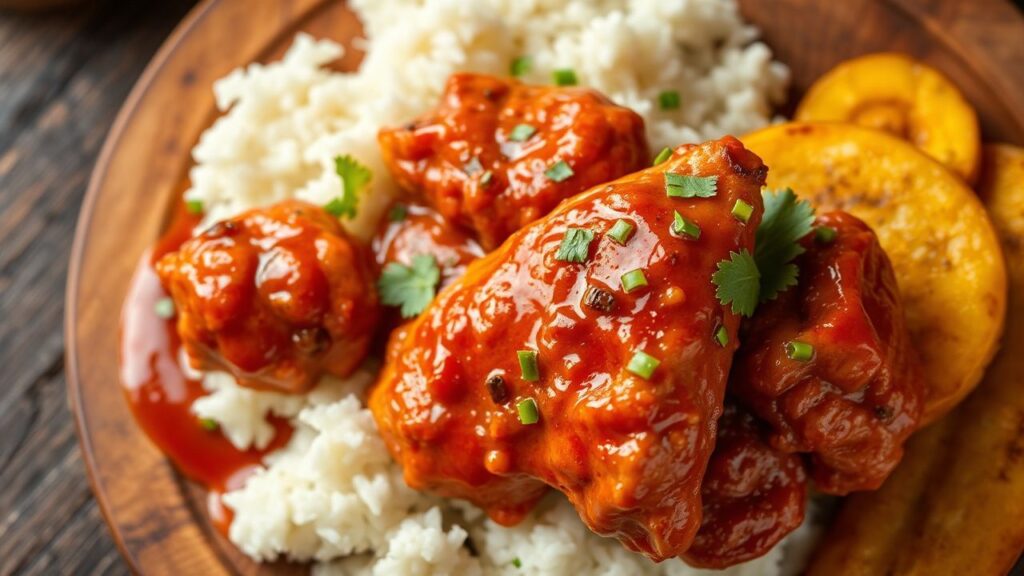
8. Serve: Garnish with fresh chopped uziza leaves, if desired. Nigerian peppered chicken is traditionally served hot with a variety of staples such as white rice, fried plantains, yam, or bread.
Nutritional Snapshot: Understanding the Goodness
While Nigerian peppered chicken is celebrated for its intense flavor, it’s also a source of essential nutrients. A typical serving (approximately 6 oz or 170g of chicken and sauce) offers a good balance of protein and varying levels of vitamins and minerals, depending on the specific preparation and cuts of chicken used.
- Protein: Chicken is an excellent source of lean protein, crucial for muscle repair and growth. A 6 oz serving can provide upwards of 30-40 grams of protein.
- Vitamins: The inclusion of bell peppers and tomatoes contributes Vitamin C, an antioxidant important for immune function. Scotch bonnets also contain Vitamin C and some Vitamin A.
- Minerals: Chicken provides essential minerals like phosphorus, selenium, and niacin.
- Capsaicin: The active compound in chili peppers, capsaicin, has been studied for its potential metabolic benefits. According to research, capsaicin may increase thermogenesis and fat oxidation, potentially aiding in weight management. However, it is crucial to note that these effects are generally modest and should not be considered a primary weight-loss strategy.
Disclaimer: Nutritional information is an estimate and can vary based on ingredients, portion sizes, and cooking methods. Consult a registered dietitian or nutritionist for personalized dietary advice.
Expert Insights: Elevating Your Nigerian Peppered Chicken Game
Achieving that truly authentic, restaurant-quality Nigerian peppered chicken requires a few nuanced touches and an understanding of the culinary philosophy behind it.
The true art of Nigerian peppered chicken lies not just in the heat, but in the slow, deliberate coaxing of deep, complex flavors from humble spices and peppers.
💡 Expert Insight
Expert Insight: The Importance of Frying the Pepper Paste
A common pitfall for home cooks is not frying the blended pepper and tomato paste mixture sufficiently. This step is absolutely critical. It’s where the raw, pungent notes of the peppers are mellowed, their sweetness is unlocked, and their flavors are concentrated. Aim for at least 10-15 minutes of active cooking, stirring frequently, until you see the oil separating. This creates a rich, glossy sauce that is the hallmark of an authentic dish. Don’t rush this phase; it’s the foundation of the flavor.
⚠️ Pro-Caution
Pro-Caution: Managing the Heat
Scotch bonnets are notoriously potent. While they are essential for the authentic flavor profile, their heat can be overwhelming for some. Always start with a smaller quantity than you think you’ll need, especially if you’re sensitive to spice. You can always add more, but you can’t easily take it away. Wear gloves when handling them to avoid skin irritation, and avoid touching your eyes. The seeds and the white pith inside the peppers carry the most heat; removing them will significantly reduce the spice level without sacrificing too much of the pepper’s unique flavor.
Balancing the Flavors for Perfect Harmony
The magic of this dish is its balance. The fiery heat of the chilies must be harmonized with sweetness, aromatics, and umami.
- Sweetness: The natural sugars in the bell peppers and onions, along with the slight caramelization of the tomato paste, provide essential sweetness to counter the heat.
- Aromatics: Ginger, garlic, and the unique Nigerian spices (uziza, ehu) add layers of fragrant complexity that prevent the dish from being one-dimensionally spicy.
- Umami: Dried crayfish is your secret weapon here. Its concentrated savory flavor adds depth and richness that makes the dish incredibly satisfying. Ensure you use good quality, dried crayfish.
- Acidity: While not a prominent ingredient, the slight acidity from the tomatoes and bell peppers helps to cut through the richness and balance the overall flavor profile.
While the skillet method described is classic, some variations involve lightly roasting or grilling the chicken *after* it has been coated in the pepper sauce. This adds a smoky dimension and a slightly crispy exterior. If you choose this route, ensure the chicken is already well-coated and partially cooked in the sauce before exposing it to higher, dry heat.
Frequently Asked Questions
Why is it called “Peppered Chicken”?
The name “peppered chicken” refers to the generous use of various types of peppers, especially chili peppers like Scotch bonnets, which form the core of the dish’s flavor and heat. It signifies a preparation where peppers are a dominant, defining ingredient.
What is the best way to serve Nigerian Peppered Chicken?
It is traditionally served hot as a main course. Popular accompaniments include plain white rice, fried plantains (dodo), boiled or fried yam, and sometimes a side of coleslaw or a simple salad to provide a cooling contrast to the heat. It’s also a fantastic appetizer served in smaller portions.
Can I adjust the spice level?
Absolutely. The spice level can be significantly adjusted by the number and type of chili peppers used. For a milder version, reduce the number of Scotch bonnets, remove their seeds and pith, or substitute some with milder chili peppers or paprika. For an even hotter dish, you can add more Scotch bonnets or even other types of super-hot peppers.
What are uziza seeds and ehu seeds, and can I substitute them?
Uziza seeds and ehu seeds are distinctively Nigerian spices. Uziza seeds offer a peppery, aromatic, slightly bitter flavor. Ehu seeds (calabash nutmeg) provide a warm, nutty, and sweet spice. While direct substitutes are difficult, you can approximate some of the flavor profile. For uziza, a blend of black pepper and a pinch of cubeb pepper might offer a similar peppery bite. For ehu, a tiny pinch of nutmeg and mace can provide a hint of their warmth, but the unique essence of these Nigerian spices is hard to replicate perfectly. It is highly recommended to source them from African or specialty spice stores for the most authentic results.
How long can I store leftover Nigerian Peppered Chicken?
Leftover Nigerian peppered chicken can be stored in an airtight container in the refrigerator for up to 3-4 days. The flavors often meld and deepen overnight, making it even more delicious the next day. Reheat gently on the stovetop or in the microwave, adding a splash of water or chicken broth if the sauce has thickened too much.
See also: nigerian peppered