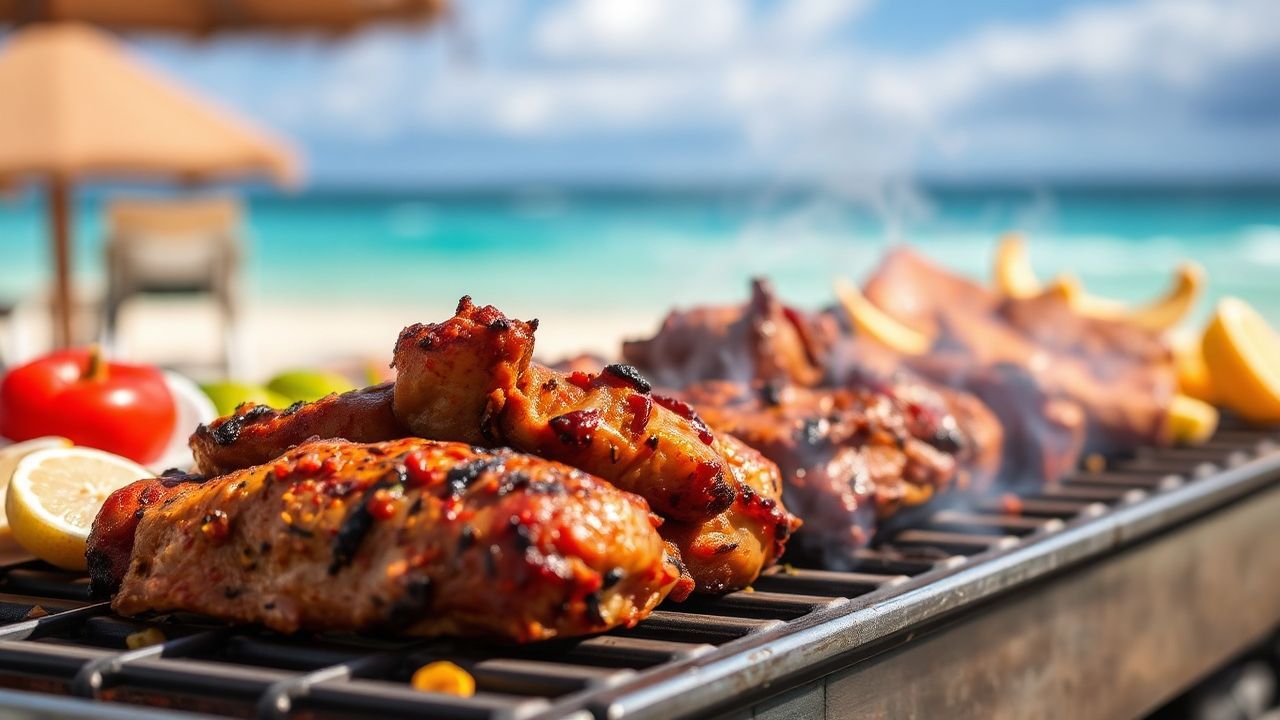

The aroma of spices, the sizzle of grilled meats, the vibrant colors of fresh produce – these are the sensory hallmarks of a true Caribbean cookout. It’s more than just a meal; it’s a celebration of culture, community, and the sun-drenched bounty of the islands. For many, the idea conjures images of impossibly tender jerk chicken, succulent grilled fish, and an array of side dishes bursting with tropical sweetness and savory depth. But crafting an authentic and unforgettable Caribbean cookout menu requires more than just throwing some ingredients on the grill. It demands an understanding of the region’s diverse culinary heritage, a respect for traditional techniques, and a passion for showcasing the vibrant flavors that make this cuisine so beloved worldwide.
- The Soul of the Caribbean Cookout: Understanding Key Flavors and Ingredients
- Crafting Your Caribbean Cookout Menu: A Symphony of Savory and Sweet
- The Main Event: Proteins That Sing
- Side Dishes: The Supporting Cast That Steals the Show
- Appetizers and Snacks: Setting the Stage
- Desserts: A Sweet Finale
- Mastering the Grill: Tips for an Authentic Caribbean Cookout Experience
- Nutritional Insights and Considerations
- Frequently Asked Questions
- What are the absolute must-have dishes for a Caribbean cookout?
- How far in advance can I prepare components of a Caribbean cookout?
- What are the best non-alcoholic drink options for a Caribbean cookout?
- How can I manage the heat from Scotch bonnet peppers for guests who are sensitive?
- What are some tips for grilling fish at a Caribbean cookout?
“Food is a journey, and the Caribbean offers a passport to a world of unparalleled taste and tradition.” – Renowned Culinary Historian, Dr. Anya Sharma
This guide is designed to equip you with the knowledge and inspiration to host a spectacular Caribbean cookout, whether you’re a seasoned chef or a curious home cook. We’ll explore the essential components of a well-rounded menu, iconic dishes, and offer practical tips to ensure your feast is a resounding success, resonating with the warmth and spirit of the islands.
The Soul of the Caribbean Cookout: Understanding Key Flavors and Ingredients
At the heart of any Caribbean cookout lies a distinct flavor profile, a harmonious blend of influences that have shaped the region’s cuisine over centuries. These influences, primarily from African, European, Indigenous Caribbean, and Indian traditions, have coalesced into a unique culinary tapestry.
Key ingredients form the foundation of this vibrant flavor. Scotch bonnet peppers are paramount, lending their characteristic fiery heat and fruity undertones to countless marinades and sauces. Research suggests their unique capsaicinoids contribute to both heat and flavor complexity. The omnipresent allspice, often referred to as “pimento,” infuses dishes with a warm, complex aroma reminiscent of cloves, cinnamon, and nutmeg. Fresh herbs like thyme, scallions (green onions), and cilantro provide aromatic freshness, while ginger and garlic form a pungent, savory base. Tropical fruits such as mangoes, pineapples, and plantains are not only sweet treats but also integral components in marinades, relishes, and side dishes, offering a delightful counterpoint to the heat. Coconut milk, in its various forms, adds richness and a subtle sweetness, appearing in curries, rice dishes, and desserts.
Caribbean cuisine is proof of the power of fusion, where history and geography have conspired to create a truly unique and delicious culinary landscape.
The cooking methods themselves are integral to the cookout experience. Grilling, or “jerk-style” cooking over pimento wood, is iconic. However, slow simmering, braising, and frying also play significant roles, often resulting in dishes that are deeply flavorful and incredibly tender. The emphasis is always on fresh, local ingredients, prepared with love and a generous spirit.
Key Takeaways:
- A Caribbean cookout is a cultural celebration centered around vibrant flavors and community.
- Key ingredients include Scotch bonnet peppers, allspice, thyme, ginger, garlic, and tropical fruits.
- Traditional cooking methods like grilling (jerk-style), slow simmering, and braising are essential.
- The cuisine is a rich fusion of African, European, Indigenous Caribbean, and Indian influences.
Crafting Your Caribbean Cookout Menu: A Symphony of Savory and Sweet
A truly exceptional Caribbean cookout menu is a balanced affair, offering a diverse range of textures and tastes that cater to every palate. It’s about creating a culinary journey that begins with enticing appetizers and culminates in satisfying desserts.
The Main Event: Proteins That Sing
The centerpiece of any cookout is, of course, the protein. For a Caribbean-inspired feast, this means embracing the bold flavors and succulent textures that define island grilling.
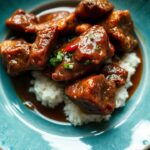
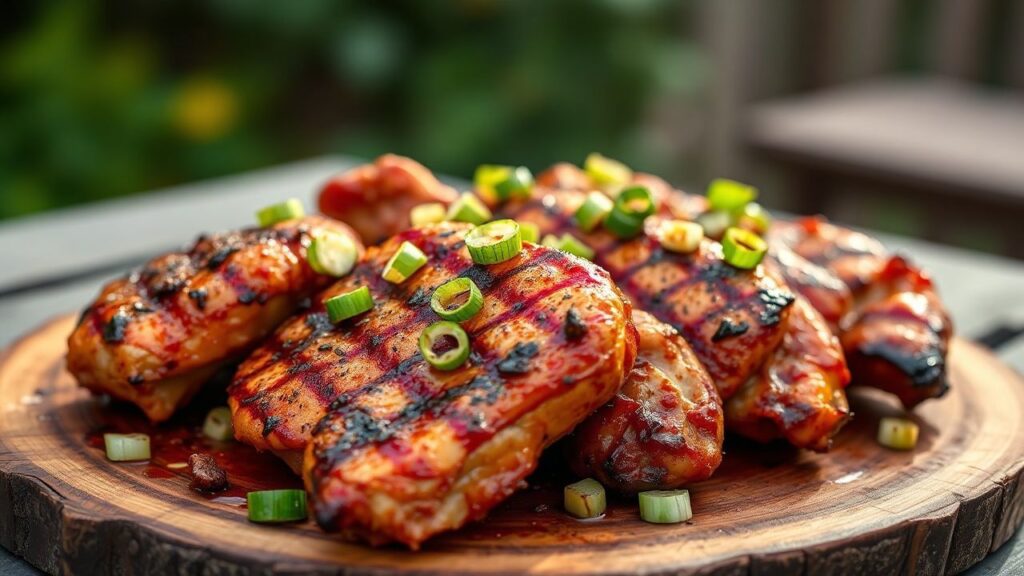
- Jerk Chicken: The undisputed king of Caribbean grilled meats. Authentic jerk chicken involves marinating chicken pieces (often bone-in thighs and drumsticks for maximum flavor and moisture) in a potent blend of Scotch bonnet peppers, scallions, thyme, allspice, ginger, garlic, and soy sauce or browning sauce. Traditionally, it’s slow-cooked over pimento wood, which imparts a distinctive smoky, aromatic flavor. For home cooks, grilling over medium-high heat, or even finishing in a hot oven, can yield excellent results. The key is the marinade – allow at least 4-6 hours, or preferably overnight, for the flavors to deeply penetrate the meat.
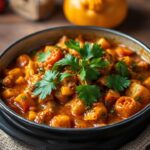
- Curried Goat or Lamb: While not strictly a grilling item, a slow-cooked curry is an indispensable part of many Caribbean gatherings and a fantastic complement to grilled dishes. Tender pieces of goat or lamb are simmered in a fragrant curry sauce infused with curry powder, turmeric, cumin, coriander, ginger, garlic, Scotch bonnet pepper, and coconut milk. The slow cooking process renders the meat incredibly tender and allows the complex spices to meld beautifully. Serve this with fluffy rice and peas.
- Grilled Fish with Escovitch Sauce: Fresh seafood is a natural fit for a Caribbean cookout. Whole snapper, mahi-mahi, or kingfish are excellent choices. Marinate the fish with lime juice, garlic, thyme, and a touch of Scotch bonnet before grilling until flaky and moist. The star accompaniment is the escovitch sauce, a vibrant, tangy relish made with thinly sliced onions, bell peppers, carrots, and Scotch bonnet peppers, all pickled in a vinegar-based brine with pimento seeds. This bright, acidic sauce cuts through the richness of the fish beautifully.
- BBQ Ribs with a Tropical Twist: While not traditionally Caribbean, ribs can be given an island makeover. A marinade featuring pineapple juice, soy sauce, ginger, garlic, and a hint of Scotch bonnet can create a wonderfully sticky and flavorful glaze. Slow-roast or grill them until they are fall-off-the-bone tender.
Side Dishes: The Supporting Cast That Steals the Show
The sides are where the true depth and diversity of Caribbean cuisine shine. They offer a delightful contrast to the main proteins and provide a spectrum of flavors and textures.
- Rice and Peas: A quintessential Caribbean staple. Long-grain rice is simmered with kidney beans (or pigeon peas), coconut milk, thyme, garlic, and a whole Scotch bonnet pepper (added for aroma and subtle heat, then removed). This dish is creamy, fragrant, and incredibly satisfying.
- Fried Plantains (Maduros): Sweet, ripe plantains are sliced and fried until golden brown and caramelized. Their inherent sweetness provides a perfect counterpoint to spicy or savory main dishes.
- Callaloo: A rich, flavorful dish made from the leaves of the taro plant (or spinach as a substitute), simmered with coconut milk, okra, onions, garlic, thyme, and often a small piece of salted meat or smoked turkey for added depth. It’s a hearty, nutrient-dense side with a unique, earthy flavor.
- Macaroni Pie (Mac and Cheese): A beloved comfort food across the islands. Elbow macaroni is baked in a creamy, cheesy sauce, often enriched with evaporated milk and a hint of nutmeg or mustard powder. It’s a crowd-pleaser that adds a comforting element to the meal.
- Corn on the Cob: Grilled or boiled corn is a simple yet effective addition. Consider basting it with a spiced butter (garlic, thyme, a pinch of cayenne) for an extra flavor boost.
- Fresh Green Salad with Mango-Lime Dressing: A refreshing counterpoint to the richer dishes. Mixed greens, cucumber, tomatoes, and red onion tossed with a vibrant dressing made from lime juice, olive oil, pureed mango, and a hint of honey.
Appetizers and Snacks: Setting the Stage
Before the main course, offer a few small bites to whet the appetite.
- Bammy: A dense, flatbread made from grated cassava, often served toasted or fried and typically accompanied by a spicy pickle or a side of fish.
- Saltfish Fritters (Stamp and Go): Savory fritters made with rehydrated salt cod, flour, herbs, and spices, deep-fried until golden and crispy. They are addictive and bursting with flavor.
- Fruit Platter: A colorful arrangement of fresh tropical fruits like pineapple, papaya, melon, and star fruit provides a light and refreshing start.
Desserts: A Sweet Finale
No Caribbean feast is complete without a sweet ending.
- Rum Cake: A rich, moist cake infused with dark rum and often glazed with a rum syrup. It’s a decadent treat that perfectly caps off a hearty meal.
- Sweet Potato Pudding: A comforting, spiced pudding made from grated sweet potatoes, coconut milk, sugar, and a blend of warming spices like cinnamon and nutmeg.
- Fresh Fruit with Coconut Cream: Simple, yet elegant. Sliced tropical fruits served with a dollop of sweetened coconut cream is a light and healthy option.
Mastering the Grill: Tips for an Authentic Caribbean Cookout Experience
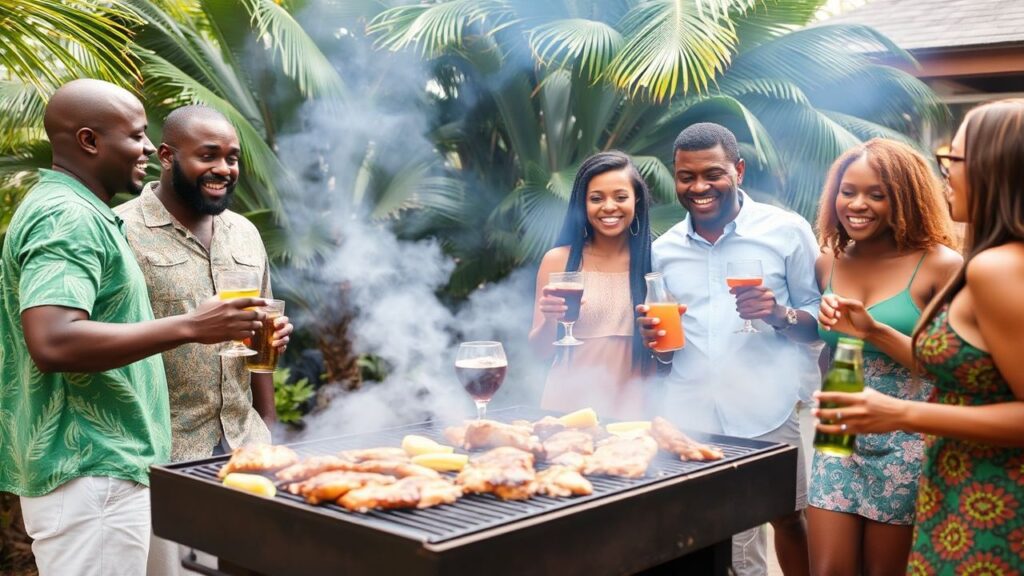
The grill is the beating heart of a Caribbean cookout. Achieving that signature smoky flavor and perfectly cooked protein requires attention to detail and a few expert techniques.
Essential Techniques for Grill Mastery:
1. Marination is Key: As mentioned, proper marination is non-negotiable for achieving deep flavor in meats like jerk chicken. Allow at least 4-6 hours, and ideally overnight, for the marinade to work its magic. For fish, a shorter marination of 30-60 minutes is usually sufficient to prevent the acid from “cooking” the fish.
2. Control Your Heat: Caribbean grilling often involves a combination of direct and indirect heat. For searing meats, a hot direct flame is ideal. For slower cooking, especially for larger cuts or when you want to impart smoky flavor without burning, move the food to an indirect heat zone. This is particularly crucial for jerk chicken, where slow cooking over low, smoky heat is paramount.
3. The Power of Pimento Wood (if available): For the most authentic jerk flavor, using pimento wood (allspice wood) is traditional. If you can source it, soak the wood chips or chunks before adding them to your coals for a unique aromatic smoke. If not, a good quality charcoal and patience will still yield delicious results.
4. Don’t Crowd the Grill: Give your ingredients space. Overcrowding can lead to uneven cooking and steaming rather than grilling. Cook in batches if necessary.
5. Rest Your Proteins: After grilling, allow meats and fish to rest for 5-10 minutes before serving. This allows the juices to redistribute, resulting in more tender and moist food.
6. Embrace the Char: A little char on your grilled items is not only desirable for flavor but also visually appealing. Don’t be afraid of a few dark, caramelized edges – they are often the most flavorful parts.
7. Prep Your Sides in Advance: Many side dishes, like rice and peas, callaloo, and macaroni pie, can be prepared partially or entirely in advance, allowing you to focus on grilling when your guests arrive. Reheat them gently before serving.
8. Presentation Matters: Arrange your food attractively on platters. Garnish with fresh herbs, sliced fruits, or a sprinkle of toasted coconut flakes to enhance the visual appeal. The vibrant colors of Caribbean cuisine are a feast for the eyes as well as the palate.
Nutritional Insights and Considerations
While Caribbean cuisine is celebrated for its bold flavors, it’s also possible to create a balanced and relatively healthy cookout menu. Many dishes rely on fresh produce, lean proteins, and healthy fats like coconut milk.
- Portion Control: Be mindful of portion sizes, especially with richer dishes like curried goat and macaroni pie.
- Lean Proteins: Opt for grilled fish, chicken breast (skinless), or lean cuts of pork when possible.
- Healthy Fats: Coconut milk, while calorie-dense, provides medium-chain triglycerides (MCTs) which are metabolized differently than other fats. Moderation is key.
- Fiber-Rich Sides: Rice and peas, callaloo, and plenty of fresh fruits and vegetables contribute essential fiber, vitamins, and minerals.
- Spice for Metabolism: Research suggests that the capsaicin in Scotch bonnet peppers may have a slight thermogenic effect, potentially contributing to increased metabolism and fat oxidation. While the direct impact on a full meal’s metabolism is complex, it adds to the overall health-conscious aspect of enjoying these flavors.
- Hydration: Offer plenty of refreshing beverages like natural fruit juices, coconut water, and infused water. Limit sugary drinks.
When planning your menu, consider offering a variety of protein options and ensuring there are ample vegetable-based sides to balance the richer dishes. The natural sweetness of fruits can often satisfy dessert cravings without the need for overly processed sweets.
Frequently Asked Questions
What are the absolute must-have dishes for a Caribbean cookout?
While regional variations exist, a truly essential Caribbean cookout menu typically includes jerk chicken as the star protein. Alongside this, rice and peas, fried plantains, and a fresh, vibrant salad are highly recommended. A flavorful side like callaloo or macaroni pie would further solidify the authentic experience.
How far in advance can I prepare components of a Caribbean cookout?
Many elements can be prepared ahead of time. Marinades for meats can be made a day or two in advance. Rice and peas can be cooked the day before and gently reheated. Callaloo also benefits from being made ahead, as flavors meld. Macaroni pie can be assembled and baked just before serving, or baked and then reheated. Escovitch vegetables can be pickled a day or two ahead. Focus on prepping marinades and cooking grains and stews in advance to free up your time for grilling on the day of the event.
What are the best non-alcoholic drink options for a Caribbean cookout?
Refreshing options abound! Natural fruit juices such as pineapple, mango, and passion fruit are excellent. Coconut water is incredibly hydrating and a staple across the islands. Sorrel drink, a tart and refreshing beverage made from dried sorrel flowers, ginger, and spices, is a traditional favorite. You can also offer infused water with mint, cucumber, or citrus fruits.
How can I manage the heat from Scotch bonnet peppers for guests who are sensitive?
The heat of Scotch bonnets can be formidable. To manage this, use them strategically – add them whole to marinades or stews and remove them before serving, allowing their flavor to infuse without overwhelming heat. Offer escovitch sauce and pepper sauces on the side, allowing guests to add heat to their own plates. Alternatively, you can make a milder version of a dish by using fewer peppers or removing the seeds and membranes, which contain most of the capsaicin. Always clearly label spicy items.
What are some tips for grilling fish at a Caribbean cookout?
When grilling fish, opt for sturdy, firm-fleshed fish like snapper, mahi-mahi, or barracuda. Pat the fish dry thoroughly before grilling to ensure a good sear and prevent sticking. Lightly oil the grill grates and the fish itself. For whole fish, score the skin to promote even cooking. Don’t overcook; fish is done when it flakes easily with a fork. Consider grilling fish steaks or fillets for quicker cooking times.
See also: caribbean cookout