
“The greatest meals are those that tell a story, weaving together tradition, flavour, and the warmth of home.” – Unknown Chef
- What kind of peas are traditionally used in authentic Caribbean Rice and Peas?
- Can I use canned peas instead of dried peas for authentic Caribbean Rice and Peas?
- How do I adjust the spice level of authentic Caribbean Rice and Peas?
- My authentic Caribbean Rice and Peas came out mushy. What went wrong?
- Can I make authentic Caribbean Rice and Peas ahead of time?
Authentic Caribbean Rice and Peas is far more than just a side dish; it’s the soulful heart of countless Caribbean meals, a culinary cornerstone that evokes memories of family gatherings, festive celebrations, and the everyday comfort of home. Its rich, creamy texture and subtly sweet, savory aroma are instantly recognizable and deeply cherished across the islands. While the core ingredients—rice, peas, coconut milk, and aromatics—remain constant, the nuances in preparation and the quality of ingredients can transform a good dish into an unforgettable experience. This guide aims to demystify the process, offering an expert’s perspective on achieving that perfect, authentic flavour, with a particular focus on the transformative power of coconut milk.
Key Takeaways
- The choice of coconut milk is paramount, with full-fat canned options yielding the richest results for authentic Caribbean Rice and Peas.
- Properly toasting the rice before adding liquid is a crucial step that enhances texture and prevents sogginess.
- Aromatic additions like thyme, scotch bonnet pepper, and garlic are non-negotiable for achieving genuine Caribbean depth of flavour.
- Patience during the simmering process is key; allowing the rice to steam undisturbed ensures even cooking and perfect fluffiness.
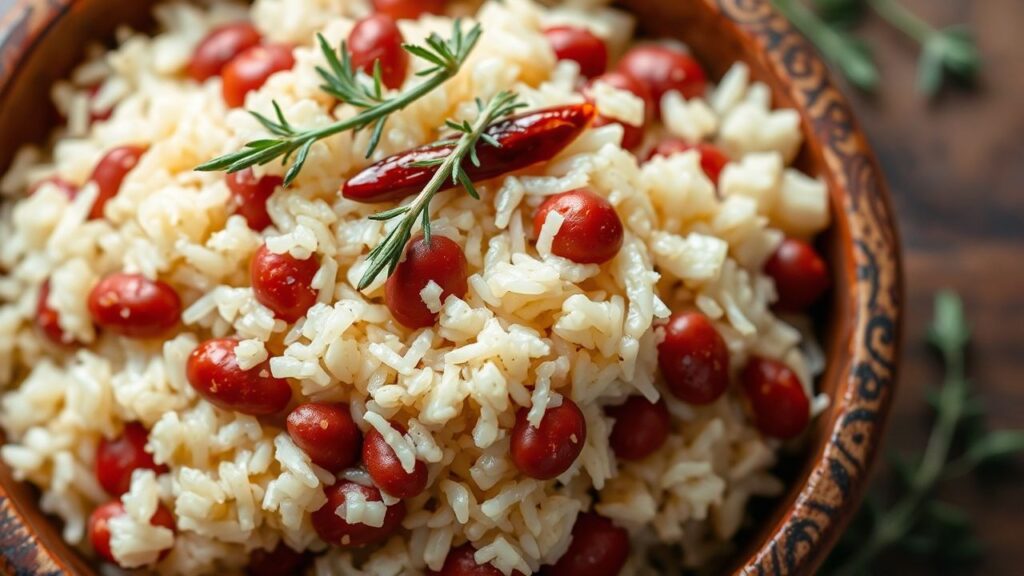
Rice and Peas, as it’s known throughout the Anglophone Caribbean, is a dish deeply rooted in history and culture. The “peas” traditionally refer to dried pigeon peas (gungo peas in Jamaica) or kidney beans, which are slow-cooked to tenderness before being combined with rice. The dish’s signature creaminess and subtle sweetness are derived from coconut milk, a staple ingredient in tropical cuisines worldwide. The inclusion of aromatics like scallions, garlic, thyme, and the indispensable scotch bonnet pepper imparts a fragrant complexity that elevates it beyond mere sustenance. It’s a dish that embodies simplicity and elegance, proof of the resourcefulness and culinary ingenuity of Caribbean peoples. Research suggests that the combination of rice and legumes, like peas, has been a dietary staple in many cultures for centuries, offering a complete protein source and sustained energy, which was vital for agricultural societies.
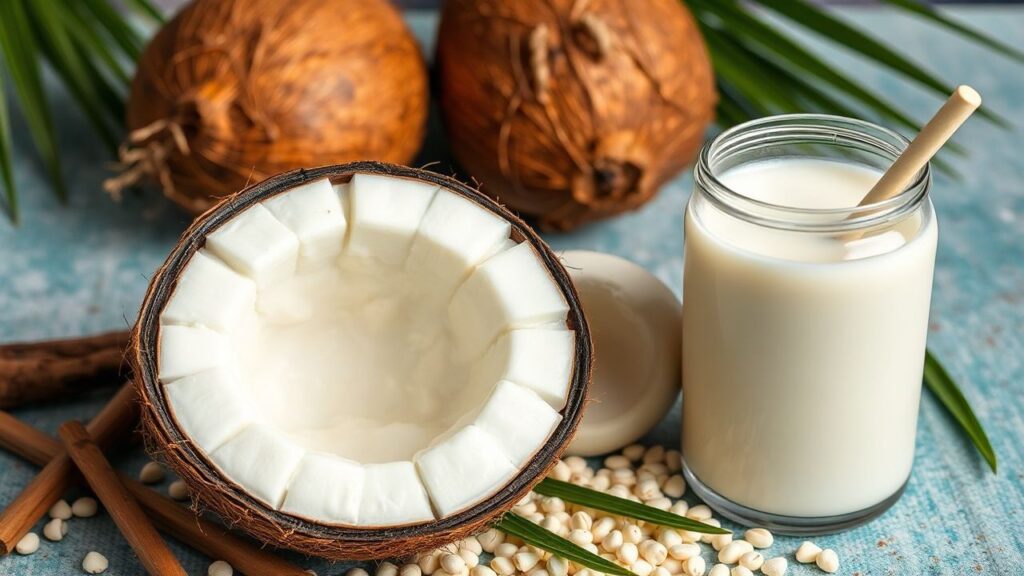
Coconut milk is, without question, the soul of authentic Caribbean Rice and Peas. Its creamy richness and subtle tropical sweetness are what define the dish. However, not all coconut milk is created equal, and the type you choose can significantly impact the final outcome. For the most authentic and decadent result, opt for full-fat canned coconut milk. These products contain a higher percentage of coconut solids, offering a superior creaminess and a more profound flavour. Light coconut milk or coconut milk beverages, which are often diluted with water, will produce a thinner, less flavourful dish and should generally be avoided for this recipe.
When using canned coconut milk, it’s advisable to shake the can vigorously before opening, or even better, to refrigerate it overnight. This allows the cream to separate from the water, enabling you to scoop out the thick cream for sautéing aromatics and then add the remaining liquid. This technique builds an even deeper flavour base. Some recipes call for using freshly grated coconut, extracting the milk at home. While this offers an unparalleled freshness, it is a more labor-intensive process. For home cooks seeking convenience without sacrificing quality, high-quality canned full-fat coconut milk is the undisputed champion. According to the Coconut Development Board of India, full-fat coconut milk typically contains between 17-20% fat content, which is crucial for achieving the characteristic mouthfeel and flavour profile of traditional Caribbean dishes.
Before the rice even enters the pot, the foundation of flavour must be meticulously laid. This begins with the “peas.” If using dried pigeon peas or kidney beans, they must be soaked overnight and then boiled until tender. This process can take several hours, so planning ahead is essential. Some cooks prefer to boil the peas with a bay leaf or a small piece of onion for added depth. Once tender, the peas are drained, reserving some of their cooking liquid.
Simultaneously, the aromatic symphony begins. Finely chopped onions, garlic, and scallions are gently sautéed in a pot, typically with a bit of oil or rendered fat. This initial sautéing releases their fragrant oils and softens their pungent bite, preparing them to infuse the entire dish. This is also the stage where the all-important thyme sprigs and the scotch bonnet pepper are introduced. The scotch bonnet, a pepper renowned for its fruity aroma and intense heat, should be handled with care. For a milder flavour and to avoid overwhelming the dish with spice, the pepper can be added whole and removed before serving, or pierced to allow its essence to permeate the dish without dispensing its full fiery potential.
The rice itself requires careful preparation. The traditional method for authentic Caribbean Rice and Peas involves toasting the rice. After rinsing the rice thoroughly under cold water until the water runs clear, it is added to the pot with the sautéed aromatics and peas. Stirring the rice for a few minutes over medium heat allows each grain to become lightly coated in the fragrant oil and toasting slightly. This step is critical; it helps to firm up the starch granules, preventing the rice from becoming mushy and ensuring that each grain remains distinct and fluffy after cooking.
Once toasted, the liquid is added. This liquid is typically a combination of the reserved pea-cooking water and fresh coconut milk. The ratio of liquid to rice is crucial for achieving the perfect consistency. A general guideline is 1.5 to 2 parts liquid to 1 part rice, but this can vary depending on the type of rice and the desired texture. Some cooks also add a splash of water if the coconut milk is particularly thick. Once the liquid comes to a boil, the heat is reduced to the lowest setting, the pot is tightly covered, and the rice is left to simmer undisturbed. This slow steaming process allows the rice to absorb the liquid and cook evenly, creating that signature creamy texture without becoming waterlogged.
Elevating your authentic Caribbean Rice and Peas from good to exceptional involves a few nuanced techniques that seasoned cooks swear by. The first, as mentioned, is the toasting of the rice. This simple step, often overlooked by beginners, is fundamental to achieving that desirable fluffy yet creamy texture. Secondly, the quality and quantity of coconut milk are paramount. Don’t skimp here; the richness it imparts is irreplaceable. Using full-fat, high-quality canned coconut milk is your best bet for achieving that authentic depth.
Another critical element is the simmering process. Once the rice is covered and the heat is reduced, resist the urge to lift the lid frequently. Each time the lid is removed, precious steam escapes, disrupting the cooking process and potentially leading to unevenly cooked rice. Allow the rice to steam undisturbed for at least 20-25 minutes. A good indicator that the rice is cooked is when most of the liquid has been absorbed and the grains are tender.
Finally, the resting period is non-negotiable. Once the rice is cooked, remove it from the heat and let it sit, still covered, for another 10-15 minutes. This allows the residual steam to finish cooking the grains and for the flavours to meld beautifully. Before serving, gently fluff the rice with a fork, incorporating the peas and ensuring an even distribution of flavour.
Rice and Peas is a dish woven into the fabric of Caribbean identity. It’s a staple at Sunday dinners, a comforting presence at wakes and funerals, and a celebratory dish during Christmas and other holidays. Its adaptability also means it graces tables across various islands, with subtle regional variations. In Jamaica, pigeon peas are often favoured, while in Trinidad and Tobago, kidney beans are more common. The spice level can range from a gentle whisper of heat to a fiery inferno, depending on individual preference and tradition. Some households might add a touch of browning sauce for colour and a deeper flavour, while others might incorporate a small piece of salted pigtail or ham hock during the initial cooking of the peas for an added layer of savory complexity.
A study published in the journal *Food & Nutrition Sciences* highlighted how traditional dishes like Rice and Peas often represent a fusion of culinary influences, reflecting historical trade routes and cultural exchanges. In this case, the influence of African culinary traditions, particularly in the use of legumes and coconut, is evident. The way rice is prepared—often steamed until fluffy—also shows influences from various global rice-cooking techniques.
My own experience learning to make authentic Caribbean Rice and Peas involved spending time with my Aunt Carol, a formidable cook from Montego Bay, Jamaica. She would always insist on using dried red kidney beans, soaking them overnight in filtered water. Her secret, she’d say with a twinkle in her eye, was in the “wash” of the coconut milk. She’d use full-fat canned milk, but before adding it, she’d scoop out the thick cream and sauté her onions, garlic, and thyme in that first, building an incredible aromatic base. She’d then add the remaining milk and water, along with the drained kidney beans, bringing it to a simmer before adding her well-rinsed rice. The final touch, before covering to steam, was tucking a whole, un-pierced scotch bonnet pepper into the mixture. The resulting dish was impossibly creamy, fragrant, and possessed a gentle warmth that never overpowered.
This hands-on experience solidified my understanding of the critical role of each step.
While often perceived primarily as a carbohydrate-rich dish, authentic Caribbean Rice and Peas offers a more balanced nutritional profile than many might assume, especially when prepared with care. The combination of rice and peas provides a good source of complex carbohydrates for sustained energy and is a valuable source of plant-based protein and dietary fiber from the legumes. The fiber content is particularly beneficial for digestive health.
Coconut milk, while contributing to the dish’s rich flavour and texture, also adds medium-chain triglycerides (MCTs), a type of fat that is metabolized differently by the body and can be a source of quick energy. However, due to its fat content, portion control is advisable for those monitoring their fat intake. Depending on the peas used, the dish can also be a source of essential minerals such as iron, magnesium, and potassium.
For instance, a typical serving of authentic Caribbean Rice and Peas (approximately 1 cup) made with kidney beans and full-fat coconut milk can contain around:
- Calories: 300-400
- Carbohydrates: 50-60g
- Protein: 8-12g
- Fat: 10-15g
- Fiber: 5-8g
Keep in mind that these figures are estimates and can vary significantly based on the exact proportions of ingredients, the type of rice and peas used, and the fat content of the coconut milk.
What kind of peas are traditionally used in authentic Caribbean Rice and Peas?
Traditionally, dried pigeon peas (also known as gungo peas in some regions like Jamaica) or dried red kidney beans are used. The choice often depends on regional preference and availability. Both yield a delicious and authentic result.
Can I use canned peas instead of dried peas for authentic Caribbean Rice and Peas?
While canned peas are convenient, they lack the texture and depth of flavour that dried peas provide after slow cooking. For truly authentic Caribbean Rice and Peas, it is highly recommended to use dried peas and soak them overnight before cooking.
How do I adjust the spice level of authentic Caribbean Rice and Peas?
The scotch bonnet pepper is key to the authentic flavour. To control the heat, you can add it whole and remove it before serving, or pierce it a few times to release less spice. For a very mild version, you can omit the pepper entirely, though this will alter the traditional flavour profile.
My authentic Caribbean Rice and Peas came out mushy. What went wrong?
Mushy rice and peas often result from using too much liquid, not toasting the rice properly, or lifting the lid too often during simmering. Ensure you’re using the correct liquid-to-rice ratio, toast the rice well, and allow it to steam undisturbed. Resting the rice after cooking also helps it firm up.
Can I make authentic Caribbean Rice and Peas ahead of time?
Yes, authentic Caribbean Rice and Peas can be made a day in advance. It often tastes even better the next day as the flavours have had more time to meld. Reheat gently on the stovetop with a splash of water or coconut milk to restore moisture and creaminess.
See also: authentic caribbean