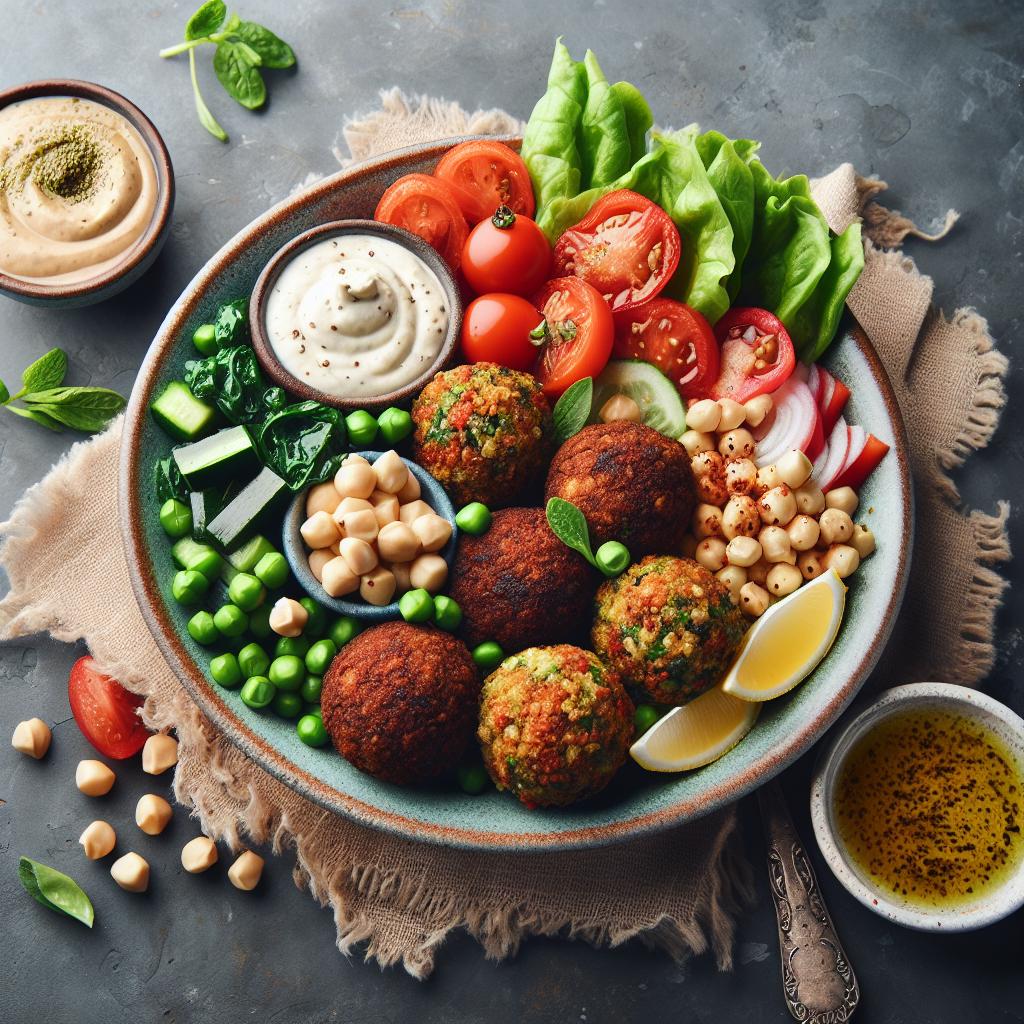

In the vibrant tapestry of Middle Eastern cuisine, few dishes evoke as much passion and pride as falafel and tahini. These humble ingredients-crisp, golden falafel balls paired with silky, nutty tahini sauce-are more than just food; they are a celebration of history, culture, and flavor. Together, they create a symphony of textures and tastes that have captivated palates around the world. This article delves into the origins, culinary artistry, and enduring appeal of falafel and tahini, uncovering why their fusion remains an irresistible staple on tables from bustling city streets to home kitchens everywhere.
Falafel & Tahini: A Perfect Fusion of Flavor and Tradition
Falafel & Tahini: A Perfect Fusion of Flavor and Tradition represents more than just a meal-it is a vibrant celebration of Middle Eastern heritage and culinary artistry. Originating centuries ago, falafel embodies the rich tapestry of Levantine culture, while tahini, a creamy sesame seed paste, complements it with nutty depth and velvety texture. Together, they create a harmonious dish that invites both novice cooks and seasoned chefs to explore bold flavors and traditional techniques. This guide will lead you through crafting falafel with perfect, golden-crisp exteriors and tender, herbaceous interiors, paired with luscious tahini sauces that elevate every bite.
Prep and Cook Time
- Preparation: 20 minutes (plus soaking time for chickpeas)
- Cooking: 10-12 minutes
- Total Time: Approximately 1 hour (including chickpea soaking)
Yield
Serves 4-6 hungry guests
Difficulty Level
Medium – Perfect for cooks ready to hone their technique and achieve authentic texture.
Ingredients
- For the Falafel:
- 1 cup dried chickpeas, soaked overnight and drained
- 1 small onion, roughly chopped
- 3 cloves garlic
- 1 cup fresh parsley leaves
- 1 cup fresh cilantro leaves
- 1 tsp ground cumin
- 1 tsp ground coriander
- ½ tsp cayenne pepper (optional for heat)
- 1 tsp kosher salt
- ½ tsp baking soda
- 4 tbsp all-purpose flour
- Vegetable oil for frying
- For the Tahini Sauce:
- ½ cup tahini (sesame paste)
- ¼ cup fresh lemon juice
- 2 cloves garlic, minced
- ¼ tsp salt
- ¼ to ½ cup cold water, to thin
- 1 tbsp olive oil (optional, for richness)
Instructions
- Prepare the falafel mixture: In a food processor, pulse the soaked chickpeas until coarsely ground-avoid over-processing into a paste, as texture is key. Add the onion, garlic, parsley, cilantro, cumin, coriander, cayenne, and salt. Pulse until the mixture holds together but is still textured.
- Add binding agents: Transfer the mixture to a bowl. Sprinkle baking soda and flour over it, mixing gently but thoroughly. The flour helps to bind the ingredients without heaviness. Refrigerate for 30 minutes to firm up.
- Heat the oil: In a deep frying pan or pot, heat vegetable oil to 350°F (175°C). Use enough oil to submerge the falafel balls halfway for even frying.
- Shape and fry falafel: Using damp hands or a falafel scoop, form 1 ½-inch balls or small patties. Carefully lower them into hot oil in batches, frying for 3-4 minutes per side, or until deep golden and crisp. Remove with a slotted spoon and drain on paper towels.
- Prepare the tahini sauce: Whisk tahini, lemon juice, garlic, and salt in a bowl. Slowly add cold water, stirring continuously until silky and pourable. Adjust consistency to your liking. Drizzle in olive oil for extra smoothness, if desired.
- Serve immediately: Arrange falafel on a platter, drizzle with tahini sauce, and garnish with fresh herbs or pomegranate seeds for bursts of color and freshness.
Tips for Success
- Soaking chickpeas fully: Skipping soaking can lead to dense falafel. Always soak overnight and drain well for ideal texture.
- Avoid canned chickpeas: They are too soft and wet, preventing crispy falafel.
- Square off herbs: Fresh parsley and cilantro add vibrancy-experiment with mint for a unique twist.
- Temperature matters: Keep oil temperature steady; too low leads to greasy falafel, too high burns quickly.
- Make tahini ahead: Tahini sauce improves in flavor if refrigerated for an hour or more before serving.
- For gluten-free option: Substitute flour with chickpea flour or rice flour.
Serving Suggestions
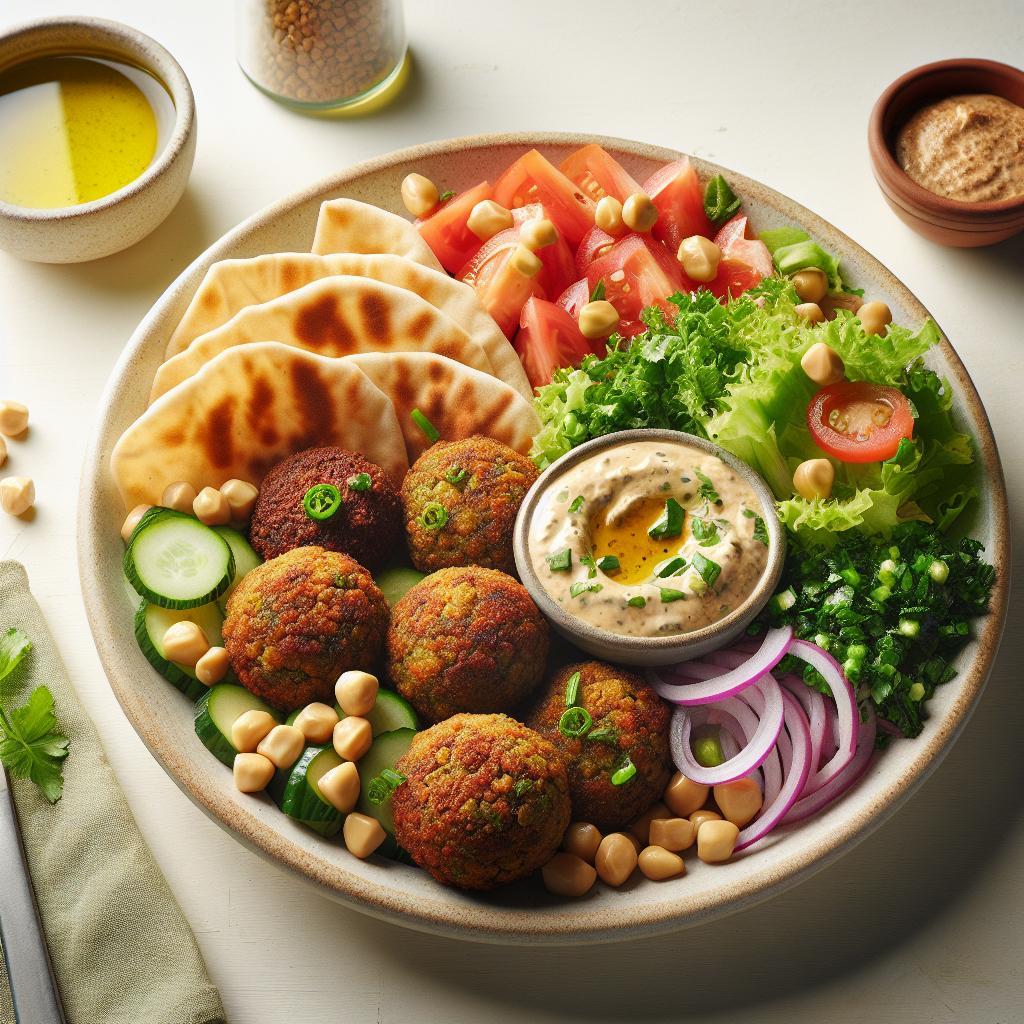
Present falafel nestled in warm pita bread pockets with crisp lettuce, sliced tomatoes, and pickled turnips. Serve alongside bowls of creamy tahini sauce, tangy sumac onions, and a fresh tabbouleh salad for a colorful spread. A sprinkle of toasted sesame seeds and a drizzle of extra virgin olive oil over the sauce elevates presentation and flavor. For added texture, serve with a side of crunchy cucumber and carrot ribbons tossed in lemon and sea salt.

| Nutritional Element | Per Serving (approx.) |
|---|---|
| Calories | 320 kcal |
| Protein | 12 g |
| Carbohydrates | 28 g |
| Fat | 18 g |
Enhance your culinary journey exploring falafel and tahini with our detailed guide on Middle Eastern spices. For an authoritative deep dive into tahini’s nutritional benefits and origins, check the Science Daily report.
Q&A
Q&A: Falafel & Tahini – A Perfect Fusion of Flavor and Tradition
Q1: What makes falafel and tahini such an iconic pairing in Middle Eastern cuisine?
A1: Falafel and tahini are culinary soulmates, each bringing distinct textures and flavors that harmonize beautifully. Falafel, with its crispy golden crust and tender, herb-filled interior, offers a savory crunch, while tahini’s creamy, nutty richness adds a luscious, slightly tangy depth. Together, they create a sensory dance that has delighted palates across generations.
Q2: How is traditional falafel made, and what ingredients give it its unique taste?
A2: Traditional falafel is crafted from soaked, ground chickpeas (or fava beans, depending on the region) blended with fresh herbs like parsley and cilantro, fragrant spices such as cumin and coriander, and a touch of garlic and onion. This mixture is formed into small patties or balls and deep-fried until perfectly crisp on the outside while staying moist within. The fresh herbs and spices infuse the falafel with its distinctive, savory aroma and flavor.
Q3: Can you explain the cultural significance of falafel and tahini in Middle Eastern communities?
A3: Falafel and tahini are more than just food; they’re traditions passed through families and communities. Falafel has been a beloved street food and symbol of nourishment for centuries, often associated with communal gatherings, celebrations, and daily meals alike. Tahini, made from toasted sesame seeds, represents the ancient agricultural heritage of the region. Together, they embody the spirit of hospitality, simplicity, and sharing that defines Middle Eastern culture.
Q4: How does tahini enhance the flavor profile when paired with falafel?
A4: Tahini’s creamy texture contrasts with falafel’s crispiness, creating a balance that is both satisfying and complex. Its slightly bitter, nutty flavor cuts through the richness of fried falafel, while its silkiness adds moisture. Sometimes tahini is mixed with lemon juice, garlic, or a pinch of salt, enhancing the bright, fresh notes that complement the earthy, herby undertones of falafel.
Q5: Are there variations of falafel and tahini across different regions?
A5: Absolutely! While the core ingredients remain largely consistent, regional tweaks reflect local tastes and available produce. For instance, in some Levantine countries, chickpeas are favored, while in Egypt, fava beans dominate. Tahini sauces may differ in thickness, seasoning, and additions like yogurt or spices. These variations showcase the rich diversity within Middle Eastern culinary traditions while honoring the essential character of falafel and tahini.
Q6: What are some modern twists on the classic falafel and tahini combination?
A6: Contemporary chefs and home cooks alike have reimagined falafel and tahini in exciting ways-think baked falafel for a lighter twist, falafel bowls piled high with fresh veggies and grains, or tahini drizzled with vibrant beet or carrot purees for added color and flavor. Fusion dishes incorporate global spices or pair tahini with unexpected ingredients like avocado or pomegranate seeds, keeping this timeless duo fresh and innovative while respecting its roots.
Q7: How can one best enjoy falafel and tahini at home to capture authentic flavors?
A7: To savor falafel and tahini authentically, start with fresh ingredients: soak your chickpeas overnight, use fragrant herbs, and opt for quality tahini made from well-toasted sesame seeds. Fry the falafel until golden and crispy, and prepare a tahini sauce with lemon juice and garlic to brighten the richness. Serve together with warm pita, pickled vegetables, and a sprinkle of sumac or fresh parsley to recreate a vibrant Middle Eastern feast right in your kitchen.
Q8: What health benefits are associated with falafel and tahini?
A8: Falafel, rich in plant-based protein and fiber from chickpeas or fava beans, offers sustained energy and digestive benefits. Tahini provides healthy fats, vitamins such as B-complex, and important minerals like calcium and magnesium. Together, they create a balanced, nutrient-dense dish that fuels the body without compromising on flavor-proof that tradition can also be wholesome.
Through crispy falafel and creamy tahini, a delicious story unfolds-one that weaves texture, flavor, and history into every bite.
Insights and Conclusions
In the end, falafel and tahini are more than just ingredients on a plate-they are a harmonious blend of history, culture, and taste that transcends borders. This perfect fusion invites us to savor not only their bold flavors but also the stories they carry from ancient kitchens to modern tables around the world. Whether you’re experiencing falafel and tahini for the first time or returning for a beloved classic, you’re partaking in a timeless tradition that celebrates the art of simple, wholesome ingredients transforming into something extraordinary. So next time you take a bite, remember: you’re enjoying a delicious legacy crafted by generations, and a vibrant testament to the power of food to unite us all.