
There’s something irresistibly enchanting about a bowl of perfectly whipped hummus – that creamy, velvety dip that dances effortlessly between rich and tangy, earthy and bright. Whether draped over warm pita bread, layered beneath crisp veggies, or simply enjoyed by the spoonful, hummus has long captured the hearts (and appetites) of food lovers around the world. But what if the secret to unlocking that luscious texture and unforgettable flavor wasn’t so elusive after all? In this guide, we’ll dive spoon-first into the art and science of making the perfect hummus dip, unraveling its creamy magic one ingredient and technique at a time. Prepare to transform your kitchen into a Middle Eastern oasis, where every batch you craft is smoother, silkier, and more enchanting than the last.
- Prep and Cook Time
- Yield
- Difficulty Level
- Choosing the Best Ingredients for Rich and Smooth Dip
- Mastering the Blending Techniques to Achieve Perfect Consistency
- Expert Tips and Flavor Enhancements for Gourmet Hummus
- Ingredients
- Instructions
- Chef’s Notes & Tips for Success
- Serving Suggestions
- Q&A
- Future Outlook
Unlocking the Creamy Magic of hummus begins with understanding how each ingredient and technique contributes to that irresistibly smooth, luscious texture we all crave. This beloved Middle Eastern dip, rooted deeply in culinary traditions, owes its charm not just to its wholesome flavors but to the science behind its velvety consistency. Whether you are a seasoned foodie or just discovering the art of hummus-making, mastering this process will elevate your kitchen game and bring a gourmet touch to every gathering.
Prep and Cook Time
- Preparation: 10 minutes
- Cooking (for chickpeas, if using dried): 1 to 1.5 hours
- Total Time: Approximately 1 hour 20 minutes
Yield
About 2 cups (serves 4 to 6 as an appetizer)
Difficulty Level
Easy to Medium – perfect for home cooks seeking a refined yet straightforward recipe.
Choosing the Best Ingredients for Rich and Smooth Dip
Begin by selecting high-quality canned chickpeas or soak dried chickpeas overnight for the most authentic flavor and texture. The secret to creamy hummus lies in the chickpeas’ tenderness – boiling them until they are nearly falling apart is essential. Using their cooking liquid, rich in starch, can dramatically improve smoothness when added during blending.
Extra virgin olive oil lends not only flavor but also silkiness, while freshly squeezed lemon juice balances richness with brightness. Don’t underestimate the power of tahini, a sesame seed paste whose toasted nuttiness and oil content deepen the dip’s texture and complexity. Fresh garlic adds essential pungency, but its quantity can be adjusted to your taste.
Mastering the Blending Techniques to Achieve Perfect Consistency
Processing order and technique are crucial for creamy hummus. Use a high-powered food processor or blender, adding chickpeas gradually with reserved cooking or canning liquid until the mixture achieves a silky, spreadable consistency. Stop frequently to scrape down the sides and blend thoroughly. Incorporating fats-olive oil and tahini-slowly ensures emulsification, creating that signature velvety mouthfeel.
For extra silkiness, some chefs recommend peeling chickpeas, though this step is optional and time-consuming. Experimenting with texture can be part of your culinary journey toward unlocking creamy magic.
Expert Tips and Flavor Enhancements for Gourmet Hummus
- Salt with care: Season immediately but adjust through the process to enhance natural flavors.
- Customize with spices: Ground cumin, smoked paprika, or a pinch of cayenne can add warmth and depth.
- Boost smoothness: A tablespoon of ice-cold water introduced mid-blending can lighten the texture.
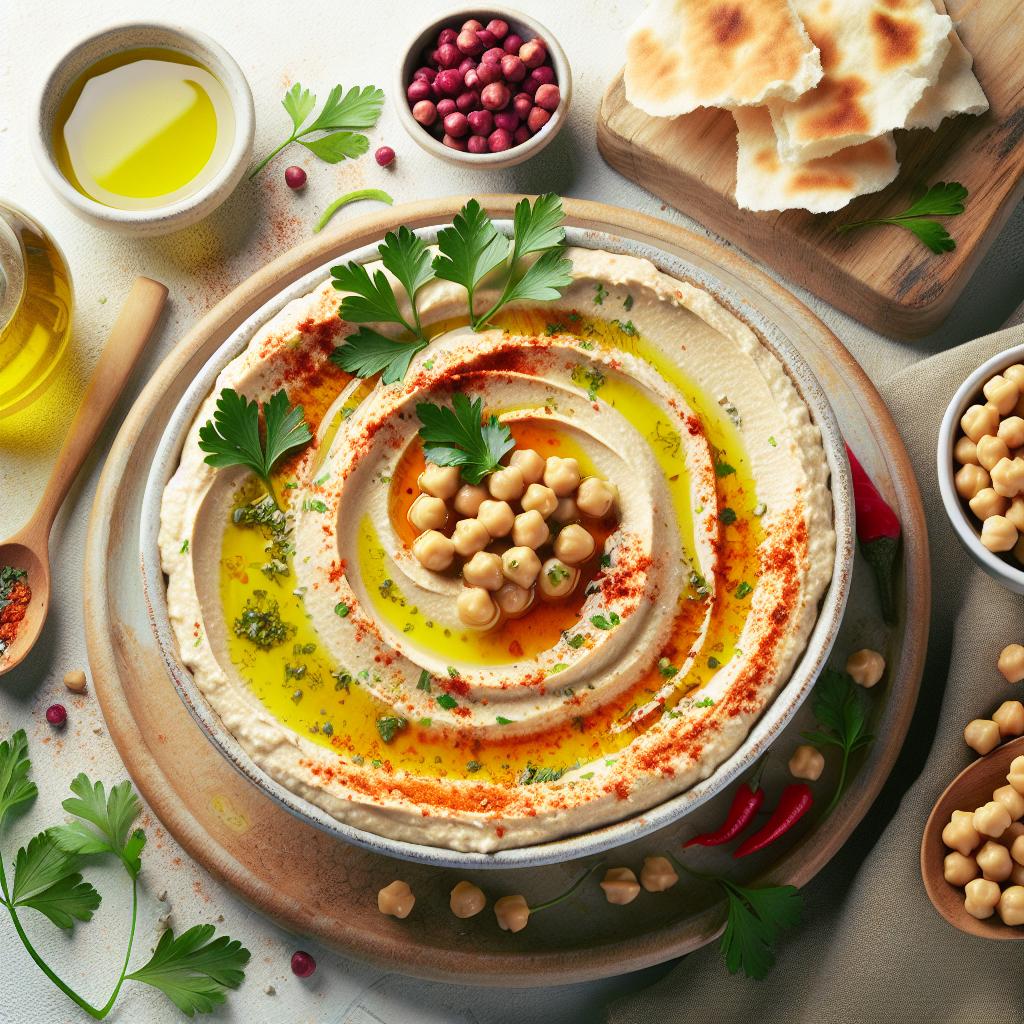
- Garnishes: Finish with a drizzle of olive oil, a sprinkle of toasted pine nuts, fresh chopped parsley, or even a dash of sumac for visual appeal and a burst of flavor contrast.
- Storage: Hummus flavors deepen after a day in the fridge-make ahead for entertaining success.
Ingredients
- 1 cup dried chickpeas (or 2 cups canned, drained and rinsed)
- 1/2 teaspoon baking soda (for soaking and softening dried chickpeas)
- 1/3 cup tahini (well-stirred)
- 3 tablespoons freshly squeezed lemon juice
- 2 cloves garlic (minced)
- 1 teaspoon fine sea salt
- 1/4 cup extra virgin olive oil (plus extra for drizzling)
- Ice-cold water, as needed (for adjusting consistency)
- Optional garnish: toasted pine nuts, smoked paprika, fresh parsley, sumac
Instructions
- Prepare the chickpeas: If using dried, soak chickpeas overnight in plenty of water with baking soda. Rinse and boil in fresh water until very tender, about 1 to 1.5 hours. Skim foam and change water halfway if needed. Drain, reserving some cooking liquid.
- Blend tahini and lemon juice: In your food processor, combine tahini and lemon juice. Process for about 2 minutes until pale and creamy, which helps aerate the tahini for smoother hummus.
- Add garlic and salt: Incorporate minced garlic and sea salt into the tahini-lemon mixture. Blend a further 30 seconds to marry flavors.
- Incorporate chickpeas: Add about half the chickpeas and pulse until coarsely blended. Then add the rest and process continuously for 1 to 2 minutes, scraping down the sides regularly.
- Adjust consistency with liquids: Slowly drizzle olive oil while the processor runs. Add reserved cooking liquid or ice-cold water in tablespoon increments until reaching your ideal creamy thickness.
- Final blend and taste: Blend one last time until ultra-smooth. Taste and adjust salt, lemon, or garlic if necessary.
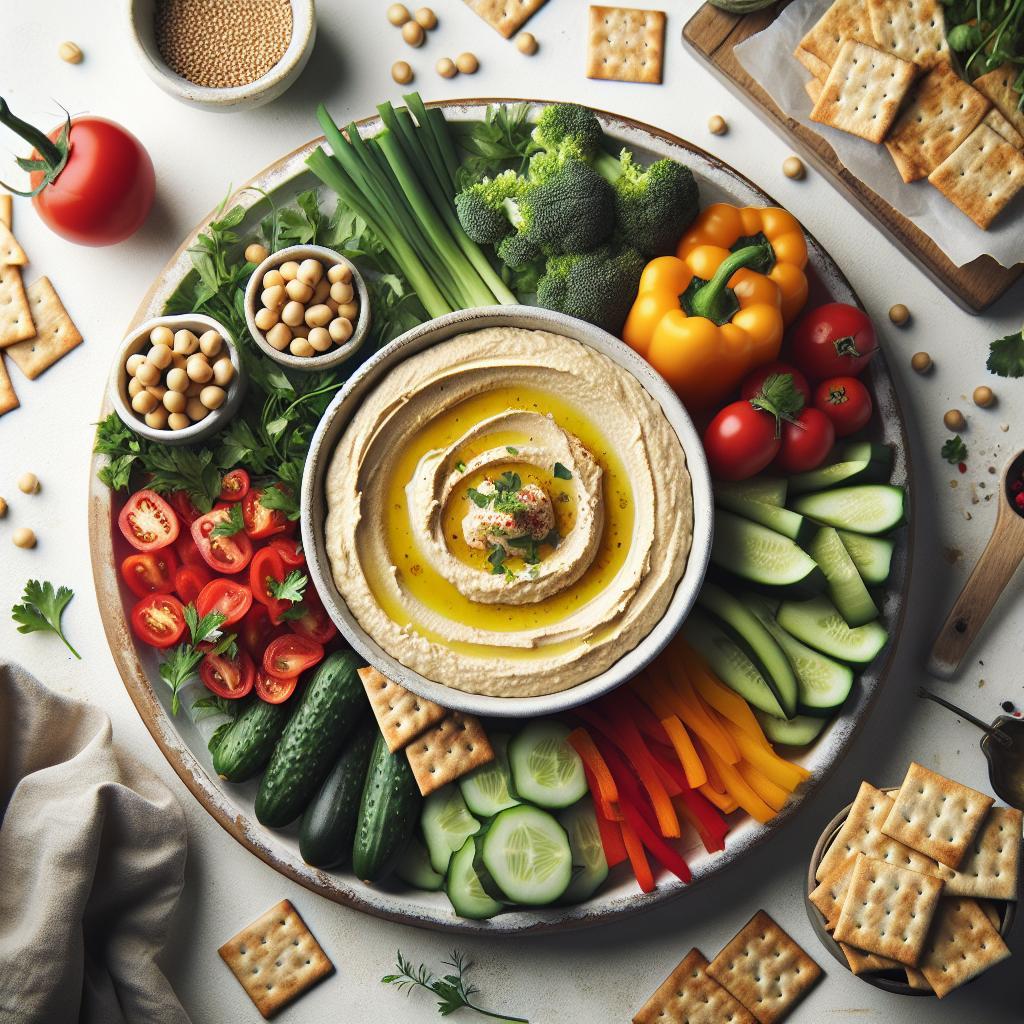
- Plate and garnish: Transfer hummus to a shallow bowl, create a gentle swirl on top, drizzle olive oil, and sprinkle your choice of garnish.
Chef’s Notes & Tips for Success
- For ultra-creamy hummus, consider peeling chickpeas: Pinching off their skins results in extraordinary smoothness, but it’s optional if time is limited.
- Experiment with roasting the garlic: For a milder, sweeter note.
- Adjust tang: Fresh lemon juice is preferable over bottled for a brighter bite.
- To conserve energy, use a pressure cooker for faster chickpea cooking without sacrificing tenderness.
- Store in an airtight container: Keeps well refrigerated for up to 5 days; flavors deepen overnight for even better richness.
Serving Suggestions
Serve your hummus as the centerpiece of a mezze platter alongside warm pita bread, fresh vegetable crudités like cucumber and bell pepper strips, or dolloped onto grilled flatbreads. Complement it with olives, feta cheese, or roasted vegetables for a balanced Mediterranean feast. A vibrant garnish not only enhances presentation but invites guests to savor every creamy spoonful with the perfect contrast of texture and color.
| Nutrient | Per 1/4 cup serving |
|---|---|
| Calories | 140 |
| Protein | 5 g |
| Carbohydrates | 12 g |
| Fat | 8 g |
| Fiber | 4 g |

For more recipes and tips on Middle Eastern delights, explore our Mediterranean recipe collection. For deep dives into chickpea nutrition and culinary uses, visit the Healthline chickpea benefits guide.
Q&A
Q: What makes hummus creamy and smooth rather than grainy?
A: The secret to irresistibly creamy hummus lies in the texture of the chickpeas and the blending technique. Using well-cooked or canned chickpeas that are soft, peeling their skins, and adding enough olive oil and tahini creates that silky consistency. Also, blending for a longer time at high speed helps break down the chickpeas fully, unlocking that luscious “creaminess” magic.
Q: How important is tahini in achieving perfect hummus?
A: Tahini is the heart and soul of classic hummus. Made from ground sesame seeds, it brings a creamy richness and subtle nuttiness that elevates the dip beyond just mashed chickpeas. Quality tahini ensures depth and a smooth mouthfeel, so opting for fresh, well-stirred tahini is a game-changer.
Q: Can I make hummus without soaking chickpeas overnight?
A: Definitely! While soaking dried chickpeas overnight helps them cook faster and soften well, you can speed up the process by using canned chickpeas or cooking dried ones with a pressure cooker or on the stovetop for longer. Just ensure they’re very tender to blend smoothly.
Q: What role does lemon juice play in hummus?
A: Lemon juice adds a bright, zesty contrast to the creamy base. It balances the earthiness of chickpeas and richness of tahini, bringing a fresh, vibrant note that makes each spoonful delightful and not heavy.
Q: How can I customize hummus while keeping it creamy?
A: Creativity rules hummus! You can add roasted garlic for a mellow punch, roasted red pepper for sweetness, fresh herbs like parsley or cilantro for an herbaceous twist, or spices such as cumin and smoked paprika to deepen the flavor. Just keep the balance of oil and lemon juice right, so the texture stays luscious and creamy.
Q: What’s the best way to store homemade hummus?
A: Homemade hummus loves to chill! Keep it airtight in the fridge for up to a week. Before serving, give it a good stir and drizzle with olive oil or a sprinkle of fresh herbs to refresh its creamy charm.
Q: Why does hummus sometimes become dry or crumbly?
A: Dry, crumbly hummus can result from undercooked chickpeas, too little tahini or oil, or insufficient liquid like lemon juice or reserved chickpea water. Fix it by adding a splash of water or olive oil and blending again until perfectly smooth.
Q: Is peeling chickpeas really necessary?
A: Peeling chickpeas might feel tedious, but it truly enhances the creaminess factor. Removing the skins reduces graininess, resulting in a silkier hummus that feels like a velvety dream on the palate.
Q: Can I make hummus in advance for a party?
A: Absolutely! Hummus develops even better flavor after resting overnight. Prepare it a day ahead, keep it refrigerated, and dress it up with garnishes just before serving to wow your guests with creamy, perfectly balanced dip.
Q: What’s the ideal olive oil to use in hummus?
A: Extra virgin olive oil shines brightest in hummus thanks to its fruity, grassy notes and smooth richness. A good-quality olive oil not only adds creaminess but also layers of flavor that make each bite inviting and fresh.
Future Outlook
As you embark on your hummus-making adventures, remember that unlocking the creamy magic lies in both the art and the heart of the process. With each blend and pinch of seasoning, you’re not just crafting a dip-you’re stirring together tradition, flavor, and a touch of your own culinary spirit. Whether served as a vibrant snack or a sophisticated spread, perfect hummus invites you to savor simplicity elevated to delicious heights. So grab your blender, embrace the creamy alchemy, and let each dollop tell the story of a timeless Mediterranean delight-your kitchen’s new best-kept secret.