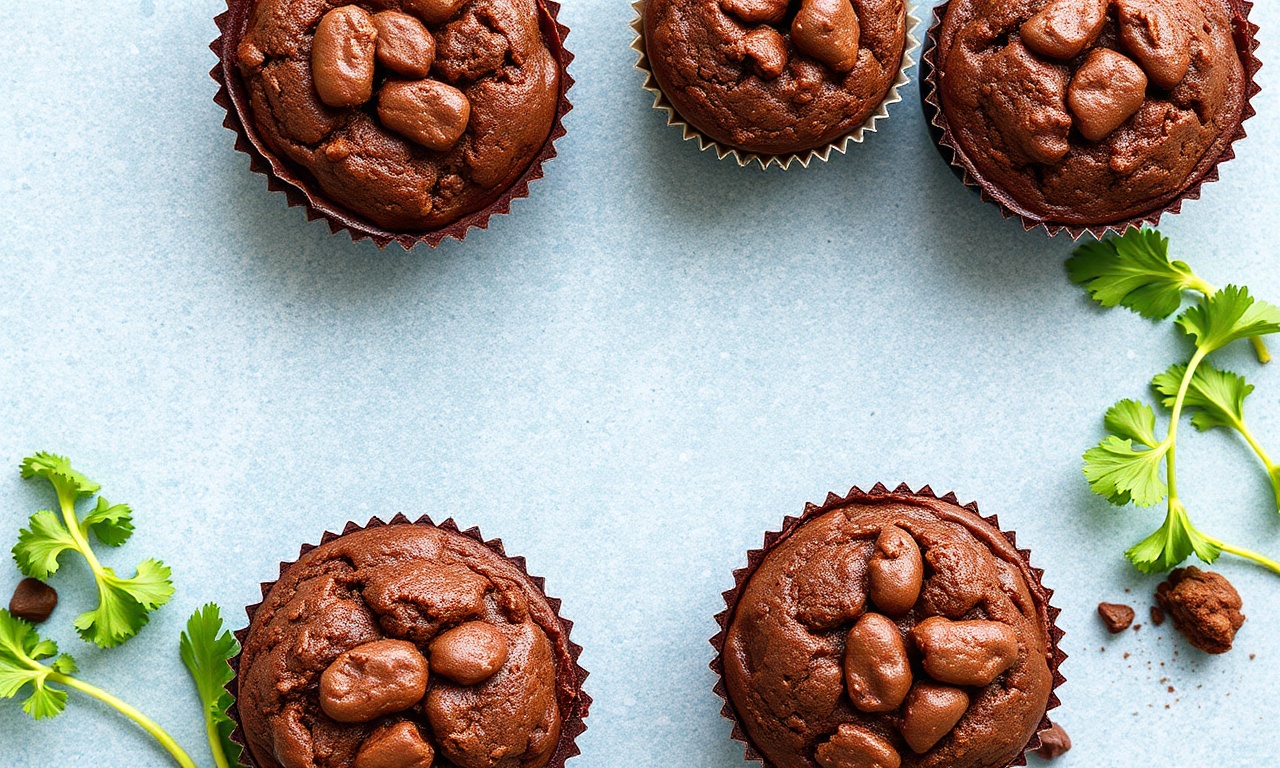

Veggie Chocolate Muffins: A Culinary Paradox Revealed
The notion of vegetables lurking within a decadent chocolate muffin often evokes skepticism, conjuring images of bland, unappetizing concoctions. Yet, the reality is far more nuanced and, frankly, delicious. Veggie chocolate muffins represent a culinary paradox, a masterful blend of indulgent flavor and nutritional fortification, challenging our preconceived notions of what constitutes a healthy treat. This isn’t about trickery; it’s about intelligent ingredient substitution and an understanding of how to harness the inherent qualities of certain vegetables to enhance texture, moisture, and even flavor in a beloved baked good. For years, the quest for guilt-free indulgence has led bakers and health enthusiasts down various paths, from artificial sweeteners to overly restrictive flour alternatives.
- Veggie Chocolate Muffins: A Culinary Paradox Revealed
- The Science and Art of Veggie Integration
- Moisture Mastery: Zucchini and Pumpkin’s Role
- Sweetness and Depth: The Power of Beets and Sweet Potatoes
- Fiber and Nutrient Boost: The Unseen Advantage
- The Definitive Veggie Chocolate Muffin Recipe: An Expert’s Blueprint
- Essential Ingredients
- Expert Preparation Method
- Nutritional Insights: Beyond the Sweetness
- Expert Pro-Tips for Elevated Veggie Muffins
- Debunking Myths: The Truth About Veggie Muffins
- A Real-World Example: The Busy Parent’s Secret Weapon
- Conclusion: The Sweet Future of Healthy Baking
- Frequently Asked Questions
However, the true innovation lies not in outright exclusion, but in thoughtful integration. Veggie chocolate muffins offer a pragmatic and genuinely satisfying solution, proving that you don’t have to sacrifice pleasure for perceived health benefits.
The most profound culinary innovations often arise from embracing the unexpected, transforming perceived limitations into surprising strengths. Veggie chocolate muffins are proof of this principle, proving that wholesome ingredients can indeed yield extraordinary indulgence.
When it comes to Veggie, The foundational principle behind these muffins is simple yet powerful: certain vegetables, when prepared correctly, can mimic or even surpass the textural and moistening properties of traditional fat and sugar sources in baking. Think of the subtle sweetness of pureed sweet potato, the incredible moisture retained by grated zucchini, or the earthy depth that puréed beets can impart. These aren’t mere fillers; they are active participants in creating a superior muffin, one that is tender, moist, and possesses a richer, more complex flavor profile. This approach moves beyond the superficial “hidden vegetable” trope, aiming instead for a synergistic relationship where the vegetable component elevates the entire baking experience.
The Science and Art of Veggie Integration
The magic of veggie chocolate muffins lies in the specific properties that different vegetables bring to the batter. Understanding these characteristics is key to achieving optimal results and debunking the myth that adding vegetables inherently compromises taste or texture.
Moisture Mastery: Zucchini and Pumpkin’s Role
In the context of Veggie, Zucchini, in particular, is a superstar in this context. When grated, its high water content is released during baking, creating an incredibly moist crumb without the greasiness often associated with oil or butter. Crucially, its mild flavor profile means it disappears almost entirely into the chocolate, leaving behind only its beneficial texture. Similarly, puréed pumpkin or butternut squash contributes not only moisture but also a subtle, earthy sweetness that complements the chocolate beautifully. These vegetables add a natural tenderness that is difficult to replicate with traditional methods, especially when aiming for a lower fat content.
Research has shown that incorporating vegetable purees can improve the overall texture and shelf-life of baked goods by retaining moisture for longer periods.
Sweetness and Depth: The Power of Beets and Sweet Potatoes
Around Veggie, Beyond moisture, certain vegetables offer natural sweetness and a depth of flavor that can reduce the need for added sugars. Cooked and puréed beets, for instance, lend a gorgeous ruby hue to chocolate muffins and contribute a subtle, earthy sweetness. This sweetness isn’t overpowering; rather, it rounds out the intense chocolate flavor, creating a more sophisticated taste. The vibrant color is an added bonus, making the muffins visually appealing. Sweet potatoes, when baked and mashed, offer a similar sweetness and a rich, creamy texture. Their carotenoid content also adds a nutritional punch. The natural sugars in these vegetables caramelize during baking, contributing to a more complex flavor profile than refined sugars alone can achieve.
Fiber and Nutrient Boost: The Unseen Advantage
Regarding Veggie, The most significant advantage of incorporating vegetables is the substantial increase in dietary fiber, vitamins, and minerals. This is where the “secretly healthy” aspect truly shines. A muffin that might otherwise be considered a simple indulgence becomes a vehicle for essential nutrients. Fiber, crucial for digestive health and satiety, is naturally abundant in vegetables. Furthermore, compounds like antioxidants found in beets and sweet potatoes, and vitamins like A and C present in zucchini and pumpkin, contribute to the overall nutritional value. According to nutritional data, a single cup of cooked chopped zucchini provides nearly 2 grams of fiber and a good source of Vitamin C.
When it comes to Veggie, This is a tangible benefit that elevates these muffins from mere dessert to a more balanced snack option.
In the context of Veggie, 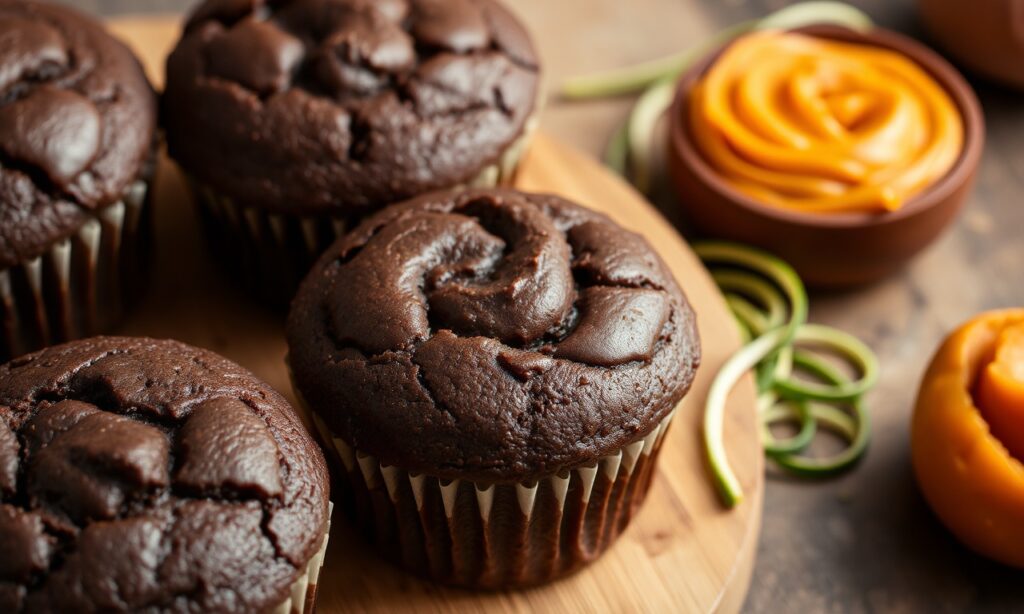
The Definitive Veggie Chocolate Muffin Recipe: An Expert’s Blueprint
Crafting the perfect veggie chocolate muffin requires a balance of precise measurements and an understanding of ingredient interactions. This recipe is designed to deliver exceptional flavor and texture, proving that healthy baking can be both accessible and supremely satisfying.
Essential Ingredients
- Dry Ingredients:
- 1 ½ cups (190g) All-Purpose Flour
- ½ cup (45g) Unsweetened Cocoa Powder (Dutch-processed for richer flavor)
- 1 teaspoon Baking Soda
- ½ teaspoon Baking Powder
- ¼ teaspoon Salt
- ½ teaspoon Ground Cinnamon (optional, for added warmth)
- Wet Ingredients:
- 1 cup (240g) Puréed Cooked Sweet Potato or Pumpkin Purée (unsweetened) OR 1 cup (approx. 150g) finely grated Zucchini, squeezed dry
- ½ cup (100g) Granulated Sugar (or reduce to ¼ cup and rely more on vegetable sweetness)
- ¼ cup (50g) Brown Sugar, packed
- 2 large Eggs, at room temperature
- ½ cup (120ml) Milk (dairy or non-dairy like almond or oat)
- ⅓ cup (80ml) Vegetable Oil or Melted Coconut Oil
- 1 teaspoon Vanilla Extract
- The Chocolate Element:
- ½ cup (85g) Chocolate Chips (dark or semi-sweet for best flavor)
Expert Preparation Method
- Preheat and Prepare: Preheat your oven to 375°F (190°C). Line a 12-cup muffin tin with paper liners or grease it thoroughly. This step ensures even baking and prevents sticking.
- Combine Dry Ingredients: In a large bowl, whisk together the flour, cocoa powder, baking soda, baking powder, salt, and cinnamon (if using). Whisking thoroughly ensures that leavening agents are evenly distributed, leading to a uniform rise.
- Prepare Wet Ingredients: In a separate medium bowl, whisk together the puréed sweet potato/pumpkin (or squeezed zucchini), granulated sugar, packed brown sugar, and eggs until well combined and slightly fluffy. This aeration process helps create a lighter muffin.
- Incorporate Moisture and Fat: Gradually whisk in the milk, vegetable oil (or melted coconut oil), and vanilla extract into the wet ingredients until smooth. The oil provides essential moisture and tenderness, while vanilla enhances the overall flavor.
- Marry the Batters: Pour the wet ingredients into the bowl with the dry ingredients. Using a spatula, gently fold the ingredients together until *just* combined. It is crucial not to overmix at this stage; a few streaks of flour are acceptable. Overmixing develops gluten, which can lead to tough muffins.
- Add the Chocolate: Gently fold in the chocolate chips. Reserve a few for sprinkling on top if desired.
- Portion the Batter: Divide the batter evenly among the prepared muffin cups, filling each about two-thirds full. This allows room for the muffins to rise without overflowing.
- Bake to Perfection: Bake for 18-22 minutes, or until a wooden skewer or toothpick inserted into the center of a muffin comes out clean or with a few moist crumbs attached (not wet batter). Baking time may vary slightly depending on your oven.
- Cool and Enjoy: Let the muffins cool in the tin for 5-10 minutes before transferring them to a wire rack to cool completely. This prevents them from becoming soggy.
Around Veggie, 
Nutritional Insights: Beyond the Sweetness
Understanding the nutritional profile of these veggie chocolate muffins reveals their true health potential. While precise figures vary based on specific ingredients and portion sizes, a typical muffin made with this recipe (using sweet potato purée and reducing sugar slightly) offers a significantly improved nutritional footprint compared to traditional chocolate muffins.
- Calories: Approximately 200-250 calories per muffin (depending on sugar and oil content). This is lower than many commercially produced muffins.
- Fiber: Expect around 3-5 grams of fiber per muffin, largely due to the incorporated vegetables and whole flour (if used). This aids digestion and promotes satiety.
- Protein: Around 3-4 grams per muffin, primarily from eggs and milk.
- Healthy Fats: Primarily from the vegetable oil or coconut oil, contributing to a tender crumb and aiding in the absorption of fat-soluble vitamins from the vegetables.
- Vitamins and Minerals: Significantly boosted by the vegetables, offering sources of Vitamin A (from sweet potato/pumpkin), Vitamin C (from zucchini), potassium, and various antioxidants.
- Reduced Sugar: By using vegetables for moisture and sweetness, you can often reduce the added sugar content significantly, making these a more blood-sugar-friendly option.
Regarding Veggie, Keep in mind that while these muffins are “healthier” than their conventional counterparts, they should still be enjoyed in moderation as part of a balanced diet. The presence of vegetables does not negate the fact that they are a baked treat containing sugar and flour.
Expert Pro-Tips for Elevated Veggie Muffins
To truly master the art of the veggie chocolate muffin, consider these expert insights that elevate them from good to extraordinary.
Enhancing Flavor Complexity
- Espresso Powder: A teaspoon of instant espresso powder added to the dry ingredients intensifies the chocolate flavor without adding a coffee taste.
- Orange Zest: The zest of one orange can add a surprising brightness that cuts through the richness of the chocolate and complements the earthy vegetable notes.
- Spices: Beyond cinnamon, consider a pinch of nutmeg, cardamom, or even a touch of cayenne pepper for a subtle warmth and complexity.
- High-Quality Cocoa: Investing in a good quality Dutch-processed cocoa powder will make a significant difference in the depth and richness of the chocolate flavor.
Texture Tweaks
- Nut Flours: For a denser, richer muffin with added healthy fats and protein, substitute ¼ cup of the all-purpose flour with almond flour or oat flour.
- Rolled Oats: Stirring in ¼ cup of rolled oats with the dry ingredients can add a pleasant chewiness and extra fiber.
- Toasted Nuts or Seeds: Fold in ½ cup of chopped toasted walnuts, pecans, or sunflower seeds for added crunch and nutty flavor.
The Art of Presentation
- Salted Caramel Drizzle: A light drizzle of homemade or store-bought salted caramel can transform these muffins into a decadent dessert.
- Cream Cheese Frosting (Lightened): A dollop of lightly sweetened cream cheese frosting can offer a tangy contrast to the rich chocolate.
- Garnishes: Top with a few extra chocolate chips, a sprinkle of sea salt, or a dusting of cocoa powder before serving.
Debunking Myths: The Truth About Veggie Muffins
The most persistent myth surrounding veggie chocolate muffins is that they are an unappetizing compromise, a health food masquerading as a treat. This couldn’t be further from the truth.
Myth 1: They Taste Like Vegetables
The reality is that when incorporated correctly, vegetables like zucchini, sweet potato, and pumpkin are virtually undetectable in a well-made chocolate muffin. Their mild flavors blend seamlessly with the intense chocolate, and their primary contribution is textural – moisture and tenderness. The key is using the right vegetable and preparing it properly (e.g., squeezing zucchini dry, using smooth purées).
Myth 2: They Are Dry and Bland
This is often a consequence of improper ratios or overbaking. The moisture content from the vegetables, combined with the fat and liquids in the batter, actually results in muffins that are *more* moist and tender than many traditional recipes. The depth of flavor comes from high-quality cocoa and the natural sweetness of the vegetables, not just sugar.
Myth 3: They Aren’t “Real” Muffins
Culinary innovation is about evolution. Just as the croissant evolved from simpler breads, the veggie chocolate muffin represents a thoughtful enhancement of a beloved classic. It utilizes the principles of baking science to create a superior product that is both delicious and nutritionally enhanced. The focus remains on the delightful chocolate flavor and satisfying texture, with the added benefit of wholesome ingredients.
A Real-World Example: The Busy Parent’s Secret Weapon
Consider Sarah, a busy working mother of two young children. She’s constantly seeking ways to incorporate more nutrients into her family’s diet without engaging in mealtime battles. She discovered veggie chocolate muffins a few years ago and they’ve become a staple in her home. “My kids absolutely adore these muffins,” she shares. “They have no idea they’re eating zucchini or sweet potato! They’re so moist and chocolatey, and I feel good knowing they’re getting extra fiber and vitamins. They’re perfect for school lunches, after-school snacks, or even a quick breakfast on a hectic morning.
They’re so reliable, I can whip up a batch on a Sunday and have them ready for the week.” Sarah’s experience highlights how these muffins aren’t just a niche health trend; they’re a practical, family-friendly solution that bridges the gap between indulgence and nutrition.
Conclusion: The Sweet Future of Healthy Baking
Veggie chocolate muffins are more than just a recipe; they are a paradigm shift in how we approach baking and healthy eating. They demonstrate that it’s not about deprivation, but about intelligent integration and culinary ingenuity. By embracing the inherent qualities of vegetables, we can create treats that are not only delicious and satisfying but also genuinely nourishing. The definitive truth behind this secretively healthy treat is that it’s a triumph of flavor, texture, and nutrition, proving that indulgence and wellness can indeed go hand-in-hand, one moist, chocolatey bite at a time.
Frequently Asked Questions
H3: Can I substitute other vegetables for zucchini or sweet potato?
Yes, you can experiment with other puréed or finely grated vegetables. Cooked and puréed butternut squash or pumpkin are excellent alternatives. Finely grated carrots can also work, though they might impart a slightly more noticeable flavor. Ensure whatever vegetable you use is cooked until very tender and puréed until smooth for the best texture. For grated vegetables, always squeeze out excess moisture.
H3: How can I make these muffins vegan?
To make these muffins vegan, substitute the eggs with a flax egg (1 tablespoon ground flaxseed mixed with 3 tablespoons water, let sit for 5-10 minutes) or a commercial egg replacer. Use non-dairy milk like almond, soy, or oat milk, and ensure your chocolate chips are dairy-free.
H3: Can I use whole wheat flour instead of all-purpose flour?
Certainly. You can substitute up to half of the all-purpose flour with whole wheat flour for added fiber and nutrients. For a 100% whole wheat version, you might need to slightly increase the liquid content or use a binder like xanthan gum, as whole wheat flour can sometimes result in denser baked goods.
H3: How should I store veggie chocolate muffins?
Store cooled muffins in an airtight container at room temperature for up to 3 days, or in the refrigerator for up to a week. They also freeze exceptionally well; wrap them individually in plastic wrap, then place them in a freezer-safe bag or container for up to 3 months. Thaw at room temperature or gently reheat in a microwave or oven.
H3: Are veggie chocolate muffins truly healthy for weight loss?
While veggie chocolate muffins are a healthier alternative to traditional ones due to increased fiber and nutrients and potentially lower sugar, they are still a baked good and should be consumed in moderation as part of a balanced diet. Their higher fiber content can contribute to satiety, which may be beneficial for weight management, but they are not a magic bullet for weight loss. Portion control and overall dietary habits remain key.
See also: Veggie