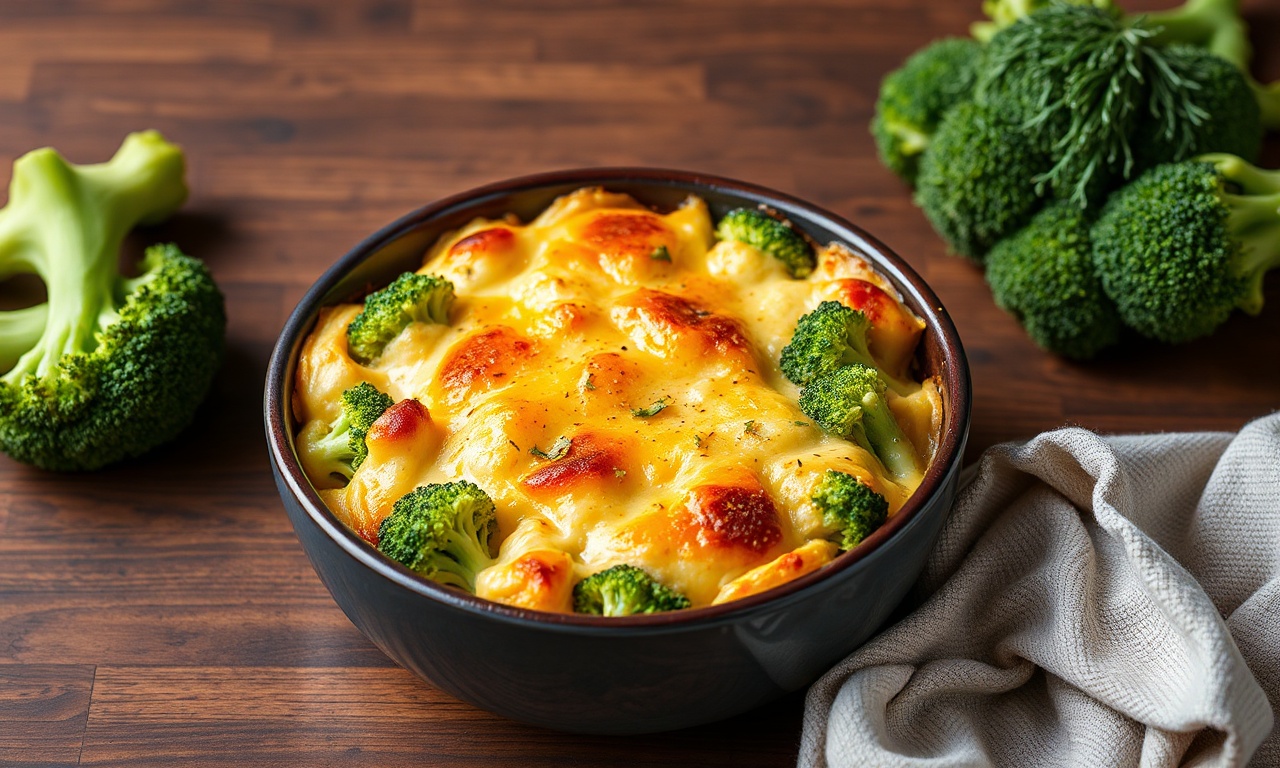

Broccoli Cheese Casserole Demystified: Your Field-Proven Recipe for Comfort
- Why Does Broccoli Cheese Capture Our Hearts (And Stomachs)?
- The Anatomy of Broccoli Cheese Perfection
- The Broccoli: Taming the Green Giant
- The Sauce: The Creamy Unifier
- The Cheese: The Heart of the Matter
- The Topping: The Crown Jewel of Crunch
- The Ultimate Broccoli Cheese Casserole: A Field-Tested Recipe
- Nutritional Considerations: A Wholesome Indulgence
- Expert Pro-Tips for Elevating Your Broccoli Cheese Casserole
- Troubleshooting Common Broccoli Cheese Casserole Challenges
- Watery Casserole: The Most Common Foe
- Grainy or Separated Sauce: A Textural Nightmare
- Bland Flavor: The Underseasoned Sigh
- Mushy Broccoli: A Texture Tragedy
- Beyond the Basics: Creative Variations and Perfect Pairings
- Frequently Asked Questions
- What is the best way to prepare broccoli for broccoli cheese casserole?
- Can I make broccoli cheese casserole ahead of time?
- What are the best cheeses to use for broccoli cheese casserole?
- How can I ensure the topping on my broccoli cheese casserole is extra crispy?
- My broccoli cheese casserole turned out too thin or watery. What might have gone wrong?
Why Does Broccoli Cheese Capture Our Hearts (And Stomachs)?
Have you ever considered why a simple combination of broccoli and cheese evokes such a powerful sense of nostalgia and comfort? It’s a culinary alchemy that transforms humble ingredients into something far greater than the sum of their parts, a dish that feels like a warm hug on a plate. While its creation might seem straightforward, achieving that perfect balance of creamy sauce, tender-crisp vegetables, and a golden, bubbling topping requires a nuanced understanding of technique and ingredient synergy. The enduring popularity of broccoli cheese casserole isn’t a mere accident of convenience; it’s proof of its deeply satisfying flavor profile and its ability to bring people together.
This article will demystify the process, revealing the secrets to crafting a truly exceptional broccoli cheese dish that transcends mere sustenance, offering a foolproof recipe and expert insights for home cooks aiming for culinary perfection.
The true magic of broccoli cheese lies not just in its taste, but in its ability to conjure feelings of home, warmth, and unconditional culinary embrace.
The Enduring Allure of Broccoli Cheese: More Than Just a Side Dish
The genesis of broccoli cheese casserole, like many beloved comfort foods, is rooted in the post-war era’s embrace of accessible ingredients and time-saving techniques. It represents a clever fusion of nutrition and indulgence, a way to make a sometimes polarizing vegetable irresistible to even the most discerning palates. Its ubiquity on family tables, potluck spreads, and holiday menus across America underscores its universal appeal. The fundamental pairing of earthy, slightly bitter broccoli with the rich, savory, and melt-in-your-mouth quality of cheese taps into a primal culinary pleasure. It’s a dish that doesn’t demand complex culinary acrobatics but rather rewards thoughtful preparation and an understanding of balance.
The cultural significance of such dishes cannot be overstated. They often become intertwined with family traditions, shared memories, and the simple joy of gathering around a meal. Broccoli cheese casserole, in particular, is a culinary hug, a dish that invites connection and contentment. Its adaptability further solidifies its place in our culinary repertoire; it can serve as a robust side dish to a hearty roast, a satisfying vegetarian main course, or even a decadent brunch addition. Its presence signifies warmth, generosity, and a touch of indulgence, making it a perennial favorite.
Broccoli cheese isn’t just a recipe; it’s a feeling, a taste of home that resonates across generations and occasions.
in comfort foods, broccoli cheese stands as a paragon, a dish that consistently delivers on flavor, texture, and emotional satisfaction. Its simple elegance belies a sophisticated interplay of ingredients that, when expertly handled, results in an unforgettable culinary experience. Understanding the core components and employing proven techniques is key to elevating this classic from ordinary to extraordinary.
Key Insights & Takeaways:
- Moisture Management: The critical factor in preventing a watery broccoli cheese casserole is proper pre-cooking and thorough draining of the broccoli to eliminate excess liquid before baking.
- Cheese Synergy: Achieving a superior flavor profile requires a thoughtful blend of cheeses, moving beyond single-variety options to incorporate sharp, nutty, and meltable cheeses for depth and complexity.
- Sauce Foundation: A well-constructed béchamel-based sauce, thickened properly with a roux and enriched with dairy, forms the creamy, flavorful backbone that binds the casserole together.
- Textural Contrast: The topping matter significantly, providing a delightful crunch that contrasts with the soft interior, enhancing the overall eating experience.
The Anatomy of Broccoli Cheese Perfection
To truly master broccoli cheese, one must dissect its essential components and understand how each contributes to the final masterpiece. A truly exceptional broccoli cheese casserole is an artful orchestration of several key elements: the broccoli itself, the luscious cheese sauce, the strategic selection of cheese, and the crucial textural topping. Each element, when given due attention, contributes to a harmonious and deeply satisfying dish.
The Broccoli: Taming the Green Giant
When it comes to Broccoli cheese, When it comes to this classic dish, The broccoli is, undeniably, the star – and sometimes the challenge – of this casserole. Its texture and moisture content are paramount. Overcooked broccoli releases a significant amount of water, which can lead to a soupy casserole and a mushy texture that detracts from the overall enjoyment. Conversely, undercooked broccoli will be tough and unpleasantly fibrous. The goal is to achieve a tender yet distinctly crisp bite, a vibrant green hue, and a flavor that complements, rather than overwhelms, the richness of the cheese. Proper pre-cooking is not merely a suggestion; it’s a non-negotiable step for success.
The Sauce: The Creamy Unifier
In the context of Broccoli cheese, In the context of this beloved casserole, The sauce is the soul of the casserole, the silken binder that cradles the broccoli and melds the flavors. Typically a variation of a béchamel, this creamy foundation provides richness, moisture, and a vehicle for the cheese. A well-made sauce is smooth, luxurious, and possesses a depth of flavor that comes from carefully sautéed aromatics and a properly cooked roux. The quality of the dairy used – whole milk and cream are generally preferred for their fat content – significantly impacts the final texture and mouthfeel.
The Cheese: The Heart of the Matter
The choice and preparation of cheese are critical to unlocking the full flavor potential of broccoli cheese. While pre-shredded cheese is convenient, it often contains anti-caking agents that can hinder smooth melting and affect the sauce’s texture. Grating your own cheese from blocks ensures a superior melt and a cleaner flavor. A blend of cheeses offers complexity: sharp cheddar provides a familiar tang, Gruyère contributes a nutty, sophisticated depth, and a touch of Parmesan can add a salty, umami punch. The key is to select cheeses that melt well and offer distinct, complementary flavors.
The Topping: The Crown Jewel of Crunch
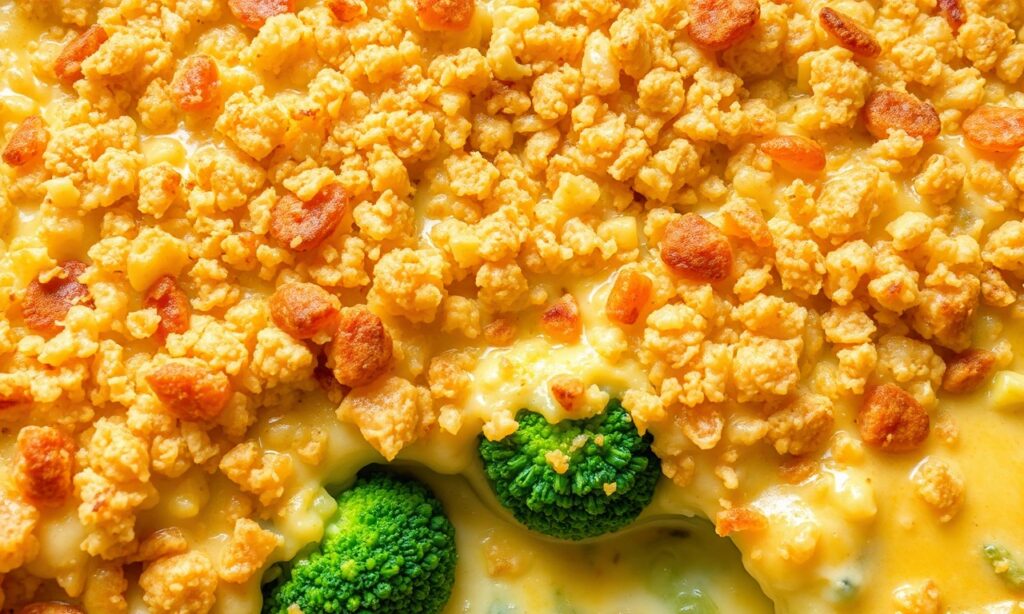
Around Broccoli cheese, Around this comforting dish, The topping is the final flourish, the element that provides essential textural contrast and visual appeal. Whether it’s buttery breadcrumbs, crushed crackers, or a combination of both, a well-executed topping offers a delightful crunch that breaks up the creamy interior of the casserole. It’s the perfect counterpoint to the tender broccoli and rich sauce, adding another layer of sensory pleasure to every bite.
The Ultimate Broccoli Cheese Casserole: A Field-Tested Recipe
This recipe has been meticulously refined to ensure a consistently delicious and texturally superior broccoli cheese casserole. It focuses on proven techniques that guarantee a rich, creamy, and utterly satisfying outcome, making it approachable for novice cooks while impressing even seasoned gourmands.
Ingredients:
- 2 pounds (approx. 900g) fresh broccoli florets
- 6 tablespoons (85g) unsalted butter
- 1 medium yellow onion, finely chopped (about 1 cup)
- 2 cloves garlic, minced
- 1/3 cup (40g) all-purpose flour
- 3 cups (710ml) whole milk, warmed
- 1/2 cup (120ml) heavy cream
- 2 cups (225g) sharp cheddar cheese, grated
- 1 cup (115g) Gruyère cheese, grated (optional, for added depth)
- 1 teaspoon Dijon mustard
- 1 teaspoon salt, or to taste
- 1/2 teaspoon freshly ground black pepper, or to taste
- Pinch of freshly grated nutmeg (optional, but recommended)
Topping Options:
- 1 cup Panko breadcrumbs mixed with 2 tablespoons melted butter
- 1 cup crushed buttery crackers (like Ritz) mixed with 2 tablespoons melted butter
- 1/2 cup additional grated cheddar cheese
Preparation Method:
- Prepare the Broccoli: If using fresh broccoli, wash thoroughly and cut into bite-sized florets. Blanch the broccoli in a large pot of generously salted boiling water for 2-3 minutes, until it turns a vibrant green and is slightly tender-crisp. Immediately drain the broccoli and plunge it into an ice bath to halt the cooking process. Drain exceptionally well, patting dry with paper towels if necessary, and set aside. This step is crucial for preventing a watery casserole and preserving the broccoli’s bright color and texture. If using frozen broccoli, cook according to package directions until just tender-crisp, then drain thoroughly.
- Build the Flavor Base: In a large, heavy-bottomed saucepan or Dutch oven, melt the unsalted butter over medium heat. Add the finely chopped onion and sauté, stirring occasionally, until softened and translucent, about 5-7 minutes. Stir in the minced garlic and cook for an additional minute until fragrant, taking care not to let it brown or burn.
- Create the Roux: Whisk the all-purpose flour into the sautéed onions and garlic. Cook, stirring constantly, for about 1-2 minutes. This process cooks out the raw flour taste and forms a smooth “roux,” which is essential for thickening your sauce.
- Incorporate the Liquids: Gradually whisk in the warmed whole milk, about half a cup at a time. Ensure each addition is fully incorporated and smooth before adding more. Continue whisking until all the milk has been added and the mixture begins to thicken. Bring the sauce to a gentle simmer, then whisk in the heavy cream.
- Melt the Cheese: Reduce the heat to low. Add the grated sharp cheddar cheese and Gruyère (if using) in handfuls, stirring continuously until each addition is fully melted and the sauce is smooth, creamy, and homogenous. It is vital not to boil the sauce after adding the cheese, as this can cause it to break or become grainy.
- Season the Sauce: Stir in the Dijon mustard, salt, freshly ground black pepper, and a pinch of nutmeg, if using. Taste and adjust seasonings as needed. The sauce should be robustly seasoned, as it will flavor the entire casserole.
- Combine and Assemble: Gently fold the blanched and thoroughly drained broccoli florets into the warm cheese sauce. Ensure all the broccoli is evenly coated.
- Transfer to Baking Dish: Pour the broccoli and cheese mixture into a greased 9×13 inch (23×33 cm) baking dish. Spread it out evenly.
- Add the Topping: Sprinkle your chosen topping evenly over the broccoli and cheese mixture. For breadcrumbs or crushed crackers, ensure they are distributed to create a consistent layer of crunch. You can also add a little extra shredded cheese on top for a gooey, browned cheesy crust.
- Bake to Perfection: Bake in a preheated oven at 375°F (190°C) for 20-25 minutes, or until the casserole is bubbly around the edges and the topping is a beautiful golden brown and crisp.
- Rest and Serve: Allow the casserole to rest for 5-10 minutes before serving. This brief resting period allows the sauce to set slightly, making it easier to serve and ensuring a more cohesive dish.
Nutritional Considerations: A Wholesome Indulgence
While undeniably a rich and comforting dish, understanding the nutritional profile of broccoli cheese casserole can empower more mindful enjoyment. A typical serving (approximately 1/6th of the recipe, assuming standard portion sizes) generally contains:
- Calories: 350-450 kcal
- Protein: 15-20g
- Fat: 25-35g (with saturated fat content varying based on the fat content of milk, cream, and cheese used)
- Carbohydrates: 10-15g
- Fiber: 3-5g
Regarding Broccoli cheese, Regarding this popular dish, Broccoli itself is a nutritional powerhouse, offering significant amounts of Vitamin C, Vitamin K, and dietary fiber. Dairy products, integral to the sauce and cheese components, contribute substantially to calcium intake, which is vital for bone health. Research published by the Harvard T.H. Chan School of Public Health highlights the importance of dairy in providing essential nutrients, noting its role in bone mineralization and muscle function. While this casserole is a calorie-dense dish, the inclusion of broccoli brings valuable micronutrients and fiber, making it a more balanced indulgence when enjoyed as part of a varied diet.
Expert Pro-Tips for Elevating Your Broccoli Cheese Casserole
To truly transform your broccoli cheese casserole from merely good to absolutely unforgettable, consider these nuanced insights, often employed by seasoned culinary professionals to achieve restaurant-quality results. These are the subtle touches that make a significant difference.
When it comes to Broccoli cheese, One of the most common pitfalls in this dish is achieving a bland flavor, often stemming from under-seasoning or relying on a single, mild cheese. A strategic blend of cheeses is paramount for complexity. Sharp cheddar provides a robust tang, Gruyère introduces a sophisticated nutty undertone, and a whisper of Parmesan can impart a delightful salty, umami depth. Don’t be afraid to experiment with your favorite high-quality melting cheeses. Furthermore, the texture of the broccoli itself is a critical success factor. Overcooking leads to a mushy disappointment.
Blanching the broccoli and then shocking it in an ice bath not only preserves its vibrant green color but, more importantly, ensures a pleasant, slightly al dente bite.
This bite provides a beautiful textural contrast to the creamy, yielding sauce, a hallmark of a truly expert-level casserole. Studies on food texture and consumer preference consistently show that textural contrast significantly enhances the perceived quality and enjoyment of dishes.
The topping is another canvas for culinary creativity. While classic breadcrumbs and crushed crackers are beloved, consider introducing alternative textures and flavors. Toasted slivered almonds or chopped pecans can add a wonderful nutty crunch, while a sprinkle of crispy fried onions can impart an extra layer of savory, umami goodness. The objective is to create a delightful counterpoint to the soft, yielding interior of the casserole, ensuring every spoonful offers a complex interplay of textures and tastes.
Troubleshooting Common Broccoli Cheese Casserole Challenges
Even with the best intentions and meticulous preparation, occasional culinary hiccups can occur. Understanding common issues and their remedies can help you navigate any potential setbacks and ensure a successful outcome every time.
Watery Casserole: The Most Common Foe
This is almost invariably due to overcooked or insufficiently drained broccoli, or a sauce that wasn’t thickened properly.
- Solution: Ensure your broccoli is blanched precisely to tender-crisp and then drained meticulously. For the sauce, make sure your roux is cooked for at least 1-2 minutes to activate the flour’s thickening properties, and use whole milk for optimal consistency.
Grainy or Separated Sauce: A Textural Nightmare
This usually happens if the cheese is overheated, causing it to break, or if the cheese itself is of lower quality with anti-caking agents.
- Solution: Always add cheese to a low-heat sauce and stir until just melted. Never boil the sauce once the cheese has been incorporated. Opt for high-quality, full-fat cheeses grated from blocks for the best meltability.
Bland Flavor: The Underseasoned Sigh
Insufficient seasoning is the primary culprit. The sauce needs to be well-seasoned as it permeates the entire dish.
- Solution: Taste your sauce before adding the broccoli and adjust salt and pepper accordingly. The Dijon mustard and a hint of nutmeg, while subtle, are crucial flavor enhancers that add depth and complexity.
Mushy Broccoli: A Texture Tragedy
As previously mentioned, this is a direct result of overcooking the broccoli.
- Solution: Adhere strictly to the blanching and ice bath method for perfectly tender-crisp florets. The goal is a slight resistance when bitten, not softness.
Beyond the Basics: Creative Variations and Perfect Pairings
The beauty of broccoli cheese casserole lies in its inherent adaptability, allowing for personalization and enhancement to suit various tastes and occasions.
For a heartier, more substantial dish, consider incorporating proteins like pre-cooked diced chicken, ham, or even crumbled crispy bacon directly into the mixture before baking. A pinch of cayenne pepper or a dash of your favorite hot sauce can introduce a welcome warmth and subtle spice that beautifully complements the richness of the cheese. If you’re aiming for a lighter version, you can experiment with lower-fat milk and reduced-fat cheeses; however, be aware that this may impact the sauce’s creaminess and overall richness.
When it comes to pairings, this casserole shines brilliantly as a versatile side dish. It harmonizes exceptionally well with roasted meats such as chicken, pork loin, or prime rib, providing a comforting counterpoint to the main course. It can also stand proudly as a vegetarian main course, especially when served alongside a vibrant fresh green salad dressed with a light vinaigrette. The acidity of the vinaigrette provides a refreshing contrast that cuts through the richness of the casserole, creating a balanced and satisfying meal. A crisp white wine, such as a Sauvignon Blanc with its bright acidity or an unoaked Chardonnay with its subtle fruit notes, can also serve as a delightful accompaniment, enhancing the dining experience.
Frequently Asked Questions
What is the best way to prepare broccoli for broccoli cheese casserole?
The ideal method involves blanching fresh broccoli florets in salted boiling water for 2-3 minutes until they are vibrant green and tender-crisp. Immediately plunging them into an ice bath halts the cooking process, preserving their color and texture. Thorough draining is paramount to prevent a watery casserole. Frozen broccoli can be used, but it’s essential to follow package directions for cooking until just tender-crisp and drain it exceptionally well.
Can I make broccoli cheese casserole ahead of time?
Yes, absolutely. You can assemble the entire casserole, excluding the topping, up to 24 hours in advance. Cover it tightly with plastic wrap and refrigerate. When you’re ready to bake, allow it to sit at room temperature for about 20-30 minutes to take the chill off, and you may need to add an additional 5-10 minutes to the baking time to ensure it’s heated through. It’s often best to add the topping just before baking for maximum crispness.
What are the best cheeses to use for broccoli cheese casserole?
A classic and highly recommended blend includes sharp cheddar for its tang and Gruyère for its nutty, complex flavor. Other excellent melting cheeses that work beautifully include Monterey Jack, Fontina, and even a mild Provolone. The key is to select cheeses that melt smoothly and possess robust, complementary flavors. For optimal results, always grate your cheese from blocks rather than using pre-shredded varieties, as the latter often contain anti-caking agents that can impede melting.
How can I ensure the topping on my broccoli cheese casserole is extra crispy?
To achieve a superiorly crispy topping, ensure it’s distributed evenly and doesn’t clump. If using breadcrumbs, toasting them lightly in a dry skillet or with the melted butter before adding them to the casserole can significantly enhance their crispiness. Baking at the correct temperature and for the recommended duration is also crucial for achieving that coveted golden-brown, crisp texture. Avoid covering the casserole during baking, as this can lead to a steamy environment that softens the topping.
My broccoli cheese casserole turned out too thin or watery. What might have gone wrong?
A thin or watery casserole is almost always a sign of insufficient thickening in the sauce or excessive moisture from the broccoli. This can happen if the roux wasn’t cooked long enough to properly activate the flour’s thickening properties, if an insufficient amount of flour was used, or if the broccoli was not drained thoroughly. Using whole milk, which has a higher fat content, also contributes to a thicker, creamier sauce. Always prioritize thorough draining of the broccoli and ensure your roux is cooked adequately.
RELATED TOPICS: Comfort Food Recipes, Vegetable Casseroles, Classic American Dishes, Cheese Sauces, Home Cooking Techniques
See also: Broccoli cheese