
Have you ever craved that comforting, cheesy richness of a classic sauce, only to remember dietary restrictions or ethical considerations that preclude dairy? It’s a common culinary dilemma that has driven innovation and creativity in kitchens worldwide. For many, achieving the same velvety texture and savory depth without milk or cheese seems an insurmountable challenge. Yet, the reality is far more accessible, and frankly, more delicious than you might imagine. This isn’t about compromise; it’s about revelation.
- The Foundation of Flavor: Understanding Your Easy Vegan Ingredients
- Mastering the Method: Crafting Your Perfect Easy Vegan Cheese Sauce
- Versatility Unleashed: Delicious Applications for Easy Vegan Cheese Sauce
- Elevating Your Easy Vegan Cheese Sauce: Pro-Tips and Variations
- Nutritional Insights and Health Considerations for Easy Vegan Cheese Sauce
- Frequently Asked Questions about Easy Vegan Cheese Sauce
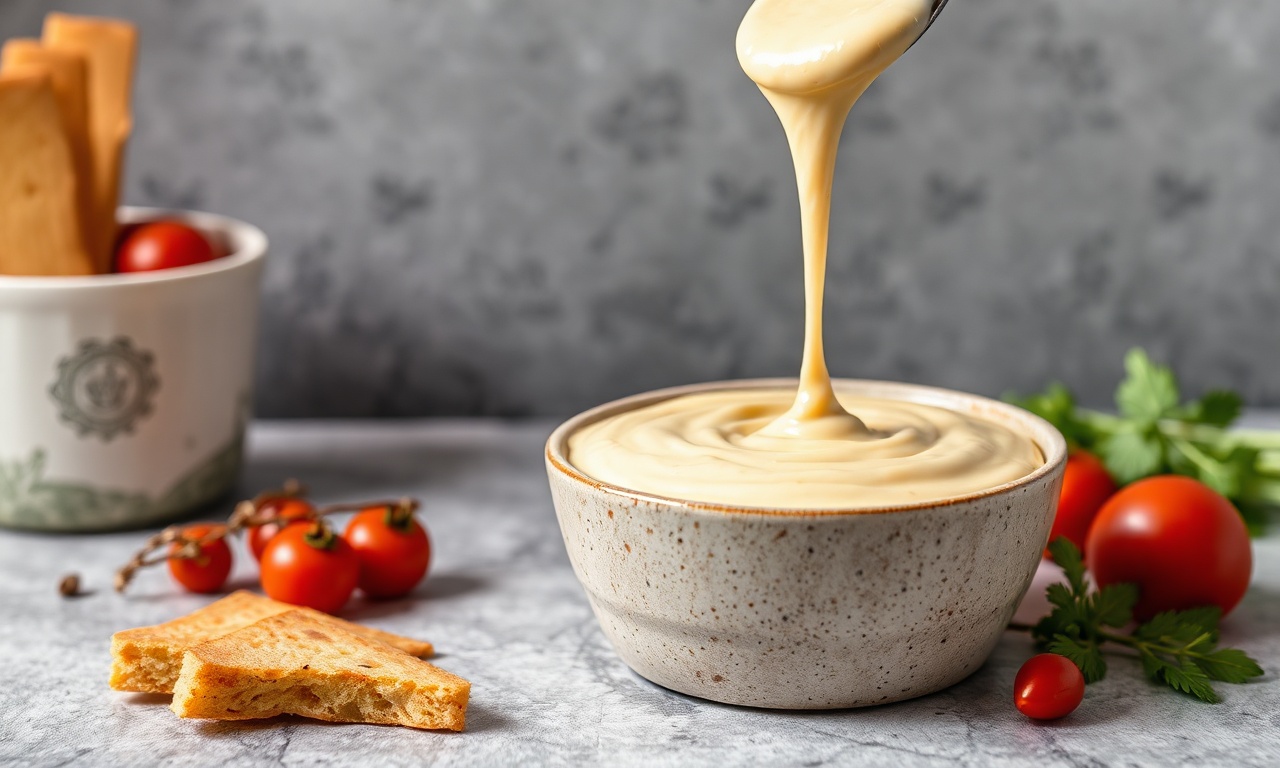
Easy Vegan cheese sauce has transitioned from a niche alternative to a celebrated staple, proof of its versatility and the ingenuity of plant-based cooking. It’s more than just a substitute; it’s a culinary marvel capable of elevating everything from pasta dishes and nachos to steamed vegetables and sandwiches. The beauty lies in its adaptability, allowing for a spectrum of flavors and textures that can rival, and in some cases, surpass, their dairy-based counterparts. This guide demystifies the process, offering expertise to craft a truly exceptional Easy Vegan cheese sauce that will impress even the most discerning palates, proving that indulgence and integrity can coexist beautifully on your plate.
The true magic of Easy Vegan cheese sauce isn’t in imitation, but in innovation; it unlocks a world of creamy, savory possibilities that are both ethical and exquisitely satisfying.
The Foundation of Flavor: Understanding Your Easy Vegan Ingredients
The cornerstone of any successful Easy Vegan cheese sauce lies in the careful selection and combination of plant-based ingredients. Unlike traditional cheese, which relies on the complex interplay of milk fats, proteins, and cultures, vegan sauces build their character from a different palette. The primary goal is to achieve a creamy base, a savory ‘cheesy’ essence, and a pleasing mouthfeel.
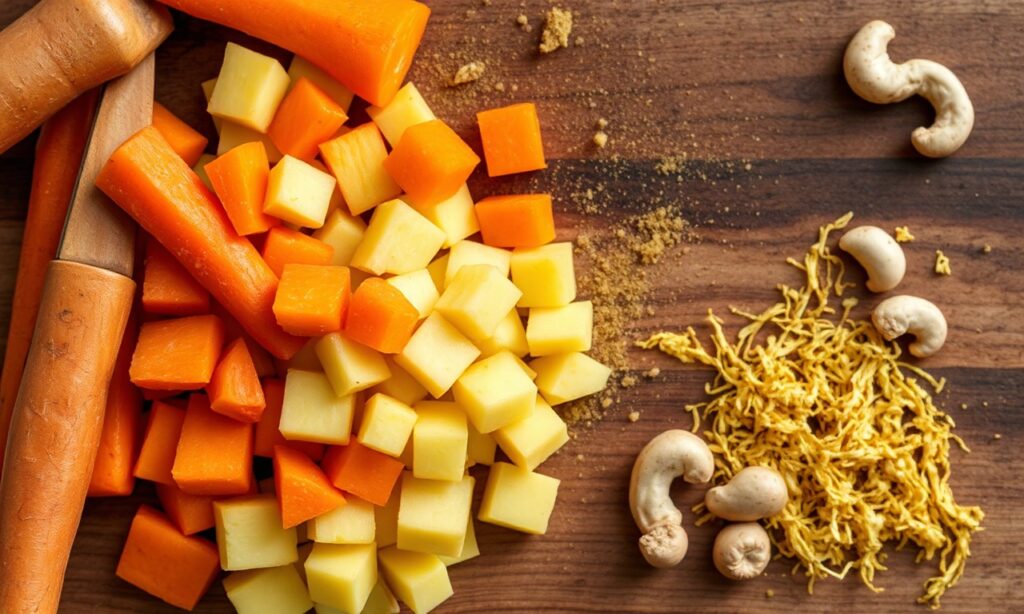
At the heart of many stellar Easy Vegan cheese sauces are starchy bases like cooked potatoes and carrots. These humble vegetables, when blended, provide incredible natural creaminess and a subtle sweetness that balances savory notes. Nutritional yeast is another non-negotiable; its umami-rich, nutty flavor profile is the closest you’ll get to replicating the tangy, cheesy essence of Parmesan or aged cheddar. Cashews, soaked and blended, offer unparalleled richness and body, contributing a luxurious fattiness that mimics dairy cream. For those with nut allergies, sunflower seeds or even white beans can be excellent alternatives, though they may alter the flavor and texture subtly.
Beyond these core components, a symphony of seasonings orchestrates the final flavor. Onion and garlic powders provide foundational aromatics, while a pinch of mustard powder or Dijon mustard adds a subtle tang that cuts through the richness. Smoked paprika can impart delightful depth, reminiscent of smoked gouda, and a touch of lemon juice or apple cider vinegar brightens the sauce and mimics the acidity found in dairy cheeses. The quality of your ingredients directly impacts the final outcome; opt for fresh produce and high-quality nutritional yeast for the best results.
The Role of Fats and Emulsification
Fats are crucial for both flavor and texture in Easy Vegan cheese sauce. They carry flavor compounds and contribute to that desirable silky mouthfeel. While cashews provide natural fats, some recipes benefit from the addition of a neutral oil, such as refined coconut oil or avocado oil. This oil, when blended thoroughly, helps to emulsify the sauce, preventing separation and ensuring a smooth, cohesive texture. The key is to use just enough to enhance richness without making the sauce greasy.
Mastering the Method: Crafting Your Perfect Easy Vegan Cheese Sauce
The preparation of Easy Vegan cheese sauce is remarkably straightforward, often involving a high-speed blender as your primary tool. The process generally begins with softening the base ingredients, typically by boiling or steaming the potatoes and carrots until they are fork-tender. This is a critical step; undercooked vegetables will result in a grainy sauce, while overcooked ones can lead to a watery consistency.
Once softened, these vegetables are drained and transferred to a high-powered blender. They are then combined with the other flavor enhancers: nutritional yeast, soaked cashews (if using), seasonings, and a liquid base, which is often water or unsweetened plant milk (such as almond or soy milk). The blending process is where the magic happens. Start on a low speed and gradually increase to high, allowing the blender to work its magic. You’re aiming for an utterly smooth, homogenous consistency, free from any lumps or graininess. This might take a few minutes, depending on the power of your blender.
Achieving Optimal Texture and Consistency
The liquid-to-solid ratio is paramount in achieving your desired consistency. If the sauce is too thick, gradually add more liquid, a tablespoon at a time, until it reaches the perfect pourable or spreadable state. Conversely, if it’s too thin, you can sometimes thicken it by returning it to a saucepan over low heat and allowing some of the excess moisture to evaporate, stirring constantly. Some recipes also incorporate a thickener like tapioca starch or cornstarch, which can be dissolved in a small amount of cold liquid and then whisked into the simmering sauce to create a more robust, cheese-like pull, especially when used in dishes like mac and cheese.
The Flavor Profile: Balancing Savory and Tangy Notes
The balance of flavors is what truly elevates an Easy Vegan cheese sauce. Don’t be afraid to taste and adjust. The nutritional yeast provides the core savory, cheesy flavor, but the acidity is equally important. A good squeeze of lemon juice or a dash of apple cider vinegar can dramatically transform the sauce, adding a brightness that prevents it from tasting flat or one-dimensional. A touch of sweetness from the carrots can be further balanced by a minuscule pinch of sugar or maple syrup if needed, though this is often unnecessary if the carrots are naturally sweet.
Versatility Unleashed: Delicious Applications for Easy Vegan Cheese Sauce
The true beauty of a well-crafted Easy Vegan cheese sauce lies in its chameleon-like ability to adapt to a myriad of culinary applications. It’s not merely a replacement for dairy cheese; it’s a star ingredient that brings its own unique charm and flavor profile to the table.
Perhaps its most iconic application is as the luscious coating for vegan macaroni and cheese. Imagine perfectly cooked pasta enveloped in a rich, velvety, golden sauce, perhaps topped with toasted breadcrumbs or fresh parsley. The ease with which this sauce coats the pasta is remarkable, creating a comforting and deeply satisfying dish. Beyond mac and cheese, this sauce is a revelation for nachos. Drizzled generously over tortilla chips, black beans, salsa, and jalapeños, it transforms a simple snack into a decadent appetizer. It provides that essential gooey, cheesy element that makes nachos irresistible.
Steamed or roasted vegetables, often overlooked in their need for a flavorful companion, are given a new lease on life with a generous dollop of Easy Vegan cheese sauce. Broccoli florets, cauliflower, asparagus, or even roasted potatoes become inherently more appealing when bathed in this creamy, savory goodness. It’s a simple yet profound way to increase vegetable consumption and enjoyment, particularly for children who might be hesitant about plain greens.
Elevating Your Easy Vegan Cheese Sauce: Pro-Tips and Variations
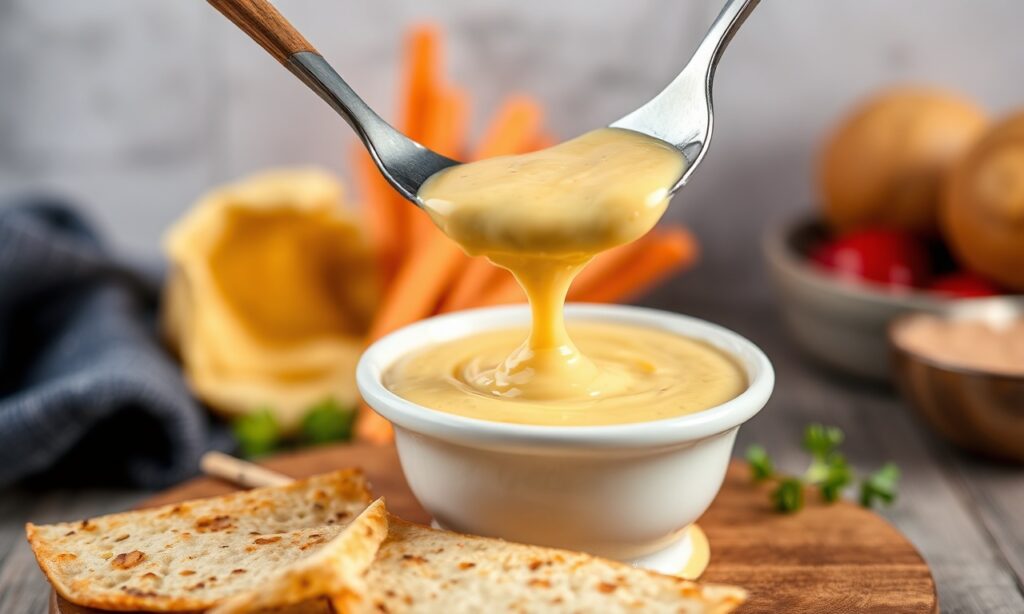
While a basic Easy Vegan cheese sauce is undeniably delicious, several expert techniques and variations can push it from good to utterly unforgettable. These nuanced adjustments cater to specific flavor profiles and textural preferences, allowing you to customize your sauce for any occasion.
One of the most impactful ways to elevate your sauce is by introducing smoky notes. Smoked paprika is a fantastic starting point, offering a gentle warmth and depth. For a more pronounced smoky flavor, consider using chipotle peppers in adobo sauce (a small amount goes a long way) or even a tiny splash of liquid smoke. This transforms the sauce into something reminiscent of a smoked cheddar or gouda, perfect for barbecue-themed dishes or hearty casseroles.
Another avenue for innovation lies in spice. For those who enjoy a kick, finely minced jalapeños or a pinch of cayenne pepper can be incorporated directly into the sauce. Alternatively, consider infusing the sauce with a spicy element during the blending process. A roasted red pepper can add not only a touch of sweetness and color but also a mild, pleasant heat. For a bolder, spicier profile, consider blending in a portion of pickled jalapeños or a swirl of your favorite hot sauce.
Infusing Depth with Umami and Aromatics
Beyond basic seasonings, consider layering in more complex umami flavors. A teaspoon of miso paste (white or yellow is usually best for a lighter cheese sauce) can add a profound depth of savory flavor that dairy cheese often provides. A tiny pinch of ground turmeric can enhance the golden hue of the sauce, making it visually more appealing, without significantly altering the taste.
For those who appreciate a more nuanced flavor profile, consider infusing the cooking liquid for the potatoes and carrots with aromatics. Simmering them with a bay leaf, a clove of garlic, or a sprig of thyme can impart subtle, sophisticated undertones that subtly enrich the final sauce. Remember to remove these aromatics before blending.
Nutritional Insights and Health Considerations for Easy Vegan Cheese Sauce
From a nutritional standpoint, Easy Vegan cheese sauce offers a compelling alternative, particularly for individuals managing lactose intolerance, dairy allergies, or those adhering to a plant-based lifestyle. The primary ingredients, such as potatoes, carrots, and cashews, provide a good source of complex carbohydrates, fiber, vitamins, and minerals. For instance, carrots are rich in beta-carotene, a precursor to Vitamin A, essential for vision and immune function. Potatoes offer potassium, vital for blood pressure regulation, and Vitamin C.
Nutritional yeast, a deactivated yeast, is a powerhouse of B vitamins, including B12, which is often a concern for those on vegan diets and is crucial for nerve function and DNA synthesis. The fat content, primarily from cashews or added oils, contributes to satiety and aids in the absorption of fat-soluble vitamins. However, it’s important to be mindful of the overall fat and calorie content, especially if oil is used liberally.
Research suggests a typical serving (approximately 1/4 cup or 60ml) of a basic Easy Vegan cheese sauce made with potatoes, carrots, nutritional yeast, and a small amount of cashews might contain around 100-150 calories, with 5-10 grams of fat, and 2-4 grams of protein. This data can vary significantly based on the specific recipe and portion size. For individuals managing specific health conditions, consulting with a registered dietitian or nutritionist is always recommended to integrate such recipes into a balanced dietary plan.
Addressing Common Concerns: Sodium and Allergens
While generally healthier than many dairy cheese sauces, Notably, some recipes can be high in sodium, particularly if bouillon or seasoned vegetable broths are used as the liquid base. Opting for low-sodium vegetable broth or water and controlling the salt added during seasoning is a good practice. For those with nut allergies, sunflower seeds or white beans serve as excellent substitutes for cashews, though they might subtly alter the creamy richness. Always double-check ingredient labels for hidden allergens.
Frequently Asked Questions about Easy Vegan Cheese Sauce
What is the best way to store Easy Vegan cheese sauce?
Easy Vegan cheese sauce can be stored in an airtight container in the refrigerator for up to 4-5 days. When ready to use, it may thicken considerably. You can gently reheat it on the stovetop over low heat, adding a splash of water or plant milk to reach your desired consistency. It can also be frozen in ice cube trays for smaller, pre-portioned amounts, which can then be thawed and reheated.
Can I make Easy Vegan cheese sauce without cashews?
Absolutely! If you have a nut allergy or prefer to avoid cashews, there are several excellent alternatives. Soaked sunflower seeds offer a comparable creaminess. Cooked white beans (cannellini or navy beans) also provide a smooth texture and can absorb flavors well. Some recipes even utilize silken tofu for a lighter, yet still creamy, base. Each substitute may subtly alter the final flavor and richness, so experimentation is key.
How can I make my Easy Vegan cheese sauce thicker?
If your sauce is too thin, you can thicken it in a few ways. The most common method is to simmer it gently on the stovetop, stirring constantly, to allow excess moisture to evaporate. Alternatively, you can create a slurry by mixing a teaspoon of cornstarch or tapioca starch with a tablespoon of cold water, then whisking this slurry into the sauce as it heats up on the stove until it thickens. Ensure the starch is fully dissolved to avoid clumps.
What makes nutritional yeast taste cheesy?
Nutritional yeast is a deactivated yeast that has a unique, savory, umami-rich flavor profile often described as nutty, cheesy, or even slightly meaty. This distinct taste comes from its high concentration of glutamates and its specific amino acid composition. It’s a staple in vegan cooking for its ability to impart a “cheesy” flavor without any dairy products, and it’s also a good source of B vitamins.
Can I add vegetables to the Easy Vegan cheese sauce itself?
Yes, you can! Beyond the foundational carrots and potatoes, you can blend in other cooked vegetables for added flavor and nutrients. Roasted red peppers add a sweet, smoky depth and a vibrant color. Cooked sweet potatoes can offer a slightly sweeter profile. A small amount of steamed cauliflower can also contribute to creaminess without significantly altering the flavor. Ensure any added vegetables are well-cooked and blended until completely smooth.
See also: Easy Vegan