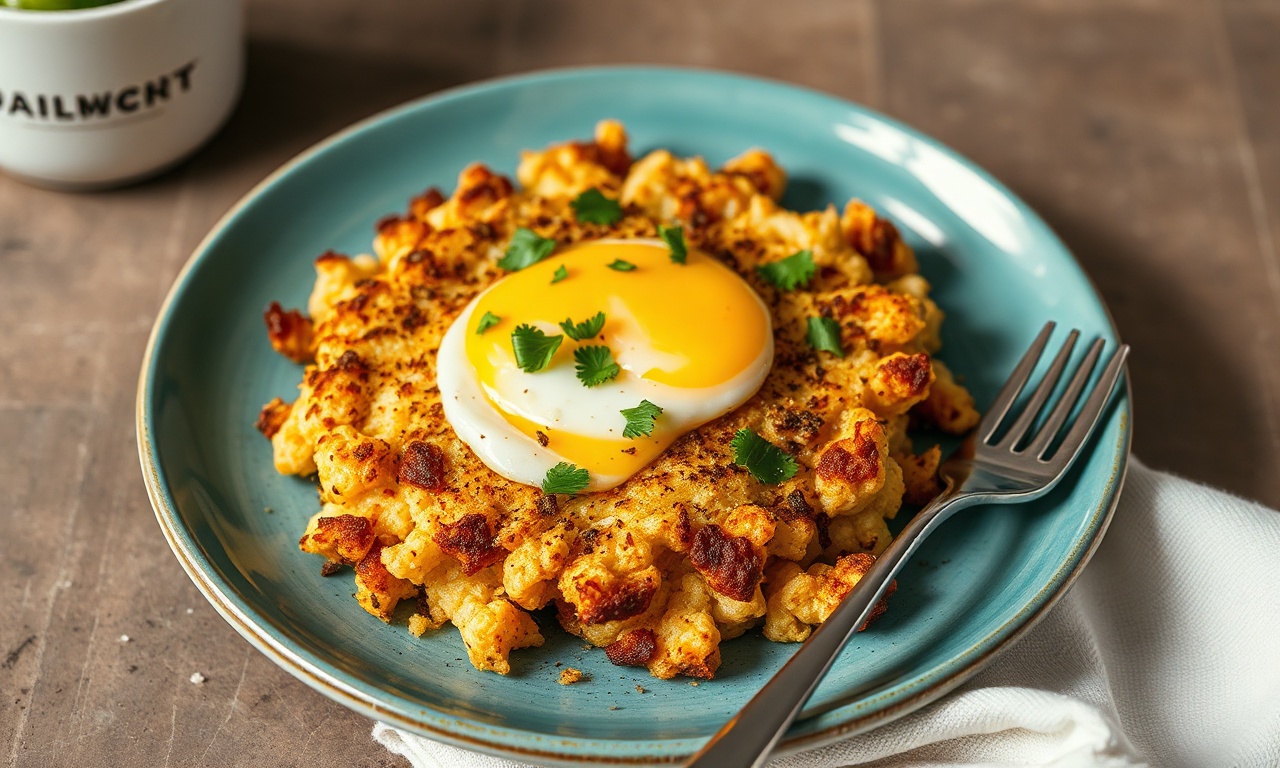

Cauliflower hashbrowns represent a significant culinary shift, mirroring a broader societal move towards nutrient-dense, lower-carbohydrate eating habits. A recent report indicated a global increase in vegetable consumption, with cruciferous vegetables like cauliflower seeing particular interest for their versatility and health benefits. This surge isn’t merely about dietary trends; it’s about rediscovering familiar foods in entirely new, exciting ways. This guide will walk you through crafting perfect cauliflower hashbrowns, transforming your breakfast routine.
Key Takeaways:
- Cauliflower hashbrowns offer a significantly lower carbohydrate and calorie profile compared to traditional potato hashbrowns, making them an excellent choice for health-conscious individuals.
- Achieving the right texture—crispy on the outside, tender within—is paramount and requires specific preparation techniques for the cauliflower.
- The versatility of cauliflower hashbrowns allows for endless customization with herbs, spices, and additional vegetables or proteins.
- This dish is proof of how familiar ingredients can be reimagined to meet modern nutritional needs and culinary desires.
The humble hashbrown, a breakfast staple for generations, has long been associated with comforting, albeit often carb-heavy, indulgence. While undeniably delicious, the traditional potato version can pack a substantial caloric and carbohydrate punch. Enter the cauliflower hashbrown, a culinary innovation that has rapidly gained traction among health enthusiasts, low-carb dieters, and anyone seeking a lighter, yet equally satisfying, start to their day. This cruciferous wonder has proven itself to be far more than a mere substitute; it’s a legitimate star in its own right, offering a unique flavor profile and a delightful textural experience.
The journey of cauliflower from a side dish to a breakfast hero is proof of culinary ingenuity. It’s about harnessing the natural properties of a vegetable and transforming it into something that evokes the same satisfaction as its more traditional counterpart, but with a vastly improved nutritional ledger. This transformation requires understanding cauliflower’s distinct characteristics: its moisture content, its tendency to soften when cooked, and its mild, almost nutty flavor that readily absorbs other tastes. Mastering these elements is key to unlocking the full potential of cauliflower hashbrowns.
Why has this simple vegetable swap garnered so much attention? The answer lies in a confluence of factors, primarily driven by evolving dietary landscapes and a growing awareness of health and wellness. Traditional hashbrowns, typically made from grated potatoes, are a good source of carbohydrates. However, for individuals managing blood sugar levels, adhering to low-carbohydrate diets, or simply aiming to reduce their overall carbohydrate intake, potato hashbrowns can be problematic.
Cauliflower, on the other hand, is remarkably low in carbohydrates and calories, yet rich in fiber, vitamins (particularly C and K), and minerals. According to USDA data, a 100-gram serving of raw cauliflower contains approximately 5 grams of total carbohydrates, of which only 2.3 grams are net carbs. Compare this to a similar serving of potato, which contains around 17 grams of total carbohydrates. This stark difference makes cauliflower hashbrowns an attractive option for weight management, blood sugar control, and general health optimization. Beyond the raw numbers, the texture achievable with cauliflower hashbrowns is surprisingly similar to their potato counterparts when prepared correctly, offering that sought-after crispiness.
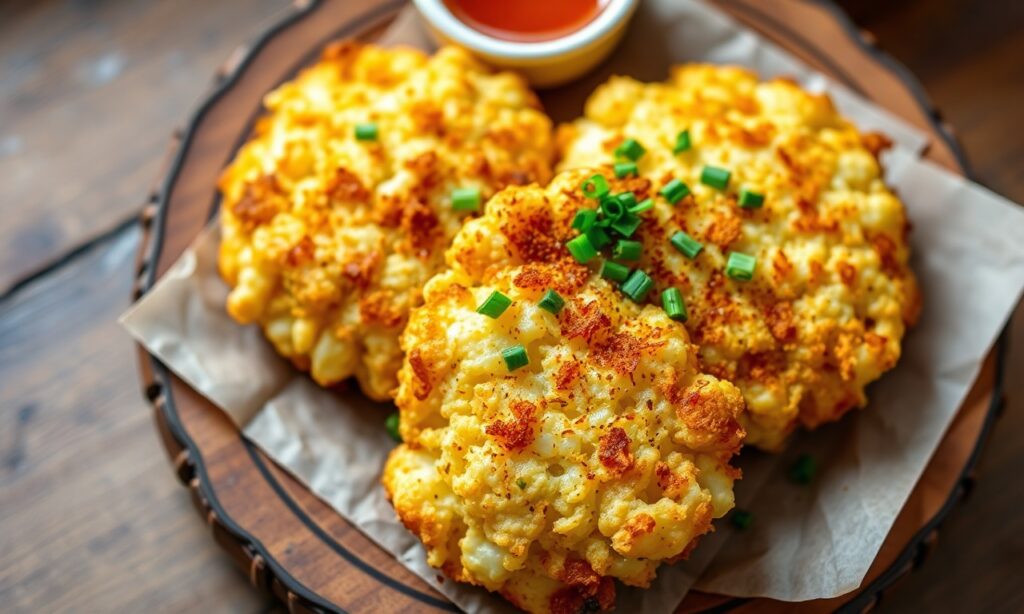
Crafting exceptional cauliflower hashbrowns is less about complex culinary wizardry and more about precision and understanding the ingredient’s nature. The foundation is, of course, fresh cauliflower. The quality of your cauliflower will directly impact the final outcome, so opt for firm, white heads with no brown spots.
Here’s what you’ll need for a standard batch, yielding approximately 4 servings:
- Cauliflower: 1 large head (about 2 lbs or 900g)
- Binder: 1 large egg, lightly beaten
- Flavor Enhancers:
- 1/4 cup finely chopped onion (or 1 tablespoon onion powder for a smoother texture)
- 2 tablespoons finely chopped fresh chives (plus extra for garnish)
- 1 teaspoon garlic powder
- 1/2 teaspoon smoked paprika (optional, for color and subtle smoky flavor)
- Salt, to taste (start with 1/2 teaspoon)
- Freshly ground black pepper, to taste (start with 1/4 teaspoon)
- Fat for Cooking:
- 2-3 tablespoons high-heat cooking oil (such as avocado oil, coconut oil, or ghee) for pan-frying, or cooking spray for baking.
The beauty of cauliflower hashbrowns lies in their adaptability. Feel free to experiment with other finely chopped aromatics like shallots or green onions. For an extra protein boost, consider adding a tablespoon or two of nutritional yeast for a cheesy flavor, or even a small amount of finely grated cheese like cheddar or Parmesan if your dietary plan allows. Herbs such as parsley, dill, or even a pinch of rosemary can also elevate the flavor profile.
The process of turning cauliflower into hashbrowns involves several critical steps, each designed to manage moisture and achieve that desirable crispy exterior. Overlooking any of these stages can result in a soggy, less-than-ideal outcome.
Begin by washing and drying the cauliflower head thoroughly. Remove the leaves and the tough core. Cut the cauliflower into florets. Next, you have two primary methods for breaking down the florets:
1. Food Processor Method: This is the most efficient and common approach. Working in batches to avoid overcrowding, pulse the florets in a food processor until they resemble the texture of coarse rice or breadcrumbs. Be careful not to over-process, which can turn the cauliflower into a paste.
2. Box Grater Method: If you don’t have a food processor, you can use the large holes of a box grater to shred the cauliflower florets. This method is more labor-intensive but yields a similar result.
This is arguably the *most crucial step* for achieving crispiness. Raw cauliflower contains a significant amount of water. If this moisture isn’t removed, your hashbrowns will steam rather than fry, resulting in a mushy texture.
Transfer the riced cauliflower to a clean kitchen towel or cheesecloth. Gather the edges and twist tightly, squeezing out as much liquid as humanly possible. You’ll be surprised at how much water is released. Repeat this process if necessary, ensuring the cauliflower is as dry as you can get it.
In a medium bowl, combine the thoroughly squeezed cauliflower with the lightly beaten egg, chopped onion (if using fresh), chives, garlic powder, smoked paprika (if using), salt, and pepper. Mix gently but thoroughly until all the ingredients are evenly distributed. The egg acts as a binder, holding the mixture together.
You can form the mixture into traditional round, flattened patties, or simply spoon portions directly into the hot pan. For patties, take about 1/4 cup of the mixture into your hands and gently press it into a compact disc, about 1/2 inch thick. If the mixture feels too wet to hold its shape, you can add a tablespoon of almond flour or coconut flour to help absorb any residual moisture.
Pan-Frying (Recommended for Best Crispiness):
Heat 2-3 tablespoons of your chosen cooking oil in a large non-stick skillet over medium-high heat. Once the oil is shimmering, carefully place the formed patties into the pan, ensuring not to overcrowd it. Cook for 4-6 minutes per side, until deeply golden brown and crisp. You may need to adjust the heat to prevent burning.
Baking (A Lighter Option):
Preheat your oven to 400°F (200°C). Lightly grease a baking sheet or line it with parchment paper. Place the formed patties or spoon mounds of the mixture onto the prepared sheet. Bake for 20-25 minutes, flipping halfway through, until golden and firm. Note that baked hashbrowns will generally be less crispy than pan-fried ones.
The health benefits of opting for cauliflower hashbrowns are significant. Beyond being a lower-carb alternative, cauliflower is a nutritional powerhouse.
- Lower Carbohydrate Load: This is the primary driver for many. Reducing carbohydrate intake can aid in blood sugar management. Research highlights the role of low-carbohydrate diets in improving glycemic control.
- Rich in Fiber: The fiber content in cauliflower supports digestive health, promotes satiety, and can help regulate cholesterol levels.
- Vitamins and Minerals: Cauliflower is a good source of Vitamin C, essential for immune function and skin health, and Vitamin K, crucial for blood clotting and bone health. It also provides folate, potassium, and manganese.
- Antioxidants and Phytochemicals: Cauliflower contains various antioxidants and sulfur-containing compounds that have been studied for their potential anti-inflammatory and anti-cancer properties. While more research is needed, these compounds contribute to cauliflower’s overall health profile.
When you replace traditional potato hashbrowns with cauliflower, you’re not just cutting calories and carbs; you’re actively increasing your intake of vital nutrients and beneficial compounds. This isn’t just about restriction; it’s about intelligent substitution that enhances your nutritional intake.
To truly master cauliflower hashbrowns and impress even the most discerning palates, consider these expert touches:
- Roast the Cauliflower First: For an even deeper, nuttier flavor, consider lightly roasting the cauliflower florets (tossed with a little oil, salt, and pepper) at 400°F (200°C) for about 15-20 minutes until tender-crisp, before ricing and squeezing. This caramelizes some of the natural sugars, adding complexity.
- Infuse Your Cooking Fat: For pan-frying, consider infusing your oil with aromatics. Gently heat your oil with a clove of garlic or a sprig of rosemary for a few minutes before removing the solids and using the flavored oil to cook the hashbrowns.
- The “Double Fry” Technique (Pan-Fried Only): After the first side is golden brown and crispy, carefully flip the hashbrowns. If the pan seems dry, add a little more oil. Continue cooking until the second side is equally golden. For an extra layer of crispness, you can briefly remove them from the pan and let them cool for a minute before returning them to the hot pan for a final sear.
- Don’t Fear the Browning: Deep golden brown is the color of deliciousness and crispiness. The Maillard reaction is your friend here, creating those irresistible crispy edges.
- Serve Immediately: Like their potato counterparts, cauliflower hashbrowns are best enjoyed fresh off the heat when they are at their crispiest.
The rise of cauliflower hashbrowns is more than a fleeting food trend; it represents a grounded, practical approach to modern eating. It’s about taking a readily available, humble vegetable and transforming it into something extraordinary. This aligns with a growing desire for wholesome, unprocessed foods that don’t require exotic ingredients or complicated techniques. It’s about resourcefulness and making smart choices without sacrificing enjoyment.
This dish embodies a philosophy of “less is more,” proving that a few carefully prepared ingredients can yield spectacular results. It’s proof of the idea that healthy eating doesn’t have to be bland or restrictive. Cauliflower hashbrowns are approachable, forgiving, and adaptable, making them an ideal candidate for everyday cooking. They offer a tangible way for individuals to make a positive dietary change without feeling deprived, a true “down-to-earth” revolution in breakfast cuisine.
“The most profound culinary transformations often come not from exotic ingredients, but from a deeper understanding and respect for the humble ones we already know.”
H3: Can I make cauliflower hashbrowns ahead of time?
While best enjoyed fresh, you can prepare the cauliflower ‘rice’ and squeeze out the moisture a day in advance. Store it in an airtight container in the refrigerator. When ready to cook, mix in the egg and seasonings and proceed with forming and cooking. However, the mixture might be a bit wetter, so you may need to add a touch more binder like almond flour. For optimal crispiness, cooking them immediately after preparation is recommended.
H3: What can I serve with cauliflower hashbrowns?
Cauliflower hashbrowns are incredibly versatile. They pair wonderfully with classic breakfast items like fried or poached eggs, bacon, sausage, or avocado. They also make an excellent base for a breakfast bowl, topped with smoked salmon, cream cheese, and capers, or a vegetarian option with sautéed spinach, mushrooms, and a dollop of Greek yogurt or a vegan alternative.
H3: How can I make my cauliflower hashbrowns crispier?
The key to crispiness lies in removing as much moisture as possible from the cauliflower before cooking. Ensure you squeeze the ‘rice’ thoroughly. Using enough cooking fat (oil or ghee) in the pan and cooking over medium-high heat are also crucial. Avoid overcrowding the pan, as this can lead to steaming instead of frying. Letting them cook undisturbed for a good few minutes on each side also helps develop a golden crust.
H3: Are cauliflower hashbrowns suitable for a ketogenic diet?
Yes, cauliflower hashbrowns are an excellent choice for a ketogenic diet. Cauliflower is very low in net carbohydrates, and when prepared without starchy binders, it fits perfectly into a keto eating plan. They provide a satisfying, savory element to breakfast without significantly impacting your carbohydrate macros.
H3: Can I freeze cooked cauliflower hashbrowns?
You can freeze cooked cauliflower hashbrowns, but their texture may change upon reheating. Allow them to cool completely, then arrange them in a single layer on a baking sheet lined with parchment paper and freeze until solid. Once frozen, transfer them to a freezer-safe bag or container. Reheat them in a skillet over medium heat or in a toaster oven to regain some crispiness, though they likely won’t be as crispy as freshly made ones.
See also: Cauliflower Hashbrowns