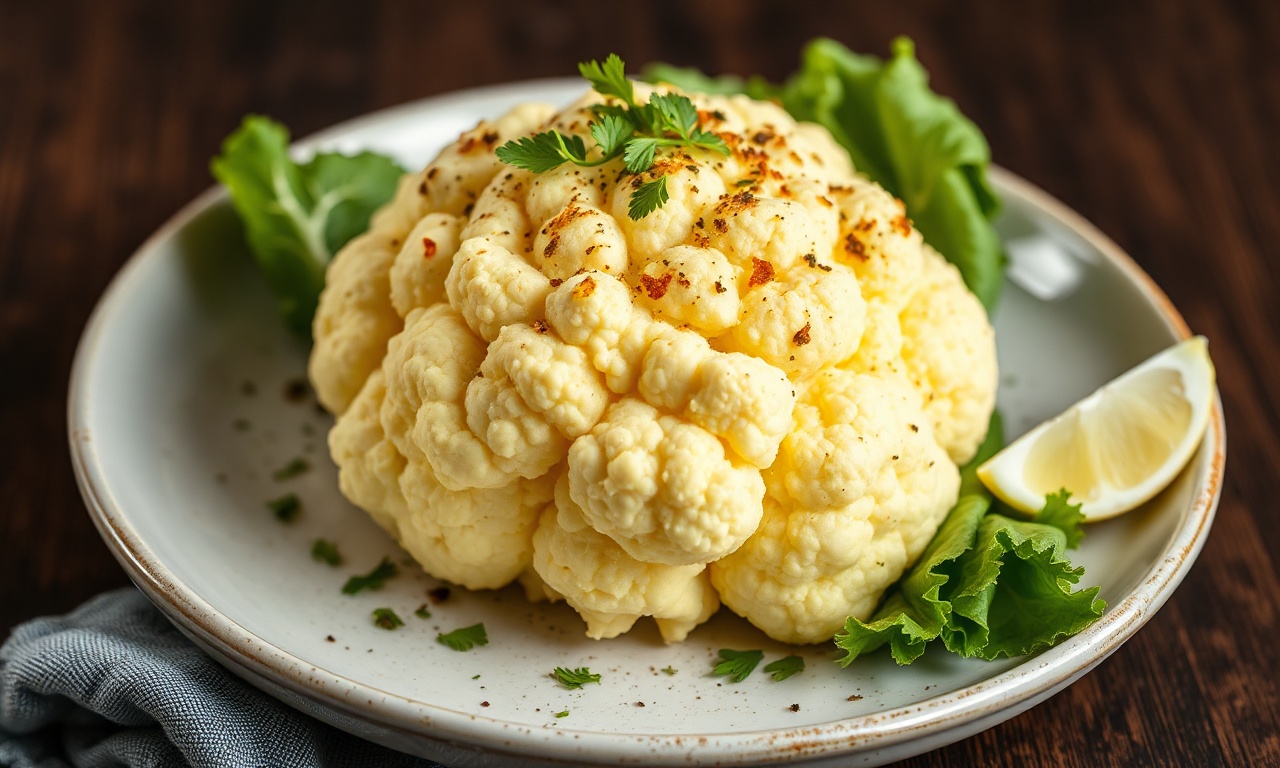

Butter Cauliflower is more than just a plant-based rendition of a beloved classic; it’s a culinary revelation that challenges preconceptions about vegan cooking. For years, the idea of achieving the rich, unctuous mouthfeel and deep, savory notes of traditional butter chicken without dairy or meat seemed like a distant dream for many. Yet, through meticulous technique and a nuanced understanding of flavor profiles, “Butter Cauliflower” has emerged as a dish that not only satisfies but often surpasses its conventional counterpart in complexity and depth. This article explores how this seemingly simple vegetable transforms into a star, examining the science behind its flavor, essential techniques, and the artistry that makes it a triumph of modern vegan cuisine.
- The Genesis of Butter Cauliflower: A Culinary Evolution
- Mastering the Flavor Profile: The Art of Spices
- The Creamy Secret: Plant-Based Emulsification
- The Cauliflower Component: Preparation is Paramount
- The Definitive Butter Cauliflower Recipe
- Ingredients:
- Preparation Method:
- Nutritional Information (Approximate per serving, assuming 4 servings):
- Expert Pro-Tips for Restaurant-Quality Butter Cauliflower
- The Definitive Truth: Vegan Flavor Reimagined
- Frequently Asked Questions
- What is the difference between vegan Butter Cauliflower and traditional Butter Chicken?
- Can I use other vegetables instead of cauliflower?
- How can I make the sauce thicker if it’s too thin?
- What can I serve with Butter Cauliflower?
- Is it possible to make Butter Cauliflower without cashews or coconut milk?
Key Takeaways:
- Achieving authentic “Butter Cauliflower” flavor hinges on building layers of aromatic spices and a creamy, emulsified sauce.
- The cauliflower itself matter significantly, requiring specific preparation to absorb flavors and develop a pleasing texture.
- Strategic use of plant-based fats and acidic elements is paramount for replicating the richness and balance of dairy-based sauces.
- This dish represents a significant advancement in vegan comfort food, proving that ethical eating can be profoundly indulgent.
The Genesis of Butter Cauliflower: A Culinary Evolution
The journey of Butter Cauliflower from a novel vegan interpretation to a celebrated staple is proof of culinary innovation. Traditionally, Butter Chicken (Murgh Makhani) is a rich, tomato-based curry originating from Delhi, India. Its signature creamy texture and complex flavor profile come from a generous amount of butter, cream, and a blend of aromatic spices. The vegan adaptation, Butter Cauliflower, seeks to replicate these sensory experiences using entirely plant-based ingredients. This evolution wasn’t merely about substitution; it was about re-engineering the dish from the ground up. Early vegan attempts often fell short, resulting in watery sauces or bland cauliflower. However, with advancements in plant-based dairy alternatives and a deeper understanding of how to coax flavor from vegetables, Butter Cauliflower has truly come into its own.
It embodies a broader trend in plant-based cooking: not just to mimic, but to elevate and innovate, creating dishes that stand proudly on their own merit.
From Humble Vegetable to Culinary Star
Cauliflower, often relegated to side dishes or steamed preparations, possesses an incredible ability to absorb flavors. Its dense florets, when roasted or pan-seared, develop a slightly caramelized exterior and a tender, yielding interior that serves as the perfect canvas for the rich, spiced sauce. This transformation is key to the success of Butter Cauliflower. Unlike meat, which has its own inherent flavor and texture, cauliflower relies entirely on the sauce and cooking method to impart its character. The challenge and the triumph lie in ensuring that the cauliflower doesn’t become mushy or watery, and that its subtle earthy notes are enhanced rather than masked by the robust Indian spices.
Mastering the Flavor Profile: The Art of Spices
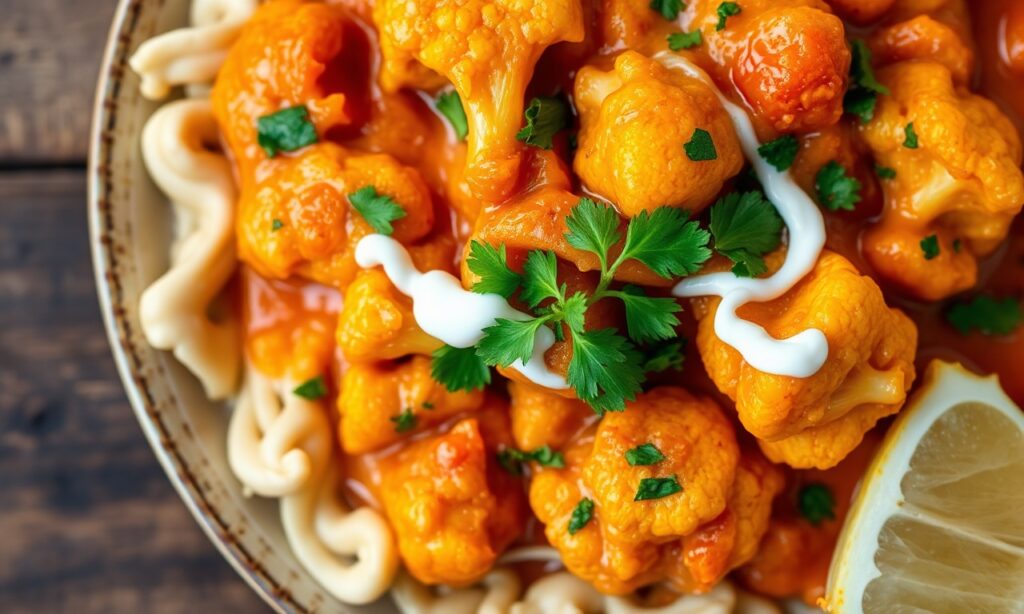
The soul of any “butter” curry lies in its spice blend, and Butter Cauliflower is no exception. Achieving the authentic, complex flavor requires more than just a random assortment of spices; it demands an understanding of how each element contributes to the overall symphony. The foundation is typically built with garam masala, a blend that varies regionally but generally includes cinnamon, cardamom, cloves, cumin, and coriander. These warming spices provide the aromatic depth. Turmeric lends its characteristic golden hue and subtle earthy bitterness, while ginger and garlic form an indispensable aromatic paste, providing pungent warmth and complexity. Fenugreek leaves (kasoori methi) are a secret weapon, imparting a unique, slightly bitter, and savory note that is quintessentially Indian and incredibly difficult to replicate.
The Balancing Act: Sweetness, Acidity, and Heat
A truly exceptional Butter Cauliflower dish achieves a delicate balance between sweet, savory, and tangy elements. The sweetness often comes from tomatoes, which also provide a crucial acidic counterpoint to the richness. A touch of sugar or a natural sweetener like maple syrup can be used to round out the flavors, especially if the tomatoes are particularly tart. The heat, typically from green chilies or cayenne pepper, should be present but not overwhelming, offering a pleasant warmth that awakens the palate. The interplay of these components is what elevates Butter Cauliflower from a mere curry to an experience.
“The magic of Butter Cauliflower isn’t in the absence of butter, but in the skillful orchestration of aromatics and the creation of a velvety sauce that hugs every tender floret.”
The Creamy Secret: Plant-Based Emulsification
Perhaps the most significant hurdle in veganizing rich, creamy dishes is replicating the mouthfeel and emulsification of dairy. Traditional Butter Chicken relies heavily on butter and cream for its luxurious texture. For Butter Cauliflower, several plant-based heroes come to the rescue. Cashews are a perennial favorite. When soaked and blended into a smooth paste, they create an incredibly rich and creamy base that mimics dairy remarkably well. The natural fats in cashews contribute to the luscious mouthfeel. Another excellent option is coconut milk, particularly the full-fat variety. Its inherent richness and subtle tropical sweetness can be expertly balanced with the spices, though it can impart a distinct coconut flavor that some may wish to minimize. Tahini, or sesame seed paste, can also be used in smaller quantities to add a nutty depth and creaminess.
The key is to create a stable emulsion, where the fat and liquid components are thoroughly combined, preventing the sauce from separating.
Techniques for Ultimate Creaminess
The process of creating the sauce is as critical as the ingredients. Starting with a well-sautéed base of onions, ginger, and garlic is fundamental. The tomatoes are then cooked down to a jam-like consistency, concentrating their flavor and sweetness. The spices are bloomed in hot oil or ghee (or a plant-based alternative) to release their volatile aromatics before liquids are added. Finally, the cashew cream or coconut milk is gently incorporated, and the sauce is simmered, allowing the flavors to meld and thicken. A final swirl of plant-based butter or a drizzle of refined coconut oil can add an extra layer of richness and shine, further enhancing the illusion of dairy.
The Cauliflower Component: Preparation is Paramount
The cauliflower itself demands careful attention. Simply boiling or steaming it will result in a bland, watery texture that will detract from the rich sauce. The most effective methods involve techniques that promote browning and a slightly firmer texture.
Roasting for Depth and Texture
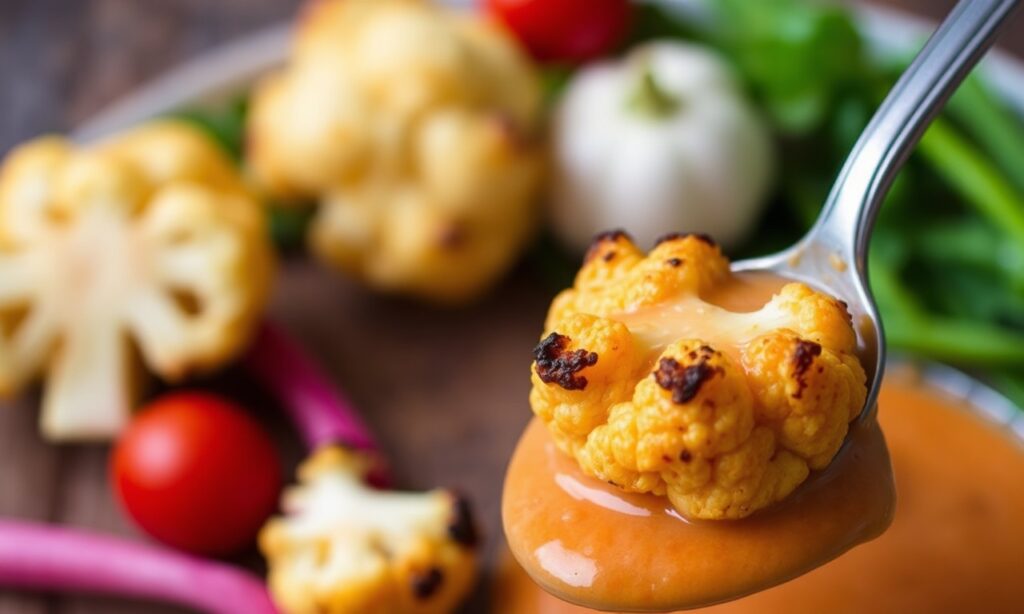
Roasting is arguably the superior method for preparing cauliflower for Butter Cauliflower. Tossing the florets with a little oil, salt, and pepper, and roasting them at a high temperature (around 400-425°F or 200-220°C) until tender and caramelized on the edges, imparts a nutty, slightly smoky flavor and a delightful textural contrast. This caramelization is crucial for developing a more complex flavor profile that can stand up to the robust curry. Some chefs even opt for pan-searing the florets until golden brown before adding them to the sauce, achieving a similar effect.
The Importance of Size and Even Cooking
When cutting the cauliflower, aim for uniformly sized florets. This ensures that they cook evenly, preventing some pieces from becoming mushy while others remain undercooked. The florets should be bite-sized, large enough to be satisfying but small enough to be easily scooped with a spoon or eaten with naan. Overcrowding the roasting pan should be avoided; allow ample space for air circulation so the cauliflower can roast and caramelize rather than steam.
The Definitive Butter Cauliflower Recipe
This recipe aims to deliver an authentic, deeply flavorful Butter Cauliflower that satisfies even the most discerning palates.
Ingredients:
- For the Cauliflower:
- 1 large head of cauliflower (about 2 lbs / 900g), cut into bite-sized florets
- 2 tablespoons olive oil or neutral cooking oil
- ½ teaspoon salt
- ¼ teaspoon black pepper
- For the Sauce:
- 2 tablespoons plant-based butter (or refined coconut oil)
- 1 large onion, finely chopped
- 3 cloves garlic, minced
- 1-inch piece ginger, grated or finely minced
- 1-2 green chilies, finely chopped (adjust to your heat preference)
- 1 teaspoon ground cumin
- 1 teaspoon ground coriander
- ½ teaspoon ground turmeric
- ¼ teaspoon cayenne pepper (optional, for extra heat)
- ½ teaspoon garam masala
- 1 (28 ounce / 794g) can crushed tomatoes
- ½ cup raw cashews, soaked in hot water for at least 30 minutes (or 1 cup full-fat coconut milk)
- 1 tablespoon tomato paste
- 1 teaspoon sugar (or to taste)
- ½ teaspoon dried fenugreek leaves (kasoori methi), crushed
- Salt to taste
- ½ cup water, or more as needed
- Fresh cilantro, chopped, for garnish
- Plant-based heavy cream or cashew cream, for drizzling (optional)
Preparation Method:
1. Roast the Cauliflower: Preheat your oven to 400°F (200°C). On a large baking sheet, toss the cauliflower florets with olive oil, salt, and pepper. Spread them in a single layer. Roast for 20-25 minutes, or until tender and lightly browned and caramelized on the edges. Set aside. [TIP]Expert Insight: Roasting the cauliflower separately ensures it retains a pleasant bite and develops those crucial caramelized notes that add depth, preventing it from becoming mushy in the sauce. 2. Prepare the Cashew Cream (if using): Drain the soaked cashews and blend them with about ½ cup of fresh water in a high-speed blender until perfectly smooth and creamy. Set aside. If using coconut milk, simply have it ready. 3. Sauté Aromatics: In a large pot or Dutch oven, melt the plant-based butter over medium heat. Add the chopped onion and sauté until softened and translucent, about 5-7 minutes. 4.
Build the Flavor Base: Add the minced garlic, grated ginger, and chopped green chilies to the pot. Sauté for another minute until fragrant. 5. Bloom the Spices: Stir in the cumin, coriander, turmeric, cayenne pepper (if using), and garam masala. Cook for about 30 seconds, stirring constantly, until the spices are fragrant. Be careful not to burn them. 6. Add Tomatoes and Simmer: Pour in the crushed tomatoes and tomato paste. Stir well, scraping up any bits from the bottom of the pot. Bring the mixture to a gentle simmer and cook for 10-15 minutes, stirring occasionally, until the sauce has thickened slightly and the raw tomato flavor has cooked off. 7. Incorporate Creaminess: Stir in the cashew cream (or coconut milk), sugar, and crushed fenugreek leaves. Mix thoroughly. Add ½ cup of water, or more, to reach your desired sauce consistency. Season with salt to taste. 8.
Simmer and Meld: Bring the sauce to a gentle simmer. Reduce the heat to low, cover, and let it cook for at least 15-20 minutes, allowing the flavors to meld beautifully. Stir occasionally to prevent sticking. 9. Combine with Cauliflower: Gently add the roasted cauliflower florets to the simmering sauce. Stir carefully to coat them evenly. Cook for another 5-7 minutes, uncovered, allowing the cauliflower to absorb some of the sauce’s flavors and heat through. 10. Serve: Garnish generously with fresh chopped cilantro. For an extra touch of indulgence, drizzle with a little plant-based heavy cream or cashew cream. Serve hot with basmati rice, naan, or roti.
Nutritional Information (Approximate per serving, assuming 4 servings):
- Calories: 350-450 kcal
- Protein: 8-12g
- Fat: 20-30g (varies based on plant-based butter and cashew amount)
- Saturated Fat: 5-10g
- Carbohydrates: 30-40g
- Fiber: 6-9g
- Sugar: 15-20g (primarily from tomatoes)
- Sodium: 400-600mg (varies based on added salt)
*Note: This is an estimation. Actual nutritional values can vary based on specific ingredients and portion sizes used.*
Expert Pro-Tips for Restaurant-Quality Butter Cauliflower
Achieving that truly sublime, restaurant-quality Butter Cauliflower involves a few nuanced steps that go beyond the basic recipe. It’s about layering flavors and textures with intention.
- Double the Tomato Intensity: For a deeper, richer tomato base, consider using a combination of crushed tomatoes and a tablespoon of good quality tomato paste. Sautéing the tomato paste with the aromatics before adding the crushed tomatoes can further concentrate its flavor.
- The Kasoori Methi Ritual: Don’t underestimate the power of kasoori methi (dried fenugreek leaves). Crush them between your palms before adding them to the sauce. This releases their volatile oils and imparts a distinctive, almost smoky, aromatic quality that is hard to replicate. It’s a hallmark of authentic Indian cuisine.
- The Fat Finish: Just as traditional Butter Chicken often finishes with a knob of butter, a final swirl of high-quality plant-based butter or a light drizzle of refined coconut oil just before serving can add a sheen and an extra layer of richness that enhances the mouthfeel.
- Smoked Paprika for Nuance: For an added layer of complexity and a hint of smokiness that complements the roasted cauliflower, consider adding a small pinch of smoked paprika along with the other ground spices. Use it judiciously to avoid overpowering the other flavors.
- Acidity Adjustment is Key: Taste and adjust the acidity towards the end of cooking. If the sauce tastes a bit flat or too sweet, a tiny squeeze of fresh lemon juice can brighten the flavors considerably without making the dish taste lemony.
[WARNING]Pro-Caution: While plant-based fats like coconut oil and cashews are excellent for richness, be mindful of their unique flavor profiles. Refined coconut oil has a neutral flavor, whereas unrefined can impart a distinct coconut taste. Cashews offer a neutral creaminess. Ensure your chosen fat complements, rather than competes with, the spices.
The Definitive Truth: Vegan Flavor Reimagined
Butter Cauliflower is a paradigm shift in plant-based gastronomy. It demonstrates that vegan cooking is not about deprivation, but about ingenuity and a profound understanding of flavor science. The “butter” in Butter Cauliflower isn’t a single ingredient, but a concept – the rich, velvety sensation achieved through expert emulsification and the judicious use of plant-based fats. The “cauliflower” is not just a substitute, but a canvas that, when prepared with care, absorbs and amplifies the complex spice profiles. This dish is proof of the fact that with thoughtful technique and quality ingredients, plant-based meals can be as deeply satisfying, comforting, and flavorful as their traditional counterparts. It’s a dish that invites exploration, celebrates culinary evolution, and ultimately, proves that vegan flavor can be absolutely, unequivocally spectacular.
Frequently Asked Questions
What is the difference between vegan Butter Cauliflower and traditional Butter Chicken?
The primary difference lies in the ingredients used to achieve the characteristic richness and creaminess. Traditional Butter Chicken uses dairy butter and cream, and often chicken as the main protein. Vegan Butter Cauliflower replaces these with plant-based fats (like plant-based butter, coconut milk, or cashew cream) and uses cauliflower as the star ingredient. The spice blend and cooking techniques aim to replicate the flavor profile and texture as closely as possible.
Can I use other vegetables instead of cauliflower?
Yes, while cauliflower is ideal due to its texture and ability to absorb flavor, other robust vegetables can be used. Broccoli florets, paneer (if not strictly vegan, or a vegan alternative), firm tofu, or even hearty root vegetables like sweet potatoes or butternut squash can be adapted, though cooking times and textures will vary.
How can I make the sauce thicker if it’s too thin?
If your sauce is thinner than desired, you can thicken it by simmering it uncovered for a longer period to allow excess liquid to evaporate. Alternatively, you can create a slurry by mixing a teaspoon of cornstarch or arrowroot powder with a tablespoon of cold water, then stirring this mixture into the simmering sauce until it thickens.
What can I serve with Butter Cauliflower?
Butter Cauliflower is traditionally served with steamed basmati rice. It also pairs wonderfully with Indian breads like naan, roti, or paratha. A side of cooling raita (made with plant-based yogurt) or a fresh cucumber salad can provide a refreshing contrast to the richness of the curry.
Is it possible to make Butter Cauliflower without cashews or coconut milk?
Yes, it is possible. Other options for achieving creaminess include using silken tofu blended until smooth, or a generous amount of tahini (sesame paste) for a nutty richness. Some recipes also rely on a very well-reduced tomato and onion base, emulsified with a good amount of plant-based butter, though the texture might be slightly less creamy than with nuts or coconut.
See also: Butter Cauliflower