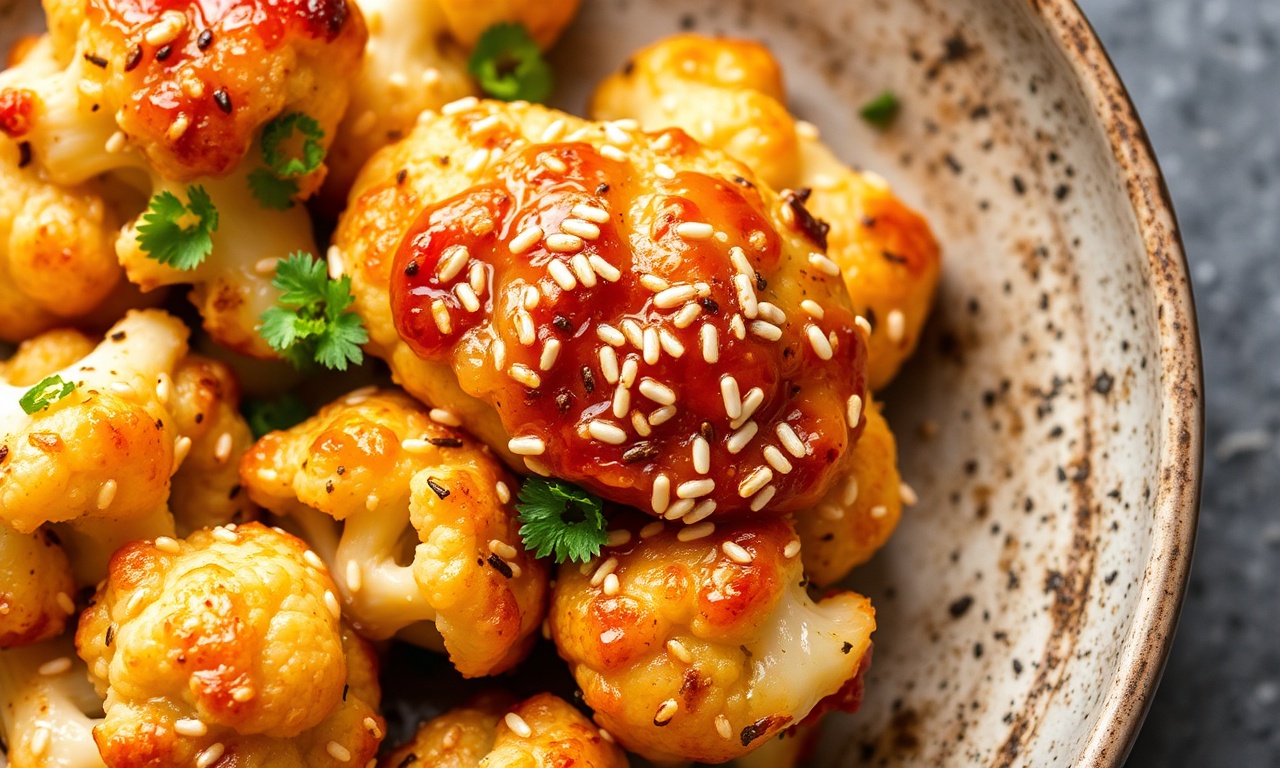

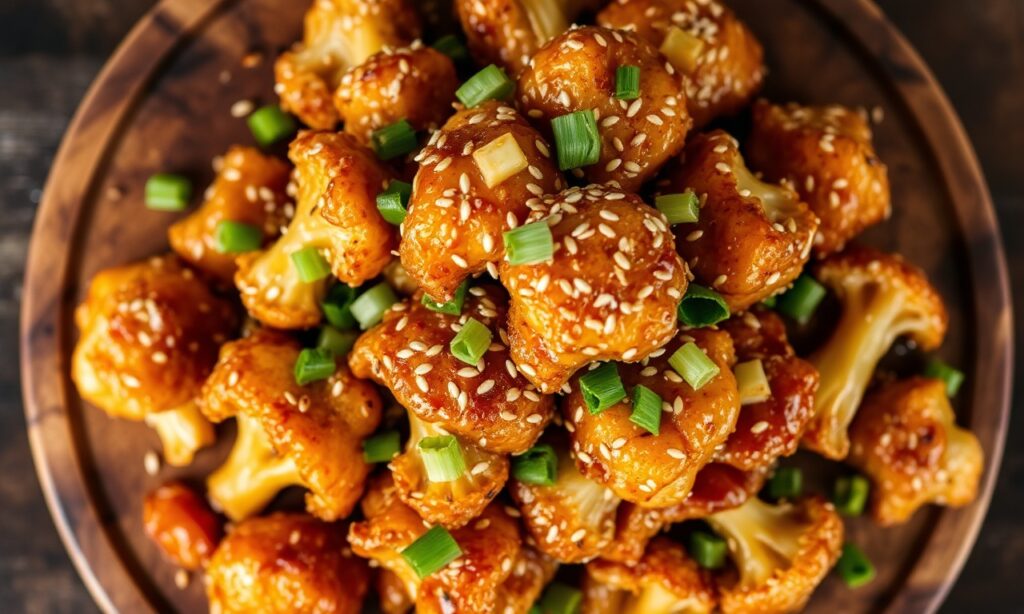
Sticky Sesame Cauliflower has a way of transforming the humble crucifer into a culinary star. It’s the kind of dish that makes even the most ardent vegetable skeptic a convert, its glossy, caramelized coating hinting at a depth of flavor that belies its simple preparation. For years, variations of this dish have graced menus and home kitchens alike, proof of its universal appeal. Yet, achieving that perfect balance of crispy exterior and tender interior, all while adhering to gluten-free and vegan dietary needs, can feel like a delicate dance. This recipe is the culmination of countless experiments, fine-tuned to deliver that irresistible sticky-sweet, savory, and slightly tangy profile that defines truly great Sticky Sesame Cauliflower.
- The Allure of Sticky Sesame Cauliflower
- Essential Ingredients for Perfect Sticky Sesame Cauliflower
- Mastering the Preparation: A Step-by-Step Guide
- Step 1: Preparing the Cauliflower for Optimal Crispness
- Step 2: Roasting to Golden Perfection
- Step 3: Crafting the Irresistible Sticky Sauce
- Step 4: Bringing It All Together
- Step 5: Serving Your Masterpiece
- Expert Tips for Restaurant-Quality Results
- Nutritional Snapshot
- Frequently Asked Questions
Key Takeaways:
- Achieve restaurant-quality crispy texture through proper cauliflower preparation and cooking methods.
- Master the art of the sticky glaze for a perfectly balanced sweet, savory, and tangy flavor profile.
- This recipe is naturally gluten-free and vegan, making it an inclusive crowd-pleaser.
- Properly seasoned and cooked cauliflower is key to unlocking its full flavor potential.
The journey to this definitive recipe began with a simple observation: cauliflower, when treated with respect and the right techniques, offers a neutral canvas capable of absorbing and transforming into complex flavors. Early attempts often resulted in soggy florets or a sauce that was too thin to coat properly. It became clear that a two-pronged approach was necessary: ensuring the cauliflower itself was perfectly cooked before it met the sauce, and then developing a glaze that would cling tenaciously, creating that signature “stickiness.” This isn’t just about a sauce; it’s about a harmonious integration of flavor and texture.
The Allure of Sticky Sesame Cauliflower
The magic of Sticky Sesame Cauliflower lies in its ability to satisfy multiple cravings simultaneously. It offers the satisfying crunch of something fried or roasted, the umami depth of soy sauce (or its gluten-free alternative), the subtle sweetness of sugar or maple syrup, and the nutty aroma of toasted sesame oil. This complex flavor profile, combined with its plant-based and gluten-free nature, positions it as a versatile dish suitable for a weeknight dinner, a vibrant appetizer, or a unique side. Its popularity is further evidenced by the surge in plant-based eating; research indicates a significant growth in the global vegan food market, showcasing a clear demand for delicious, accessible vegan recipes.
Why This Recipe Stands Apart
What sets this Sticky Sesame Cauliflower recipe apart is its meticulous attention to detail, ensuring optimal texture and flavor without compromise. Techniques are employed that ensure each floret is perfectly coated and cooked to a delightful crisp. The gluten-free aspect is handled with care, using tamari or coconut aminos to maintain that essential savory base. The vegan element is inherent in the ingredients, proving that plant-based cooking can be every bit as indulgent and satisfying as traditional counterparts.
Essential Ingredients for Perfect Sticky Sesame Cauliflower
Crafting exceptional Sticky Sesame Cauliflower begins with selecting the right components. The quality of your ingredients directly impacts the final outcome, so opt for fresh produce and high-quality pantry staples whenever possible.
- Cauliflower: One large head (about 2 lbs or 900g), cut into bite-sized florets.
- Oil for Roasting: 2-3 tablespoons of a high-heat cooking oil, such as avocado oil, grapeseed oil, or light olive oil.
- Cornstarch or Arrowroot Starch: 1/4 cup (30g), for coating the cauliflower to achieve crispiness.
- Salt: 1 teaspoon, plus more to taste.
- Black Pepper: 1/2 teaspoon, freshly ground.
For the Sticky Sesame Sauce:
- Gluten-Free Soy Sauce or Tamari: 1/3 cup (80ml). For a soy-free option, use coconut aminos.
- Rice Vinegar: 2 tablespoons (30ml). This adds a crucial tanginess that balances the sweetness.
- Maple Syrup or Agave Nectar: 2 tablespoons (30ml). Adjust to your preferred sweetness level.
- Toasted Sesame Oil: 1 tablespoon (15ml). This is non-negotiable for that signature nutty aroma.
- Garlic: 2-3 cloves, minced. Fresh garlic provides a more pungent and desirable flavor.
- Ginger: 1 teaspoon, freshly grated. Adds warmth and a subtle spicy note.
- Cornstarch or Arrowroot Starch: 1 tablespoon (10g), mixed with 2 tablespoons (30ml) of water to create a slurry. This is key for thickening the sauce.
For Garnish (Optional but Recommended):
- Toasted Sesame Seeds: 2 tablespoons.
- Green Onions (Scallions): 2-3 stalks, thinly sliced.
Mastering the Preparation: A Step-by-Step Guide
Achieving the perfect Sticky Sesame Cauliflower hinges on a few crucial preparation steps. These are foundational techniques that ensure a superior result.
Step 1: Preparing the Cauliflower for Optimal Crispness
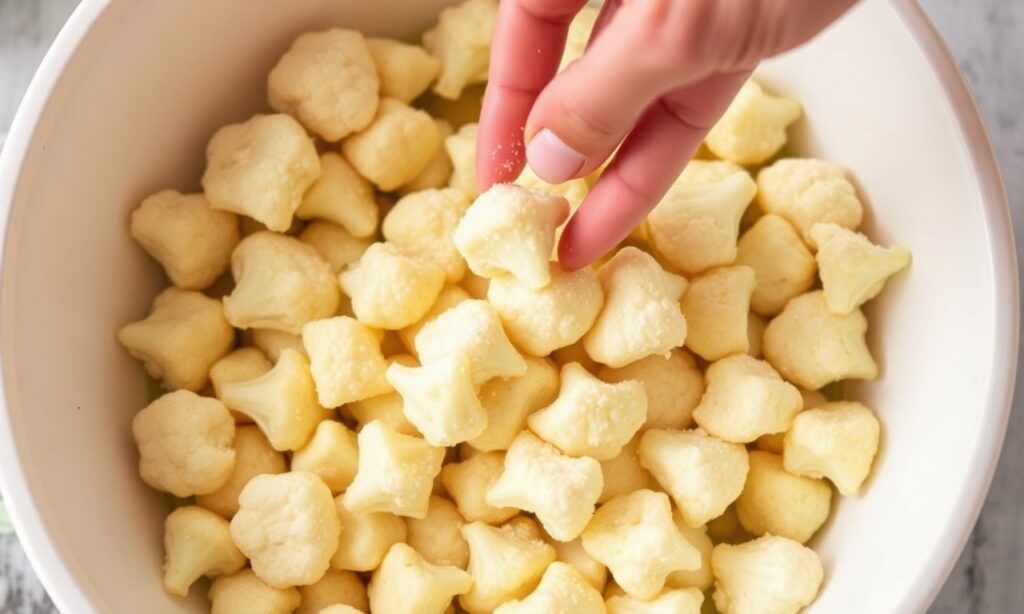
Preheat your oven to 400°F (200°C). Line a large baking sheet with parchment paper for easy cleanup and to prevent sticking. In a large bowl, toss the cauliflower florets with the roasting oil, salt, and pepper. Ensure each floret is lightly coated.
Next, sprinkle the cornstarch or arrowroot starch over the oiled cauliflower. Toss thoroughly until all the florets are evenly dusted. This starch coating is vital; it absorbs moisture and creates a barrier that crisps up beautifully in the oven, preventing the cauliflower from becoming soggy.
Step 2: Roasting to Golden Perfection
Spread the coated cauliflower in a single layer on the prepared baking sheet. Avoid overcrowding the pan, as this will cause the florets to steam rather than roast, leading to a less desirable texture. If necessary, use two baking sheets. Roast for 20-25 minutes, flipping the florets halfway through, until they are tender and have developed golden-brown, slightly crispy edges. The degree of browning will significantly influence the final flavor and texture.
Step 3: Crafting the Irresistible Sticky Sauce
While the cauliflower is roasting, prepare the sauce. In a small saucepan, whisk together the gluten-free soy sauce (or tamari/coconut aminos), rice vinegar, maple syrup, minced garlic, and grated ginger. Heat this mixture over medium heat until it just begins to simmer.
In a small bowl, whisk together the cornstarch (or arrowroot starch) and water to create a smooth slurry. Once the sauce in the saucepan is simmering, slowly whisk in the slurry. Continue to cook, stirring constantly, for 1-2 minutes, or until the sauce thickens to a syrupy consistency that coats the back of a spoon. Be careful not to overcook, as it can become too thick. Remove from heat and stir in the toasted sesame oil.
Step 4: Bringing It All Together
Once the cauliflower is roasted and the sauce is ready, it’s time to combine them. Remove the cauliflower from the oven. Pour the thickened sticky sesame sauce over the hot cauliflower in the baking sheet. Gently toss the florets until they are evenly coated in the glossy sauce.
Return the coated cauliflower to the oven for an additional 5-7 minutes. This final roast helps the sauce caramelize slightly, further enhancing the “sticky” texture and deepening the flavors. Keep a close eye on it to prevent burning.
Step 5: Serving Your Masterpiece
Transfer the Sticky Sesame Cauliflower to a serving dish. Garnish generously with toasted sesame seeds and thinly sliced green onions. Serve immediately while hot and at its crispiest. This dish is a fantastic standalone appetizer or a superb side dish for any meal. It pairs exceptionally well with rice, noodles, or your favorite plant-based protein.
Expert Tips for Restaurant-Quality Results
Elevating your Sticky Sesame Cauliflower from good to extraordinary involves a few nuanced techniques that seasoned chefs employ. These tips ensure you achieve a dish that rivals those found in high-end restaurants.
Maximizing Crispness
The foundation of great Sticky Sesame Cauliflower is its texture. Ensure your cauliflower florets are completely dry before tossing them with oil and starch. Moisture is the enemy of crispiness. Patting them dry with paper towels is an essential, albeit seemingly minor, step. Furthermore, as mentioned, avoid overcrowding the baking sheet; giving each floret ample space allows hot air to circulate, promoting even roasting and crisping.
Balancing the Sauce Flavors
The sauce is where the magic truly happens, but it requires a delicate balance. Taste the sauce before thickening it with the slurry. You might find you prefer it a little sweeter, tangier, or saltier. Adjust the maple syrup, rice vinegar, and tamari accordingly. A common pitfall is making the sauce too sweet without enough acidity to cut through it, or too salty without enough sweetness to round it out. The goal is a harmonious blend.
The Role of Starch
Both the initial dusting of starch on the cauliflower and the cornstarch slurry in the sauce play critical roles. The initial starch coating helps to create a light, crispy exterior, similar to how it’s used in many Asian stir-fry preparations. The slurry in the sauce is what gives it that desirable thick, glossy, and “sticky” consistency that adheres beautifully to the cauliflower. Using a fresh slurry made just before adding it to the simmering sauce ensures it thickens effectively without clumping.
Nutritional Snapshot
While precise nutritional values can vary based on ingredient brands and exact measurements, a typical serving of this Sticky Sesame Cauliflower (approximately 1/4 of the recipe) is a nutrient-dense choice. It’s rich in fiber, vitamins C and K, and provides a good source of complex carbohydrates.
A general estimate per serving:
- Calories: 180-250 kcal
- Protein: 4-6g
- Fat: 10-15g (mostly from healthy oils)
- Carbohydrates: 20-25g
- Fiber: 5-7g
This dish is naturally free from gluten and animal products, making it an excellent option for those with dietary restrictions or preferences. The inclusion of ingredients like ginger and garlic also adds beneficial antioxidants.
Frequently Asked Questions
How can I make the cauliflower extra crispy?
To achieve maximum crispiness, ensure your cauliflower florets are thoroughly dried before coating with oil and cornstarch. Roasting them in a single layer on parchment paper at a high temperature (400°F/200°C) is crucial. For an even crispier finish, consider briefly broiling the florets for the last 1-2 minutes of cooking, watching them very closely to prevent burning.
Can I use a different vegetable instead of cauliflower?
Absolutely! Broccoli florets, Brussels sprouts (halved or quartered), or even chunks of sweet potato can be substituted for cauliflower. Adjust roasting times as needed, as different vegetables will cook at varying rates. For instance, Brussels sprouts might require a slightly longer roasting time to achieve tenderness.
What is the best way to store leftover Sticky Sesame Cauliflower?
Leftovers can be stored in an airtight container in the refrigerator for up to 3-4 days. However, Keep in mind that the crispiness will diminish over time. For the best experience, it’s recommended to enjoy it fresh. Reheating can be done in a skillet over medium heat to try and revive some crispiness, or gently in a toaster oven. Microwaving is generally not recommended as it tends to make the cauliflower soft and soggy.
Is this recipe suitable for meal prep?
Yes, this recipe is quite amenable to meal prep. You can roast the cauliflower and prepare the sauce in advance. Store them separately in airtight containers in the refrigerator. When you’re ready to serve, gently reheat the cauliflower, toss it with the sauce, and finish with a brief roast or broil to regain some crispiness. This makes it an excellent option for packing lunches or preparing weeknight dinners ahead of time.
What are coconut aminos and why might I use them?
Coconut aminos are a soy-free, gluten-free alternative to soy sauce. They are made from the fermented sap of coconut palm trees and have a naturally slightly sweet, savory flavor. They are an excellent option for individuals with soy allergies or those looking to avoid soy-based products. The taste is generally milder and less intensely salty than soy sauce or tamari, so you may need to adjust seasoning slightly if substituting.
Sticky Sesame Cauliflower is more than just a recipe; it’s an experience. It’s proof that plant-based eating can be incredibly flavorful, satisfying, and visually appealing. By understanding the fundamental techniques—from achieving that perfect crisp to balancing the sweet and savory glaze—you can confidently recreate this beloved dish in your own kitchen.
See also: Sticky Sesame