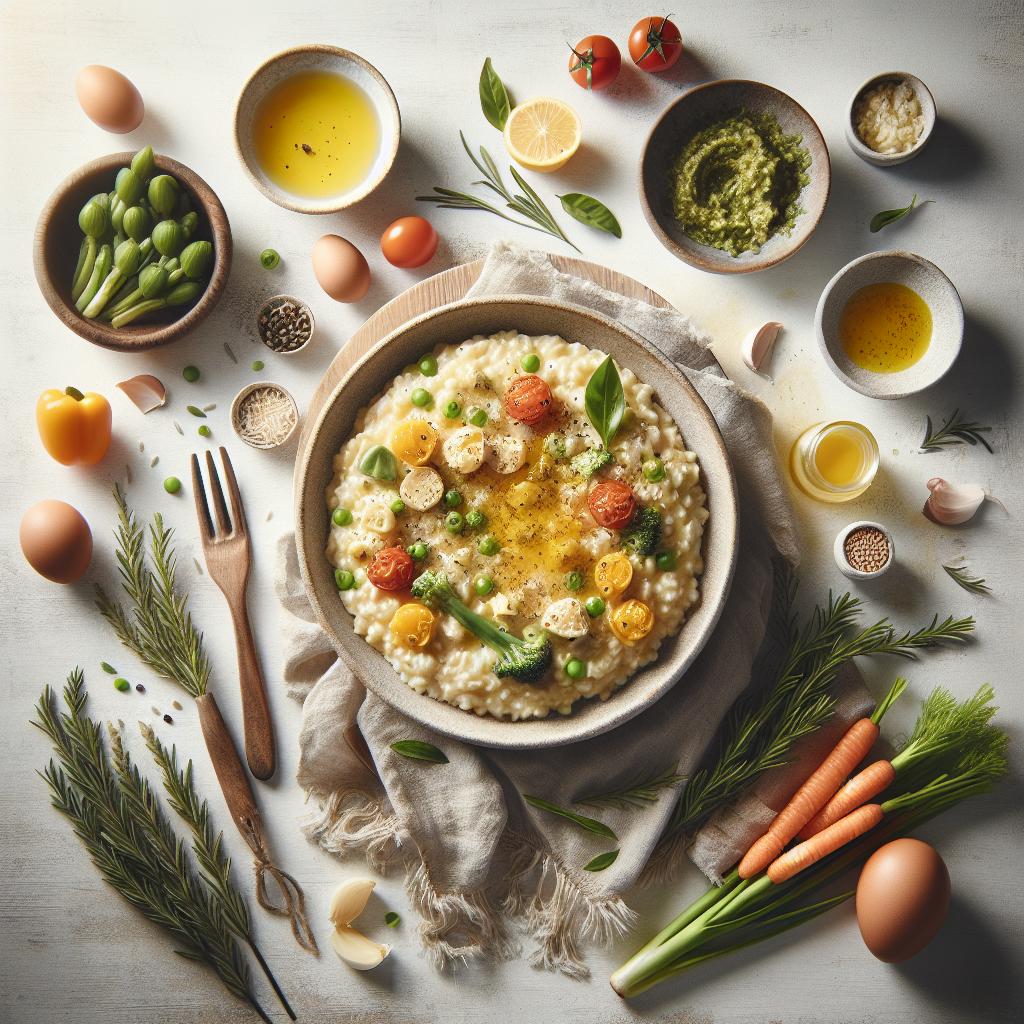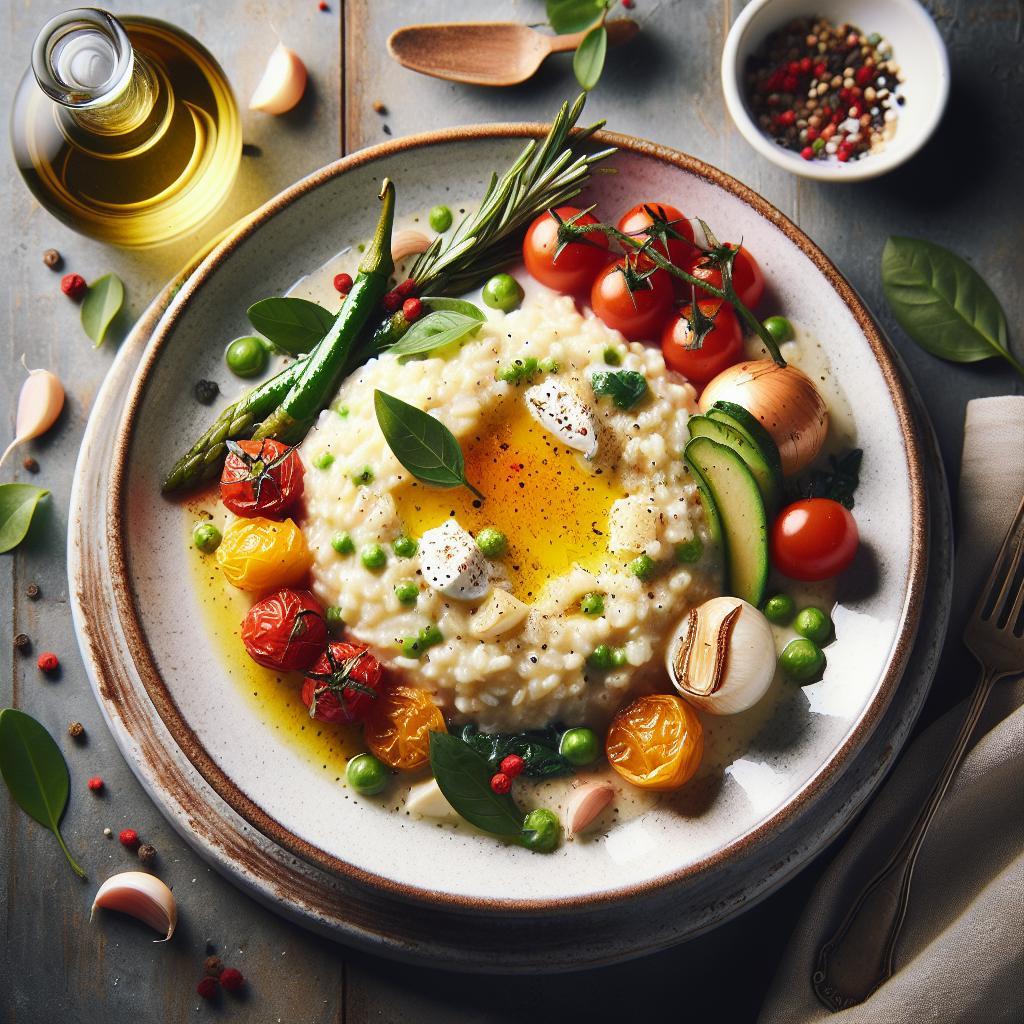

When it comes to comfort food that whispers luxury in every spoonful, few dishes rival the silky allure of a perfectly cooked risotto. But what if the secret to that luscious creaminess lies not just in technique, but in the very grains you choose? Welcome to “Risotto Rice Revealed: Secrets to Creamy Perfection Unveiled,” where we dive deep into the world of risotto rice-the unsung hero behind Italy’s iconic dish. From the unique starches that transform ordinary grains into a velvety tapestry, to insider tips that elevate your culinary craft, this article uncovers the mysteries and magic behind achieving that flawless, creamy texture every risotto lover dreams of. Prepare to embark on a flavorful journey that will transform your kitchen into an Italian trattoria.
Risotto Rice Revealed: Unlocking the Key to Creamy Texture
Risotto Rice Revealed: the quintessential guide for anyone craving that irresistibly creamy, luscious Italian classic. Rooted in Northern Italy’s rich culinary heritage, risotto’s magic lies in the rice – its ability to soak up flavors while releasing starch to create a silky texture. Over years of culinary exploration, I’ve discovered how selecting the perfect rice variety, mastering precise cooking techniques, and choosing the ideal broth can elevate your risotto to sublime levels. This article demystifies the essential components, empowering you to craft risotto with confidence, artistry, and that hallmark creaminess every time.
Prep and Cook Time
- Preparation: 10 minutes
- Cooking: 25-30 minutes
- Total Time: 40 minutes
Yield
Serves 4 generous portions
Difficulty Level
Medium – Patient stirring and attention to liquid absorption required
Ingredients
- 1 ½ cups Arborio rice (ideally Italian short-grain risotto rice)
- 4 cups vegetable broth, kept warm
- 1 small onion, finely chopped
- 2 tbsp unsalted butter
- 2 tbsp extra virgin olive oil
- ½ cup freshly grated Parmesan cheese
- 1 cup mushrooms, sliced (optional)
- Salt and freshly ground black pepper, to taste
- 1 clove garlic, minced
Instructions
- Prepare the broth: In a medium saucepan, keep the vegetable broth warm over low heat. Using warm broth helps maintain cooking temperature and ensures even rice absorption.
- Sauté aromatics: In a large heavy-bottomed skillet or saucepan, heat olive oil over medium heat. Add chopped onion and garlic, stirring until translucent and fragrant, about 3-4 minutes. Be careful not to brown-the goal is gentle softening.
- Toast the rice: Add Arborio rice to the skillet stirring constantly to coat each grain with oil and sweat gently. Toast the rice for about 2 minutes until it looks pearly but not browned-this step enhances nuttiness.
- Begin adding broth: Pour a ladle of warm vegetable broth to just cover the rice, stirring gently but continuously with a wooden spoon. This slow addition encourages starch release, key to creamy risotto.
- Consistent stirring: Stir regularly, letting the rice absorb the broth before adding the next ladle-about 2-3 minutes per addition. This gradual method is vital to an even creamy texture without mushiness.
- Add mushrooms (optional): About halfway through the process (after 10-15 minutes), gently fold in mushrooms, continuing to stir and add broth as before.
- Check doneness: After about 25 minutes, taste rice; grains should be al dente-tender yet with a slight bite. Adjust seasoning with salt and pepper.
- Finish with butter and cheese: Remove pan from heat and quickly stir in butter and Parmesan until melted and integrated, giving risotto its characteristic richness and shine.
- Rest and serve: Let risotto sit for 1-2 minutes before plating, allowing flavors to harmonize and texture to settle.
Chef’s Notes: Mastering the Art of Creamy Risotto
- Rice variety matters: Arborio offers excellent creaminess, but Carnaroli and Vialone Nano rice are revered for their superior starch content and texture control-ideal for risotto experts.
- Broth choice influences flavor: A rich, homemade vegetable broth layered with herbs like thyme or bay leaf will boost depth. For instant broth, choose low-sodium and heat it thoroughly before use.
- Stirring secrets: Stir gently but consistently-vigorous stirring breaks grains and creates cloudier risotto, while scant stirring risks uneven cooking.
- Butter and cheese timing: Incorporate them off the heat to prevent clumping and preserve the creamy finish.
- Make it yours: Experiment with mix-ins like roasted butternut squash, peas, or saffron for seasonal flair without compromising texture.
- Make-ahead tips: Risotto is best served fresh; however, you can cool and refrigerate leftovers, then gently reheat with a splash of broth, stirring to revive creaminess.
Serving Suggestions
Plate your risotto with a gentle mound in a shallow bowl, garnished with freshly chopped parsley or basil for a burst of color and freshness.
A final dusting of Parmesan adds aroma and a savory touch; for an elegant twist, drizzle some high-quality extra virgin olive oil or a dollop of mascarpone just before serving.
Pair with crisp green salad and crusty bread to balance texture and complete a meal worthy of any dinner table.
| Nutritional Info (per serving) | Calories | Protein | Carbs | Fat |
|---|---|---|---|---|
| Risotto Rice Revealed Classic | 350 kcal | 8g | 60g | 7g |
| With Mushrooms | 375 kcal | 9g | 61g | 8g |
Discover more about essential Italian ingredients that complement your risotto creations. For in-depth info on rice science and starch content, visit Encyclopaedia Britannica’s risotto entry.

Q&A
Q&A: Risotto Rice Revealed: Secrets to Creamy Perfection Unveiled
Q1: What makes risotto rice different from regular rice?
A1: Risotto rice, such as Arborio, Carnaroli, or Vialone Nano, is celebrated for its high starch content and unique ability to absorb liquid while maintaining a firm, slightly chewy center. This balance creates the luscious, creamy texture that sets risotto apart from other rice dishes. Unlike long-grain varieties, risotto rice’s short, plump grains release starch gradually, giving the dish its signature silkiness.
Q2: Why is starch so important in making risotto creamy?
A2: Starch is the magic behind risotto’s creamy consistency. As the rice gently simmers and is continually stirred, its surface starch gelatinizes and thickens the cooking broth. This natural thickening agent binds the ingredients together, creating a velvety coating around each grain, transforming a simple rice dish into a decadent experience.
Q3: Can I use any type of rice to make risotto?
A3: While it’s tempting to reach for whatever rice is on hand, only specific varieties like Arborio, Carnaroli, and Vialone Nano deliver the authentic texture and creamy mouthfeel risotto demands. Using long-grain or jasmine rice typically results in a dish that is dry, separate, and lacking that signature smoothness.
Q4: How does the cooking technique influence the final texture of risotto?
A4: The hallmark stirring method of risotto cooking is more than ceremonial-it’s essential. Constant gentle stirring agitates the grains, helping to release starch evenly and preventing the rice from sticking to the pan. Slow, gradual addition of warm broth ensures the rice cooks evenly, absorbs just the right amount of liquid, and develops a rich, creamy texture without becoming mushy.
Q5: Are there any tips for perfectly timed risotto doneness?
A5: A perfect risotto balances tenderness with a subtle bite-what Italians call al dente. Aim for grains that are cooked through but still have a slight firmness in the core. This is usually achieved after about 18-20 minutes of cooking. Frequent tasting is key! The rice should be creamy and cohesive but never mushy or overly soft.
Q6: What role does the final finishing step play in risotto?
A6: The classic finale-known as mantecatura-involves swirling in butter and finely grated cheese right off the heat. This step enriches the risotto, amplifying its creamy texture and infusing it with a glossy, velvety sheen. It also rounds out flavors, leaving the dish silky and luxurious.
Q7: Can risotto be made with alternative liquids besides broth?
A7: Absolutely! While a well-seasoned vegetable or chicken broth is traditional, creative cooks can experiment with infused stocks, herbal teas, or even creamy purees to add new flavor dimensions. The key is to keep the liquid warm and gradually incorporated, preserving the rice’s cooking rhythm.
Q8: How do I avoid common pitfalls like mushy or undercooked risotto?
A8: Mushy risotto often results from overcooking or adding too much liquid at once, while undercooked rice lacks tenderness due to insufficient cooking time or uneven liquid absorption. Maintain a steady pace of adding warm broth a ladle at a time, stir consistently, and taste frequently to calibrate doneness perfectly.
Q9: Is it possible to make risotto ahead of time and reheat it without losing creaminess?
A9: Risotto is best enjoyed fresh, as it can lose its luxurious texture upon cooling. However, if you need to prepare ahead, stir in a bit of warm broth or stock during reheating to rejuvenate the creaminess. Gently warming it on the stovetop while adding liquid a little at a time helps restore its luscious integrity.
Q10: What creative variations can enhance risotto’s appeal without overpowering its classic nature?
A10: Risotto is a versatile canvas-fresh seasonal vegetables, earthy mushrooms, vibrant herbs, and aromatic spices can all elevate its flavors. Incorporating ingredients like saffron, roasted butternut squash, or sautéed wild mushrooms can add depth and character while respecting the creamy, comforting soul of a perfectly cooked risotto.
In Summary
As the last grains of risotto settle into a velvety embrace, the journey from simple rice to creamy perfection becomes clear-it’s an art woven through patience, technique, and a touch of love. Armed with these unveiled secrets, your risotto can transcend the ordinary and become a symphony of texture and flavor on your plate. So next time you stir your Arborio or Carnaroli, remember: each careful step brings you closer to that luscious, dreamy dish that is risotto’s true masterpiece. Embrace the process, experiment boldly, and savor every spoonful of your culinary triumph.