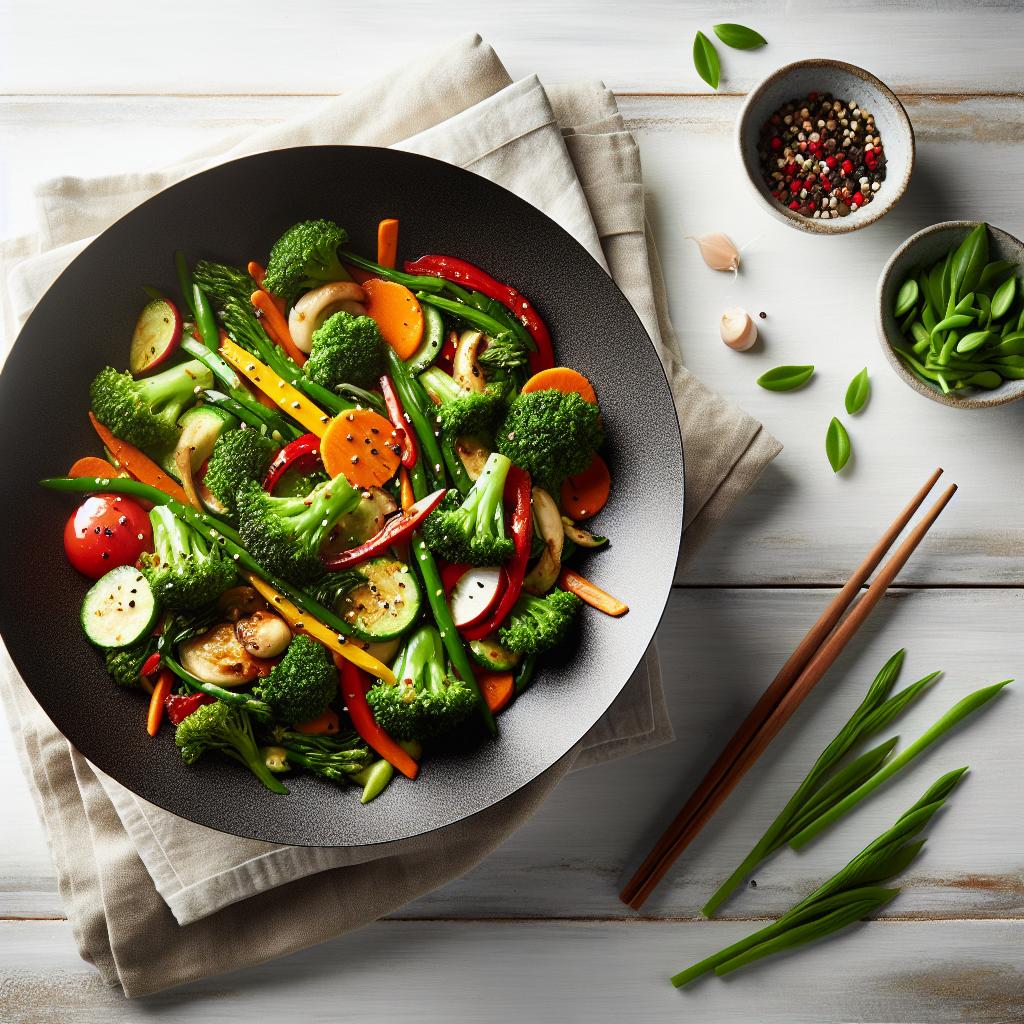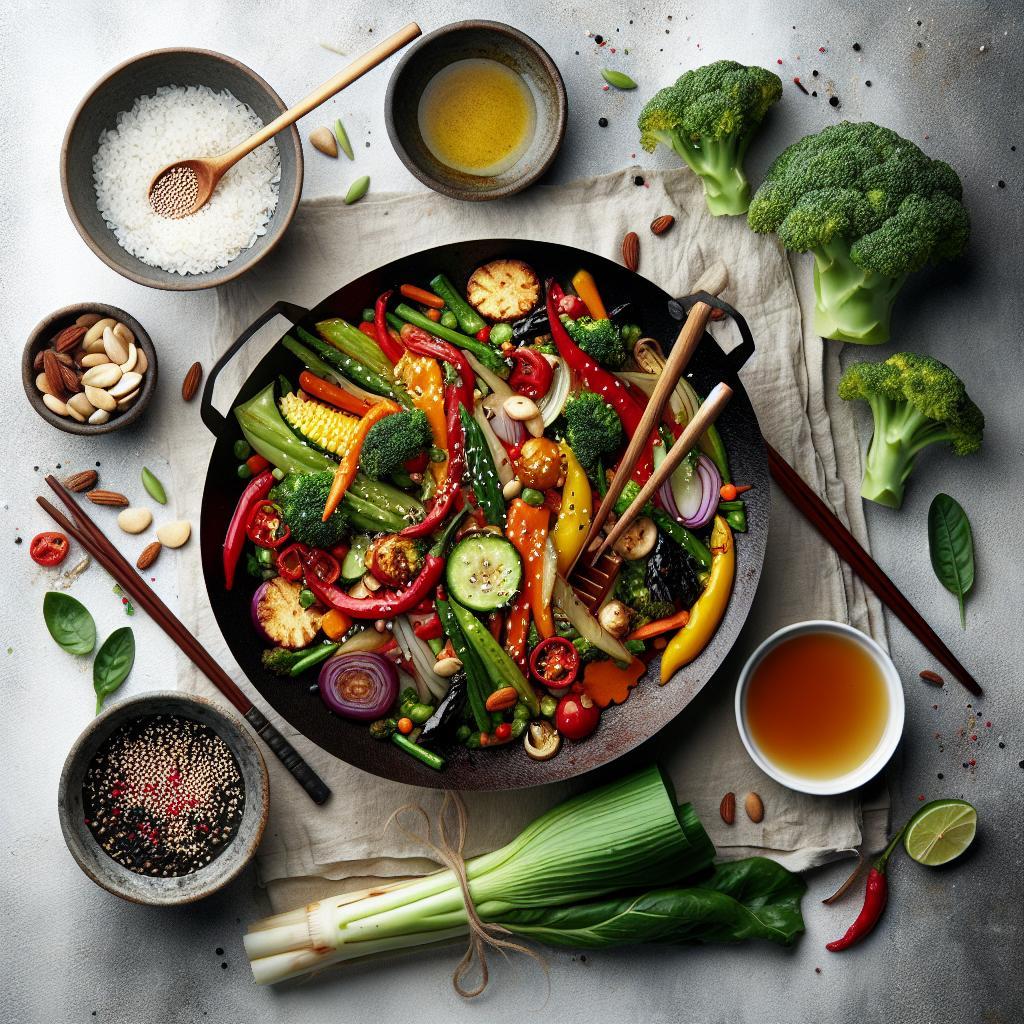

There’s something undeniably captivating about the vibrant sizzle of fresh vegetables hitting a blazing wok-the instant burst of aroma, the vivid kaleidoscope of colors, and the dance of textures that follow. Vegetable wok cooking isn’t just a method; it’s an art form that transforms humble ingredients into a symphony of flavors with every quick, precise toss. In this article, we’ll unlock the secrets behind mastering this fiery technique, guiding you through the essential skills, timing, and seasoning that elevate simple vegetables to mouthwatering masterpieces. Whether you’re a kitchen novice or a seasoned cook, prepare to ignite your culinary creativity and savor the sizzling magic of wok-cooked vegetables.
Sizzling Flavor: The Essential Tools for Perfect Vegetable Stir-Fries
Sizzling flavor begins long before vegetables hit the wok-it starts with choosing the right tools, the freshest ingredients, and mastering techniques that bring out the vibrant colors, crisp textures, and mouthwatering aromas every stir-fry lover craves. Whether you’re a kitchen novice or an experienced cook, achieving that perfectly balanced vegetable stir-fry is an exciting culinary adventure rooted in simplicity and precision.
Prep and Cook Time
- Preparation: 20 minutes
- Cooking: 10 minutes
- Total Time: 30 minutes
Yield
Serves 4 generously as a main or 6 as a side dish.
Difficulty Level
Easy to Medium – ideal for weekday dinners or weekend experimentation.
Ingredients
- 2 tablespoons vegetable oil (such as grapeseed or peanut oil)
- 3 cloves garlic, minced
- 1 tablespoon fresh ginger, finely grated
- 1 cup broccoli florets
- 1 cup sliced bell peppers (red, yellow, or orange)
- 1 cup snap peas, trimmed
- 1 medium carrot, julienned
- 1 cup baby corn, halved lengthwise
- 1 cup shiitake mushrooms, sliced
- 3 green onions, sliced thinly
- For the sauce:
- 3 tablespoons low-sodium soy sauce
- 1 tablespoon toasted sesame oil
- 2 teaspoons rice vinegar
- 1 tablespoon honey or maple syrup
- 1 teaspoon chili garlic sauce (optional for heat)
- 1 tablespoon cornstarch mixed with 3 tablespoons water (slurry)
Instructions
- Prepare all vegetables and sauce ingredients ahead of time. Stir-fries cook quickly, so mise en place ensures smooth execution.
- Preheat your wok or large skillet over medium-high heat until it begins to smoke lightly. This ensures proper searing.
- Add vegetable oil and swirl evenly to coat the surface. Heat the oil until shimmering but not smoking.
- Sauté garlic and ginger for 30 seconds until fragrant, stirring constantly to avoid burning.
- Add firmer vegetables such as broccoli, carrots, and baby corn. Stir-fry for 3-4 minutes, tossing frequently to achieve even cooking and slight charring.
- Add softer vegetables – bell peppers, snap peas, shiitake mushrooms, and green onions. Continue stir-frying for 2-3 minutes until vegetables are bright and crisp-tender.
- Pour the prepared sauce over the vegetables. Stir well to coat every piece evenly.
- Add the cornstarch slurry and stir consistently. Cook for 1-2 minutes until the sauce thickens and glossy sheen develops.
- Remove immediately from heat to prevent overcooking. Serve piping hot for maximum texture and flavor contrasts.
Chef’s Notes
- Choosing a wok: Carbon steel woks are perfect for high-heat cooking and develop a natural non-stick patina. Round-bottom woks need a wok ring; flat-bottom models work well directly on electric stoves.
- Freshness matters: Pick vegetables that are crisp, vibrant, and firm. Seasonal and local produce amplify the natural flavors in your stir-fry.
- Tips for crunch: Cut vegetables uniformly and keep stirring swiftly with a high heat. Avoid overcrowding the wok to prevent steaming.
- Sauce flexibility: Swap soy sauce for tamari for a gluten-free option. Alter sweetness with agave or brown sugar. Boost umami by adding a teaspoon of mushroom soy sauce.
- Make-ahead tip: Prepare vegetables and sauce in advance. Keep them refrigerated separately, then stir-fry everything fresh just before serving.
Serving Suggestions
Serve your vibrant vegetable stir-fry over steamed jasmine rice or nutty brown rice noodles for a satisfying meal. Garnish with a sprinkle of toasted sesame seeds and freshly chopped cilantro or Thai basil for a fragrant finish. A wedge of lime on the side adds a zesty brightness that cuts through the deep umami dressing.
| Nutrient | Per Serving |
|---|---|
| Calories | 180 kcal |
| Protein | 5 g |
| Carbohydrates | 25 g |
| Fat | 7 g |
For more tips on perfect stir-fry techniques, visit our Wok Cooking Basics Guide or explore the authoritative resource from Serious Eats on mastering stir-fry vegetables.

Q&A
Q&A: Sizzling Flavor: Mastering the Art of Vegetable Wok Cooking
Q1: What makes wok cooking especially suitable for vegetables?
A1: The wok’s unique shape and high heat retention create a quick, intense cooking environment that seals in freshness and nutrients. This rapid stir-frying method ensures vegetables remain vibrant, crisp, and bursting with flavor, rather than becoming soggy or overcooked.
Q2: How do you prepare vegetables for optimal wok cooking?
A2: Cut vegetables into uniform, bite-sized pieces to ensure even cooking. It’s best to group vegetables by their cooking times-denser, firmer veggies like carrots should be added first, while softer ones like bell peppers and leafy greens go in later to maintain their texture and color.
Q3: What is the essential technique for achieving that signature “wok hei” (breath of the wok)?
A3: A scorching hot wok is the key. Preheat your wok until it’s almost smoking, then add oil, quickly followed by your ingredients. Constant, swift stirring and tossing infuse your dish with the smoky, slightly charred essence known as “wok hei,” which elevates every bite.
Q4: Can you share tips on choosing the right oil for vegetable wok cooking?
A4: Opt for oils with a high smoke point, such as peanut, grapeseed, or refined sunflower oil. These oils withstand the intense heat required for stir-frying without burning, allowing the vegetables to develop complexity and depth without imparting bitterness.
Q5: What seasoning essentials bring out the best in wok-cooked vegetables?
A5: Classic seasonings like fresh garlic, ginger, and scallions form the aromatic base. Complement with soy sauce for umami depth, a splash of sesame oil for nuttiness, and a pinch of chili flakes or fresh chilies for a lively kick. Balancing salty, spicy, and slightly sweet elements creates a harmonious explosion of flavor.
Q6: How do you prevent vegetables from becoming soggy during stir-frying?
A6: Avoid overcrowding the wok. Cook vegetables in small batches to maintain high heat and proper airflow. Additionally, cut ingredients uniformly and don’t over-saute; quick tossing over fiery heat locks moisture in while creating a satisfying crunch.
Q7: What creative vegetable combinations work best in a wok?
A7: Think beyond the usual: snap peas, baby corn, shiitake mushrooms, bok choy, asparagus tips, and colorful bell peppers make dynamic visuals and delightful textures. Mix sturdier root vegetables with tender greens to add contrast and playfulness to your dish.
Q8: Is it possible to cook a full meal in one wok using only vegetables?
A8: Absolutely! Layer flavors by stir-frying aromatics first, then adding firm vegetables, followed by quick-cooking leafy greens or sprouts. Incorporate tofu or edamame for protein, toss in cooked noodles or rice for substance, and finish with fresh herbs and a squeeze of citrus for brightness-a vegetable-packed, wok-sizzled feast all in one.
Q9: How should leftovers of wok-cooked vegetables be stored and reheated?
A9: Store leftovers in an airtight container in the refrigerator for up to two days. When reheating, use a hot pan or wok to quickly warm the vegetables, preserving their texture and avoiding sogginess that often occurs in microwaves.
Q10: Can beginners master vegetable wok cooking easily?
A10: Yes! While the high heat and fast pace can seem intimidating, practice focusing on knife skills, heat control, and ingredient prep. Start with simple vegetable mixes and a few basic seasonings. With each sizzle and toss, your confidence and flavor intuition will grow, bringing the vibrant magic of wok cooking into your home kitchen.
In Summary
As the final sizzle fades and the vibrant aromas settle, you’ll find that mastering vegetable wok cooking is more than just a technique-it’s an invitation to celebrate nature’s bounty in every colorful, crisp bite. With a trusty wok and a palette of fresh ingredients, you hold the power to transform simple vegetables into dishes brimming with bold flavor and satisfying texture. So fire up your stove, embrace the dance of heat and motion, and let your culinary creativity soar. Your journey to sizzling perfection is only just beginning-and every stir is a step closer to wok-cooked bliss.