
Have you ever felt the frustration of wanting to bake treats that align with your health goals, only to find yourself compromising on taste or texture? The quest for gluten-free, grain-free, and lower-carb alternatives can often lead to dense, crumbly disappointments. But what if there was a single ingredient that could fundamentally transform your baking, offering both unparalleled health benefits and a delightful culinary experience?
- The Nutritional Powerhouse: Unpacking Coconut Flour’s Benefits
- Mastering the Art: Understanding Coconut Flour’s Unique Properties
- The Essential Coconut Flour Baking Recipe: Fluffy Pancakes
- Ingredients:
- Preparation Method:
- Nutritional Information (per serving, approx. 2 pancakes, without toppings):
- Expert Pro-Tips for Elevating Your Coconut Flour Baking
- 1. The Egg Factor: Beyond Binding
- 2. Hydration is Key: Patience Pays Off
- 3. Flavor Pairing: Complement, Don’t Compete
- 4. Texture Balancing: The Art of Combination
- 5. Sweetener Savvy: Adjusting for Intensity
- Beyond Pancakes: Creative Applications of Coconut Flour
- Troubleshooting Common Coconut Flour Baking Challenges
- The Future of Baking: Coconut Flour’s Enduring Appeal
- Frequently Asked Questions about Coconut Flour
- What is the primary difference between coconut flour and other gluten-free flours like almond flour?
- Can I use coconut flour if I am allergic to tree nuts?
- How should coconut flour be stored to maintain freshness?
- What are some common issues encountered when baking with coconut flour, and how can they be resolved?
- Is coconut flour suitable for a ketogenic diet?
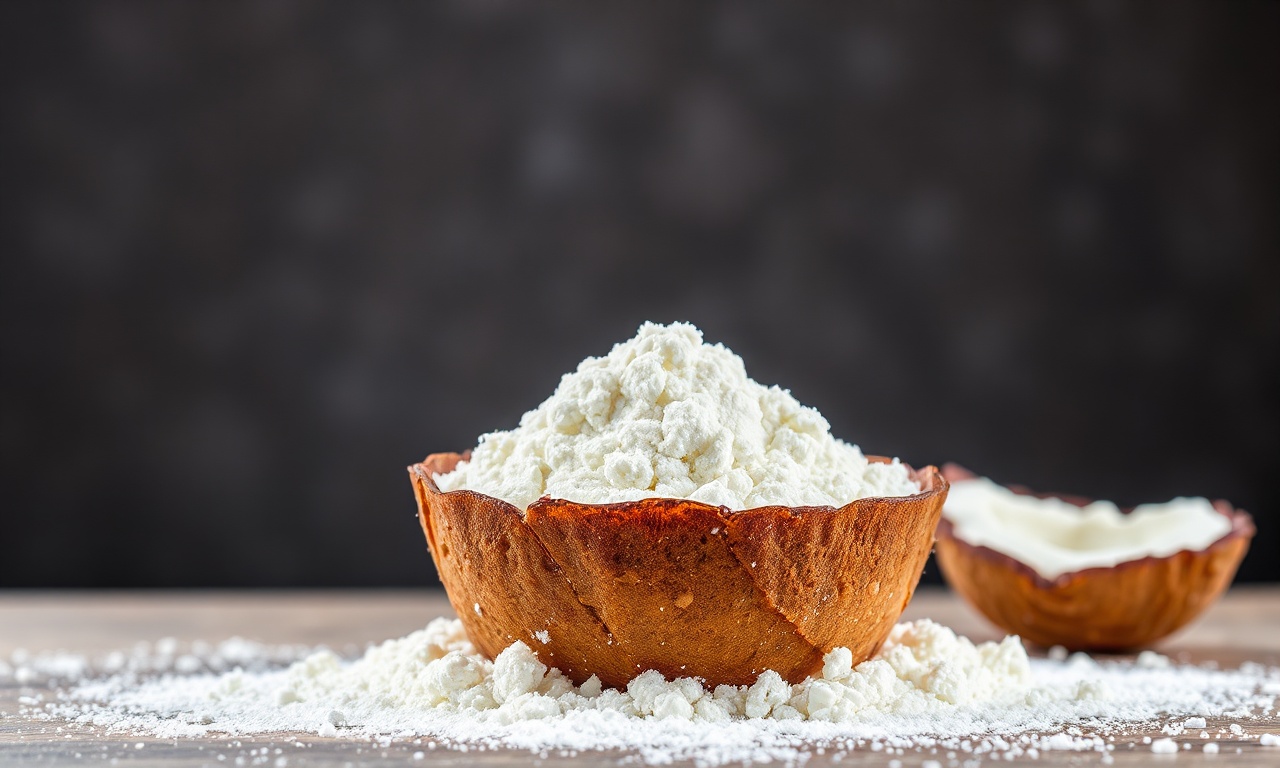
Coconut flour, a surprisingly versatile and nutrient-dense flour derived from dried coconut meat, has emerged as a cornerstone for health-conscious bakers worldwide. Its unique properties and impressive nutritional profile distinguish it from other alternative flours, making it an indispensable ingredient for anyone seeking to elevate their baking without sacrificing flavor or dietary integrity. This isn’t just about substituting; it’s about embracing a new paradigm in delicious, wholesome baking.
Coconut flour offers a remarkable pathway to guilt-free indulgence, proving that health and exquisite taste can indeed coexist in every bite.
The Nutritional Powerhouse: Unpacking Coconut Flour’s Benefits
Beyond its culinary applications, coconut flour boasts a nutritional profile that makes it a standout choice for those prioritizing well-being. Its inherent qualities contribute significantly to a balanced diet, offering benefits that extend far beyond simple flour replacement.
One of the most striking aspects of coconut flour is its exceptional fiber content. A mere quarter cup (approximately 30 grams) can contain as much as 10-12 grams of dietary fiber, a figure that significantly outpaces many traditional flours. This high fiber content is crucial for digestive health, promoting regularity and supporting a healthy gut microbiome. Furthermore, the soluble fiber found in coconut flour can contribute to feeling fuller for longer, aiding in appetite management and potentially supporting weight management goals. Studies show that dietary fiber intake is strongly associated with a reduced risk of various chronic diseases, including type 2 diabetes and cardiovascular disease.
Moreover, coconut flour is remarkably low in digestible carbohydrates. This makes it an excellent option for individuals managing blood sugar levels, including those with diabetes or following ketogenic and low-carb diets. Unlike wheat flour, which can cause rapid spikes in blood glucose, coconut flour’s carbohydrate structure is digested more slowly, leading to a gentler impact on insulin levels. Research observed that replacing refined wheat flour with alternative flours like coconut flour in baked goods could lead to a significantly lower glycemic response.
The flour is also a good source of medium-chain triglycerides (MCTs), a type of fat that is metabolized differently than long-chain fats. MCTs are transported directly to the liver, where they can be used as an immediate energy source or converted into ketones. This unique metabolic pathway has garnered interest for its potential role in boosting energy levels and supporting cognitive function. While often lauded for these properties, it’s important to approach claims regarding significant weight loss or cognitive enhancement with measured expectations, as individual results can vary.
Finally, coconut flour is naturally gluten-free and grain-free, making it an ideal choice for individuals with celiac disease, gluten sensitivity, or those opting for a paleo or ancestral diet. This absence of gluten and grains eliminates common allergens and irritants, opening up a world of baking possibilities for a wider audience.
Mastering the Art: Understanding Coconut Flour’s Unique Properties
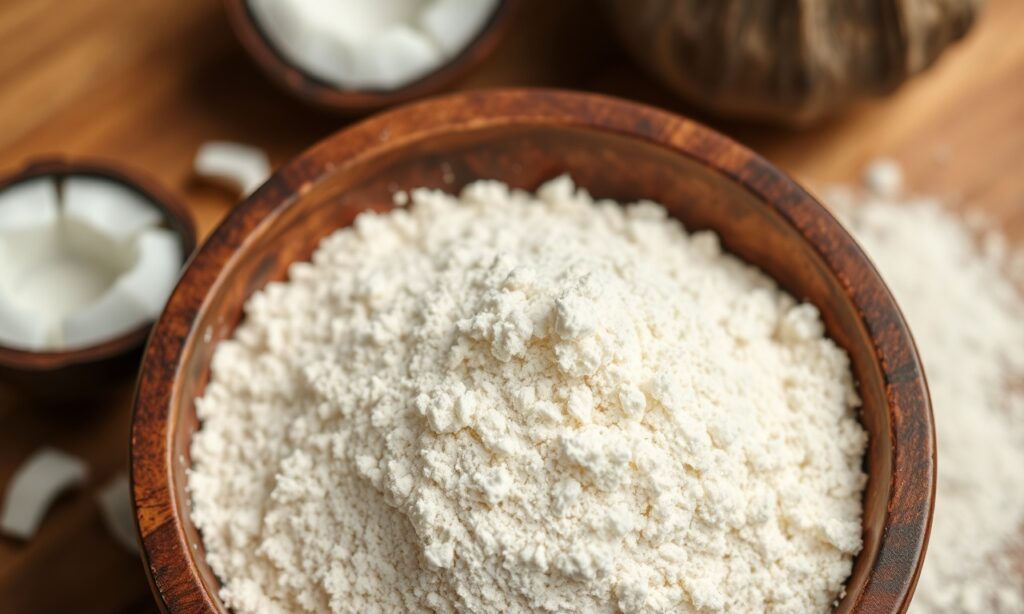
Working with coconut flour requires a slightly different approach than traditional wheat flour. Its exceptional absorbency is its most defining characteristic, and understanding this is key to successful baking. Coconut flour is incredibly thirsty; it can absorb up to three times its weight in liquid. This means recipes developed for wheat flour cannot be directly substituted with coconut flour without significant adjustments.
This high absorbency is due to the dense fiber content and the absence of gluten. Gluten, a protein found in wheat, barley, and rye, provides structure and elasticity in baked goods, helping to retain moisture. Without it, coconut flour relies on other ingredients and techniques to achieve the desired texture.
When combined with liquids, coconut flour rapidly swells and thickens. This is why recipes using coconut flour often call for a higher ratio of eggs or other binders. The eggs not only provide moisture and richness but also act as a crucial binding agent, holding the ingredients together and preventing the final product from becoming too dry or crumbly. A common ratio to remember is that for every cup of coconut flour, you might need 4-6 large eggs, depending on the recipe.
Another critical aspect is its fine, powdery texture. This means it can sometimes settle and clump if not incorporated properly. Sifting coconut flour before measuring can help ensure an even distribution and prevent dense pockets in your baked goods. When mixing, gentle folding and careful incorporation are often preferred over aggressive beating, which can sometimes lead to a tougher texture due to the rapid absorption of moisture.
The flavor profile of coconut flour is also something to consider. While it offers a subtle, natural sweetness and a hint of coconut, it is generally not overpowering. This makes it remarkably adaptable to a wide range of recipes, from sweet cakes and cookies to savory pancakes and bread. The key is to balance its unique properties with complementary flavors and textures.
The Essential Coconut Flour Baking Recipe: Fluffy Pancakes
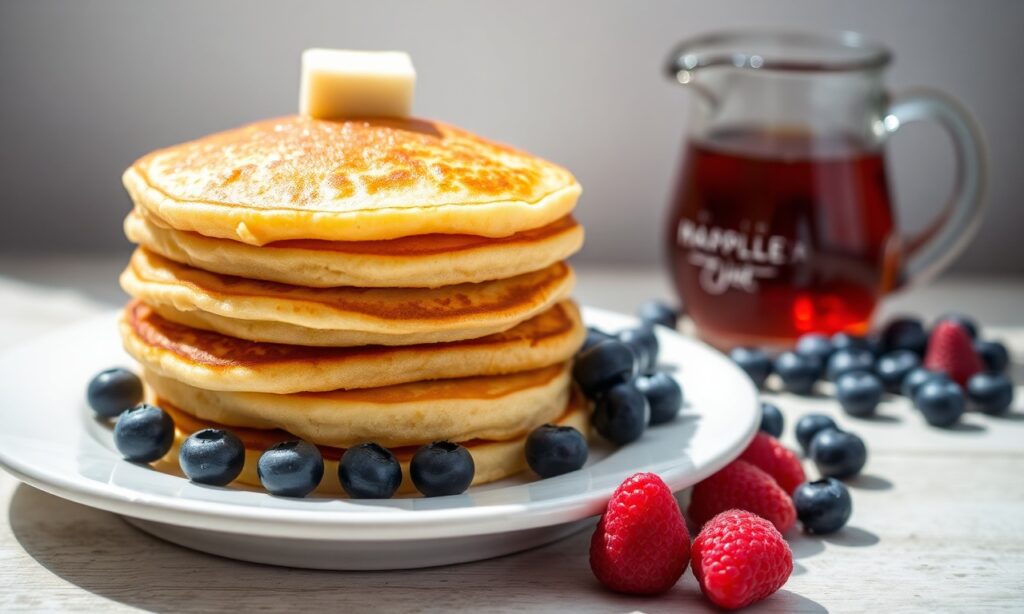
This recipe is proof of how coconut flour, when used correctly, can yield incredibly light and fluffy results, proving that healthy baking doesn’t mean sacrificing comfort food classics. These pancakes are naturally gluten-free, grain-free, and wonderfully satisfying.
Ingredients:
- Coconut Flour: 1/4 cup (30g)
- Eggs: 2 large
- Milk (or unsweetened almond/coconut milk): 1/4 cup (60ml)
- Melted Butter (or coconut oil): 2 tablespoons (30g)
- Sweetener (e.g., maple syrup, erythritol, or stevia to taste): 1-2 tablespoons (15-30ml)
- Baking Powder: 1 teaspoon
- Vanilla Extract: 1/2 teaspoon
- Pinch of Salt
Preparation Method:
- Whisk Dry Ingredients: In a medium bowl, whisk together the coconut flour, baking powder, and salt. Ensure there are no clumps. This step is crucial for an even texture.
- Combine Wet Ingredients: In a separate bowl, whisk the 2 large eggs until well combined. Add the milk, melted butter (or coconut oil), sweetener, and vanilla extract. Whisk thoroughly until all liquid ingredients are fully integrated.
- Combine Wet and Dry: Pour the wet ingredients into the bowl with the dry ingredients. Whisk gently until just combined. The batter will thicken very quickly due to the coconut flour’s absorbency. Allow the batter to rest for about 5-10 minutes; this allows the coconut flour to fully absorb the liquid and develop its texture. The batter should be thick but pourable. If it seems too thick, add another tablespoon of milk.
- Heat the Griddle: Heat a lightly greased griddle or non-stick frying pan over medium heat. You can test if it’s ready by flicking a drop of water onto it; it should sizzle and evaporate quickly.
- Cook the Pancakes: Pour about 1/4 cup of batter per pancake onto the hot griddle. Cook for 2-3 minutes per side, or until golden brown and cooked through. You’ll notice bubbles forming on the surface, indicating it’s time to flip.
- Serve: Serve immediately with your favorite toppings such as fresh berries, a drizzle of maple syrup, Greek yogurt, or a sprinkle of cinnamon.
Nutritional Information (per serving, approx. 2 pancakes, without toppings):
Calories: ~250-300 kcal
Protein: ~10-12g
Fat: ~18-22g
Carbohydrates: ~10-15g (of which fiber is ~5-7g)
Net Carbohydrates: ~5-8g
Note: Nutritional values are approximate and can vary based on specific ingredients and brands used.
Expert Pro-Tips for Elevating Your Coconut Flour Baking
Achieving consistently excellent results with coconut flour involves more than just following a recipe. It requires an understanding of its nuances and how to manipulate them to your advantage. Here are some insights honed through years of dedicated baking:
1. The Egg Factor: Beyond Binding
While eggs are essential for binding, their role in coconut flour baking is multifaceted. They contribute moisture, richness, and act as a leavening agent, especially when whipped. For recipes demanding an extra light texture, consider separating the eggs and whipping the whites to stiff peaks before gently folding them into the batter. This technique adds air and lift, transforming even dense batters into airy delights.
2. Hydration is Key: Patience Pays Off
As mentioned, coconut flour is incredibly absorbent. Always allow your batter to rest for at least 5-10 minutes before cooking. This resting period is not merely a suggestion; it’s a crucial step that allows the flour to fully hydrate. Rushing this process can result in a dry, crumbly product. If the batter becomes excessively thick after resting, a tablespoon or two of extra liquid can be incorporated.
3. Flavor Pairing: Complement, Don’t Compete
Coconut flour has a mild, pleasant flavor. It pairs beautifully with a wide array of ingredients. For sweet applications, consider spices like cinnamon, nutmeg, cardamom, and extracts like vanilla, almond, or even a hint of citrus zest. For savory dishes, herbs like rosemary, thyme, and garlic powder work wonders. Its subtle sweetness means it can also be used in recipes where a less pronounced sweet profile is desired.
4. Texture Balancing: The Art of Combination
While coconut flour is fantastic on its own, sometimes a blend can offer superior texture. For instance, combining coconut flour with almond flour in a 1:2 or 1:3 ratio can create a more tender crumb and slightly less dense outcome in cookies and cakes, while still maintaining a significantly lower carbohydrate count than traditional flours. Experimentation is key here, as ratios can vary based on the desired final product.
5. Sweetener Savvy: Adjusting for Intensity
Different low-carb sweeteners have varying levels of sweetness and can affect moisture. Erythritol, for example, can sometimes have a cooling sensation, while stevia is intensely sweet and requires very small amounts. When substituting sweeteners, it’s wise to start with a smaller quantity and adjust to taste, as over-sweetening can be an issue, and some sweeteners can impact the final texture differently than sugar.
Beyond Pancakes: Creative Applications of Coconut Flour
The versatility of coconut flour extends far beyond breakfast staples. Its unique properties lend themselves to a surprising array of culinary creations, making it a true pantry chameleon for the health-conscious chef.
One of the most popular applications is in baking bread and muffins. Coconut flour bread, while different in texture from its wheat-based counterpart, can achieve a delightful chewiness and a satisfying density when crafted with the right ratios of eggs and moisture. Many recipes incorporate psyllium husk or flaxseed meal to further enhance the binding and structure, yielding loaves that are surprisingly robust and flavorful. Muffins, in particular, are a fantastic canvas for coconut flour, allowing its subtle sweetness to shine, especially when paired with fruits like berries or apples, or savory additions like cheese and herbs.
Cookies and brownies are another area where coconut flour truly excels. Its ability to create a slightly chewy texture, especially when combined with good quality fats like butter or coconut oil, results in treats that are both decadent and guilt-free. For brownies, the richness of cocoa powder and the sweetness of the chosen sweetener can mask any subtle coconut notes, leading to a deeply satisfying chocolate experience. In cookies, a slight crispness can be achieved on the edges while maintaining a tender center, offering a delightful textural contrast.
Savory applications are also abundant. Coconut flour can be used as a thickener for soups, stews, and sauces. Its neutral flavor profile means it won’t impart an unwanted taste, and its superior thickening power means less is needed compared to traditional starches. It can also be incorporated into coatings for fried or baked meats and vegetables. When mixed with herbs, spices, and perhaps a touch of Parmesan cheese, it creates a wonderfully crisp and flavorful crust that is both gluten-free and lower in carbohydrates than breadcrumb coatings.
Furthermore, coconut flour can be a key ingredient in homemade granola bars and energy balls. Its binding properties help hold ingredients together, while its fiber content contributes to satiety, making these snacks a wholesome choice for on-the-go energy.
Troubleshooting Common Coconut Flour Baking Challenges
Even with the best intentions, bakers sometimes encounter hiccups when working with coconut flour. Understanding these common issues and their solutions can transform potential failures into triumphs.
One of the most frequent complaints is baked goods being too dry or crumbly. This almost always stems from insufficient liquid or binder (primarily eggs). Remember, coconut flour absorbs a significant amount of moisture. If your batter seems unusually thick for its intended purpose, it likely needs more liquid. If a baked item emerges dry, it may be due to under-baking or an imbalance in the recipe’s wet-to-dry ratio. Always ensure your recipes are specifically developed for coconut flour or have been thoroughly tested and adjusted.
Another challenge can be a dense or gummy texture. This can occur if the coconut flour is not well incorporated, leading to pockets of dry flour, or if the batter is overworked, similar to how overmixing can toughen gluten-based doughs. Gentle mixing and proper resting of the batter are paramount. Over-baking can also contribute to a gummy texture, as the moisture evaporates too quickly, leaving behind a dense, sticky interior.
A subtle but noticeable “eggy” flavor can sometimes be present in coconut flour baked goods. This is often a sign that the ratio of eggs to flour is too high, or that the eggs were not fully incorporated or masked by other flavors. Using high-quality eggs and ensuring they are thoroughly whisked into the batter, along with robust flavorings like cocoa, spices, or fruit, can mitigate this. Some recipes also benefit from adding a touch more sweetener or a flavor enhancer like a dash of lemon juice.
The Future of Baking: Coconut Flour’s Enduring Appeal
As dietary awareness continues to grow, ingredients like coconut flour are not just a trend but a fundamental shift in how we approach cooking and baking. Its ability to deliver on taste, texture, and nutritional value positions it as a staple for a healthier kitchen. From the home baker seeking to create wholesome treats for their family to the professional chef looking for innovative, allergen-friendly options, coconut flour offers a compelling solution.
Its accessibility, combined with its remarkable versatility, ensures its place in pantries worldwide. As research continues to uncover the benefits of high-fiber, low-carb ingredients, the demand for coconut flour is likely to grow, driving further innovation in its applications and production. Embracing coconut flour is more than just adopting a new ingredient; it’s about unlocking a world of delicious possibilities that nourish the body and delight the palate.
Frequently Asked Questions about Coconut Flour
What is the primary difference between coconut flour and other gluten-free flours like almond flour?
The fundamental difference lies in their composition and absorbency. Coconut flour is extremely high in fiber and has very few digestible carbohydrates, making it incredibly absorbent. Almond flour, while also gluten-free and lower in carbs than wheat flour, is higher in fat and protein and absorbs significantly less liquid. This means recipes designed for almond flour cannot be directly substituted with coconut flour, and vice-versa, without major adjustments.
Can I use coconut flour if I am allergic to tree nuts?
Yes, in most cases. Coconut is botanically classified as a fruit, not a nut. Therefore, individuals with tree nut allergies can typically consume coconut flour without issue. However, it is always advisable to consult with an allergist or healthcare professional if you have specific concerns about coconut allergies.
How should coconut flour be stored to maintain freshness?
Coconut flour should be stored in an airtight container in a cool, dry place. Due to its low fat content and dried nature, it is less prone to rancidity than some other alternative flours. However, for optimal freshness and to prevent moisture absorption, an airtight container is recommended. Some people prefer to store it in the refrigerator or freezer, especially in humid climates, though this is not strictly necessary for typical shelf life.
What are some common issues encountered when baking with coconut flour, and how can they be resolved?
The most common issues are dryness and a crumbly texture, usually due to insufficient liquid or binders (especially eggs). To resolve this, ensure recipes are specifically designed for coconut flour and meticulously follow the liquid and egg ratios. If a recipe seems too dry, gradually add more liquid or eggs. Another issue is a dense or gummy texture, often caused by overmixing or not allowing the batter to rest. Gentle mixing and adequate resting time are key. A subtle eggy flavor can be addressed by using a higher proportion of flavorings like cocoa or spices, or by ensuring eggs are thoroughly incorporated.
Is coconut flour suitable for a ketogenic diet?
Absolutely. Coconut flour is an excellent choice for ketogenic diets due to its very low net carbohydrate count and high fiber content. This makes it ideal for creating low-carb bread, cakes, cookies, and other baked goods that fit within the strict macronutrient requirements of a ketogenic lifestyle, allowing for satisfying treats without derailing ketosis.
See also: Coconut flour