
Imagine standing over a steaming plate of last night’s dinner, debating whether to reheat that frozen lasagna straight from the freezer or defrost it first. In the world of kitchen conundrums, mastering the art of thawing and reheating isn’t just about taste-it’s a matter of safety. With busy schedules and ever-growing takeout menus, knowing the right way to bring your meals back to life can save you from more than just a soggy bite. Join us as we unravel the science behind thawing, reveal common misconceptions, and share expert tips to ensure your reheated food is not only delicious but safe to savor every time. To thaw or not to thaw? Let’s get to the truth.
To Thaw or Not? The Truth About Reheating Food Safely
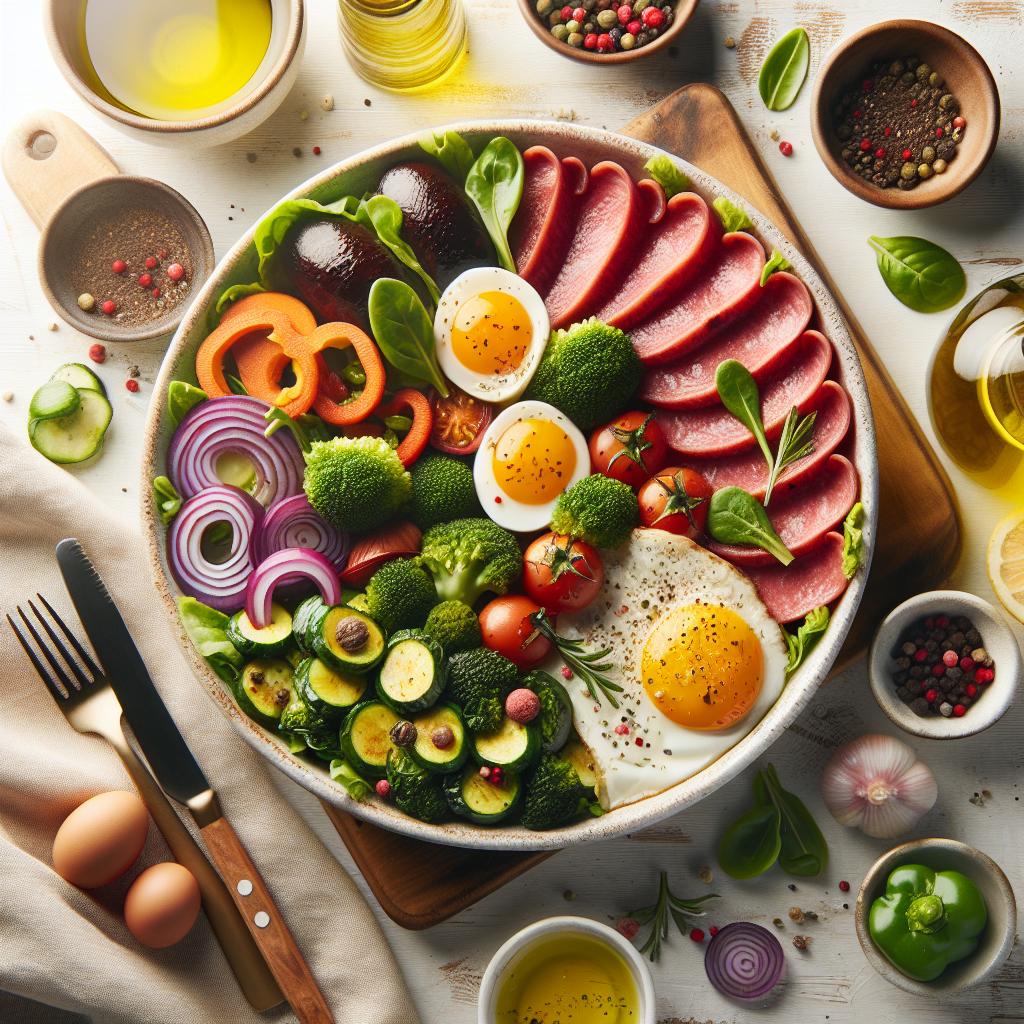
To thaw or not? The truth about reheating food safely is a question that touches every kitchen enthusiast’s daily routine. Understanding the delicate balance between maintaining food quality, preserving nutrients, and ensuring safety can transform how you handle leftovers and frozen meals. Whether you’re savoring a homemade stew or reheating a vibrant vegetable medley, mastering the science behind thawing and reheating elevates your culinary experience while protecting your health.
Prep and Cook Time
- Thawing: 8-24 hours (depending on method)
- Reheating: 5-15 minutes
Yield
- Varies by original dish portion; generally 2-6 servings
Difficulty Level
- Easy to Medium
Ingredients
- Frozen food items of choice (e.g., cooked meats, vegetables, soups, casseroles)
- Cold water (for quick-thaw method)
- Microwave-safe container or reheat-safe cookware
- Thermometer for food safety check (recommended)
Instructions
- Choose the right thawing method: For the safest results, thaw frozen food in the refrigerator overnight. Smaller portions may thaw within 8-12 hours, larger bulky items can take up to 24 hours. This gentle thawing technique preserves texture and nutrients.
- Use cold water for quicker thawing: Place sealed food in a watertight plastic bag and submerge in cold water, changing the water every 30 minutes. This usually takes 1-3 hours depending on the size. Never use warm water due to bacteria growth risk.
- Avoid thawing at room temperature: Leaving food on the counter invites bacteria multiplication, significantly increasing the risk of foodborne illness.
- Thaw in the microwave only if cooking immediately: Use the microwave’s defrost function and rotate or stir food intermittently to ensure even thawing, preventing cold spots where bacteria thrive.
- Reheat evenly to the right temperature: Always reheat leftovers to an internal temperature of 165°F (74°C) using a food thermometer. Use gentle heat for delicate foods to avoid nutrient loss and maintain texture.
- Stir or rotate during reheating: Whether microwaving or stovetop reheating, stir frequently or rotate dishes to distribute heat evenly and kill harmful bacteria throughout the food.
- Do not reheat multiple times: Each reheating cycle increases food safety risks. Only reheat what you plan to consume.
Chef’s Notes and Tips for Success
- Marinate before freezing: This can protect texture and add moisture after thawing.
- Use airtight packaging: Prevent freezer burn by wrapping food tightly in plastic wrap, foil, or vacuum-sealed bags to preserve flavor and nutrients.
- Keep thawed food refrigerated: Use within 24 hours to prevent bacterial growth.
- Try sous vide for reheating: This method allows for precise temperature control, ensuring even reheating without drying out the food.
- Incorporate fresh herbs and garnishes: Brighten up reheated dishes with fresh parsley, cilantro, or a squeeze of lemon for vibrant flavor contrast.
- Always clean your reheating equipment: Residual food particles can harbor bacteria; ensure microwaves, stovetops, and utensils are thoroughly cleaned.
Serving Suggestions
Present your perfectly thawed and reheated dishes with a focus on freshness and texture. Garnish steaming bowls of soup with a dash of cracked black pepper and chopped chives. Plate casseroles with a crisp side salad dressed in lemon vinaigrette for contrast. Crisp up reheated meats under the broiler for a few minutes to revive texture before serving. Pair reheated vegetables with a drizzle of good-quality olive oil or infused balsamic for a restaurant-worthy finish that excites the palate.
| Nutrient | Per Serving |
|---|---|
| Calories | 250-400 (varies by dish) |
| Protein | 15-30g |
| Carbohydrates | 20-40g |
| Fat | 8-15g |
For a comprehensive guide on safe freezing techniques for your recipes, check out our Freezing Food Safely article. For scientifically backed safety information, visit the USDA Food Safety Basics.

Q&A
Q&A: To Thaw or Not? The Truth About Reheating Food Safely
Q1: Why is thawing food before reheating such a hot topic?
A1: Think of thawing as a culinary checkpoint. Thawing food properly ensures even reheating and reduces the risk of harmful bacteria throwing a party in your leftovers. Skip or rush this step, and you might end up with cold spots or, worse, foodborne illness.
Q2: Can I just reheat frozen food straight away, no thawing needed?
A2: It depends! Some foods reheat well from frozen-like soups or stews-if you use the right method (think: slow and steady). But dense items, like big meat chunks, often need thawing first to heat evenly and avoid creating a bacteria-friendly environment.
Q3: What’s the safest way to thaw food?
A3: The freezer isn’t your friend here-instead, try the fridge, cold water bath, or microwave thawing:
- Fridge: Slow and steady thawing over hours or overnight, keeping food at safe temperatures.
- Cold Water Bath: Sealed food submerged in cold water, changed every 30 minutes, speeding up thaw.
- Microwave: Fast but tricky-use if you plan to cook immediately to avoid partial cooking and bacteria growth.
Q4: How do I know if reheated food is safe to eat?
A4: Aim for an internal temperature of 165°F (74°C). No guesswork! Use a food thermometer to check. When reheated evenly, your food not only tastes better but also kicks bacteria to the curb.
Q5: What about reheating multiple times-safe or scary?
A5: It’s a no-go. Reheating repeatedly lets bacteria multiply and breaks down food quality. Try to thaw and reheat just once, then enjoy your meal like a pro.
Q6: Any quick tips to keep leftovers safe and scrumptious?
A6: Absolutely! Store leftovers in shallow containers to chill quickly, label with dates, and reheat just enough for one meal. Hot and fast is the mantra-but with safety as the sous chef.
Q7: Is reheating food in a microwave safe?
A7: Yes, but watch out for uneven heating. Stir and cover food during microwaving to trap steam and heat evenly. Give your leftovers a little love to avoid cold pockets where bacteria can hide.
Q8: Can freezing kill bacteria in food?
A8: Freezing hits pause on bacteria growth but doesn’t annihilate your microscopic foes. That’s why thawing and reheating correctly is crucial to keep your meals safe.
Mastering the thaw and reheat dance means your food stays safe, tasty, and ready to enjoy. So next time you’re eyeing those leftovers, remember: thaw smart, reheat right, savor safely!
To Conclude
As we unwrap the layers of food safety, it becomes clear that thawing and reheating are more than just kitchen chores-they’re pivotal steps in preserving both flavor and health. Whether you opt to thaw in the fridge, use the microwave, or cook from frozen, understanding the science behind these methods empowers you to enjoy your meals without worry. So next time you decide to reheat that leftover feast, remember: a little knowledge goes a long way in keeping your food safe, tasty, and ready to savor again. After all, the best leftovers are the ones that nourish your body and delight your taste buds-safely.