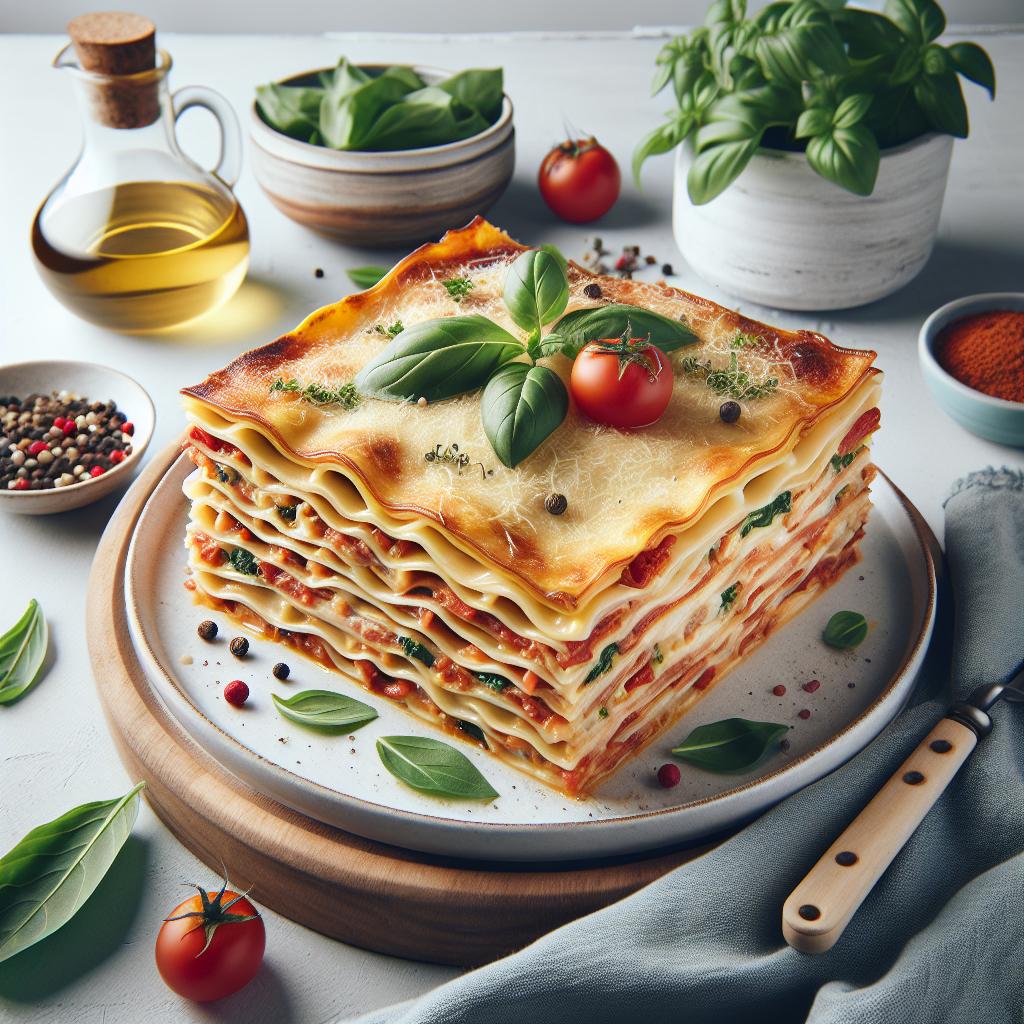
Imagine a meal that not only satisfies your taste buds but also patiently waits in your freezer, ready to rescue you on the busiest of days. Lasagna, that beloved Italian classic, isn’t just comfort food-it’s a freezer-friendly superstar when assembled with intention. In “Stacked to Save: Mastering Lasagna Layers for Freezing,” we’ll explore the art and science of layering your lasagna to perfection, ensuring each slice reheats with all the flavors intact, the textures balanced, and the convenience maximized. Whether you’re a seasoned chef or a weeknight warrior, mastering these stacking secrets will transform how you prepare, freeze, and savor lasagna, turning your freezer into a treasure trove of ready-made meals. Let’s dive into the layers of culinary wisdom that make freezing lasagna an effortless delight.
Stacked to Save: Mastering Lasagna Layers for Freezing transforms this beloved Italian classic into a freezer-friendly marvel designed for effortless weekday dinners. With carefully selected ingredients and technique, you’ll achieve perfectly cooked layers that hold their structure and flavor even after freezing and reheating. This method honors the traditional art of lasagna while embracing the practicality of meal prepping – a true kitchen lifesaver for any home cook.
Prep and Cook Time
- Preparation: 30 minutes
- Assembly: 20 minutes
- Baking: 45 minutes (unfrozen) | 60-70 minutes (from frozen)
- Cooling Before Freezing: 1 hour
Yield
- Serves 8 generous portions
Difficulty Level
- Intermediate (ideal for cooks comfortable with layered dishes and multitasking)
Ingredients
- 9 sheets no-boil lasagna noodles
- 1 lb lean ground beef
- 2 cups ricotta cheese, well-drained
- 3 cups shredded part-skim mozzarella cheese
- 1 cup grated Parmesan cheese
- 3 cups homemade or store-bought marinara sauce (low-moisture)
- 2 large eggs, beaten
- 1/4 cup chopped fresh basil
- 1 tsp garlic powder
- 1 tsp dried oregano
- Salt and pepper to taste
- Olive oil for sautéing
Instructions
- Prepare the meat sauce: Heat 1 tablespoon olive oil in a skillet over medium heat. Add ground beef and cook until browned and crumbly, about 7 minutes. Season with garlic powder, dried oregano, salt, and pepper. Drain excess fat and stir in marinara sauce. Simmer on low for 10 minutes to reduce moisture content, preventing sogginess after freezing.
- Mix the ricotta filling: In a bowl, combine ricotta cheese, beaten eggs, chopped basil, 1 cup mozzarella, and half the Parmesan. Adjust salt and pepper. The eggs help bind the filling, enhancing freeze-thaw durability.
- Assemble carefully: Lightly oil a 9×13-inch baking dish. Spread a thin layer of meat sauce on the bottom to prevent noodles sticking. Place 3 no-boil noodles evenly over the sauce.
- Layer fillings with intention: Spoon 1/3 of the ricotta mixture over noodles, spreading into an even layer. Add 1/3 of the meat sauce, then sprinkle with 1/3 mozzarella and Parmesan. Repeat layers twice more, finishing with a cheese layer on top to create a golden crust that seals in moisture during freezing.
- Cover and chill: Once assembled, allow the lasagna to cool for 30-45 minutes at room temperature, then cover tightly with plastic wrap and aluminum foil. If freezing, place it in the freezer within 1 hour to lock in freshness.
- Bake from frozen or thawed: To bake from frozen, preheat oven to 375°F (190°C). Remove foil and bake covered for 45 minutes, then uncover and bake 15-20 minutes more until bubbly and browned. For thawed, bake covered at 350°F (175°C) for 40 minutes, then uncover for 10 minutes.
Tips for Success
- Use no-boil noodles: They absorb excess liquid gently and maintain tender layers after freeze-thaw cycles.
- Reduce sauce moisture: Simmer your sauce longer to avoid excess water that leads to soggy layers.
- Drain ricotta well: Use a cheesecloth or fine strainer to remove excess moisture, ensuring the richness without runniness.
- Layer strategically: Spread sauce and cheese evenly; avoid puddles or thick clumps to promote even cooking and texture.
- Cool thoroughly before freezing: This step is non-negotiable to prevent freezer burn and texture damage.
- Reheat gently: Slow, even reheating (covered) helps maintain structure and meld flavors beautifully.
Serving Suggestions
Serve slices alongside a crisp mixed green salad dressed lightly with lemon vinaigrette for a refreshing counterpoint. Garnish each portion with fresh basil leaves and a dusting of extra Parmesan. Offer garlic bread brushed with herb butter to soak up every delicious bite of sauce and cheese. A robust red wine, such as Chianti or Sangiovese, complements this deeply layered dish perfectly.

| Nutrition per Serving | Calories | Protein (g) | Carbs (g) | Fat (g) |
|---|---|---|---|---|
| Lasagna | 480 | 32 | 30 | 22 |
For more meal prep tips and Italian classics, check out our comprehensive lasagna meal prep guide. To explore the science behind freeze-thaw food preservation, visit the USDA Food Safety and Inspection Service.
Q&A
Q&A for “Stacked to Save: Mastering Lasagna Layers for Freezing”
Q1: Why is it important to master layering when preparing lasagna for freezing?
A1: Mastering layering ensures that every reheated slice retains the perfect balance of flavors and textures. Proper layering prevents sogginess, uneven cooking, and flavor separation, so your frozen lasagna tastes just as delightful as fresh-made.
Q2: Can I use any type of sauce or cheese when layering lasagna for freezing?
A2: Absolutely! However, for freezer-friendly lasagnas, it’s best to use sauces with a thicker consistency and cheeses that melt well but don’t release excessive water, like ricotta, mozzarella, and Parmesan. Avoid watery veggies or delicate herbs that might become limp after freezing.
Q3: How many layers should a freestanding lasagna have to freeze perfectly?
A3: Typically, 3 to 4 layers strike the perfect harmony between texture and ease of reheating. Too many layers can make it dense and take longer to thaw, while too few may lack that luscious layered experience.
Q4: Should I assemble the lasagna directly in the freezer-safe container?
A4: Yes! Assembling your lasagna straight into a freezer-safe dish reduces handling and preserves the integrity of the layers. It also makes storing and reheating easier, preventing unwanted shifts or spillage.
Q5: Can I freeze individual lasagna slices instead of the whole pan?
A5: You can! Freezing individual slices is a wonderful way to save space and time. Layer each slice carefully by cutting the lasagna after it’s assembled and then wrapping slices individually to maintain structure and freshness upon reheating.
Q6: What’s the best way to thaw frozen lasagna without compromising its layers?
A6: The gentlest approach is to thaw your lasagna overnight in the refrigerator. This gradual thawing preserves the layers and prevents sogginess. For a quicker method, use a lower oven temperature and cover the lasagna with foil to keep moisture balanced.
Q7: Are there any special tricks to keep layers from sliding during freezing and baking?
A7: Yes! Lightly pressing each layer down while assembling helps tack the ingredients together. Also, starting and finishing with a layer of sauce adds a protective barrier that “glues” everything in place through freezing and reheating.
Q8: How long can lasagna be frozen without losing quality?
A8: For optimal taste and texture, aim to consume frozen lasagna within 3 months. Beyond that, the flavor may dull, and the layers can become mushy, but it will still be safe to eat for up to 6 months when properly sealed.
Q9: Can I get creative with ingredients when stacking my freezer lasagna?
A9: Definitely! Just remember to consider moisture content and freezing properties. Swap traditional layers for spinach, roasted veggies, or different cheeses to personalize your lasagna, but always keep layers balanced to avoid sogginess or separation.
Q10: What is the biggest mistake to avoid when stacking lasagna for freezing?
A10: The biggest pitfall is overloading with too much sauce or watery ingredients, which can turn your lasagna into a watery mess after thawing. Stick to well-drained, balanced layers and seal tightly for freezer success!
Wrapping Up
As you close the lid on your perfectly layered lasagna, remember: mastering the art of stacking isn’t just about creating a meal-it’s about crafting a future feast waiting patiently in your freezer. Each carefully built layer tells a story of flavors harmonized and meals saved, ready to be thawed and savored whenever hunger calls. With these tips in your culinary toolkit, freezing lasagna transforms from a mere storage solution into a smart, time-saving ritual. So go ahead-stack, freeze, and savor the delicious rewards of preparation done right. Your future self will thank you, one perfectly layered slice at a time.