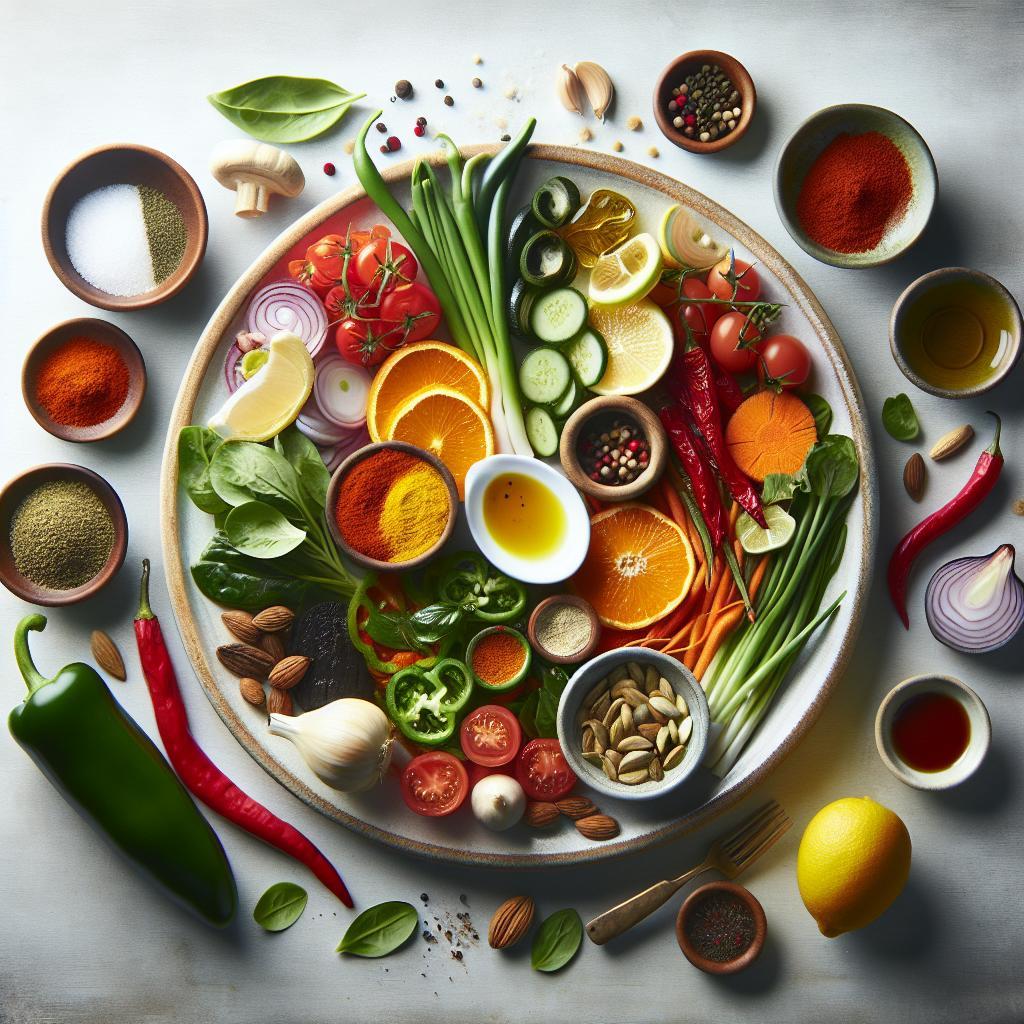

In the vibrant world of cooking, spices are the unsung heroes-tiny treasures that transform a simple dish into a symphony of flavors. Yet, all too often, these aromatic gems lose their potency long before they have a chance to shine. Welcome to Spice Savvy: Unlocking the Best Way to Store Flavors, where we dive into the art and science of preserving your spices’ vivid essence. From the optimal containers to perfect pantry spots, get ready to unlock the secrets that keep your seasonings fresh, fragrant, and ready to ignite your culinary creativity every time you cook.
Spice Savvy: Unlocking the Best Way to Store Flavors
Unlocking the secret to long-lasting flavor starts with being spice savvy. Preserving the freshness of your spices is both an art and a science that transforms everyday cooking into unforgettable culinary experiences. From fragrant cinnamon sticks to pungent black peppercorns, understanding how to care for these flavor powerhouses helps keep their aromatic oils intact and your dishes bursting with flavor.
Prep and Cook Time
- Preparation: 10 minutes
- Active Organizing Time: 15 minutes
- Maintenance: Weekly checks (5 minutes)
Yield
This guide sets you up to store and maintain freshness for up to 100 different spices and blends.
Difficulty Level
Medium – Perfect for home cooks and culinary enthusiasts willing to elevate their spice game.
Ingredients
- Various whole and ground spices: turmeric, coriander seeds, cumin, cloves, cinnamon sticks, dried chili flakes
- Air-tight glass jars with dark-tint or UV-filtered lids
- Silica gel packets or food-safe moisture absorbers
- Label maker or waterproof markers
- Spice rack or drawer organizer
- Small funnel and measuring spoons
- Various containers: magnetic tins, ceramic jars, stackable acrylic jars
Instructions
- Sort spices by type and form: Whole spices tend to last longer than ground. Grouping them helps with tailored storage solutions.
- Choose the right container: Prefer air-tight glass jars with UV protection. Whole spices benefit most from these as they slow oil degradation and moisture entry.
- Control storage environment: Store containers away from direct sunlight, heat (like near the stove), and humidity (avoid above the sink). Ideal temperature is below 70°F (21°C) in a cool, dry pantry or cabinet.
- Use moisture absorbers: Place food-safe silica gel packs inside jars to reduce moisture and prevent mold or clumping.
- Label everything clearly: Use waterproof labels marking the spice name and purchase or grinding date to track freshness. Replace ground spices every 6 months and whole spices every 12-18 months.
- Organize creatively: Use stackable magnetic tins on the fridge for easy access or clear stackable acrylic jars inside a drawer organizer for a clean aesthetic and quick visual inventory.
- Rotate older spices forward: Adjust your shelf so older spices are at the front, using them first to prevent staleness.
- Freshen up spices before use: Gently toast whole spices in a dry pan for 1-2 minutes to revive aroma before grinding or adding to dishes.
Chef’s Notes
- Whole vs. ground: Ground spices release their oils faster but lose aroma quickly. For maximum flavor, buy whole and grind just before use.
- Enhance shelf life: Store spices in small batches to avoid frequent exposure to air when using them.
- Substitute clear jars with tinted ones to protect light-sensitive spices like paprika and chili powder from accelerated degradation.
- Keep spices away from moisture: Avoid spoons getting wet when scooping spices to prevent caking and spoilage.
- Reusable labels: Use chalkboard-style tags if you swap spices frequently.
Serving Suggestions
Keep a small selection of freshly ground spices in beautiful small jars on your kitchen counter for quick seasoning and garnish enhancement. Cinnamon sticks make elegant drink stirrers, whole cloves can add sophistication to glazes, and freshly cracked pepper finish dishes with a warming punch. Display your organized spice collection with colorful labels for visual inspiration during prep – it invites creativity and a confident culinary spirit.
| Nutrient | Per 1 tsp (average) | Comment |
|---|---|---|
| Calories | 5-10 kcal | Low-calorie enhancers |
| Protein | 0.2 g | Minimal contribution |
| Carbohydrates | 1-2 g | Mostly fiber |
| Fat | 0-0.5 g | Healthy oils in whole seeds |

Discover more on spice storage and kitchen organization in our Kitchen Organization Tips. For scientific insights into spice preservation, visit the Journal of Food Chemistry.
Q&A
Q: Why is proper spice storage important for flavor?
A: Think of spices as tiny flavor powerhouses that can lose their punch over time. Proper storage preserves their essential oils and aromas, ensuring every pinch bursts with the intended zest. Without it, spices may fade into blandness, depriving your dishes of that signature spark.
Q: What’s the best container to store spices in?
A: Airtight containers are the superheroes of spice storage. Glass jars with secure lids are ideal because they prevent air, moisture, and pests from sneaking in. Plus, they don’t absorb odors, so flavors stay pure and fresh.
Q: Should spices be stored in the kitchen or elsewhere?
A: Contrary to popular habit, the kitchen counter isn’t always the best spot! Heat, light, and humidity are spice villains that degrade flavor. Instead, opt for a cool, dark cabinet or pantry away from the stove and sunlight to keep spices vibrant longer.
Q: Can spices be stored together or do they need separation?
A: While it’s tempting to stash all spices in one jar, it’s wiser to keep them separate. Different spices have unique moisture content and odors; mingling them can lead to clumping or confusing flavor profiles.
Q: How long do spices stay fresh?
A: Whole spices tend to last up to 4 years, while ground spices hold potent flavor for about 2 to 3 years. For best results, jot down the purchase date and keep an eye on any color or aroma changes-if it smells muted, it’s time to refresh your stash.
Q: Any tips to make spices last even longer?
A: Absolutely! Store spices away from heat and light, avoid open-air scooping (use a dry spoon!), and consider small batches to prevent old leftover spice bags. Freezing herbs like basil or thyme (in proper containers) can also preserve freshness without sacrificing flavor.
Q: How can I tell if my spices have lost their flavor?
A: Give them a quick sniff or taste. If the aroma is faint or the flavor weak, it’s a clear sign your spices have mellowed too much. Remember, stale spices won’t make your dish bad, but they won’t make it great either.
Unlock the secrets behind spice savvy storage, and let your pantry become a treasure trove of bold, unforgettable flavors!
In Retrospect
As the final sprinkle settles and the last aroma lingers, remember that mastering the art of storing spices is more than just a kitchen chore-it’s a flavorful journey. By understanding the secrets of light, air, and temperature, you can transform humble herbs and seeds into vibrant bursts of taste that elevate every dish. So, embark on your spice-savvy adventure with intention and care, and unlock the true potential of your pantry’s treasures. After all, the best flavors aren’t just tasted-they’re preserved, nurtured, and celebrated.