
In the vibrant tapestry of Italian cuisine, where sun-kissed tomatoes and fragrant basil reign supreme, an unexpected hero quietly simmers-chili. Far from the fiery tropics where it first ignited palates, chili has journeyed into the heart of Italy’s rich culinary tradition, infusing age-old recipes with bold, spicy notes that awaken the senses. “Spice Meets Tradition: Exploring the Rich Flavors of Italian Chili” delves into this tantalizing fusion, uncovering how chili peppers have transformed classic dishes and inspired new creations. Join us as we savor the story of heat and heritage, where every bite tells a tale of culture, passion, and flavor blending in perfect harmony.
Spice Meets Tradition: Exploring the Rich Flavors of Italian Chili
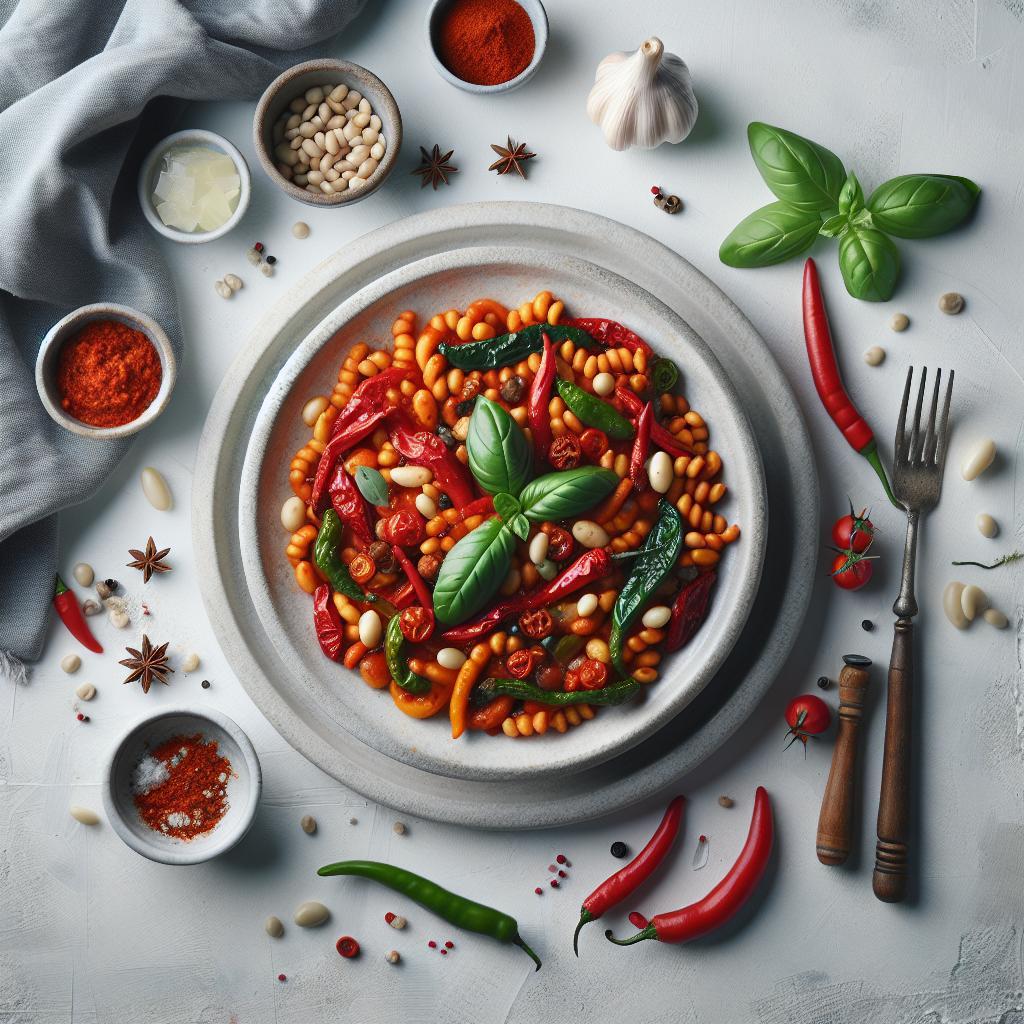
Spice Meets Tradition: Exploring the Rich Flavors of Italian Chili beautifully entwaters fiery zest with centuries of culinary heritage, showcasing how chili peppers found their passionate place in Italy’s gastronomic story. From the sun-drenched fields of Calabria to the bustling kitchens of Sicily, this dish captures a spectrum of regional identities, each adding unique accents and heat levels. My journey into Italian chili unveils not only bold flavors but family memories and time-honored techniques that elevate simple ingredients into a vibrant celebration of culture.
Prep and Cook Time
- Preparation: 20 minutes
- Cooking: 1 hour 15 minutes
- Total Time: 1 hour 35 minutes
Yield
Makes approximately 6 servings
Difficulty Level
Medium: Ideal for home cooks comfortable with layering flavors and managing spice levels.
Ingredients
- 2 tbsp extra virgin olive oil
- 1 large yellow onion, finely chopped
- 4 cloves garlic, minced
- 2 medium red bell peppers, diced
- 2 fresh red chili peppers (such as Calabrian or peperoncino), finely sliced
- 1 cup crushed San Marzano tomatoes
- 1 cup dry white beans, soaked overnight and drained
- 4 cups vegetable broth
- 1 tsp smoked paprika
- 1 tsp dried oregano
- 1/2 tsp freshly ground black pepper
- 1 tsp sea salt, adjusted to taste
- 1 tbsp fresh parsley, chopped (for garnish)
- Optional: 1 tsp crushed red pepper flakes for extra heat
Instructions
- Heat the olive oil in a large heavy-bottomed pot over medium heat. Add the chopped onion and sauté until translucent and fragrant, about 5-7 minutes, stirring occasionally to prevent browning.
- Add the minced garlic and sliced red chili peppers. Sauté for an additional 2 minutes until the garlic releases its aroma but doesn’t burn. This gives the chili a subtle underlying warmth.
- Stir in the diced bell peppers and cook until they soften, about 5 minutes, building complexity in texture and flavor.
- Incorporate the crushed San Marzano tomatoes, stirring to combine, then let simmer for 10 minutes. This step deepens the tomato’s sweet acidity, mellowing the heat from the chilies.
- Add the soaked and drained white beans along with the vegetable broth, smoked paprika, oregano, black pepper, and sea salt. Bring the mixture to a boil.
- Reduce heat to low and let the chili simmer gently for 1 hour, partially covered, stirring occasionally to prevent sticking. The beans should absorb the flavors and soften completely without disintegrating.
- Taste and adjust the seasoning, adding crushed red pepper flakes if you prefer additional spice. Allow it to cook uncovered for another 5 minutes to thicken slightly.
- Remove from heat and let the chili rest for 5 minutes before serving, allowing the flavors to harmonize fully.
Tips for Success
- For a smoky depth, lightly toast your chili peppers before slicing. This releases essential oils enhancing the dish’s warmth.
- If fresh chili peppers aren’t available, substitute with high-quality dried Calabrian chili flakes, but add gradually to control heat.
- Make-ahead friendly: Prepare the chili a day in advance. Refrigerated overnight, the flavors intensify and meld beautifully.
- To maintain a vibrant texture, add bell peppers later during the cooking if you prefer them with slight crunch.
- For vegetarian protein variation, swap beans for lentils or chickpeas, but adjust simmering time accordingly.
Serving Suggestions
This Italian chili shines when accompanied by crispy toasted polenta slices or a hearty rustic bread, perfect for soaking up the rich sauce. Garnish generously with freshly chopped parsley and a drizzle of premium extra virgin olive oil to add fresh brightness. For a cooling contrast, dollop with a spoonful of creamy ricotta or a sprinkle of grated aged Pecorino Romano (cheese optional for vegetarian delight). Pairing this dish with a mild, locally sourced salad featuring arugula, cherry tomatoes, and olive oil accentuates its rustic charm.
| Nutrient | Per Serving |
|---|---|
| Calories | 280 kcal |
| Protein | 12 g |
| Carbohydrates | 38 g |
| Fat | 6 g |
Discover more inspiring Italian recipes like this one on our Regional Italian Cuisine page. For a deep dive into the culinary history of chili peppers, explore this authoritative overview from Britannica.

Q&A
Q&A: Spice Meets Tradition: Exploring the Rich Flavors of Italian Chili
Q1: What makes Italian chili unique compared to other chili varieties?
A1: Italian chili stands out by blending bold spices with classic Mediterranean ingredients, creating a harmonious balance between heat and herbaceous freshness. Rather than relying solely on chili peppers, it often incorporates aromatic herbs like oregano, rosemary, and basil, alongside robust tomatoes and olives, giving it a signature depth that echoes Italy’s diverse regional cuisines.
Q2: How do traditional Italian ingredients enhance the spiciness in Italian chili?
A2: Traditional Italian ingredients such as garlic, onions, and sweet bell peppers act as natural flavor enhancers that mellow and deepen the spiciness from chili flakes or fresh chili peppers. The natural sweetness of ripe tomatoes contrasts the heat, while flavorful herbs infuse the dish with complexity, making the spice feel vibrant but never overpowering.
Q3: Can Italian chili be adapted for different dietary preferences?
A3: Absolutely! Italian chili is incredibly versatile. Vegetarians and vegans can use hearty vegetables like eggplant, zucchini, and mushrooms or legumes like cannellini beans and lentils to create a satisfying texture and protein-rich dish. The key is layering spices and herbs thoughtfully to retain that signature Italian warmth and spice without compromising tradition.
Q4: What regional Italian influences can be found in chili recipes?
A4: Different Italian regions offer unique touches-Sicilian chili might embrace capers and olives for a briny punch, while Southern Italian versions lean heavily into robust tomato bases with fresh chili peppers and garlic. Northern regions may incorporate earthy mushrooms and a lighter tomato presence, highlighting fresh herbs and occasionally a bit of spicy Calabrian chili paste.
Q5: Are there any specific chili peppers commonly used in Italian chili recipes?
A5: Yes, Calabrian chili peppers are among the most popular, prized for their moderate heat and fruity undertones. They are often used fresh, dried, or in a preserved spicy paste called ‘Nduja (without the cured pork component). Other mild to medium chili varieties, such as peperoncino, are also common, providing gentle warmth without overwhelming the dish.
Q6: How can one balance the heat in Italian chili without losing its traditional flavor?
A6: Balancing heat is an art in Italian chili. Incorporate creamy textures like pureed white beans or a splash of olive oil to soften the spice, while fresh herbs add brightness that offsets intense heat. Slow simmering melds flavors together beautifully, allowing the natural sweetness of tomatoes and the savory depth of garlic and onions to shine through, making the chili flavorful and approachable.
Q7: What are some classic side dishes or accompaniments for Italian chili?
A7: Italian chili pairs beautifully with crusty artisan bread, polenta, or creamy risotto, which serve to soothe the palate and complement the spicy, robust flavors. A simple side of roasted vegetables or fresh arugula salad dressed with lemon and extra virgin olive oil also enhances the meal with refreshing contrast.
Q8: How does Italian chili reflect the broader philosophy of Italian cuisine?
A8: Italian chili embodies the country’s emphasis on quality, seasonality, and layered flavors. It respects traditional ingredients while encouraging inventive spice combinations. Like much of Italian cooking, it celebrates balance-combining heat and aroma without overpowering freshness, and simplicity with depth-honoring a culinary heritage that values taste, heart, and shared experience.
Key Takeaways
As we close this flavorful journey through the heart of Italian chili, it becomes clear that the marriage of spice and tradition creates more than just a meal-it crafts a story steeped in history, culture, and bold tastes. From the sun-kissed fields where fiery peppers grow to the simmering pots passed down through generations, Italian chili is a vibrant testament to how heat and heritage can dance in perfect harmony. Whether you prefer a subtle warmth or a blazing kick, embracing these rich flavors invites you to savor Italy’s culinary soul with every bite. So next time you crave a dish that warms both body and spirit, remember: in the world of Italian chili, tradition always packs a punch.