
In the fast-paced rhythm of modern kitchens, few dishes capture the magic of quick, vibrant cooking quite like a perfect stir fry. Bursting with vivid colors, tantalizing aromas, and a symphony of flavors, stir frying is an art form that fuses technique with creativity. Whether you’re a seasoned home cook or a kitchen novice eager to impress, mastering the sizzling secrets behind this dynamic dish can transform your meals from mundane to mouthwatering. Join us as we unravel the essential tips, tricks, and tasty twists that will elevate your stir fry game-turning everyday ingredients into a sensational feast that dances on your palate.
Sizzling Secrets: Mastering the Art of Tasty Stir Fry
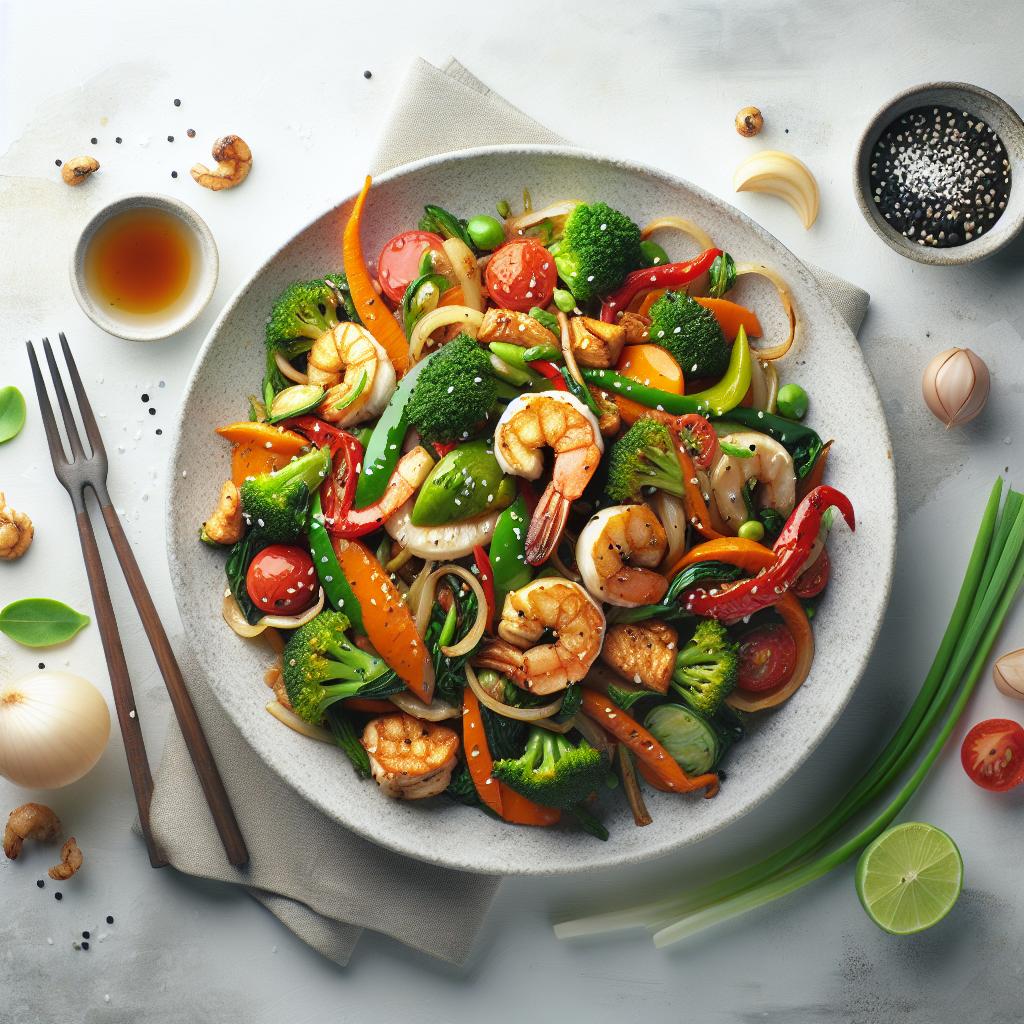
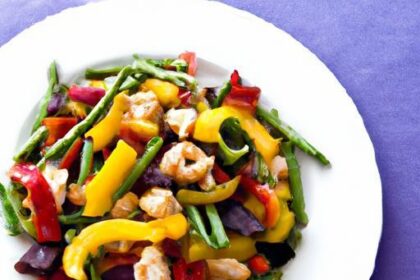
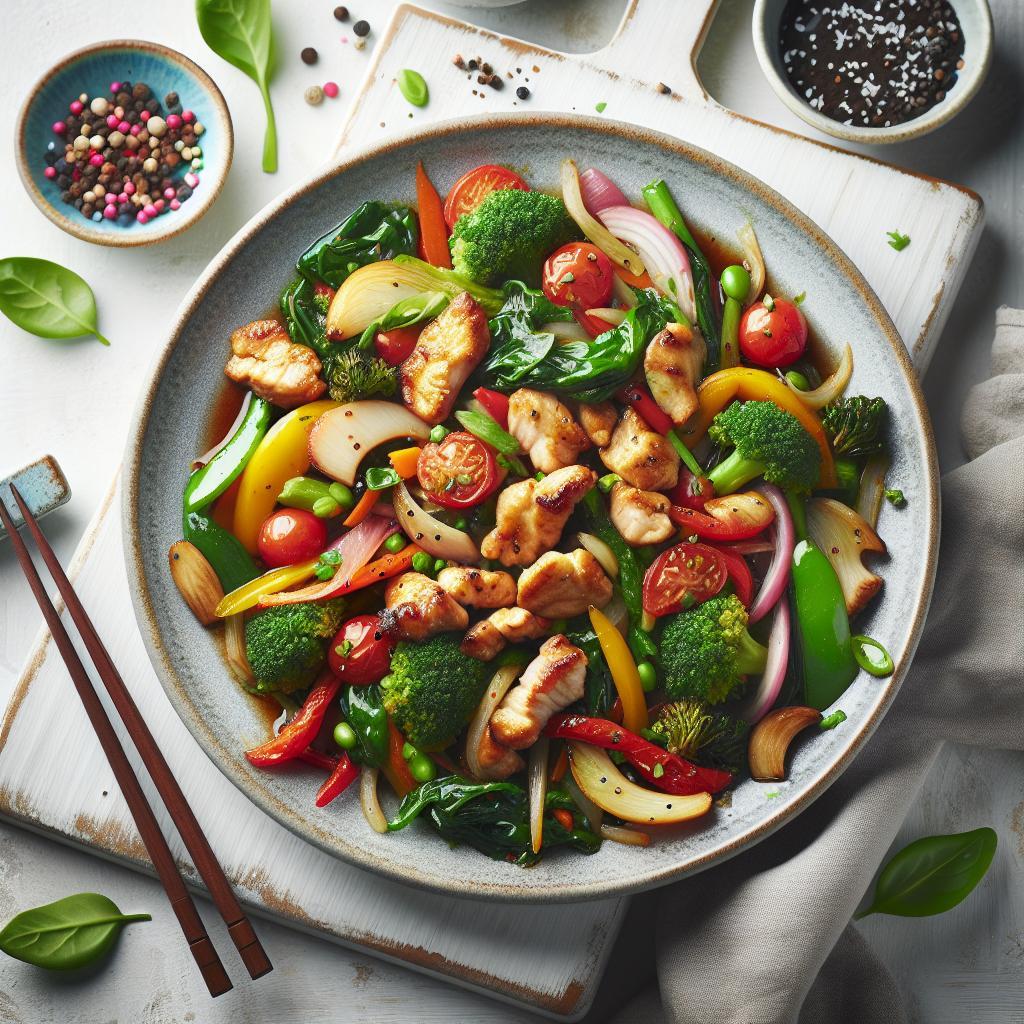
Unlocking the vibrant flavors of a perfect stir fry starts with carefully chosen ingredients and precise techniques. This dish, a celebration of colorful vegetables and tender proteins kissed by high heat, is a cornerstone of pan-Asian cooking. The sizzling secrets lie not just in the ingredients but in the harmony created by robust marinades, sizzling sears, and skillful balancing of texture. Whether you’re recreating a weeknight favorite or impressing at dinner, mastering these elements will transform your stir fry into a dish bursting with enticing aroma and exciting crunch.
Prep and Cook Time
- Preparation time: 20 minutes
- Cooking time: 10 minutes
- Total time: 30 minutes
Yield
- Serves 4 hungry diners
Difficulty Level
- Medium – perfect for home cooks eager to sharpen their technique and flavor layering
Ingredients
- 400g boneless chicken breast, thinly sliced (or substitute firm tofu for a vegetarian option)
- 1 red bell pepper, julienned
- 1 cup snow peas, trimmed
- 1 large carrot, peeled and sliced into thin rounds
- 2 green onions, chopped
- 3 cloves garlic, minced
- 1-inch piece fresh ginger, grated
- 2 tbsp vegetable oil (high smoke point like peanut or canola oil)
- For the marinade: 2 tbsp soy sauce, 1 tbsp sesame oil, 1 tsp cornstarch
- For the stir fry sauce: 3 tbsp soy sauce, 1 tbsp oyster sauce (or vegetarian mushroom sauce), 1 tbsp honey, 1 tsp rice vinegar, 1 tsp chili paste (optional)
- 1 tsp toasted sesame seeds, for garnish
- Fresh cilantro leaves, for garnish
Instructions
- Marinate the protein: In a medium bowl, combine chicken slices with soy sauce, sesame oil, and cornstarch. Toss well to coat evenly and set aside for 15 minutes. This locks in moisture and helps achieve a tender texture.
- Prepare the stir fry sauce: In a small bowl, whisk together soy sauce, oyster sauce, honey, rice vinegar, and chili paste. Adjust sweetness or heat to taste. Keep this nearby for quick access.
- Heat the wok or skillet: Use high heat and add vegetable oil. When the oil begins to shimmer, add marinated chicken in a single layer, avoiding overcrowding. Allow searing without stirring for 2 minutes to get a caramelized crust.
- Stir the chicken: Toss gently and cook another 2-3 minutes until browned and just cooked through. Remove the chicken and set aside to prevent overcooking.
- Sauté aromatics: Add a bit more oil if needed, then toss in garlic and ginger. Stir constantly for 30 seconds until fragrant but not burnt.
- Add vegetables: Start with carrots, stir for 1 minute, then add bell pepper and snow peas. Maintain high heat and stir quickly, allowing vegetables to retain their vibrant colors and crisp-tender bite.
- Return the protein: Add chicken back to the pan with green onions, then pour the stir fry sauce evenly over the ingredients. Toss continuously for 2-3 minutes, coating everything in the glossy sauce and warming through.
- Finish and serve: Sprinkle toasted sesame seeds and fresh cilantro on top. Serve immediately over steamed jasmine rice or noodles for a full, satisfying meal.
Chef’s Notes
- For extra crunch, add water chestnuts or chopped cashews just before finishing the stir fry.
- If you prefer beef or shrimp, these proteins adapt beautifully; just adjust marinating time accordingly.
- Marinating the protein with cornstarch is key: it creates a velvety coating that locks in juices and enhances browning.
- Allow the pan to get truly hot before adding ingredients to achieve that coveted sear-avoid crowding that releases water and leads to steaming.
- Make the stir fry sauce ahead and keep refrigerated for up to 3 days to speed up weekday cooking.
Serving Suggestions
Serve your stir fry plated over steaming white or brown rice, or toss with egg or rice noodles for an alternative base. Garnish with fresh herbs like cilantro or Thai basil, and sprinkle toasted sesame seeds for a nutty finish. For a pop of color and zing, accompany it with thinly sliced red chili or a wedge of lime. A side of pickled vegetables or a crisp cucumber salad offers refreshing contrast and balance.

| Nutrient | Per Serving |
|---|---|
| Calories | 320 |
| Protein | 32g |
| Carbohydrates | 18g |
| Fat | 10g |
For more inspiration on maximizing flavors in your cooking, visit Serious Eats’ Ultimate Stir Fry Guide. Also, check our in-depth article on balancing texture and taste in Asian cuisines for complementary tips.
Q&A
Q&A: Sizzling Secrets – Mastering the Art of Tasty Stir Fry
Q1: What makes stir fry such a popular cooking technique around the world?
A1: Stir frying is beloved for its quick, high-heat cooking that locks in vibrant colors, bold flavors, and crisp textures. It’s an artful dance of fast-paced sizzling that transforms simple ingredients into a deliciously harmonious dish, perfect for busy schedules and adventurous palates alike.
Q2: How important is the choice of oil when stir frying, and which oils work best?
A2: The oil you choose can make or break your stir fry. It needs a high smoke point to withstand intense heat without burning. Think refined avocado oil, grapeseed oil, or peanut oil-each offers a neutral profile that lets the magic of your ingredients shine through while standing up to the searing temperature.
Q3: What key techniques help achieve that perfect, restaurant-quality stir fry?
A3: Mastering stir fry starts with prepping all your ingredients upfront-mise en place is essential! Use a hot wok or heavy skillet, avoid overcrowding the pan to ensure even cooking, and keep the food moving with quick, purposeful tossing or stirring. Timing is crucial: add delicate veggies later and protein first for caramelized edges.
Q4: Can you share some tips for balancing flavors in a stir fry?
A4: Absolutely! Great stir fry is all about harmony-balance salty soy sauce or tamari with a touch of sweetness (like honey or maple syrup), a hint of acidity (rice vinegar or lime juice), and a kick of spice (fresh chili or chili garlic sauce). Fresh aromatics such as ginger, garlic, and scallions inject layers of fragrance that awaken the palate.
Q5: How can a home cook customize stir fry dishes for different dietary needs?
A5: Stir fry is wonderfully adaptable! Swap animal proteins with tofu, tempeh, or hearty mushrooms for vegetarian or vegan versions. Gluten-free eaters can use tamari instead of soy sauce. Just focus on vibrant vegetables, varied textures, and punchy sauces to keep every version exciting and satisfying.
Q6: What are some underutilized ingredients that can elevate a stir fry?
A6: Try tossing in crunchy water chestnuts for a surprising bite, adding toasted sesame seeds for nuttiness, or finishing with fresh herbs like Thai basil or cilantro to brighten the dish. A splash of coconut aminos can introduce subtle sweetness and depth, opening new flavor dimensions beyond the everyday stir fry.
Q7: How do you clean and care for a wok to ensure its longevity?
A7: After cooking, rinse your wok with hot water-no soap, to preserve its seasoned surface-and use a soft sponge or bamboo brush to remove residue. Dry it thoroughly over low heat and rub a thin layer of oil inside to prevent rust and keep the surface sleek for your next sizzling session.
Q8: What’s the secret to getting those beautiful caramelized edges on meats and vegetables during stir fry?
A8: High heat and minimal moisture are the game-changers here. Pat proteins dry before cooking to avoid steaming, and don’t stir too frequently-let ingredients sear briefly to develop those tasty browned bits. The resulting Maillard reaction infuses rich flavor and an appealing texture that turns an ordinary stir fry into a masterpiece.
Q9: How do different vegetables behave in stir fry, and how should I time their addition?
A9: Vegetables vary in density and moisture, so sequencing matters. Dense veggies like carrots or broccoli go in first to soften, while quick-cooking ones like snow peas, bell peppers, and spinach join later, preserving crunch and color. This staggered approach ensures each vegetable is perfectly cooked, vibrant, and bursting with flavor.
Q10: Can stir fry be a healthy meal option, and how can I boost its nutritional profile?
A10: Absolutely! Stir fry preserves nutrients due to its rapid cooking. Boost nutrition by loading up on colorful veggies, using lean proteins like chicken, tofu, or seafood, and choosing whole grain noodles or brown rice as your base. Skipping heavy sauces or making your own with fresh ingredients helps keep sodium and sugar in check, creating a balanced, wholesome dish.
Key Takeaways
As the final sizzle fades and the enticing aroma lingers, you now hold the keys to transform simple ingredients into a symphony of flavors. Mastering the art of tasty stir fry is not just about tossing vegetables and proteins in a pan-it’s about balancing heat, texture, and seasoning with precision and passion. With these sizzling secrets in your culinary toolkit, every stir fry you create can be a vibrant celebration of color, crunch, and spice. So fire up your wok, embrace the dance of flames and flavors, and let your creativity stir the soul of every dish you serve. Your journey to irresistible stir fry starts now-ready to wow your taste buds and your table?