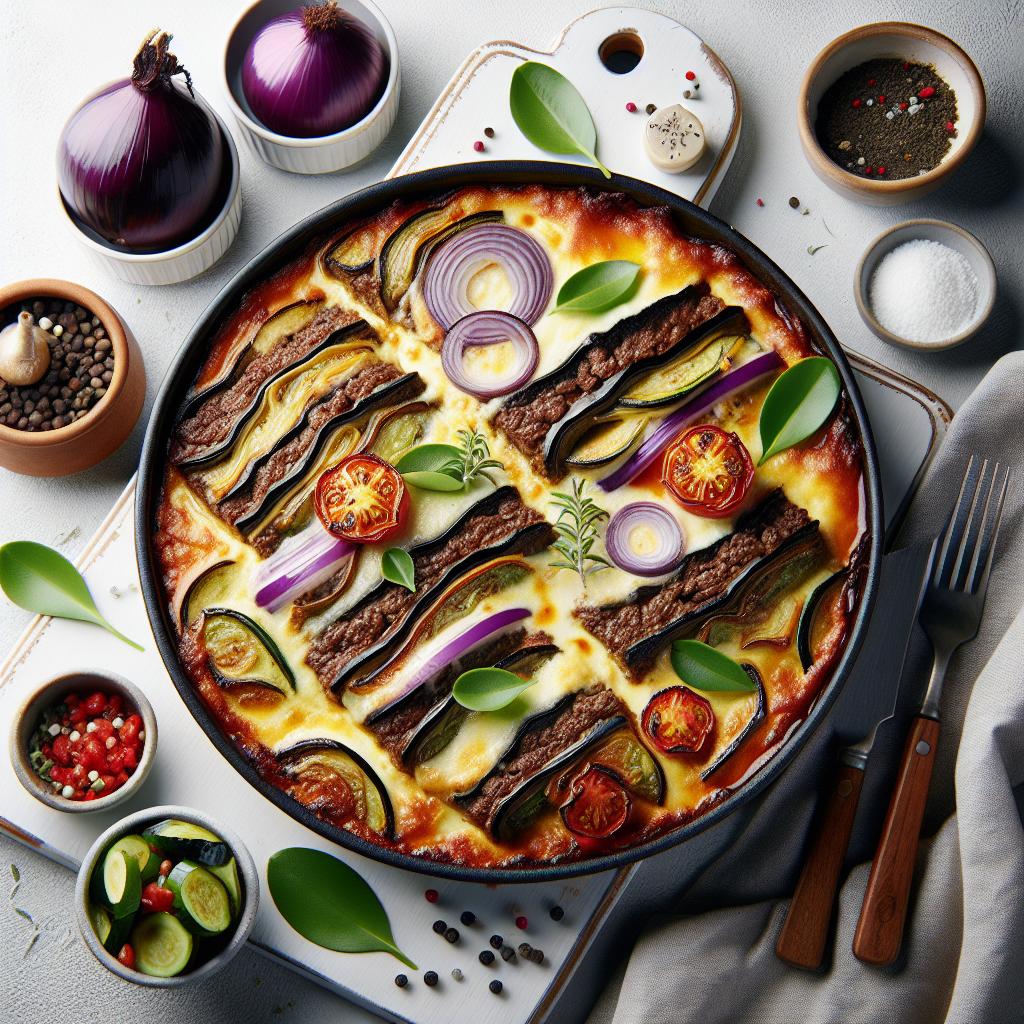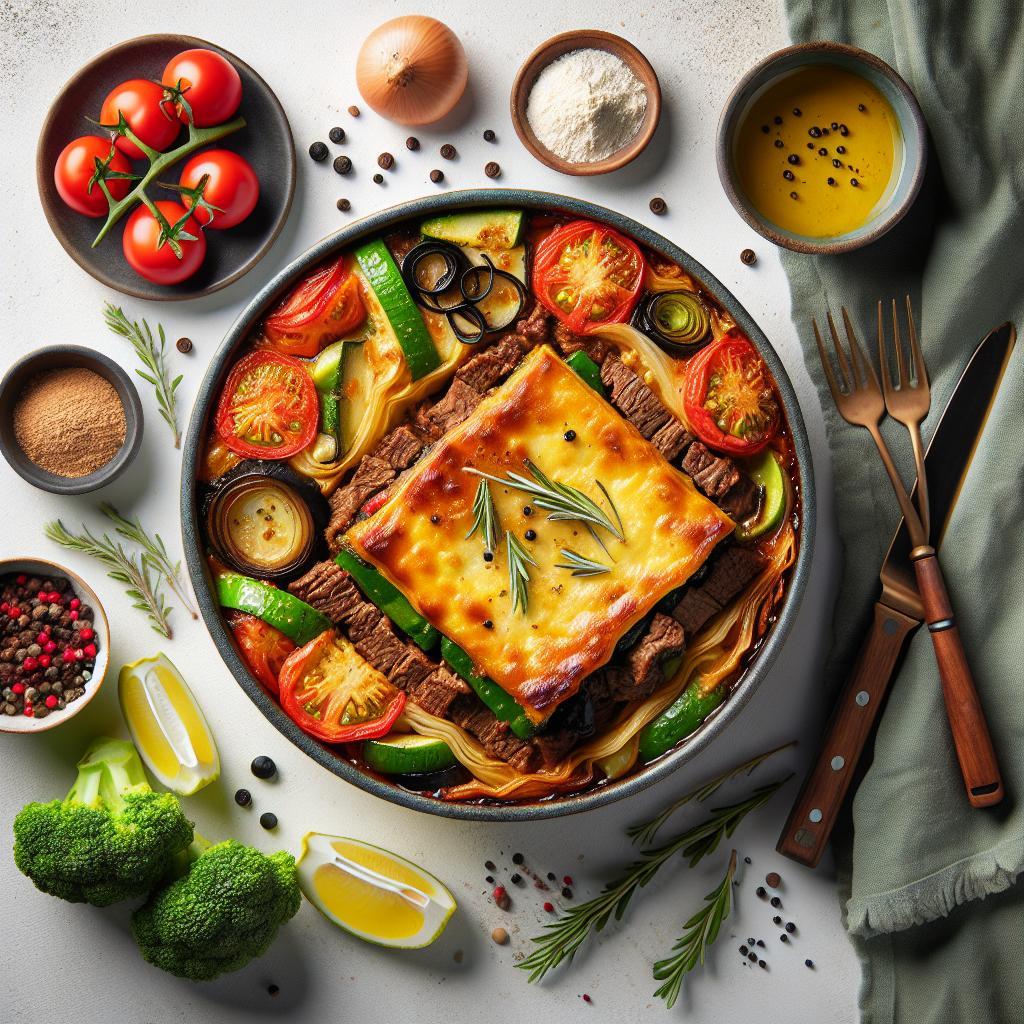

There’s a world of comfort wrapped in layers of tender beef, velvety béchamel, and rich tomato sauce-welcome to the timeless allure of beef moussaka. Traditionally infused with a splash of water or brandy, this iconic Mediterranean dish often carries a hint of alcohol that some cooks prefer to skip. In this article, we’ll dive into a savory, classic beef moussaka recipe that captures all the heart and homely goodness of the original, yet gently reimagined without any alcohol. Whether you’re looking for a family-friendly meal or simply want to savor every bite without the added spirits, this version promises deep, layered flavors that invite you to slow down and enjoy a true taste of the Mediterranean kitchen.
Savory Beef Moussaka: Classic Recipe Without Alcohol
Savory Beef Moussaka: Classic Recipe Without Alcohol invites you into the warm embrace of Mediterranean comfort food-layered richness without the complexity of water or brandy. Originating from the sun-drenched kitchens of Greece, this dish is a celebration of hearty beef nestled between tender eggplants and bathed in a velvety béchamel sauce. Perfect for those seeking robust flavors free of alcohol, it promises a golden, bubbling delight that satisfies the soul and the palate alike.
Prep and Cook Time
- Preparation: 25 minutes
- Cooking: 1 hour 10 minutes
- Total Time: 1 hour 35 minutes
Yield
Serves 6 generous portions
Difficulty Level
Medium – perfect for home cooks ready to elevate their culinary repertoire with classic Mediterranean flavors.
Ingredients
- For the Meat Sauce:
- 2 tablespoons olive oil
- 1 medium onion, finely diced
- 3 garlic cloves, minced
- 1 lb (450 g) ground beef, lean
- 1 can (14 oz/400 g) crushed tomatoes
- 2 tablespoons tomato paste
- 1 teaspoon ground cinnamon
- 1 teaspoon dried oregano
- 1/2 teaspoon ground allspice
- Salt and freshly ground black pepper, to taste
- 1/2 cup beef broth
- For the Eggplant Layers:
- 3 medium eggplants, sliced into 1/2-inch thick rounds
- Salt, for sweating eggplants
- Olive oil, for brushing
- For the Béchamel Sauce:
- 4 tablespoons unsalted butter
- 1/4 cup all-purpose flour
- 3 cups whole milk, warmed
- 1/4 teaspoon ground nutmeg
- Salt and white pepper, to taste
- 1 cup grated Parmesan cheese
- 2 large eggs, lightly beaten
Instructions
- Prepare the Eggplants: Sprinkle eggplant slices generously with salt and place them in a colander for 30 minutes to draw out bitterness and moisture. Rinse under cool water and pat dry with paper towels. Brush both sides lightly with olive oil and arrange on a baking sheet.
- Roast the Eggplants: Preheat the oven to 400°F (200°C). Roast eggplants until golden and tender, about 20-25 minutes, flipping halfway. Set aside to cool.
- Make the Meat Sauce: Heat olive oil in a large skillet over medium heat. Add onions and sauté for 5 minutes until soft and translucent. Stir in garlic and cook until fragrant, about 1 minute.
- Add ground beef, breaking it up with a spoon. Cook until browned and no pink remains, about 8 minutes. Drain excess fat if necessary.
- Stir in crushed tomatoes, tomato paste, cinnamon, oregano, and allspice. Pour in beef broth and season with salt and pepper. Simmer gently for 30 minutes until thickened and rich. Adjust seasoning as needed.
- Prepare the Béchamel Sauce: In a saucepan, melt butter over medium heat. Whisk in flour and cook for 2 minutes, stirring constantly to form a roux without browning.
- Gradually add the warmed milk, whisking continually to prevent lumps. Continue cooking until the sauce thickens and coats the back of a spoon.
- Remove from heat and season with nutmeg, salt, and white pepper. Whisk in half the Parmesan. Allow to cool slightly before stirring in the beaten eggs to add richness and silkiness.
- Assemble the Moussaka: In a greased 9×13-inch (23×33 cm) baking dish, arrange a single layer of roasted eggplant slices. Spread half the meat sauce evenly over the top.
- Repeat another layer of eggplant, then the remaining meat sauce. Finish with a final layer of eggplant and pour the béchamel sauce evenly across the surface, smoothing with a spatula.
- Bake: Set oven to 350°F (175°C). Bake uncovered for 45 minutes until the béchamel topping is golden brown and bubbling around the edges.
- Allow the moussaka to rest for at least 20 minutes before slicing. This resting time lets the layers set beautifully for a clean, hearty serving.
Chef’s Notes
- Eggplant Prep: Salting the eggplant is key to avoid bitterness and sogginess; don’t skip this step.
- Meat Variations: For a leaner option, substitute half the beef with ground turkey or lamb-free ground veal for a subtle flavor boost.
- Alcohol-Free Flavor: Beef broth and tomato paste deepen the sauce’s richness naturally without relying on water.
- Make Ahead: Assemble the dish a day before baking and refrigerate; it will hold flavors beautifully.
- Reheating Tips: Store leftovers covered in the fridge and reheat in a moderate oven to preserve texture-avoid microwaves for the béchamel topping.
Serving Suggestions
Savory Beef Moussaka is best enjoyed warm, ideally paired with a crisp Greek salad featuring tomatoes, cucumbers, kalamata olives, and a sprinkle of fresh oregano or mint. Garnish each serving with a light dusting of fresh parsley and a drizzle of extra virgin olive oil. Accompany with crusty bread to soak up every aromatic juice of the layers-for an authentic and satisfying experience.
| Nutrient | Per Serving |
|---|---|
| Calories | 480 kcal |
| Protein | 32 g |
| Carbohydrates | 18 g |
| Fat | 32 g |
Explore more Mediterranean beef recipes to expand your kitchen repertoire. For an in-depth culinary history and tips on Mediterranean moussaka variants, visit Britannica’s moussaka article.

Q&A
Q&A: Savory Beef Moussaka – Classic Recipe Without Alcohol
Q1: What is moussaka, and why is it so beloved in Mediterranean cuisine?
A1: Moussaka is a layered casserole dish, cherished across the Mediterranean for its rich textures and deep flavors. It traditionally combines tender, spiced meat with slices of eggplant and a creamy topping, offering a harmonious balance between savory and comforting. Its appeal lies in the comforting warmth of the dish and the vibrant spices that evoke a true taste of the region.
Q2: How does this classic beef moussaka recipe differ by excluding alcohol?
A2: This recipe embraces the essence of traditional moussaka without adding alcohol, allowing the natural flavors of the beef, vegetables, and aromatic herbs to shine. Instead of water or other spirits, we enhance depth with quality broth, ripe tomatoes, and a hint of vinegar or lemon to introduce brightness and complexity without overpowering the dish.
Q3: What cuts of beef work best for this moussaka?
A3: Ground beef with around 15-20% fat content is ideal as it cooks evenly and remains juicy, enriching the sauce with its natural fats. Alternatively, finely chopped lean beef can be used, but be sure to maintain moisture with stock or tomato juices to keep the filling succulent and flavorful.
Q4: Can I substitute eggplant if I don’t have it on hand?
A4: Absolutely! While eggplant is traditional for moussaka’s layers, zucchini or thinly sliced potatoes can be excellent alternatives. Each offers a slightly different texture and mild flavor, but they all provide a lovely vehicle for soaking up the savory beef sauce and creamy topping.
Q5: How do you achieve the luscious béchamel topping without alcohol?
A5: The béchamel-smooth, creamy, and golden-is created simply from butter, flour, and milk. Enhancing it with a touch of nutmeg and a sprinkle of grated cheese before baking adds richness and depth. It’s the perfect crowning glory of the dish, delivering that signature velvety finish.
Q6: What spices and herbs are essential in making the beef filling truly authentic?
A6: Classic moussaka often features warm spices like cinnamon and allspice, plus robust herbs like oregano and thyme. These elevate the beef filling, imparting an unmistakable Mediterranean aroma and taste. Adding garlic and a hint of tomato paste rounds out the savory complexity beautifully.
Q7: Is this moussaka recipe suitable for make-ahead cooking?
A7: Definitely! Moussaka actually benefits from resting before serving, as flavors have time to meld and develop. You can prepare it a day in advance, refrigerate overnight, and then bake it fresh when ready to enjoy. It’s an excellent dish for entertaining or meal prepping.
Q8: What are some side dishes that pair wonderfully with beef moussaka?
A8: Light, fresh sides complement moussaka’s richness perfectly. Greek salad with crisp cucumbers, tomatoes, olives, and feta cheese brings a refreshing contrast. A simple lemony roasted vegetable mix or a fragrant herb rice pilaf round out the meal beautifully without competing with the star dish.
Q9: How should leftovers be stored, and how long do they last?
A9: Leftover moussaka keeps well in an airtight container in the refrigerator for up to 3 days. Reheat gently in the oven or microwave, allowing the béchamel to regain its creamy texture. It can also be frozen for up to 2 months; thaw overnight in the fridge before reheating.
Q10: Can this dish be adapted for other dietary preferences?
A10: Yes-while this recipe highlights savory beef and dairy, you could swap the ground beef for a plant-based mince for a vegetarian-friendly version. Dairy-free béchamel can be made from plant milks and flour to craft a similar creamy topping, ensuring everyone can enjoy the comforting layers of this beloved dish.
Final Thoughts
As the rich layers of tender beef, creamy béchamel, and golden roasted eggplant come together in this savory beef moussaka, you’ve rediscovered a classic that’s both comforting and approachable-without a drop of alcohol. This recipe honors tradition while embracing inclusivity, making it perfect for any kitchen and every occasion. Whether you’re serving it as a hearty family dinner or a show-stopping dish for guests, this alcohol-free version ensures everyone can savor the timeless Mediterranean flavors. So roll up your sleeves, bring these vibrant ingredients to life, and let your taste buds embark on a delicious journey through the heart of Greece-one comforting bite at a time.