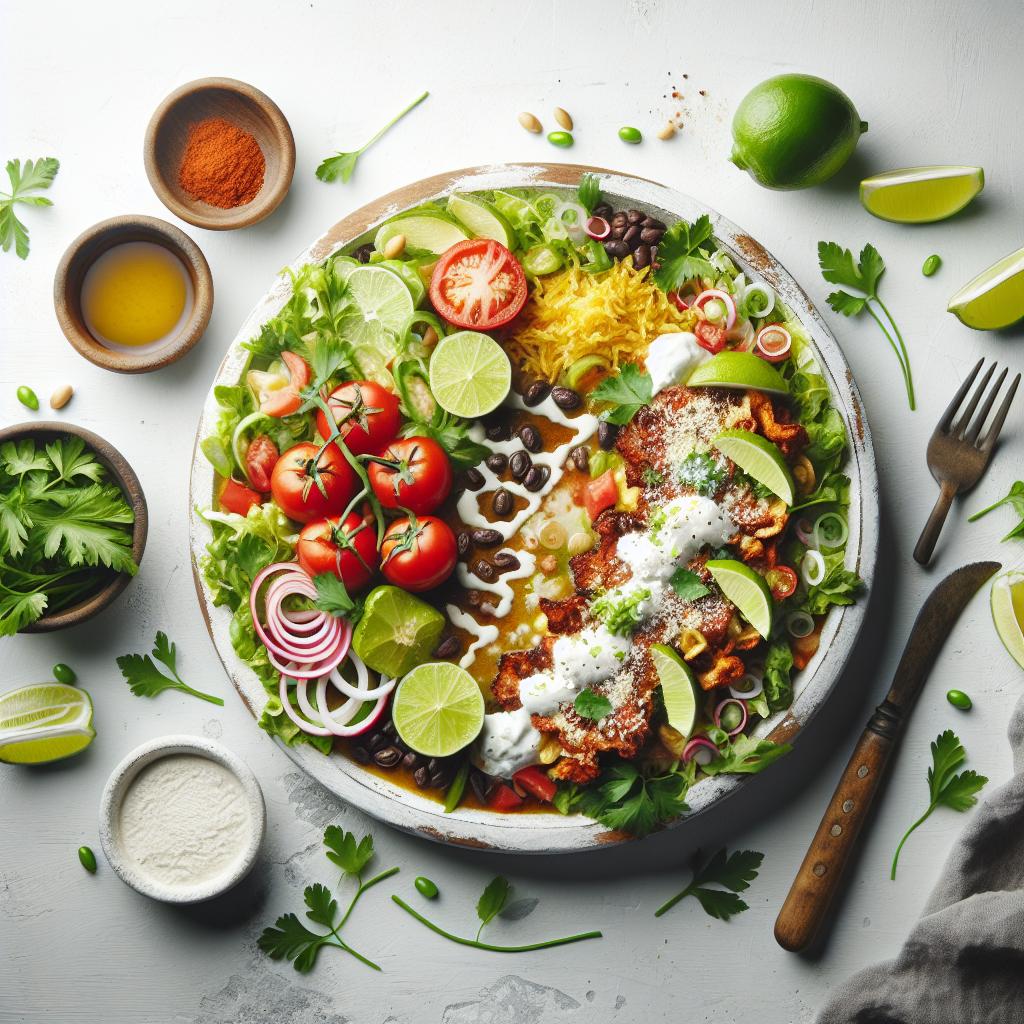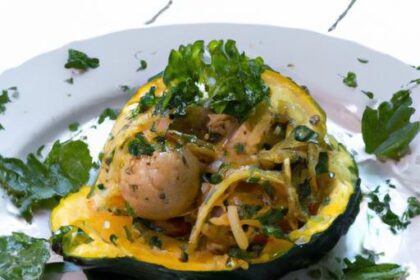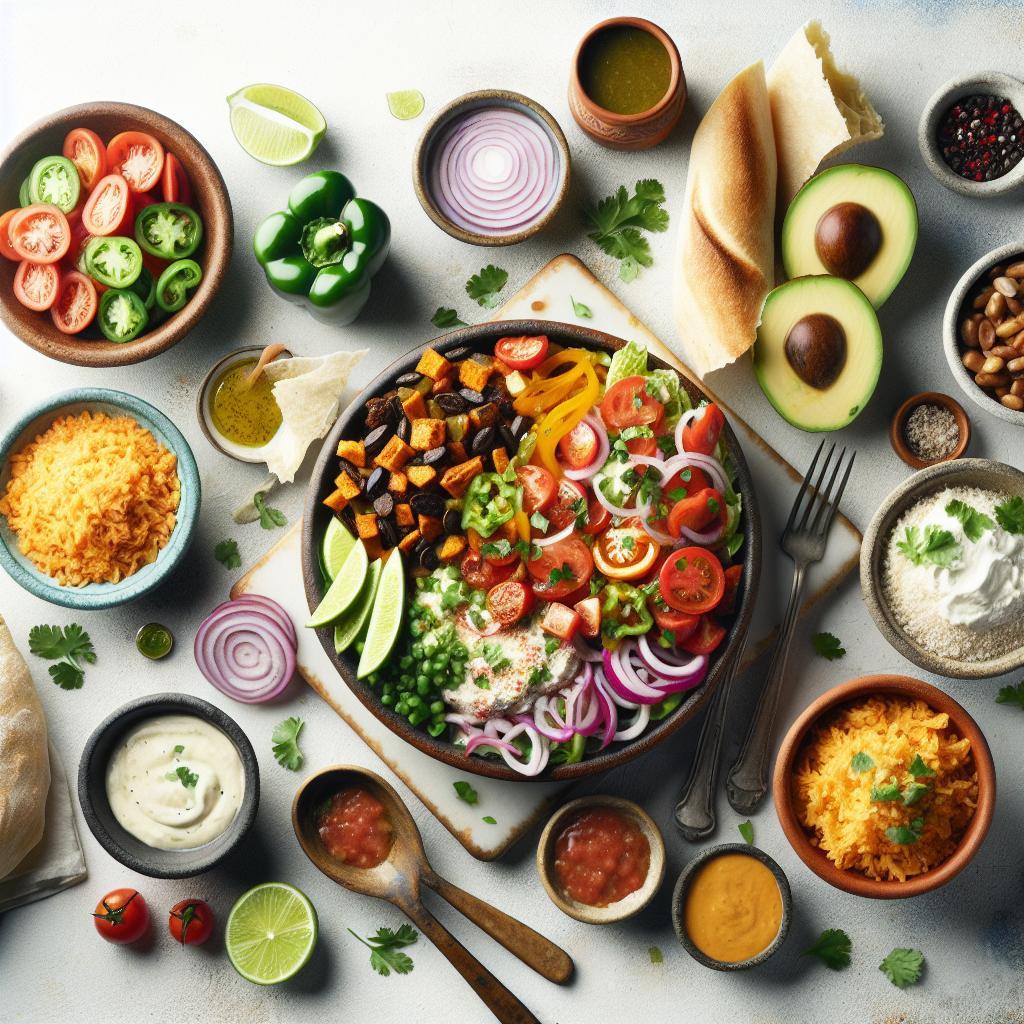

In the vibrant tapestry of global cuisine, Mexican food stands out as a colorful celebration of history, culture, and flavor. From the smoky whispers of slow-cooked meats to the bright zest of freshly picked chilies and lime, every dish tells a story that spans centuries and regions. “Savoring Tradition: A Flavorful Journey Through Mexican Meals” invites you to explore the rich, layered world behind each bite-where ancient indigenous recipes blend seamlessly with Spanish influences, creating culinary masterpieces that are as diverse as the people who savor them. Join us as we embark on a delicious journey through authentic Mexican meals, discovering the traditions, techniques, and tastes that have made this cuisine beloved worldwide.
Savoring Tradition: Exploring Regional Flavors with Handmade Tortillas and Salsas
Savoring Tradition is about embracing the heart of Mexican cuisine through its vibrant regional flavors and authentic ingredients. Among the most cherished elements are handmade tortillas and salsas-a testament to culinary artistry passed down across generations. This journey invites you to create these staples at home, bringing the warmth and soul of Mexico’s table directly to yours.
Prep and Cook Time
- Preparation: 30 minutes
- Cook Time: 15 minutes
- Total Time: 45 minutes
Yield
Makes 12 small tortillas and about 2 cups of fresh salsa
Difficulty Level
Medium – Ideal for passionate home cooks eager to hone traditional techniques
Ingredients
- For Handmade Tortillas:
- 2 cups masa harina (Nixtamalized corn flour)
- 1 ¼ cups warm water
- 1/2 teaspoon salt
- For Fresh Roasted Tomato Salsa:
- 4 medium roma tomatoes, roasted and peeled
- 1 medium white onion, quartered
- 2 jalapeño peppers, stemmed
- 1/2 cup fresh cilantro, chopped
- 1 tablespoon fresh lime juice
- Salt to taste
- For Classic Mexican Meal Accompaniment:
- 1 cup cooked black beans, warmed
- 1 ripe avocado, sliced
- Crumbled queso fresco or feta cheese (optional)
Instructions
- Prepare the dough: In a large bowl, mix the masa harina and salt. Gradually add warm water, stirring with a wooden spoon or your hands, until a pliable dough forms. Knead for 3-5 minutes until smooth but not sticky. Cover with a damp cloth to prevent drying.
- Shape the tortillas: Divide dough into 12 equal balls. Using a tortilla press or between two sheets of parchment paper, flatten each ball into a thin 6-inch circle. Keep covered to maintain softness.
- Cook tortillas: Heat a heavy cast-iron skillet or comal over medium-high heat. Place a tortilla on the skillet and cook for about 1 minute until brown spots appear. Flip and cook another 45 seconds. Repeat for all tortillas, stacking them in a towel to stay warm.
- Roast salsa ingredients: On a hot dry skillet or grill pan, roast tomatoes, onion, and jalapeños until charred on all sides, about 5-7 minutes. Peel charred skin from tomatoes gently.
- Blend salsa: In a blender or food processor, combine roasted tomatoes, onion, jalapeños, lime juice, and cilantro. Pulse until chunky but well mixed. Season with salt to taste.
- Warm black beans: Heat black beans in a saucepan with a pinch of salt until warm through, stirring occasionally.
- Assemble and serve: Serve warm tortillas with a generous spoonful of fresh salsa, a side of black beans, sliced avocado, and crumbled cheese if using. Garnish with extra cilantro and lime wedges.
Chef’s Notes
- Variation: For a gluten-free delight, these masa harina tortillas are naturally grain-free and adaptable for vegetarian or vegan diets simply by skipping cheese.
- Substitution: If fresh jalapeños are too spicy, try milder serranos or even roasted poblano peppers for a smoky twist.
- Troubleshooting: Should your dough crack when pressing, add water a teaspoon at a time until it binds. If tortillas are too thick, flatten more gently for optimal softness.
- Make-ahead: Dough can be refrigerated overnight; bring to room temperature before shaping. Salsa tastes even better after resting a couple hours to deepen flavors.
Serving Suggestions
Present your tortillas stacked tall on a warmed plate, accompanied by small bowls of salsa and beans. Garnish dishes with bright lime wedges and freshly chopped cilantro for a fresh contrast. Pair these traditional plates with chilled classic Mexican beverages like agua fresca made from hibiscus or lime, or a sparkling tamarind drink to highlight the meal’s balance.

| Nutrient | Per Serving (1 tortilla + salsa) |
|---|---|
| Calories | 150 kcal |
| Protein | 4 g |
| Carbohydrates | 28 g |
| Fat | 1.5 g |
For an expanded exploration of authentic Mexican staples that complement these recipes, visit our authentic corn dishes collection and deepen your culinary voyage.
Q&A
Q&A: Savoring Tradition: A Flavorful Journey Through Mexican Meals
Q1: What makes Mexican cuisine so distinctive compared to other culinary traditions?
A1: Mexican cuisine is a vibrant tapestry woven from ancient Indigenous techniques and richly layered flavors. It melds native staples like corn, beans, and chiles with spices, herbs, and cooking methods passed down through generations. The balance of bold, earthy, smoky, and fresh ingredients creates an unmistakable flavor profile that is both comforting and exhilarating.
Q2: How important is corn in traditional Mexican meals?
A2: Corn is the heartbeat of Mexican cuisine. It’s not just a grain but a cultural symbol, often ground into masa to make tortillas, tamales, and more. Tortillas are the foundation of countless dishes, acting as both utensil and accompaniment, making corn a perennial staple that connects past and present through each bite.
Q3: What role do chili peppers play in Mexican cooking?
A3: Chili peppers are the soul of Mexican flavor – they add depth, heat, and complexity. From the smoky ancho to the vibrant serrano, chiles bring subtle sweetness as well as fiery intensity. They are used fresh, dried, roasted, or ground, creating everything from sauces to marinades that dance on the palate.
Q4: Can you name a few traditional Mexican dishes that highlight regional diversity?
A4: Absolutely! From the coastal freshness of ceviche and fish tacos to the rich, mole sauces of Oaxaca, Mexican cuisine varies tremendously by region. In Yucatán, you’ll find cochinita with achiote spices (using chicken or beef alternatives), while northern Mexico is famous for grilled beef cuts and hearty stews. Each dish tells a story shaped by geography, climate, and culture.
Q5: How do Mexican meals reflect the importance of community and tradition?
A5: Mexican meals are often communal celebrations, where food acts as a bridge between people and their heritage. Traditional recipes are treasured family heirlooms, handed down through oral histories and home kitchens. Festivals and holidays showcase elaborate spreads that invite sharing, reinforcing bonds and cultural identity.
Q6: What are some key ingredients that newcomers should try when exploring Mexican flavors?
A6: To embark on this flavorful journey, start with staples like fresh tomato salsa, tangy lime, creamy avocado, roasted chiles, and aromatic cilantro. Incorporate beans and rice as comforting sides, and experiment with dishes like chiles rellenos (stuffed peppers), fresh ceviche, and hearty vegetable stews to experience the dynamic tastes of Mexico.
Q7: How does Mexican cuisine balance bold flavors with fresh elements?
A7: Mexican cooking is a masterclass in harmony. Bold spices and smoky notes are paired with bright, fresh ingredients like citrus, onions, and herbs. This contrast ensures each dish feels vibrant and layered, creating a sensory experience that is both satisfying and refreshing.
Q8: What cooking methods are traditionally used in Mexican kitchens?
A8: Techniques such as slow roasting, grilling, steaming, and nixtamalization (processing corn) are fundamental. Clay pots and comales (flat griddles) bring authentic textures and flavors. These methods enhance the natural qualities of ingredients, producing dishes bursting with tradition and character.
Q9: How does Mexican cuisine accommodate dietary preferences and restrictions without losing its essence?
A9: Mexican cooking naturally embraces versatility with plant-based ingredients like beans, squash, and an array of fresh vegetables. Many dishes can be crafted or adapted to highlight these flavors without compromising authenticity. The emphasis on fresh, flavorful components ensures a rich culinary experience for all palates.
Q10: Why is savoring Mexican meals described as a flavorful journey?
A10: Because each dish is a delicious story that invites you to travel through time, regions, and cultural traditions. The layers of flavor, history, and community enrich every bite, making the act of eating a celebration of Mexico’s vibrant heritage-an unforgettable journey of taste and heart.
The Way Forward
As we close this flavorful journey through the heart of Mexican cuisine, it becomes clear that each dish is more than just a meal-it’s a vibrant tapestry woven from centuries of tradition, culture, and passion. From the rich, smoky depths of mole to the fresh, zesty burst of street-side tacos, Mexican meals invite us to savor not only their bold flavors but also the stories and heritage they carry. Whether you’re a seasoned foodie or a curious newcomer, embracing these time-honored recipes offers a delicious way to connect with a culture that celebrates life, love, and community with every bite. So next time you sit down to enjoy a Mexican feast, remember you’re tasting a legacy that continues to inspire and delight across generations. ¡Buen provecho!