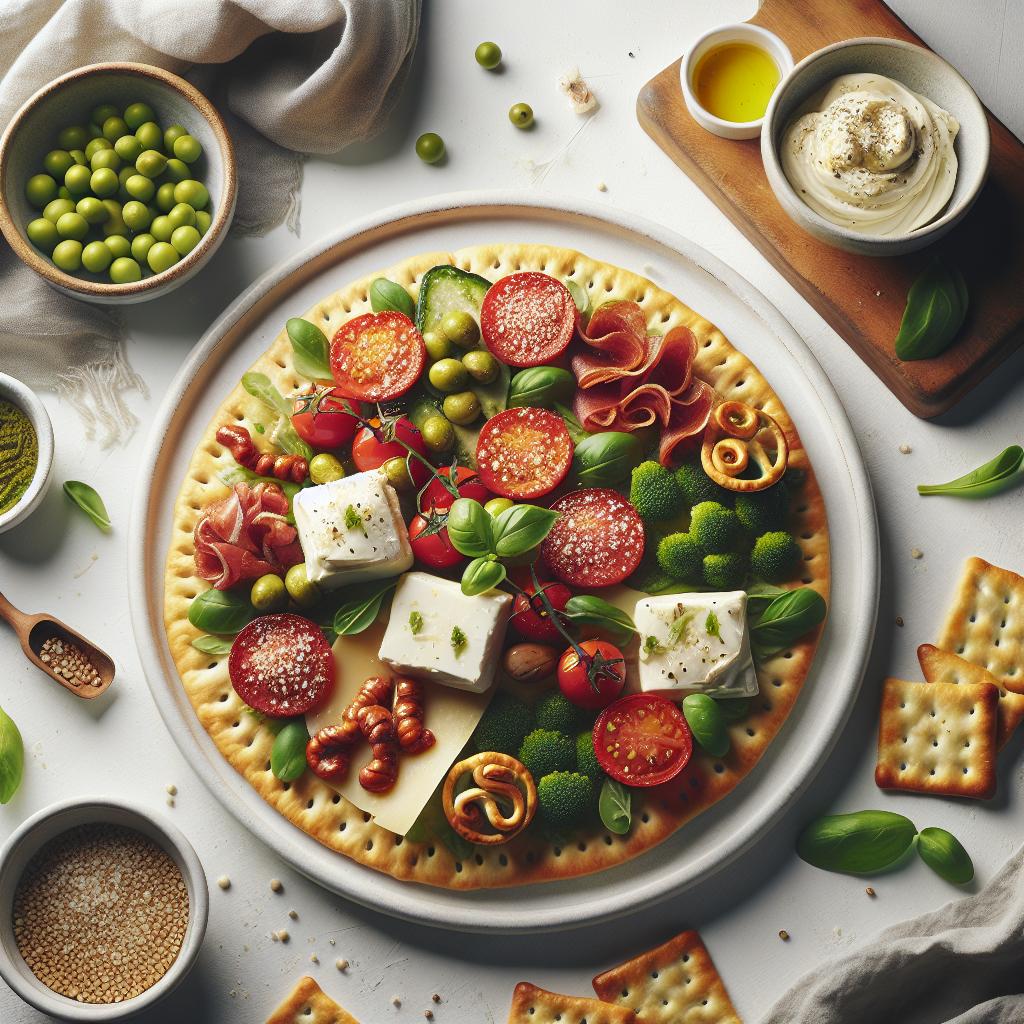

Italy is a country celebrated for its rich history, breathtaking landscapes, and-most famously-its cuisine. From the hearty plates of pasta in Tuscany to the delicate pastries of Sicily, Italian food is a world of flavors waiting to be explored. But beyond the grand meals and lengthy dinners, there lies a vibrant, often overlooked universe of Italian snacks that encapsulate the essence of Italy in bite-sized form. In this article, we invite you on a flavorful journey through Italy’s lesser-known culinary treasures-snacks that tell stories of tradition, region, and innovation. Prepare to savor the simple joys of Italian street food, crunchy crackers, savory pastries, and sweet morsels, each one a glimpse into the heart of Italy’s snack culture. Join us as we explore how these delightful bites bring together history, culture, and taste in every nibble.
Exploring Traditional Ingredients That Define Italian Bites
Savoring Snack Italian reveals the heart of Italy’s regional culinary heritage through delicious bites that embody centuries-old traditions. One such gem is the rustic and satisfying Panelle Siciliane-crispy chickpea fritters originating from the sun-kissed island of Sicily. These golden delights offer a perfect introduction to Italy’s street food culture, blending wholesome ingredients with simple techniques that produce timeless flavors.
Growing up near Palermo, I fondly recall vendors selling panelle from brightly painted carts, their aroma wafting through narrow lanes. This humble street snack stands as a testament to how local staples like chickpeas, fresh herbs, and fragrant olive oil define Italian snacks, making every bite a journey through the Mediterranean.
Prep and Cook Time
- Prep time: 15 minutes
- Cook time: 20 minutes
- Total time: 35 minutes
Yield
- Serves 4 (approximately 16 fritters)
Difficulty Level
- Easy
Ingredients
- 1 cup chickpea flour (finely ground)
- 3 cups water
- 3 tablespoons extra virgin olive oil, plus extra for frying
- 1 teaspoon sea salt
- 1/2 teaspoon freshly ground black pepper
- 1/4 cup fresh parsley, finely chopped
- 1 teaspoon lemon zest (optional, for brightness)
- Semolina or cornmeal for dusting
- Fresh lemon wedges for serving
Instructions
- Combine chickpea flour and water: In a medium saucepan, whisk the chickpea flour and water together until smooth and free of lumps.
- Add seasoning and cook: Stir in the salt, pepper, and 2 tablespoons of olive oil. Over medium heat, cook the mixture, stirring constantly with a wooden spoon, until it thickens and pulls away from the sides of the pan, about 10-12 minutes.
- Incorporate parsley and zest: Remove from heat and mix in the chopped parsley and lemon zest gently, infusing fresh herbaceous notes.
- Set and cool: Pour the thick batter into a lightly oiled shallow baking dish. Smooth the top evenly. Cover and refrigerate for at least 2 hours until firm and set.
- Prepare for frying: Once set, turn the chickpea cake onto a cutting board and slice into rectangles or triangles. Lightly dust each piece with semolina or cornmeal to help create a crisp crust.
- Fry to golden perfection: Heat a generous layer of olive oil in a skillet over medium heat. Fry the pieces until golden and crispy on both sides, about 3-4 minutes per side. Transfer to paper towels to drain excess oil.
- Plate and garnish: Arrange on a serving platter with fresh lemon wedges to squeeze over the warm fritters, enhancing their vibrant Mediterranean flavor.
Tips for Success
- Use freshly ground chickpea flour for optimal flavor and texture; pre-sifted and fine varieties yield the best batter consistency.
- Maintain consistent stirring during cooking to prevent lumps or scorching at the bottom of the pan.
- For a gluten-free option, ensure semolina is substituted with fine cornmeal or additional chickpea flour to coat the fritters.
- You can prepare the batter up to 24 hours ahead-just keep it refrigerated and covered to deepen flavors.
- In place of frying, try pressing the slices into a hot non-stick pan with minimal oil for a lighter version, turning often to achieve a golden crust.
Serving Suggestions
Serve panelle hot and crispy, nestled inside fresh crusty focaccia, brushed lightly with olive oil and sprinkled with additional parsley. Accompany this with tangy preserved lemons or pickled vegetables to cut through the fritter’s richness. To complete an authentic street-food experience, pair these snacks with a chilled glass of sparkling Italian soda or a refreshing sparkling mineral water infused with balsamic vinegar from Modena, offering a subtle tart complexity that complements the chickpea’s earthiness.

Discover more about Italy’s culinary heritage and delightful regional snacks in our regional Italian snacks guide.
| Nutrition (per serving) | Amount |
|---|---|
| Calories | 210 kcal |
| Protein | 8 g |
| Carbohydrates | 26 g |
| Fat | 9 g |
Q&A
Q&A: Savoring Snack Italian: A Bite-Sized Journey Through Italy
Q1: What makes Italian snacks so special compared to other cuisines?
A1: Italian snacks are a celebration of simplicity and quality. Rooted in regional diversity, each bite-sized treat bursts with authentic flavors crafted from fresh, local ingredients. Whether it’s the crispiness of a ligurian focaccia or the creamy richness of Sicilian cannoli, Italian snacks offer a harmonious blend of tradition and taste that tells a story of Italy’s vibrant food culture.
Q2: Can you name some iconic Italian snacks that every traveler should try?
A2: Absolutely! Think of arancini-golden-fried rice balls filled with gooey mozzarella and fragrant tomato sauce from Sicily. Or how about supplì from Rome, rice croquettes that surprise with a cheesy center? Then there’s farinata, a savory chickpea pancake popular in Liguria, and the beloved bruschetta topped with ripe tomatoes and basil from Tuscany. Each snack is a gateway to the region’s unique culinary heritage.
Q3: How do Italian snacks fit into the daily lifestyle of Italians?
A3: Snacking in Italy isn’t just about eating-it’s a ritual. Italians often enjoy a “spuntino” mid-morning or mid-afternoon, a small break to refresh and reconnect. These snacks are usually enjoyed with a lively conversation or a stroll in a piazza, making snacking a social and joyful experience, not just a quick bite.
Q4: Are there vegetarian-friendly Italian snacks that reflect traditional flavors?
A4: Indeed! Italian cuisine offers a treasure trove of vegetarian snacks. Caprese skewers with mozzarella, cherry tomatoes, and basil capture the essence of summer. Panzerotti, savory turnovers stuffed with tomato and mozzarella, are a street-food favorite that’s fully meat-free. Roasted vegetable crostini and crisp focaccia brushed with rosemary and olive oil are other delightful options celebrating Italy’s abundance of vegetables and herbs.
Q5: How do regional differences influence Italian snacking?
A5: Italy’s regions are like little countries with their own culinary identities, and snacking is no exception. In the north, polenta-based snacks and creamy cheeses dominate. The south favors fried bites like arancini and savory pastries rich with local produce. Coastal areas often highlight seafood-inspired appetizers, while mountainous zones showcase hearty, rustic finger foods. This mosaic of tastes ensures every snack tells a unique regional tale.
Q6: Can you suggest easy ways for home cooks to recreate Italian snacks?
A6: Certainly! Start with fresh, high-quality ingredients. A simple bruschetta with grilled bread, extra virgin olive oil, ripe tomatoes, garlic, and basil can transport you to an Italian terrace. For something heartier, try making arancini with leftover risotto, shaping and frying them to golden perfection. Chickpea flour batter for farinata or a quick batch of focaccia dough are other great projects that let you bring Italian snack magic into your own kitchen.
Q7: What cultural elements can one learn about Italy through its snacks?
A7: Each Italian snack is a reflection of geography, history, and community. Through them, you glimpse the agricultural bounty of regions, learn about ancient cooking techniques, and appreciate the importance of family recipes passed down generations. Snacking reveals Italy’s art of balancing taste and tradition, highlighting how food is woven into the social fabric and celebration of everyday life.
Q8: How are Italian snacks evolving in modern cuisine?
A8: While rooted in tradition, Italian snacks are embracing innovation without losing their soul. Contemporary chefs experiment with new fillings, gluten-free doughs, and plant-based cheeses to cater to evolving tastes and dietary needs, all while honoring authentic flavors. This dynamic blend of old and new keeps Italian snacking vibrant and accessible to a global audience hungry for authentic yet inventive bites.
Final Thoughts
As our bite-sized journey through Italy’s beloved snacks comes to an end, it’s clear that savoring these flavorful morsels offers more than just a taste-it’s an invitation to experience the heart and heritage of Italian culture. From the golden crisps of arancini to the delicate layers of cannoli, each snack tells a story steeped in tradition and regional pride. So next time you crave a quick indulgence, let these Italian treats transport you to sun-drenched piazzas and bustling markets, where every bite is a celebration of Italy’s rich culinary tapestry. Buon appetito, and may your snacking adventures continue to be as inspiring as the journey itself.