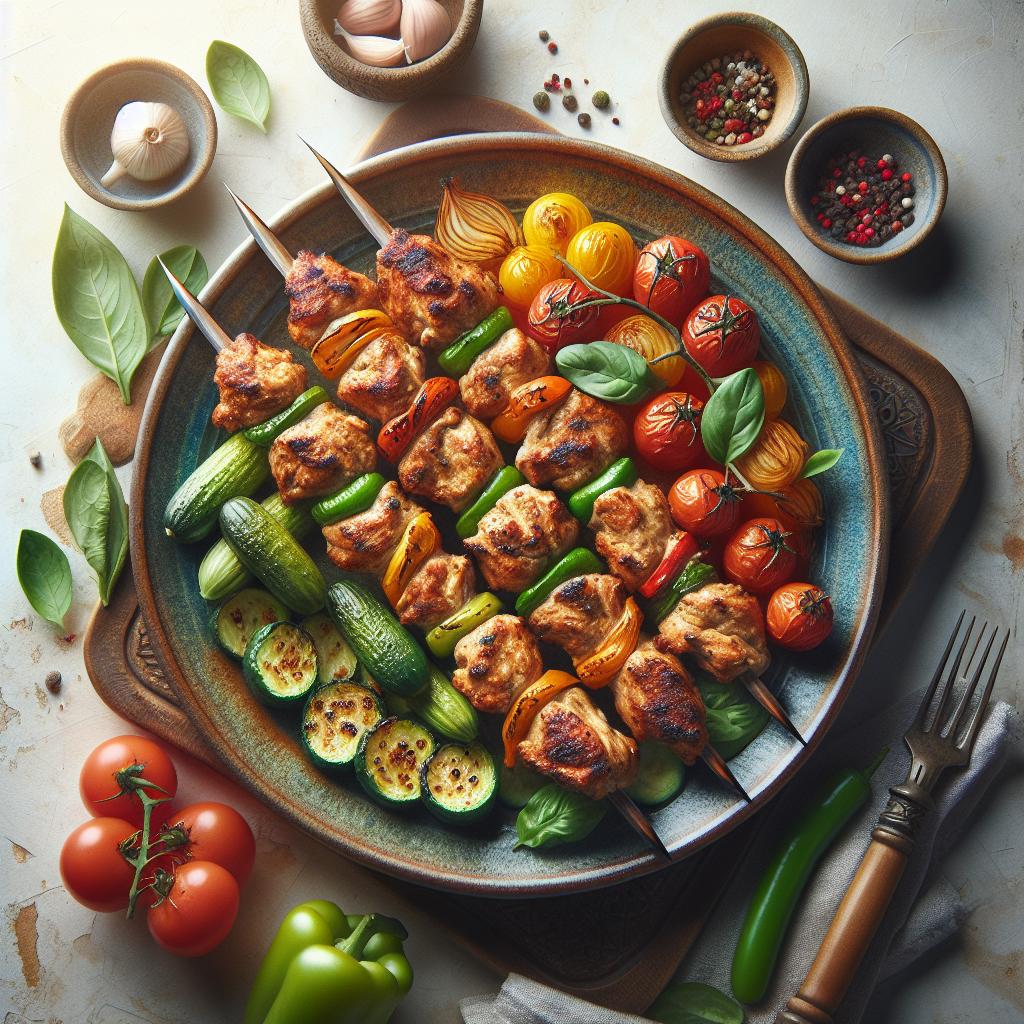

Imagine the tantalizing aroma of juicy, marinated chicken sizzling over open flames, each bite bursting with a symphony of spices and smoky goodness. Chicken kebabs are not just a dish-they are a flavorful journey through time and culture, a culinary art perfected and passed down across generations and continents. In this article, we invite you to savor the flavor as we explore the rich history and intricate craft behind chicken kebabs, unraveling how this beloved delicacy has woven itself into the fabric of global cuisine, delighting taste buds and gathering people around the fire for centuries.
Savor the Flavor: The Art and History of Chicken Kebab
From the smoky whispers of Middle Eastern street markets to the sizzling grills in backyard barbecues, chicken kebab holds a story as rich as its taste. This beloved dish has traveled centuries, evolving yet preserving its essence: tender, marinated chicken bursting with bold, aromatic spices. My first encounter with chicken kebab was unforgettable – the smell alone was intoxicating, and the juicy bites, layered with perfectly charred edges, made me realize this was no ordinary grilled meat. Today, you’ll learn not only how to recreate this culinary masterpiece but also dive deep into what makes each element-from marinade to grill technique-crucial to savoring its authentic flavor.
Prep and Cook Time
- Preparation: 20 minutes (plus 4-6 hours marinating)
- Cooking: 12-15 minutes
- Total Time: Approximately 5 hours (including marination)
Yield
Serves 4 hungry guests
Difficulty Level
Medium
Ingredients
- 1 lb boneless, skinless chicken thighs, cut into 1.5-inch cubes
- 1/2 cup plain Greek yogurt
- 2 tbsp fresh lemon juice
- 3 cloves garlic, minced
- 1 tbsp ground cumin
- 1 tbsp ground coriander
- 1 tsp smoked paprika
- 1 tsp ground turmeric
- 1/2 tsp cayenne pepper (adjust for spice level)
- 1 tsp salt
- 2 tbsp extra virgin olive oil
- Freshly ground black pepper to taste
- Fresh chopped cilantro or parsley for garnish
- Skewers (soaked in water if wooden)
Instructions
- Prepare the marinade: In a medium bowl, whisk together the Greek yogurt, lemon juice, minced garlic, cumin, coriander, smoked paprika, turmeric, cayenne pepper, salt, black pepper, and olive oil until smooth and aromatic.
- Marinate the chicken: Add the cubed chicken to the marinade, ensuring every piece is thoroughly coated. Cover with plastic wrap and refrigerate for at least 4 hours, ideally overnight, to allow the spices to deeply infuse the meat with complex flavors.
- Preheat the grill: Use a charcoal grill or gas grill to medium-high heat (about 400°F/200°C). Oil the grates lightly to prevent sticking.
- Thread the chicken: Skewer the marinated chicken pieces evenly onto the skewers, leaving a little space between each for even cooking and char formation.
- Grill the kebabs: Place the skewers on the hot grill. Cook for about 5-7 minutes per side, turning once or twice, until the chicken is cooked through with an internal temperature of 165°F (74°C) and beautifully charred edges. Use tongs instead of a fork to avoid piercing the meat and losing juices.
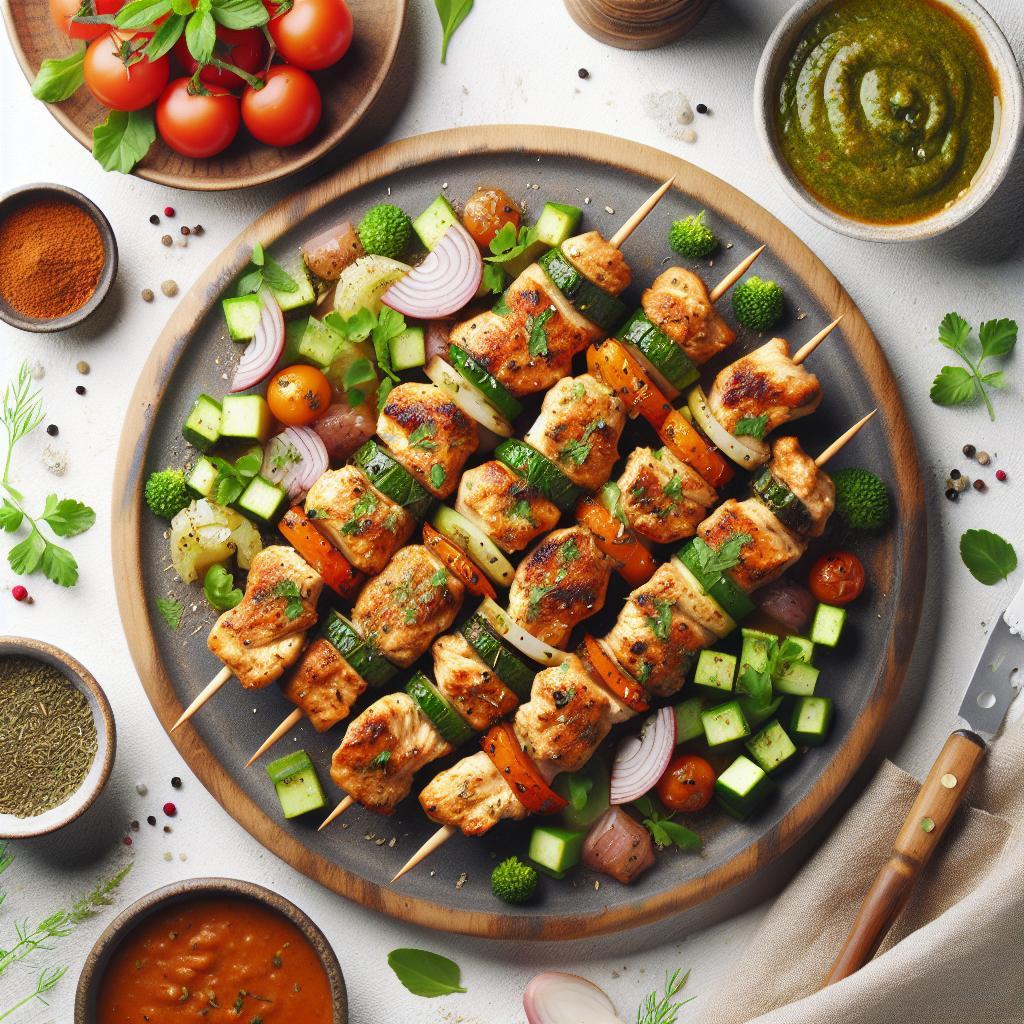
- Rest and garnish: Remove the skewers from the grill and let them rest for 5 minutes. Garnish with fresh chopped cilantro or parsley for a burst of freshness and color.
Tips for Success
- Marinate longer for depth: The longer the chicken soaks, the more tender and flavorful it becomes-overnight is best.
- Choose dark meat: Chicken thighs offer better moisture retention and a richer flavor than breast meat.
- Char with care: Keep the grill temperature medium-high; too hot will burn the spices, too low will dry the chicken out.
- Make it ahead: You can marinate the chicken up to 24 hours in advance to make your cooking day a breeze.
- Accommodate stovetop cooks: Without a grill, a cast-iron grill pan with high heat can replicate the smoky char beautifully.
Serving Suggestions to Elevate Your Chicken Kebab Experience
Chicken kebab finds its perfect partners in simple, fresh accompaniments. Serve on a bed of fragrant basmati rice or fluffy couscous, drizzled with a cooling cucumber-yogurt sauce (tzatziki). Complement with grilled vegetables – think zucchini, bell peppers, and red onions brushed lightly in olive oil and charred alongside the kebabs. Finish with warm, soft pita bread to wrap and scoop the succulent pieces.
Garnish creatively with lemon wedges, fresh herbs, and a sprinkle of sumac for a zesty twist. For those who love a crunch, a handful of toasted pine nuts or slivered almonds offers lovely texture contrast. An arugula salad lightly dressed in lemon and olive oil adds a peppery freshness that balances the richness of the grilled meat.
| Nutrient | Per Serving |
|---|---|
| Calories | 320 kcal |
| Protein | 38 g |
| Carbohydrates | 5 g |
| Fat | 12 g |
For more ways to explore Middle Eastern flavors, check out our Middle Eastern Grilled Vegetable Platter. To deepen your understanding of the cultural roots of kebabs, visit Britannica’s kebab overview – a wealth of historical context from a trusted source.

Q&A
Q&A: Savor the Flavor – The Art and History of Chicken Kebab
Q1: What is chicken kebab, and why has it become a beloved dish worldwide?
A1: Chicken kebab is a culinary masterpiece consisting of marinated chicken pieces grilled or roasted on skewers, bursting with flavors that range from smoky and spicy to tangy and aromatic. Its universal appeal lies in the perfect balance of tender meat, vibrant spices, and smoky char, making it a favorite at street stalls, home kitchens, and upscale restaurants across the globe.
Q2: How old is the tradition of chicken kebab, and where did it originate?
A2: The art of grilling meat on skewers dates back thousands of years, with early evidence found in Central Asia and the Middle East. Chicken kebab, as we know it, has roots in Persian and Ottoman culinary traditions, evolving through centuries of trade and cultural exchange. Each region added its own spices and techniques, transforming it into an age-old symbol of communal feasting and celebration.
Q3: What distinguishes chicken kebab from other types of kebabs?
A3: Chicken kebab’s charm lies in its versatility and the tender juiciness of the poultry. Unlike heavier red meat kebabs, chicken kebabs absorb marinades deeply, delivering a lighter yet richly spiced taste. The delicate texture of chicken allows for an array of marinades-from yogurt and garlic to exotic blends of turmeric, cumin, and saffron-crafting a multitude of regional flavor profiles.
Q4: What are some key marinade ingredients traditionally used in chicken kebabs?
A4: Traditional chicken kebab marinades often combine yogurt or citrus juice as a tenderizing base with fragrant spices like cumin, coriander, paprika, garlic, ginger, and sometimes a hint of chili for warmth. Herbs such as mint or parsley may also feature, infusing the meat with fresh, vibrant notes that complement the smoky grill.
Q5: How has the preparation of chicken kebab evolved over time?
A5: While the core method-skewering marinated chicken and cooking it over open flame-remains unchanged, the modern chicken kebab has embraced innovation. From wood-fired clay ovens to gas grills and even charcoal smokers, cooks experiment with heat sources to achieve optimal smoky depth. Moreover, global fusion has inspired new marinades and accompaniments, reflecting contemporary palates without losing the ancient dish’s soul.
Q6: What cultural significance does chicken kebab hold in different regions?
A6: Chicken kebab is more than food; it is a cultural emissary of hospitality and celebration. In Middle Eastern countries, it often graces family gatherings and festive occasions. In South Asia, it accompanies spicy chutneys and bread, symbolizing a shared culinary heritage. Each bite connects eaters to traditions of warmth, community, and the timeless joy of savoring simple ingredients masterfully prepared.
Q7: What side dishes or accompaniments traditionally complement chicken kebab?
A7: Chicken kebabs are typically paired with fluffy flatbreads, fragrant rice pilafs, or fresh salads featuring cucumber, tomato, and onion. Cooling yogurt-based sauces like tzatziki or raita balance the spices, while pickled vegetables add tart contrast. These accompaniments create a harmonious tapestry that highlights the kebab’s rich, smoky flavors.
Q8: Can chicken kebab be enjoyed year-round, and how do seasonal ingredients influence its preparation?
A8: Absolutely! Chicken kebab’s core simplicity and adaptability make it an all-season delight. In warmer months, lighter marinades with citrus and fresh herbs evoke brightness, while in cooler seasons, smokier spices and heartier sides provide comforting warmth. Seasonal vegetables-like grilled peppers in summer or roasted root vegetables in winter-enhance the experience, ensuring kebab remains a dish for every calendar moment.
Q9: What tips can home cooks use to master the art of chicken kebab?
A9: Success lies in patience and balance: marinate the chicken long enough-ideally several hours or overnight-to deepen flavors and tenderize. Use wooden or metal skewers and soak wooden ones beforehand to prevent burning. Aim for a medium-high grill heat to achieve that perfect sear without drying out the chicken. Finally, let the kebabs rest briefly before serving, allowing juices to redistribute for maximum succulence.
Q10: Why does chicken kebab continue to inspire chefs and food lovers around the world today?
A10: Chicken kebab embodies a universal language of flavor-combining simple ingredients with ancient techniques to create endless variety. It invites creativity while honoring tradition, allows every culture to make it their own, and reminds us that the art of grilling is a shared human heritage. Its enduring popularity is a testament to the joy found in savoring food that is both humble and exquisitely flavorful.
Key Takeaways
From the smoky embers that kiss each succulent piece to the centuries-old traditions passed down through generations, chicken kebab is more than just a meal-it’s a flavorful journey through history and culture. Every bite tells a story of ancient spice routes, skilled artisans, and communal feasts that bring people together around the fire. As we savor the art and heritage of chicken kebab, we not only delight our taste buds but also connect with a timeless culinary ritual that celebrates both creativity and community. So next time you enjoy this savory masterpiece, remember you’re partaking in a delicious legacy that continues to evolve, inviting us all to savor not just the flavor, but the rich tapestry of history behind it.