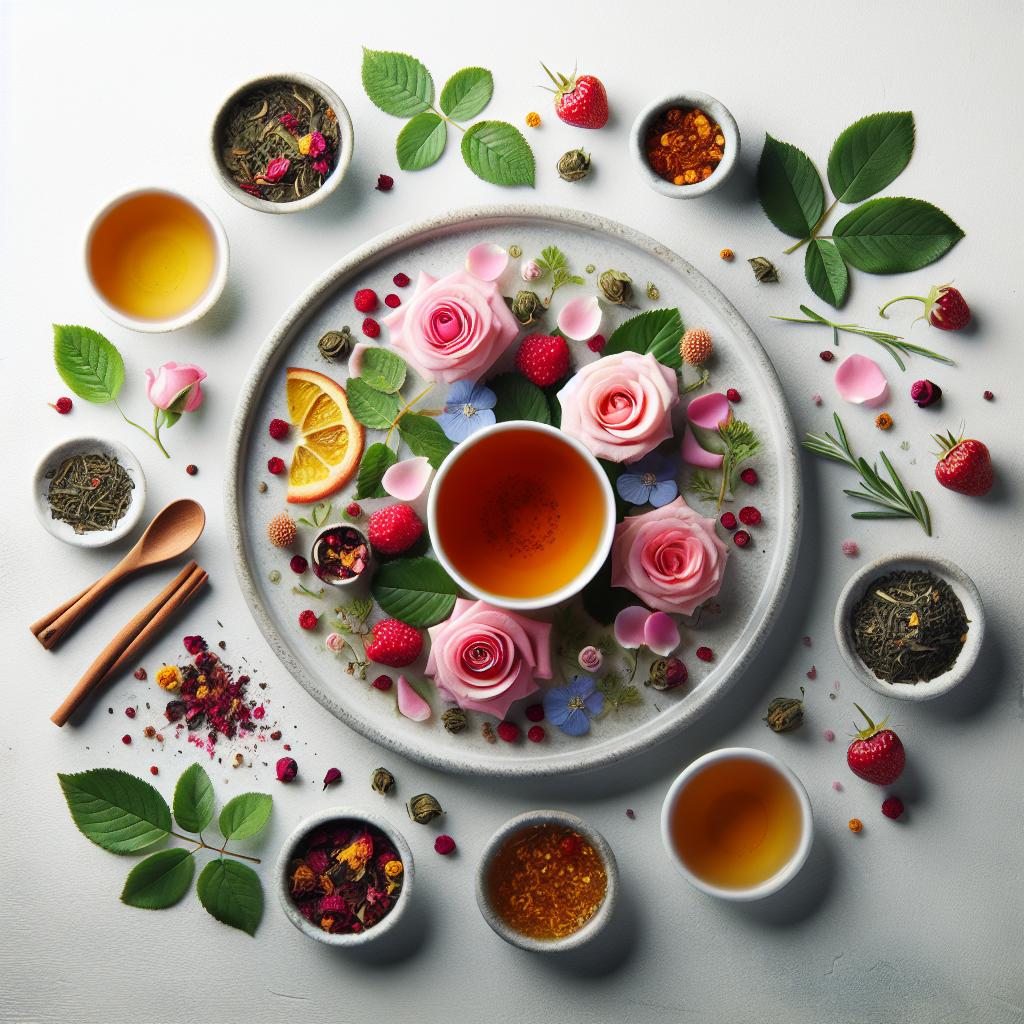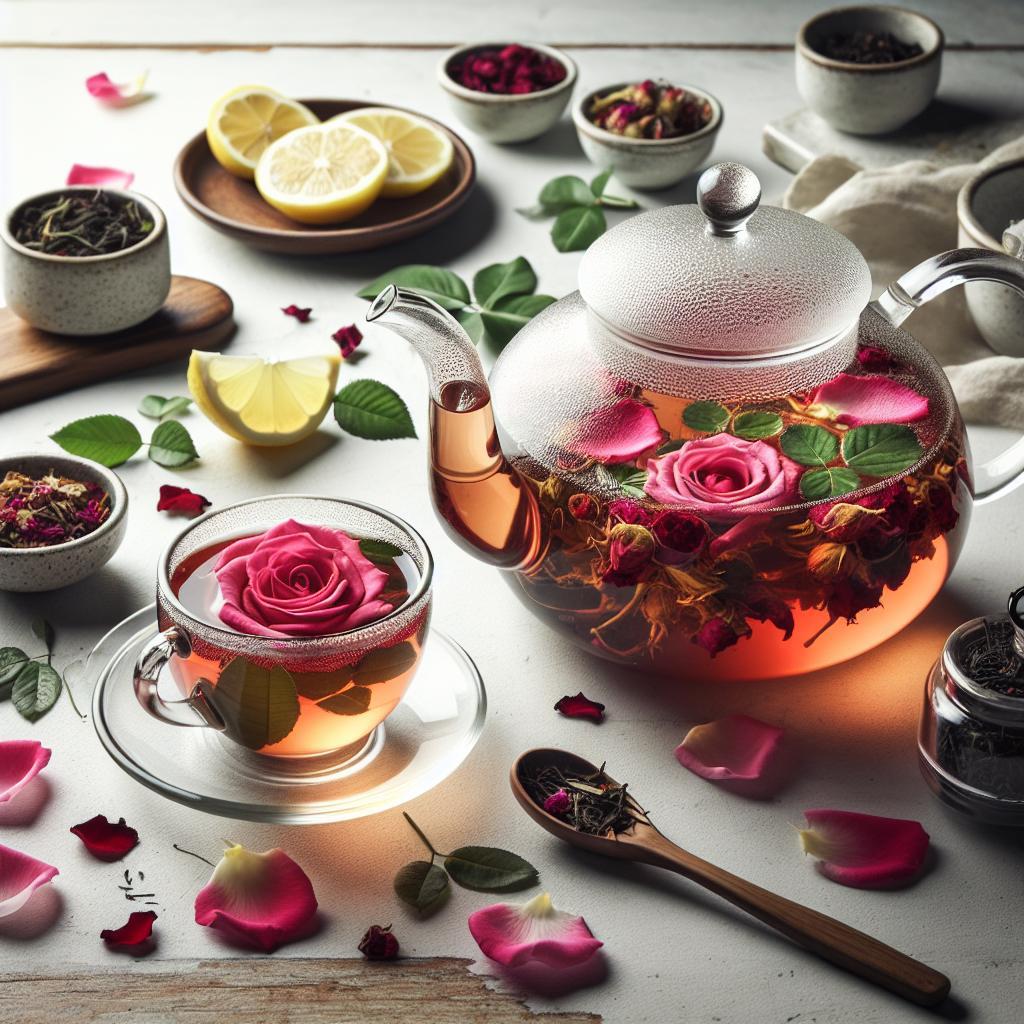

In a world that often feels hurried and chaotic, finding moments of calm is a treasured pursuit. Enter rose tea-a fragrant, delicate infusion that has long been cherished not only for its enchanting aroma but also for its soothing embrace on the mind and body. “Rose Tea Unveiled: Sip Nature’s Floral Calm & Wellness” invites you on a sensory journey to explore how this timeless brew transforms a simple cup into a ritual of tranquility and health. From ancient traditions to modern wellness trends, discover how the petals of a humble rose unlock a bouquet of benefits, turning each sip into a celebration of nature’s gentle healing power.
Crafting the Perfect Brew: Tips for Unlocking Rose Tea’s Full Flavor and Aroma
Rose tea unveiled offers a gentle journey into nature’s most delicate floral essence, turning each sip into a soothing ritual. This timeless infusion, cherished for centuries, captivates with its subtle sweetness and enticing aroma, promising not only refreshment but a host of therapeutic benefits. Originating from traditional gardens where fragrant rose petals are handpicked at dawn, the secret to a flawless brew lies in patience and precision.
Prep and Cook Time
- Preparation: 5 minutes
- Steeping: 7 minutes
- Total Time: 12 minutes
Yield
Serves 2 cups
Difficulty Level
Easy – Perfect for beginners and seasoned tea lovers alike
Ingredients
- 2 tsp dried organic rose petals (ensure they are food grade and pesticide-free)
- 1 cup freshly boiled water (about 200°F, just off the boil)
- Optional: 1 tsp honey or natural sweetener
- Optional: A few fresh mint leaves for garnish
- Optional: A slice of lemon for brightness
Instructions
- Warm your teapot or cup: Pour hot water into your vessel, swirl it around, and discard. This prevents temperature shock and enhances flavor extraction.
- Measure rose petals: Place 2 teaspoons of dried rose petals into a fine mesh infuser or directly into your teapot.
- Pour hot water: Gently pour 1 cup of freshly boiled water over the petals, allowing the temperature to steep the fragrant oils perfectly.
- Steep patiently: Cover your teapot or cup and let the tea steep for 7 minutes. Avoid over-steeping which can bring a bitter note.
- Strain and sweeten: Remove the infuser or strain the petals before adding your choice of honey or sweetener if desired.
- Garnish and serve: Add fresh mint leaves or a lemon slice to enhance the sensory experience visually and aromatically.
Chef’s Notes: Tips for Success
- Water Quality: Always use filtered or spring water for the purest infusion.
- Petal Freshness: Fresher petals yield brighter flavors; store your dried roses in an airtight container away from light.
- Temperature Control: Avoid boiling water directly on rose petals to protect their delicate oils and preserve aroma.
- Flavor Variations: Complement rose tea with chamomile petals for a calming blend or a hint of cardamom for exotic warmth.
- Make-Ahead: Brew a larger batch and refrigerate for a refreshing iced rose tea, perfect for a sunny afternoon.
Serving Suggestions
Serve rose tea in transparent glass cups to celebrate its soft pink hue. Pair it with light pastries such as almond biscotti or lemon scones to elevate flavor contrasts. For an evening ritual, accompany your tea with a meditation or journaling session, turning your cup into a mindful pause.
| Nutritional Info (per cup) | Calories | Protein | Carbohydrates | Fat |
|---|---|---|---|---|
| Rose Tea | 5 kcal | 0 g | 1 g | 0 g |
Discover more wellness infusions with our Herbal Tea Blends Guide. For a deeper dive into rose’s therapeutic properties, explore the research compiled by NCBI.

Q&A
Q&A: Rose Tea Unveiled – Sip Nature’s Floral Calm & Wellness
Q1: What is rose tea, and why has it captured the hearts of tea lovers worldwide?
A1: Rose tea is a fragrant infusion brewed from the delicate petals or buds of the rose flower, celebrated for centuries not only for its enchanting aroma but also its gentle embrace of natural wellness. This rosy elixir offers a floral calm that feels like a soothing whisper from nature itself, making it a beloved ritual for relaxation and rejuvenation.
Q2: How does rose tea promote calmness and wellness?
A2: Beyond its captivating scent, rose tea is rich in antioxidants and natural compounds like flavonoids, which support the body’s stress response and help ease tension. Its subtle, floral notes encourage mindfulness and tranquility, turning every sip into a moment of serene respite amid a hectic day.
Q3: Are there any unique health benefits associated with drinking rose tea?
A3: Absolutely. Rose tea is known to aid digestion, reduce inflammation, and support skin health thanks to its vitamin C content. It also acts as a gentle diuretic, helps balance hormones, and may alleviate menstrual discomfort – a true floral powerhouse of wellness.
Q4: How should one prepare the perfect cup of rose tea?
A4: For an exquisite brew, steep approximately 1-2 teaspoons of dried rose petals or buds in hot (not boiling) water for 5-7 minutes. This gentle steeping preserves the delicate flavors and nutrients. You can enjoy it pure, or sweeten lightly with honey or a hint of lemon to complement the natural floral notes.
Q5: Can rose tea be combined with other ingredients?
A5: Definitely! Rose tea pairs beautifully with herbs like chamomile, lavender, or mint, enhancing its soothing properties. For an antioxidant-rich boost, try blending it with green or white tea. Each fusion tells a new story of flavor and wellness.
Q6: Who should consider adding rose tea to their wellness routine?
A6: Anyone seeking a natural, calming ally for daily stress relief, digestive support, or skin health will find rose tea a graceful companion. It’s especially ideal for those who appreciate ritualistic moments of calm, self-care enthusiasts, and anyone curious to explore nature’s floral remedies.
Q7: Are there any precautions or contraindications to keep in mind?
A7: While rose tea is generally safe for most people, those with allergies to roses or other flowers should proceed with caution. Pregnant or breastfeeding women should consult a healthcare professional before incorporating it into their routine. As with all herbal teas, moderation is key to enjoying its benefits fully.
Q8: Where can one find high-quality rose tea?
A8: Look for organic, pesticide-free dried rose petals from reputable herbal tea suppliers or specialty stores. Sourcing from trusted growers ensures the purest flavors and maximum wellness benefits in each cup.
Q9: What is the cultural significance of rose tea through history?
A9: Throughout history, rose tea has been cherished in various cultures-from ancient Persia to traditional Chinese medicine-as a symbol of love, beauty, and healing. Its timeless appeal flows from its delicate essence and the universal human yearning for tranquility and health.
Q10: How can newcomers fully savor the experience of rose tea?
A10: Embrace the ritual of preparing and sipping rose tea mindfully. Notice the color, inhale the gentle fragrance, and let each sip nurture your senses. Pair it with quiet moments, a good book, or meditation to truly unveil the floral calm and wellness this exquisite tea offers.
To Wrap It Up
As the final petal unfurls in our exploration of rose tea, we find ourselves cradling more than just a comforting cup – we hold a timeless ritual steeped in nature’s gentle embrace. From its delicate aroma to its subtle flavors, rose tea invites us to pause, sip, and reconnect with a floral calm that nurtures both body and soul. Whether you seek a moment of tranquility, a boost to your well-being, or simply a new taste adventure, rose tea stands as a fragrant testament to the healing power of blossoms. So next time you brew this rosy infusion, remember: you’re not just drinking tea-you’re sipping on a centuries-old story of nature’s wellness, gracefully unveiled in every cup.