
There’s something undeniably satisfying about slicing into a perfectly cooked beef roast-the rich aroma wafting through the kitchen, the tender juices glistening with every cut, and the deep, savory flavor that makes every bite a celebration. Yet, mastering this culinary art can feel like an elusive quest for many home cooks. From selecting the ideal cut to unlocking the secrets of seasoning, temperature, and timing, achieving a roast that’s both flavorful and flawlessly cooked is a rewarding journey worthy of a chef’s dedication. In this article, we’ll guide you through expert tips and time-tested techniques to elevate your beef roast from ordinary to extraordinary, ensuring each meal becomes a memorable feast filled with warmth and satisfaction.
Selecting the Ideal Cut for Maximum Tenderness and Flavor
Mastering the Art of Beef Roast starts with the crucial step of choosing the perfect cut. For an unforgettable roast, opt for beef cuts known for their marbling and balance of tenderness-such as prime rib, chuck roast, or top sirloin. These cuts contain just enough fat to infuse deep, savory flavors while breaking down slowly during cooking, resulting in a melt-in-your-mouth texture. When selecting your cut, look for a rich red color, fine grain, and a nice layer of creamy white fat along the edges. This fat renders throughout roasting, delivering juiciness and flavor that a leaner cut simply can’t match.
Balancing Marinades and Seasonings to Elevate Your Roast
To take your roast to the next level, an artful balance of marinades and seasonings is essential. Consider a marinade that combines garlic, fresh herbs, olive oil, and aged balsamic vinegar for a punch of umami without overpowering the beef’s natural flavors. For a dry rub, blend coarse salt, cracked black pepper, smoked paprika, and a hint of mustard powder. Allow your beef to marinate for at least 4 hours or overnight for deeper flavor penetration, but if you’re short on time, a quick 30-minute rub will still make a notable impact. Remember, seasoning isn’t just about salt; layering herbs and spices adds complexity and ensures every bite is bursting with character.
Mastering Temperature and Timing for Juicy Consistency
Nothing compares to the thrill of pulling a perfectly cooked roast from the oven. For consistent juiciness, mastering temperature and cooking time is non-negotiable. Start by roasting at a high heat-about 450°F (232°C) for 15 minutes-to develop a rich, caramelized crust. Then reduce the temperature to 325°F (163°C) and cook gradually until the internal temperature reaches your desired doneness: 120-125°F for rare, 130-135°F for medium-rare, and 140-145°F for medium. Use a reliable meat thermometer to track progress precisely. This two-step roasting ensures an even cook and a succulent interior encased in a flavorful crust. Remember, residual heat will cause the meat to rise a few degrees after resting, so factor that in.
Resting and Carving Techniques to Preserve Perfect Texture
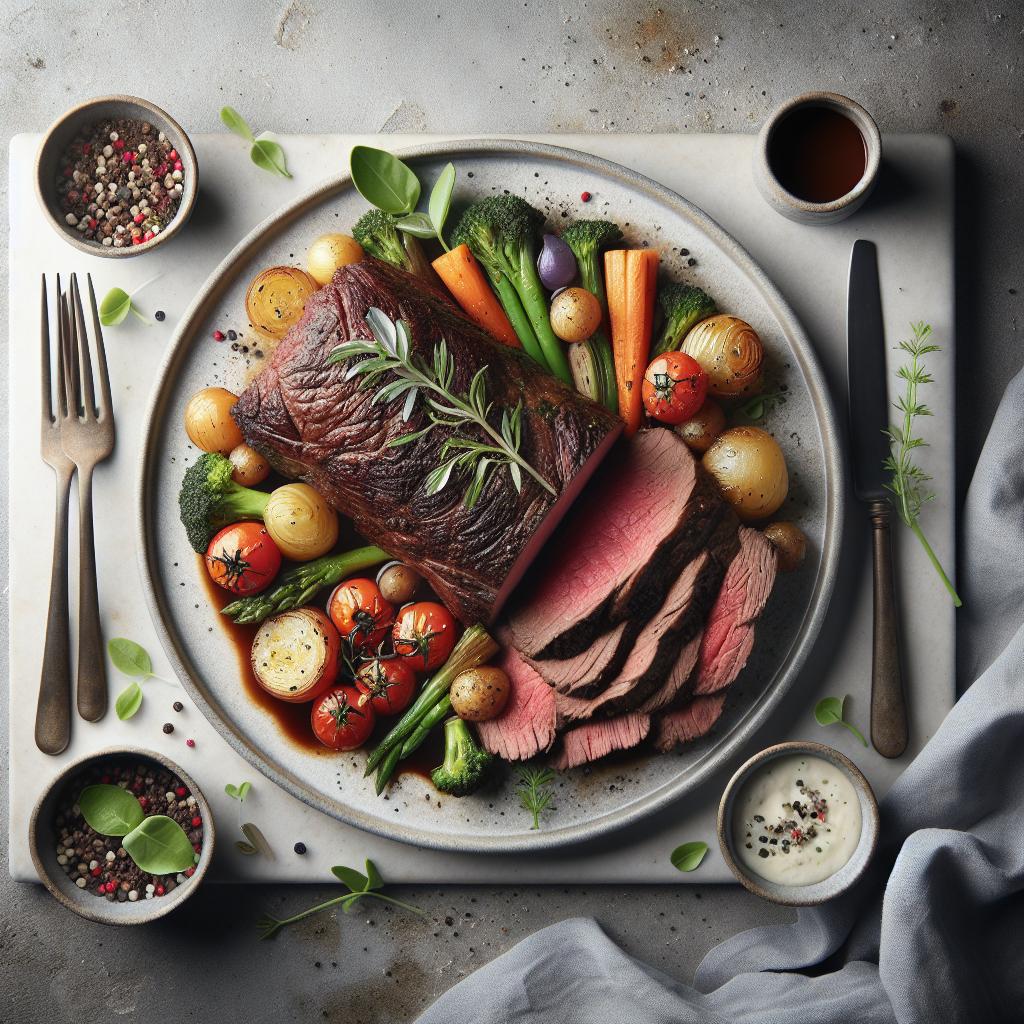
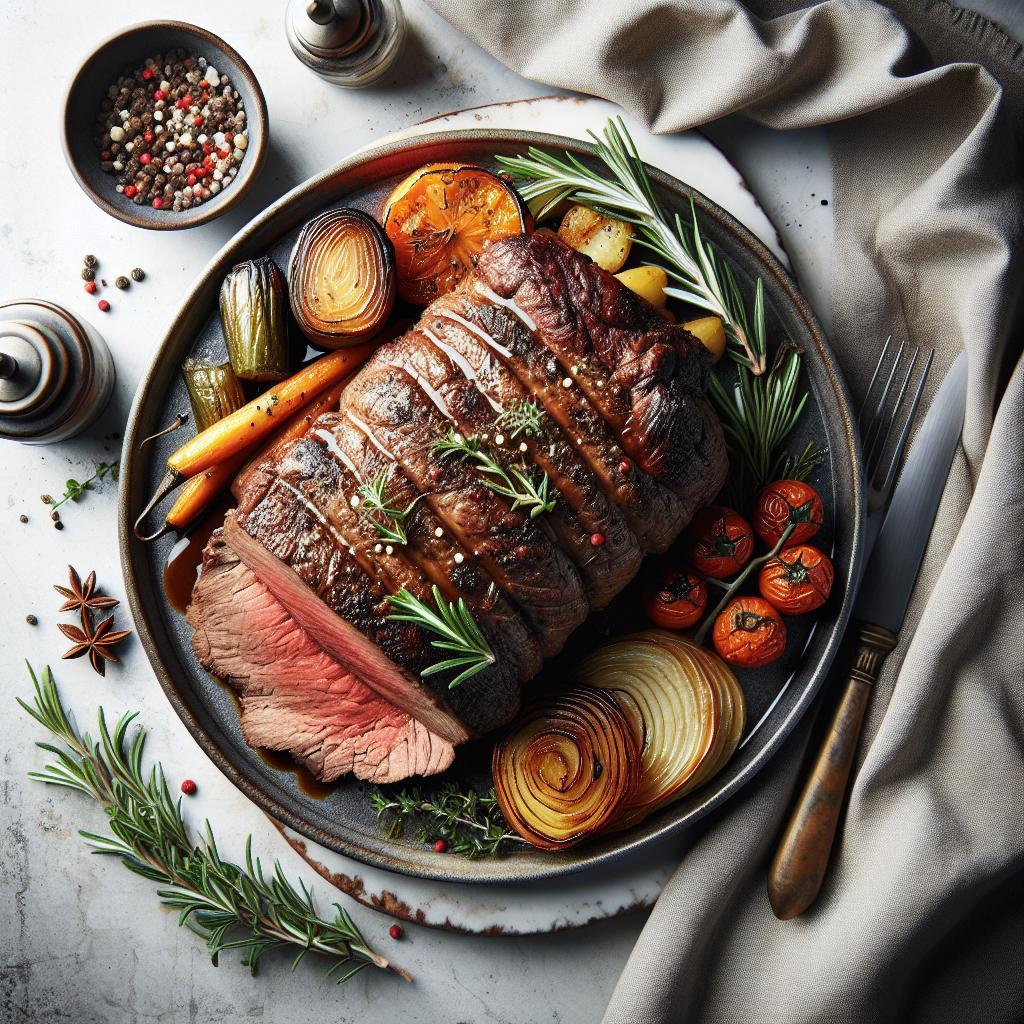
Resting your roast allows the juices to redistribute, which means every slice will be juicy and tender rather than dry and stringy. Once out of the oven, tent the roast loosely with foil and let it rest for at least 20 minutes. During this time, muscles relax, and moisture settles back into the meat fibers, preserving that perfect texture. When carving, always use a sharp, carving knife and slice against the grain to maximize tenderness. Thin, deliberate cuts show off the roast’s juicy interior and help maintain an inviting presentation when served. For added flair, arrange slices on a warm platter lined with fresh herbs like rosemary or thyme.
Prep and Cook Time
- Preparation: 15 minutes (+ marinating time)
- Cooking: 1.5 to 2 hours (depends on roast size)
- Resting: 20 minutes
Yield
- Serves 6-8 people
Difficulty Level
- Medium – beginner cooks can achieve great results with proper timing and thermometer use
Ingredients
- 4 to 5-pound beef roast (prime rib, chuck, or top sirloin)
- 4 cloves garlic, minced
- 2 tablespoons olive oil
- 2 teaspoons sea salt
- 1 teaspoon fresh cracked black pepper
- 1 tablespoon fresh rosemary, chopped
- 1 tablespoon fresh thyme, chopped
- 1 teaspoon smoked paprika
- 1 tablespoon balsamic vinegar
Instructions
- Marinate the roast: Combine olive oil, minced garlic, chopped rosemary, thyme, balsamic vinegar, salt, pepper, and smoked paprika in a bowl. Rub this mixture all over the beef. Cover and refrigerate for at least 4 hours or overnight.
- Prepare the oven: Preheat oven to 450°F (232°C). Place the roast on a rack in a shallow roasting pan.
- Sear the roast: Roast at 450°F for 15 minutes to create a crust that locks in juices.
- Roast slowly: Lower oven temperature to 325°F (163°C). Continue roasting until internal temperature reaches 130°F (54°C) for medium-rare, monitoring with a meat thermometer (approximately 1-1.5 hours).
- Rest the roast: Remove from oven and tent loosely with foil. Let rest for 20 minutes; this allows juices to redistribute.
- Carve: Slice against the grain into thin, even pieces. Serve on a warm platter garnished with fresh herbs.
Tips for Success
- For richer flavor, allow the roast to come to room temperature before cooking-about 30 minutes out of the fridge.
- Use a digital thermometer for precise doneness. Avoid cutting into the roast early to check.
- If pressed for time, a dry rub alone enhances flavor quickly when marinating under 1 hour.
- Try a finishing brush of garlic butter after resting for an added gloss and savory kick.
- Leftovers make fantastic sandwiches or can be repurposed in hearty soups and stews.
Serving Suggestions
Present your beef roast with classic sides like roasted baby potatoes and sautéed green beans for a beautifully balanced meal. Garnish with sprigs of rosemary and a sprinkle of flaky sea salt just before serving for an elegant touch. Complement with a creamy horseradish sauce or a robust mustard for extra zest. A crisp root vegetable salad or a light arugula salad with lemon vinaigrette adds freshness and contrast, rounding out the plate perfectly.
| Nutrient | Per Serving (6 oz) |
|---|---|
| Calories | 350 kcal |
| Protein | 45 g |
| Carbohydrates | 2 g |
| Fat | 18 g |
USDA Guidelines on Meat Handling
Explore more culinary techniques in our Slow Roasting Beef Techniques article.

Q&A
Q&A: Mastering the Art of Beef Roast – Tips for Perfect Flavor
Q1: What is the key to selecting the best cut of beef for roasting?
A1: Choosing the right cut is the foundation of a succulent beef roast. Look for well-marbled cuts like ribeye, sirloin, or chuck roast, which balance tenderness and rich flavor. The marbling-the fine streaks of fat within the muscle-melts during cooking, enhancing juiciness and taste.
Q2: How important is seasoning, and what are some ideal flavor enhancers for beef roast?
A2: Seasoning is crucial for elevating the natural beef flavors. A simple rub of coarse salt and freshly ground black pepper can work wonders, but layering with garlic, rosemary, thyme, and smoked paprika adds depth and aromatic complexity. Be sure to season generously and allow the beef to rest at room temperature before roasting for even flavor penetration.
Q3: Why should a beef roast be rested after cooking, and how long is ideal?
A3: Resting allows the meat’s juices to redistribute evenly, preventing a dry, overcooked texture. For most roasts, a rest period of 15 to 20 minutes under a loose foil tent is ideal. This step ensures each slice bursts with moist, tender flavor.
Q4: What is the best roasting technique to maintain moisture while developing a flavorful crust?
A4: Start by searing the roast at high heat to create a deep, caramelized crust that locks in juices. Then, reduce the oven temperature and roast slowly until reaching the desired internal temperature. This combination of high and low heat creates a tender interior with a beautifully textured exterior.
Q5: How can one determine the perfect doneness without cutting into the roast?
A5: Using a reliable meat thermometer is the secret to precision. For medium-rare, aim for an internal temperature of about 130-135°F (54-57°C); for medium, 140-145°F (60-63°C). Remove the roast from the oven a few degrees before it reaches the target temperature, as it continues to cook during resting.
Q6: Can marinades improve the flavor of a beef roast, and what ingredients work best?
A6: Absolutely! Marinades infuse additional layers of flavor and tenderness. A mixture of olive oil, balsamic vinegar or citrus juice, crushed garlic, fresh herbs, and a touch of honey or mustard creates a balanced marinade that complements beef’s robust profile without overpowering it.
Q7: How do cooking times vary depending on roast size and shape?
A7: Larger and thicker roasts require slower, longer cooking times to ensure even doneness. A dense, uniform shape promotes even heat distribution. For example, a 3- to 4-pound roast may need 1 ½ to 2 hours at moderate oven temperatures, but it’s essential to check doneness with a thermometer rather than relying solely on time.
Q8: What sides enhance the experience of a perfectly roasted beef entrée?
A8: Classic sides like roasted root vegetables, creamy mashed potatoes, or a vibrant green vegetable provide a harmonious balance to beef’s richness. For added texture, consider a crisp salad with a bright vinaigrette or caramelized onions that echo the roast’s savory notes.
Q9: How can one elevate the presentation of a beef roast when serving?
A9: Slice the roast thinly against the grain to maximize tenderness, arrange the slices fanned out on a warm platter, and drizzle with pan jus or spooned gravy. Garnish with fresh herbs for a pop of color and an inviting aroma. Thoughtful plating turns a hearty meal into a feast for the eyes.
Q10: Are there any common pitfalls to avoid when roasting beef?
A10: Avoid rushing the cooking process, as high temperatures throughout can toughen the meat. Don’t skip seasoning or resting, and resist cutting into the roast too soon, which causes valuable juices to escape. Lastly, always allow the meat to come to room temperature before roasting to ensure consistent cooking.
Master these tips, and your beef roast will emerge every time as the centerpiece of a memorable, mouthwatering meal!
The Conclusion
As the savory aroma of a perfectly roasted beef fills your kitchen, you’ll realize that mastering this culinary art is more than just following a recipe-it’s about embracing technique, timing, and a touch of patience. With these tips in hand, you’re well on your way to transforming humble ingredients into a mouthwatering masterpiece that delights every palate. So, sharpen your knives, season with confidence, and let your roast tell a story of flavor, tenderness, and tradition-because every great meal deserves a grand finale. Happy roasting!