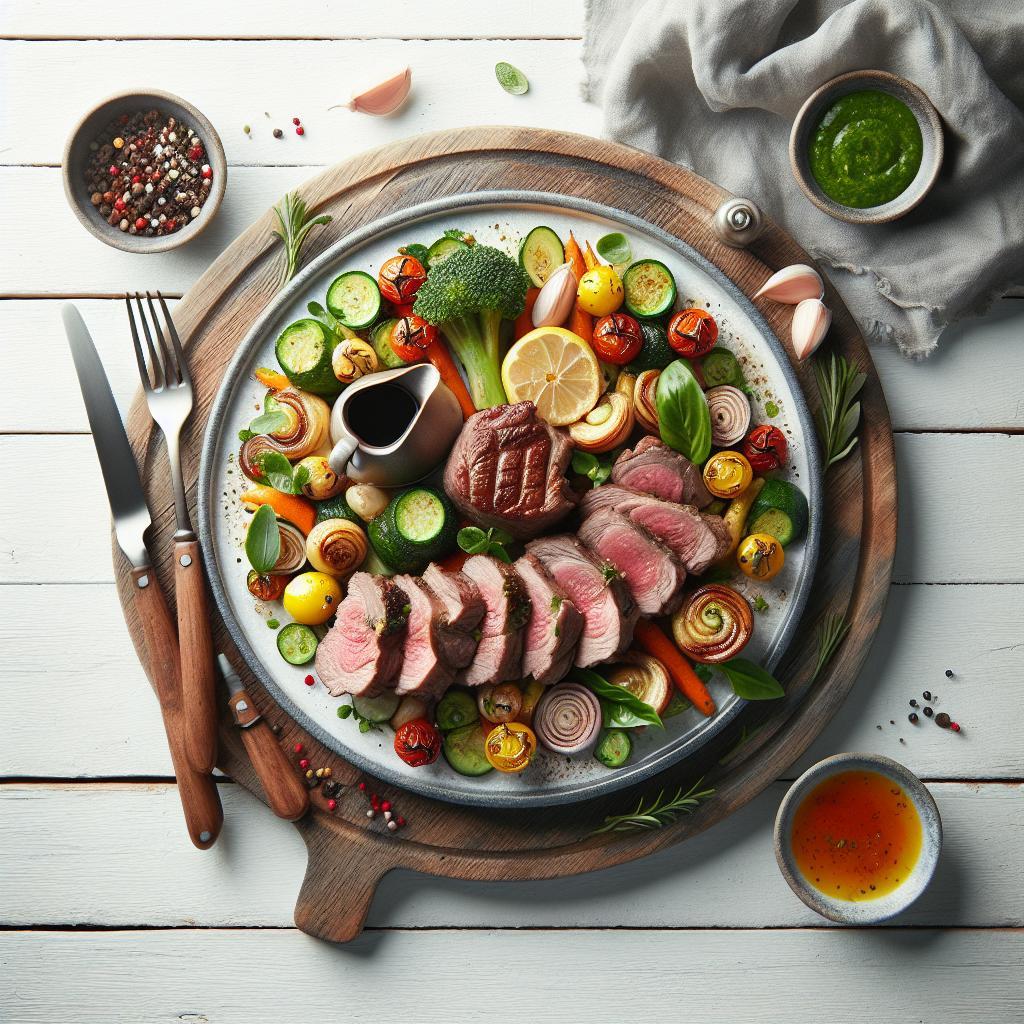

There’s a unique alchemy involved in cooking lamb to tender, juicy perfection-but what about reheating it without turning that masterpiece into a dry, flavorless shadow of its former self? Mastering the art of reheating lamb isn’t just about warming leftovers; it’s about rekindling the rich, savory essence that made the original dish unforgettable. Whether it’s a succulent leg, juicy chops, or delicate slices from a roast, discovering the best way to reheat lamb perfectly can elevate your leftovers from mundane to mouthwatering. In this article, we’ll explore the secrets and techniques that ensure every bite tastes as exquisite the second time around as it did fresh from the oven.
Best Way to Reheat Lamb Perfectly: The Science Behind Reheating Lamb Without Losing Flavor
Discovering the best way to reheat lamb perfectly transforms leftover meat from a simple second meal into a delicious experience rivaling the original dish. Reheating lamb may sound straightforward, but preserving its tender texture and rich flavors requires a touch of culinary science and finesse. Understanding the unique characteristics of different lamb cuts and how heat influences moisture and aromatics ensures every bite sings with freshness.
Prep and Cook Time
- Preparation: 5 minutes
- Reheating: 10-15 minutes (depending on cut and method)
Yield
Serves 2-4 (adjustable based on lamb portions)
Difficulty Level
Medium: Requires attention to detail but yields impressive results
Ingredients
- Leftover lamb (roast, chops, leg, or shoulder), chilled
- 2 tbsp olive oil or unsalted butter
- 1/4 cup beef or vegetable broth (for moisture)
- Fresh herbs (rosemary, thyme, or mint), finely chopped
- Sea salt and freshly cracked black pepper
- Optional: minced garlic (1 clove), lemon zest for brightness
Instructions
- Select the right reheating method based on your lamb cut:
- Roasts and larger cuts: Best reheated gently in an oven or covered skillet to maintain juiciness.
- Lamb chops and thinner cuts: Quick pan reheating or sous vide methods ensure tenderness.
- Preheat your oven to 275°F (135°C) for oven reheating; this low, steady heat prevents drying.
- If using the oven, place lamb in a baking dish and add broth or drippings to keep a moist environment. Cover tightly with foil.
- For stovetop reheating: Heat the olive oil or butter on medium-low heat in a skillet. Add minced garlic if using and sauté briefly until fragrant.
- Add lamb slices to the pan, seasoning lightly with salt, pepper, and fresh herbs. Gently warm for about 3-5 minutes per side, turning once for even reheating. Avoid high heat to preserve juices.
- For sous vide reheating: Vacuum-seal lamb slices with a splash of broth or olive oil and reheat at 131°F (55°C) for about 20-30 minutes.
- Once warm throughout (internal temperature around 130°F for medium-rare), remove promptly and let rest briefly to allow juices to redistribute.
- Finish with a sprinkle of lemon zest or an extra drizzle of quality olive oil to amplify aromas and elevate the flavor profile.
Tips for Success
- Use gentle, low heat: High temperatures force moisture out, resulting in dry lamb.
- Keep lamb covered or sealed: Retains steam and succulence.
- Use broth or a splash of water: Helps maintain juiciness during reheating.
- Reheat only once: Avoid repeated heating cycles that break down muscle fibers and texture.
- Rest after reheating: Let the lamb sit for 5 minutes before slicing or serving for optimal tenderness.
Serving Suggestions
Serve reheated lamb alongside vibrant sides that contrast its richness, such as a crisp arugula salad with lemon vinaigrette or roasted root vegetables glazed with honey and thyme. Garnish with fresh mint leaves or a scattering of toasted pine nuts for a delightful textural element. A dollop of cooling Greek yogurt infused with garlic and lemon zest can brighten the palate and complement the lamb’s savory charm.
| Nutrient | Amount per 100g |
|---|---|
| Calories | 250 kcal |
| Protein | 26 g |
| Carbohydrates | 0 g |
| Fat | 16 g |
For further insights on slow roasting and reheating meats, check out our detailed article on Perfect Roast Dinners. To dive deeper into the science of meat reheating, visit The Culinary Institute of America.

Q&A
Q&A: Mastering the Art of Reheating Lamb Perfectly
Q1: Why is reheating lamb more challenging than other meats?
A1: Lamb is a tender, flavorful meat that can easily dry out or become tough when reheated. Its rich fat content and delicate texture mean it requires gentle methods to preserve juiciness and taste-making reheating an art rather than a simple task.
Q2: What’s the biggest mistake people make when reheating lamb?
A2: Overheating is the classic pitfall. High heat or prolonged reheating saps moisture, turning succulent lamb into a chewy or flavorless version of its former self. The key is low and slow warming to bring it back to life without losing its magic.
Q3: What’s the best method to reheat lamb and keep it juicy?
A3: The sous vide method reigns supreme-warming lamb gently in a precisely controlled water bath ensures even heat without drying. If you don’t have a sous vide cooker, a low oven (around 275°F or 135°C) wrapped in foil or a covered dish with a splash of broth works wonders to retain moisture.
Q4: Can I reheat lamb in a microwave without ruining it?
A4: Yes, but with caution! Use short bursts of low power and cover the lamb with a damp paper towel or microwave-safe lid to trap steam. This prevents drying out, but be mindful-microwaving can unevenly heat the meat, so checking frequently is a must.
Q5: What about stovetop reheating? Is that effective?
A5: Absolutely! Reheat slices in a skillet over low heat with a bit of olive oil or lamb-friendly broth. Cover the pan to keep the steam in, turning occasionally. This method gently revives the meat without sacrificing flavor.
Q6: Are there any tips for reheating lamb stew or shredded lamb differently?
A6: For stews and shredded lamb, slow and moist heat is your friend. Reheat gently on the stove or in the oven, adding a splash of broth to rejuvenate the sauce. This helps blend flavors while preventing dryness.
Q7: How should I store leftover lamb to make reheating easier?
A7: Store lamb in an airtight container to lock in moisture and chill promptly after cooking. For best results, slice larger cuts before storing-it heats more evenly and rewarms faster!
Q8: Can reheating lamb improve its flavor?
A8: When done right, yes! Slow reheating can deepen flavors as spices and meat juices meld together. Think of it as letting your lamb relax and marinate again, bringing new life to leftovers.
Q9: Any final pro tips for lamb reheating perfection?
A9: Always keep an eye on your lamb’s internal temperature-it should reach around 130°F (54°C) to be warm but still medium-rare and juicy. Patience is your ally: low heat and slow steps turn reheated lamb into a second-day masterpiece.
Bon appétit and happy reheating!
Closing Remarks
In the symphony of flavors that lamb offers, reheating it perfectly is the final, crucial note that transforms leftovers into a culinary encore. With the right techniques-respecting the meat’s texture, moisture, and subtle nuances-you can revive its tender juiciness and rich aroma, making each bite just as memorable as the first. Armed with these expert tips, mastering the art of reheating lamb isn’t just about warming food; it’s about rekindling a delicious experience. So go ahead, reheat with confidence, and let every morsel tell the story of your culinary craft, time and time again.


