
There’s a magic moment in steak-cooking-a fleeting window where texture, flavor, and juiciness converge to create pure perfection. Mastering medium-rare is more than just hitting a temperature; it’s an art form that transforms a simple cut of meat into a culinary masterpiece. Whether you’re a novice griller or a seasoned chef, unlocking the secrets to that tender, rosy center will elevate your steak game to new heights. In this article, we’ll serve up expert tips, from selecting the right cut to timing the sear, ensuring your steak comes off the grill flawless every single time. Prepare to impress your taste buds and your dinner guests alike-because medium-rare isn’t just a preference, it’s the pinnacle of steak mastery.
Mastering medium-rare perfection starts with a fundamental understanding of how heat transforms meat, unlocking flavors and textures that celebrate the steak’s natural juiciness and tenderness. Achieving the ideal medium-rare steak is both art and science – from selecting the perfect cut to monitoring temperature with precision, and finishing it in a way that elevates every bite into a symphony of taste and aroma.
Prep and Cook Time
Preparation: 10 minutes | Cooking: 8-12 minutes | Resting: 5 minutes
Yield
Serves 2 perfectly satisfied steak lovers
Difficulty Level
Medium – ideal for home cooks ready to elevate their steak skills
Ingredients
- 2 ribeye steaks, 1.5 inches thick, well-marbled
- Kosher salt, to taste
- Freshly ground black pepper, to taste
- 2 tablespoons high-smoke-point oil (e.g., grapeseed or avocado oil)
- 3 tablespoons unsalted butter
- 3 garlic cloves, lightly crushed
- 3 sprigs fresh thyme or rosemary
Instructions
- Bring the steaks to room temperature. Remove the steaks from the fridge about 30-45 minutes before cooking. This ensures even cooking and a consistently juicy medium-rare center.
- Preheat your pan. Place a heavy cast-iron skillet or stainless steel pan over high heat. Swirl 2 tablespoons of oil to coat the surface just before the steaks hit the pan; the oil must be shimmering but not smoking.
- Season generously. Lightly pat the steaks dry with paper towels, then season all sides with kosher salt and freshly ground black pepper to enhance the natural beef flavor.
- Sear the steaks. Lay the steaks away from you into the hot pan. Sear without moving for about 3-4 minutes until a deep golden crust forms. Flip and sear the other side for 2-3 minutes.
- Add butter and aromatics. Reduce heat to medium. Add butter, garlic cloves, and herb sprigs to the pan. Tilt the pan slightly and continuously spoon (baste) melted butter onto the steaks to infuse rich, savory flavor.
- Check for medium-rare doneness. Use an instant-read meat thermometer to monitor the internal temperature. Aim for 130°F (54°C) for medium-rare – the gold standard for tender juiciness.
- Rest your steaks. Remove the steaks from the pan and let them rest on a warm plate for at least 5 minutes. Resting allows juices to redistribute, resulting in every bite being delectably moist.
Chef’s Notes: Tips for Success
- Cut selection: Prime cuts like ribeye, New York strip, or filet mignon excel at medium-rare thanks to their marbling and tenderness.
- Temperature control: Using a good quality thermometer is a game-changer – avoid the guesswork and prevent overcooking.
- Resting time: Never skip resting! It locks in flavors and prevents dry steaks.
- Variations: For a smoky twist, finish your steak on a preheated grill for 1-2 minutes after pan-searing.
- Make-ahead tips: Season steaks an hour before cooking to allow the salt to penetrate deeply for amplified taste.
- Common pitfall: Avoid overcrowding the pan; give each steak enough space for a perfect crust.
Serving Suggestions
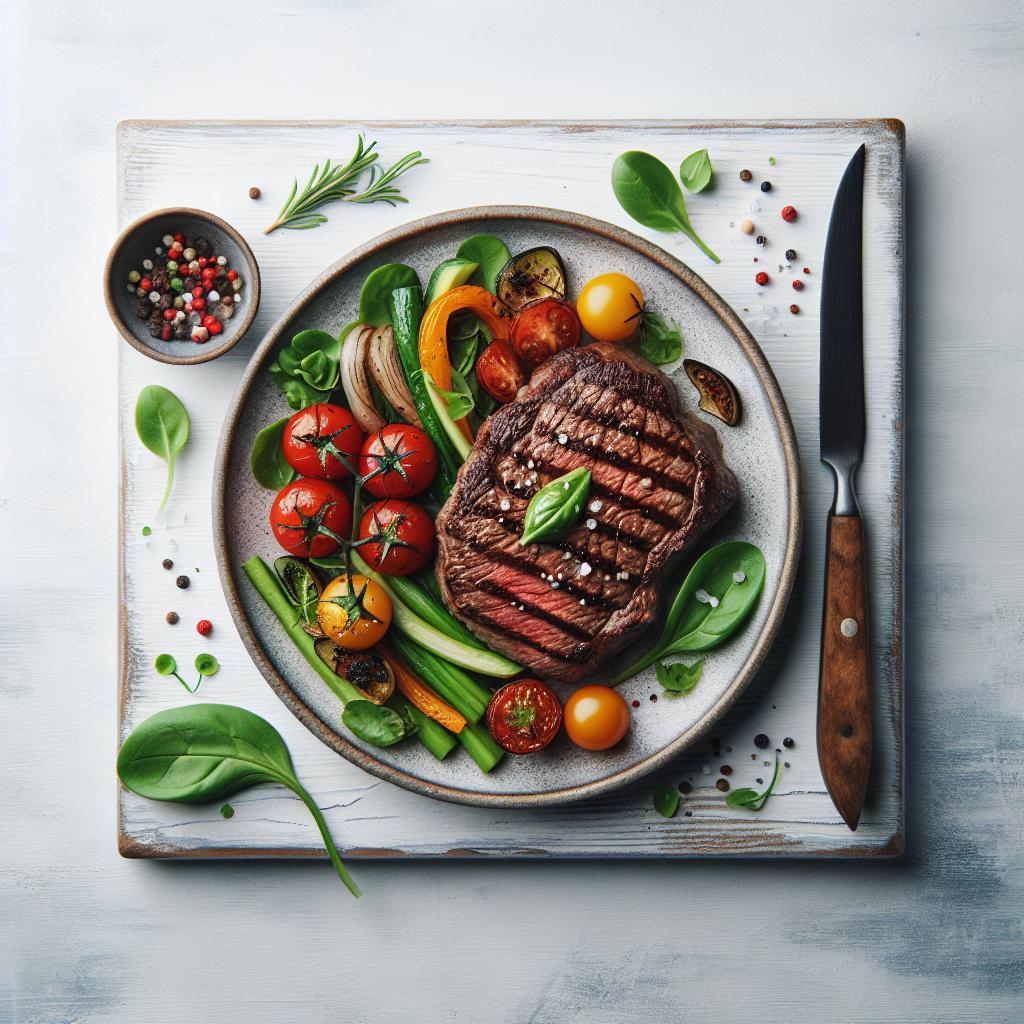
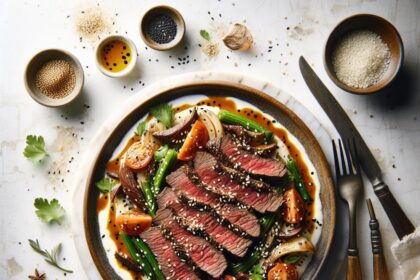
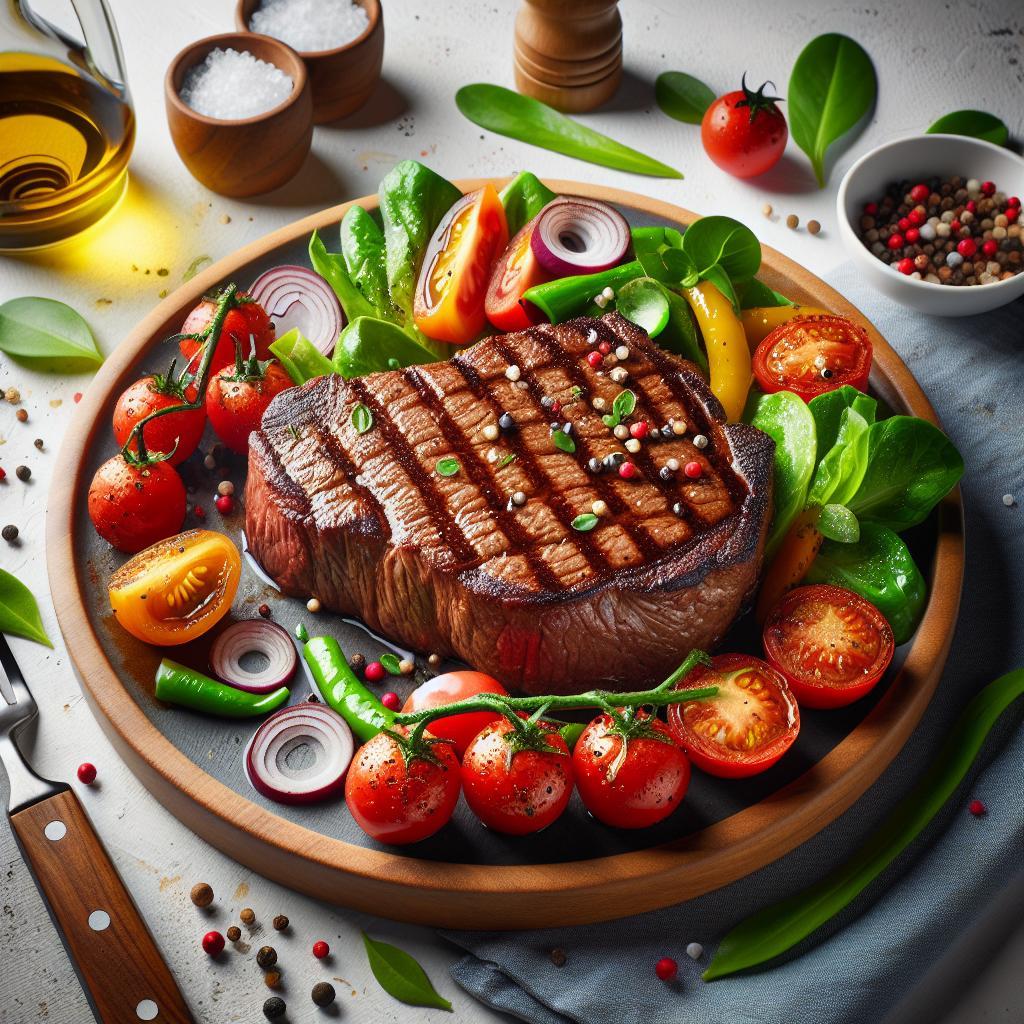
Slice your medium-rare steak against the grain to maximize tenderness. Serve atop a bed of roasted garlic mashed potatoes or vibrant chimichurri sauce for a fresh herbal punch. Complement the dish with charred seasonal vegetables and a light sprinkle of flaky sea salt and freshly cracked pepper for an image-worthy finish. A simple drizzle of extra virgin olive oil and a sprig of thyme elegantly crowns this timeless classic.
| Nutrient | Per Serving |
|---|---|
| Calories | 520 kcal |
| Protein | 48 g |
| Carbohydrates | 1 g |
| Fat | 37 g |

For those eager to deepen their steak mastery, explore our related guide on pan-searing techniques. Additionally, authoritative insights on meat science can be found at Serious Eats’ Steak Science to enrich your culinary journey.
Q&A
Q&A: Mastering Medium-Rare – Expert Tips for Perfect Steak Every Time
Q1: What exactly does medium-rare mean when cooking a steak?
A: Medium-rare is the Goldilocks zone of steak doneness-warm with a hint of pink, juicy and tender, and cooked to an internal temperature of about 130-135°F (54-57°C). It’s where flavor and texture dance in perfect harmony, giving you a steak that’s seared on the outside and luscious on the inside.
Q2: Why is medium-rare considered the best way to cook steak?
A: Cooking steak medium-rare preserves its natural juices and tenderness while unlocking deep, savory flavors. Overcooking dries out the meat and hardens proteins, but medium-rare keeps every bite succulent, juicy, and bursting with flavor-truly a steak lover’s nirvana.
Q3: What type of steaks work best for a medium-rare cook?
A: Ribeye, filet mignon, striploin, T-bone, and sirloin all shine beautifully at medium-rare. These well-marbled cuts have enough fat to stay tender and flavorful while cooking quickly enough to develop that gorgeous sear without losing moisture.
Q4: How do I achieve the perfect medium-rare steak at home?
A: Start with a high-quality, room-temperature steak. Season simply with salt and pepper. Preheat a heavy skillet or grill to high heat and sear each side for 2-3 minutes to create a flavorful crust. Lower the heat and cook until the internal temp hits 130-135°F. Let it rest for 5-10 minutes-this allows the juices to redistribute, locking in succulent flavor.
Q5: Is using a thermometer necessary, or can I eyeball it?
A: While experienced chefs sometimes rely on touch or timing, a meat thermometer is your best friend for consistency. It removes guesswork and ensures you never stray from that perfect medium-rare sweet spot-precision leads to perfection.
Q6: What common mistakes should I avoid when cooking medium-rare steak?
A: Don’t skip the resting period-it’s not a time-waster but a flavor maker. Avoid flipping the steak too often; one flip per side lets a crust form. Resist the urge to poke or press the steak with your spatula-juices will run out and leave you with a drier steak.
Q7: Any finishing touches to elevate a medium-rare steak?
A: Absolutely! Finish with a knob of butter infused with garlic and fresh herbs like thyme or rosemary during the last minute of cooking. Basting the steak with this buttery herb bath adds layers of luscious flavor and richness that will make your steak unforgettable.
Q8: How can I pair my perfectly cooked medium-rare steak?
A: Classic pairings like a full-bodied red wine (Cabernet Sauvignon, Malbec), roasted vegetables, or a peppery arugula salad complement medium-rare steak beautifully. For sauces, try a creamy béarnaise or a tangy chimichurri to enhance every bite.
Q9: Can I master medium-rare without a grill or fancy equipment?
A: Definitely! A cast-iron skillet on your stovetop is a fantastic tool that sears steak evenly and develops a rich crust. With careful attention to heat and timing, your kitchen setup is all you need for steakhouse-quality medium-rare.
Q10: What’s the best way to practice and improve my medium-rare steak cooking skills?
A: Practice makes perfect-try different steak cuts, experiment with seasoning profiles, and track your timing and temperatures. Keep tasting and adjusting. Cooking medium-rare is as much an art as a science, and with each steak, you get closer to mastery. Happy grilling!
Key Takeaways
Mastering the art of the medium-rare steak is more than just following a recipe-it’s about tuning into the sizzle, the aroma, and the rhythm of the cook. With expert tips in your culinary arsenal, you’re now equipped to transform a simple cut of beef into a tender, juicy masterpiece that delights every time. Remember, patience and precision are your best friends on this flavorful journey. So fire up the grill, trust your instincts, and savor the satisfaction that comes with every perfectly pink, juicy bite. Here’s to steaks grilled to perfection-because when you master medium-rare, every meal becomes a celebration.