
As an Amazon Associate, we earn from qualifying purchases. This post contains affiliate links.
The aroma hits you first – a tantalizing, smoky perfume that whispers of sun-drenched islands and open fires. It’s the unmistakable scent of jerk, a culinary force born from the vibrant heart of Jamaica. For too long, many have approached jerk marinade as a mere ingredient, a pre-packaged shortcut to a flavor profile they can’t quite replicate. They’re missing the soul, the nuanced balance that transforms simple grilled meat into an unforgettable experience. I recall a summer barbecue years ago, a gathering of friends where one host proudly presented his “homemade” jerk chicken. It was… fine. Edible. But it lacked that spark, that complex heat and depth that defines true jerk. It was a pale imitation, proof of common pitfalls of not understanding foundational principles. This isn’t just about heat; it’s about a symphony of spices, a dance of sweet and savory, and a method steeped in history.
- The Soul of Jamaica: Understanding Jerk Marinade’s Heritage
- The Essential Pillars: Key Ingredients for Authentic Jerk Marinade
- The Inferno: Scotch Bonnet Peppers
- The Aromatic Foundation: Pimento (Allspice) and Thyme
- The Savory Depth: Scallions, Garlic, and Ginger
- The Sweet and Tangy Counterpoints: Soy Sauce, Vinegar, and Brown Sugar
- The Master Recipe: Crafting Your Homemade Jerk Marinade
- Nutritional Snapshot: Understanding Your Jerk Marinade
- Beyond the Grill: Elevating Your Jerk Marinade Game
- Frequently Asked Questions about Jerk Marinade
Today, we’re going to demystify the art of jerk marinade, empowering you to craft a truly authentic and awe-inspiring flavor secret in your own kitchen.
- Mastering jerk marinade is an art form, not just a recipe.
- The true secret lies in understanding the balance of heat, aromatics, and the unique ‘pimento’ element.
- Authenticity requires patience and respect for the traditional Jamaican roots of this beloved spice blend.
- Homemade jerk marinade offers unparalleled depth and customizability, far surpassing store-bought options.
The Soul of Jamaica: Understanding Jerk Marinade’s Heritage
Before we explore the brine and spice, it’s crucial to grasp the origins of jerk marinade. This iconic flavor profile didn’t emerge from a modern culinary lab; it’s a product of history, necessity, and ingenious adaptation. The story begins with the indigenous Taíno people of the Caribbean, who developed methods of smoking and preserving meat. Later, when Spanish colonizers arrived, they brought enslaved Africans to the island. These individuals, seeking refuge and freedom in the mountainous interior, became known as the Maroons. They encountered wild pigs and developed a cooking technique using pimento (allspice) wood to smoke the meat, creating a distinctive flavor and preserving it for extended periods. This method, over time, evolved into what we recognize today as jerk.
The original jerk marinade, often referred to as “jerk paste” or “jerk rub,” was characterized by its reliance on local ingredients. Scotch bonnet peppers provided the fiery heat, pimento berries (allspice) contributed a warm, complex aroma akin to cinnamon, cloves, and nutmeg, and thyme offered an earthy, herbaceous counterpoint. The process was as vital as the ingredients; slow smoking over pimento wood imparted an irreplaceable smoky depth. While modern adaptations often use grilling or baking, understanding this smoking heritage informs the desired flavor profile – a deep, complex, and lingering warmth.
The Essential Pillars: Key Ingredients for Authentic Jerk Marinade
Crafting a truly exceptional jerk marinade hinges on the quality and combination of its core components. This isn’t a dish where you can skimp on the essentials; each element plays a critical role in building that signature flavor. While variations exist across different Jamaican parishes and family recipes, a few ingredients are non-negotiable for achieving authenticity.
The Inferno: Scotch Bonnet Peppers
At the heart of jerk’s fiery reputation lies the Scotch bonnet pepper. These small, lantern-shaped peppers are not just about raw heat; they possess a delightful fruity undertone that distinguishes them from other chilies. Research suggests their Scoville Heat Unit (SHU) rating typically falls between 100,000 and 350,000, placing them firmly in the very spicy. When preparing them, it is absolutely imperative to handle them with care. Wearing gloves is highly recommended to avoid skin irritation, and it’s wise to avoid touching your eyes or face after handling them. For a more nuanced heat, you can remove the seeds and membranes, which contain a significant portion of the capsaicin, the compound responsible for the burning sensation. However, the true spirit of jerk often embraces the full intensity.
The Aromatic Foundation: Pimento (Allspice) and Thyme
Pimento, or allspice, is the undisputed aromatic king of jerk. Its name derives from its flavor profile, which remarkably combines notes of cinnamon, cloves, and nutmeg. In traditional jerk, the leaves and berries of the pimento tree are integral, imparting a unique, woodsy fragrance. When making your marinade, using ground allspice is a practical substitute, but seek out the highest quality you can find. Fresh thyme is also a cornerstone, offering an earthy, slightly floral note that complements the heat and sweetness. Don’t be shy with the thyme; its herbaceousness is a vital counterpoint to the peppers and allspice.
The Savory Depth: Scallions, Garlic, and Ginger
A robust base of aromatics is crucial. Green onions, or scallions, provide a pungent, fresh onion flavor that is less sharp than regular onions. Garlic, of course, is essential for its pungent depth, and fresh ginger adds a zesty, warming kick that enhances the overall complexity. These ingredients, when finely minced or blended, form the savory backbone of the marinade, ensuring that the flavor penetrates the meat deeply.
The Sweet and Tangy Counterpoints: Soy Sauce, Vinegar, and Brown Sugar
To achieve that signature Jamaican balance, sweetness and tang are indispensable. Soy sauce (or tamari for a gluten-free option) provides a deep umami savoriness and a touch of saltiness. White vinegar or apple cider vinegar offers a bright acidity that cuts through richness and helps tenderize the meat. A touch of brown sugar or molasses adds a subtle sweetness, balancing the heat and acidity, and aiding in caramelization during cooking. Some recipes also incorporate a splash of dark rum for added complexity and a hint of sweetness, a nod to the island’s spirits.
The Master Recipe: Crafting Your Homemade Jerk Marinade
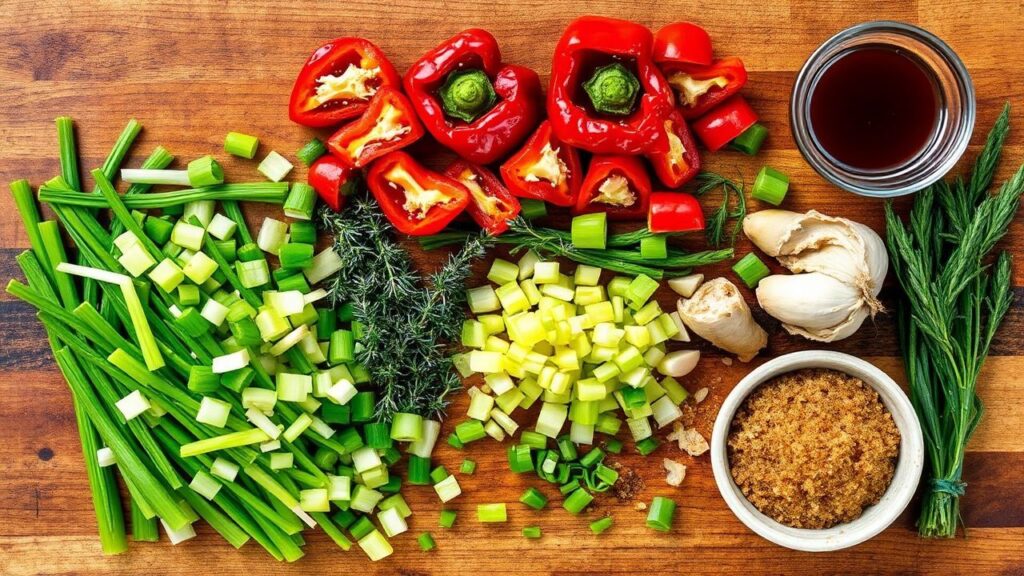
Now, let’s translate these foundational elements into a practical, foolproof recipe. This recipe aims for a balance that is both authentic and adaptable for home cooks. Remember, the key is in the texture – a slightly coarse paste that clings well to the meat.
Ingredients:
- 15-20 Scotch bonnet peppers, stemmed (adjust to heat preference; remove seeds/membranes for milder heat)
- 2 cups (approx. 4-5 large bunches) fresh scallions (green onions), roughly chopped
- 1 head of garlic, cloves peeled
- 1 (4-inch) piece fresh ginger, peeled and roughly chopped
- 1/2 cup fresh thyme leaves (from about 4-5 sprigs)
- 1/4 cup soy sauce (or tamari)
- 1/4 cup white vinegar (or apple cider vinegar)
- 2 tablespoons brown sugar (or molasses)
- 1 tablespoon ground allspice
- 1 teaspoon ground cinnamon
- 1 teaspoon ground nutmeg
- 1/2 teaspoon ground cloves
- 1/4 cup vegetable oil (optional, for smoother blending)
- Salt to taste (use sparingly, as soy sauce is salty)
- Freshly ground black pepper to taste
Equipment:
- Gloves (highly recommended for handling peppers)
- Food processor or blender
- Airtight containers for storage
Preparation Method:
Step 1: Prepare the Peppers (with Caution)
Don your gloves. Stem the Scotch bonnet peppers. If you prefer less heat, carefully slice them open and scrape out the seeds and white membranes. For maximum authentic heat, leave them whole or roughly chop them. Remember, the seeds are where much of the heat resides.
Step 2: Combine the Aromatics
In the bowl of a food processor or blender, combine the stemmed Scotch bonnet peppers, chopped scallions, peeled garlic cloves, peeled and chopped ginger, and fresh thyme leaves. Pulse until the ingredients are roughly chopped.
Step 3: Add the Spices and Liquids
Add the soy sauce, vinegar, brown sugar, ground allspice, cinnamon, nutmeg, and cloves to the food processor. If using, add the vegetable oil at this stage. Pulse again until a coarse paste forms. You want some texture, not a completely smooth purée, as this will adhere better to the meat.
Step 4: Season and Adjust
Taste the marinade carefully (a small amount on the tip of a spoon). Add salt if needed, but be mindful of the soy sauce. Add freshly ground black pepper to your liking. If the marinade seems too thick, you can add another tablespoon of vinegar or a splash of water to reach your desired consistency. If it’s too thin, you can let it sit for 30 minutes to allow the flavors to meld and thicken slightly.
Step 5: Marinate the Meat

All-Clad D3 Stainless Cookware 10-Piece Set
All-CladPremium tri-ply stainless steel construction with an aluminum core for even heating. Dishwasher safe, oven safe up to 600°F.
This is where the magic happens. Generously coat your chosen protein – chicken, pork, fish, or even firm tofu – with the jerk marinade. Ensure every surface is covered. For best results, marinate in the refrigerator for at least 4 hours, or preferably overnight for chicken and pork. Fish and smaller cuts can marinate for 1-2 hours.
Nutritional Snapshot: Understanding Your Jerk Marinade
While jerk marinade is primarily about flavor, understanding its nutritional contribution can be helpful, especially when considering its impact on the overall dish. The exact nutritional values will vary significantly based on the specific ingredients and quantities used, particularly the amount of Scotch bonnets and sugar. However, we can provide a general overview per approximate 2-tablespoon serving (a typical amount used for marinating a portion of meat):
| Nutrient | Approximate Amount |
|---|---|
| Calories | 50-70 |
| Total Fat | 2-4g |
| Saturated Fat | 0-1g |
| Cholesterol | 0mg |
| Sodium | 300-500mg (largely from soy sauce) |
| Total Carbohydrates | 5-8g |
| Dietary Fiber | 1-2g |
| Sugars | 3-5g |
| Protein | 1-2g |
| Vitamin C | Significant (from peppers) |
| Vitamin A | Significant (from peppers) |
Keep in mind that the sodium content can be high due to soy sauce. Using a low-sodium soy sauce or tamari can help mitigate this. The peppers contribute a wealth of vitamins, particularly Vitamin C and Vitamin A, and also offer potential metabolic benefits associated with capsaicin, though these are typically associated with regular consumption and in higher quantities. The sugars contribute to caramelization, adding to the delicious appeal of cooked jerk dishes.
Beyond the Grill: Elevating Your Jerk Marinade Game
While grilling is the quintessential method for cooking jerk, there are numerous ways to harness the power of this marinade to elevate a wide array of dishes. Understanding these applications will unlock its full potential in your culinary repertoire.
The Art of the Rub vs. The Marinade
While this article focuses on a wet marinade, the principles can easily be adapted for a dry rub. For a rub, omit the liquids (soy sauce, vinegar, oil) and focus on finely ground spices: dried Scotch bonnet powder (or cayenne), allspice, thyme, garlic powder, onion powder, salt, and black pepper. This dry rub is excellent for coating meats before grilling or smoking, creating a beautiful crust.
Versatility in Application
Chicken: The classic. Marinate bone-in pieces overnight for the best flavor penetration. Grill over medium-high heat, ideally with some wood chips for smoky notes.
Pork: Pork shoulder or ribs are ideal. Marinate for at least 12 hours. Slow-roast or smoke for tender, flavorful results.
Seafood: Firm fish like snapper or mahi-mahi can be marinated for 1-2 hours. Grill or pan-sear for a quick, flavorful meal. Shrimp also takes well to a shorter marination.
Vegetables & Tofu: For a vibrant vegetarian option, marinate firm tofu, plantains, bell peppers, and onions. Grill, bake, or pan-fry for a delightful spicy kick.
Sauces and Dips: Blend a small amount of the marinade into mayonnaise or sour cream for a spicy aioli or dip. It can also be incorporated into barbecue sauces for an added layer of complexity.
Soups and Stews: A spoonful of jerk marinade can add an incredible depth of flavor to bean soups, lentil stews, or even a hearty chili. Add it during the simmering process to allow the flavors to meld.
The cultural significance of jerk extends beyond just the ingredients; it’s about the communal aspect of cooking and sharing food. In Jamaica, jerk is often prepared at roadside stands, where the smoky aroma draws crowds. This tradition of outdoor cooking and communal feasting is an integral part of the jerk experience. While we may not all have access to pimento wood for traditional smoking, replicating the flavor profile at home allows us to partake in this rich culinary heritage.
Research into the health benefits of spices commonly found in jerk marinades, such as chili peppers and allspice, suggests potential anti-inflammatory and antioxidant properties. For instance, studies have highlighted the phytonutrients in chili peppers that may contribute to overall wellness. However, it is crucial to emphasize that these are general findings and should not be interpreted as health claims for the marinade itself. Consult with a healthcare professional for personalized dietary advice.
Frequently Asked Questions about Jerk Marinade
What is the most important ingredient in jerk marinade?
While a balance of ingredients is key, the Scotch bonnet pepper is arguably the most defining ingredient, providing the signature heat and fruity undertones that are characteristic of authentic jerk. Without it, the marinade would lack its essential fiery soul.
Can I make jerk marinade less spicy?
Absolutely. The heat of jerk marinade is primarily determined by the Scotch bonnet peppers. To reduce spiciness, remove the seeds and white membranes from the peppers before adding them to the marinade. You can also use fewer peppers, or substitute some of them with milder chilies like habaneros (which are still spicy but generally less intense than Scotch bonnets) or even bell peppers for flavor without significant heat.
How long should I marinate meat in jerk marinade?
The marination time depends on the type of protein. For tougher cuts like pork shoulder or chicken, marinating overnight (12-24 hours) is ideal to allow the flavors to penetrate deeply and the enzymes in the marinade to tenderize the meat. For chicken pieces, a minimum of 4 hours is recommended. Fish and shrimp are more delicate and should only be marinated for 1-2 hours to prevent the acidity from “cooking” the protein.
How long can I store homemade jerk marinade?
Properly stored homemade jerk marinade can last for 1 to 2 weeks in the refrigerator. It’s best to keep it in an airtight container. If you notice any signs of spoilage, such as off odors or mold, discard it immediately. For longer storage, you can freeze the marinade in ice cube trays for convenient individual portions.
Can I use dried spices instead of fresh ingredients for jerk marinade?
While fresh ingredients provide the most vibrant and authentic flavor, dried spices can be used as a substitute in a pinch, especially for garlic and ginger (use garlic powder and ground ginger). However, for the peppers and herbs, fresh is always superior. If using dried Scotch bonnet powder, be extremely cautious with the amount, as it is highly concentrated and can be much hotter than fresh peppers.
See also: jerk marinade