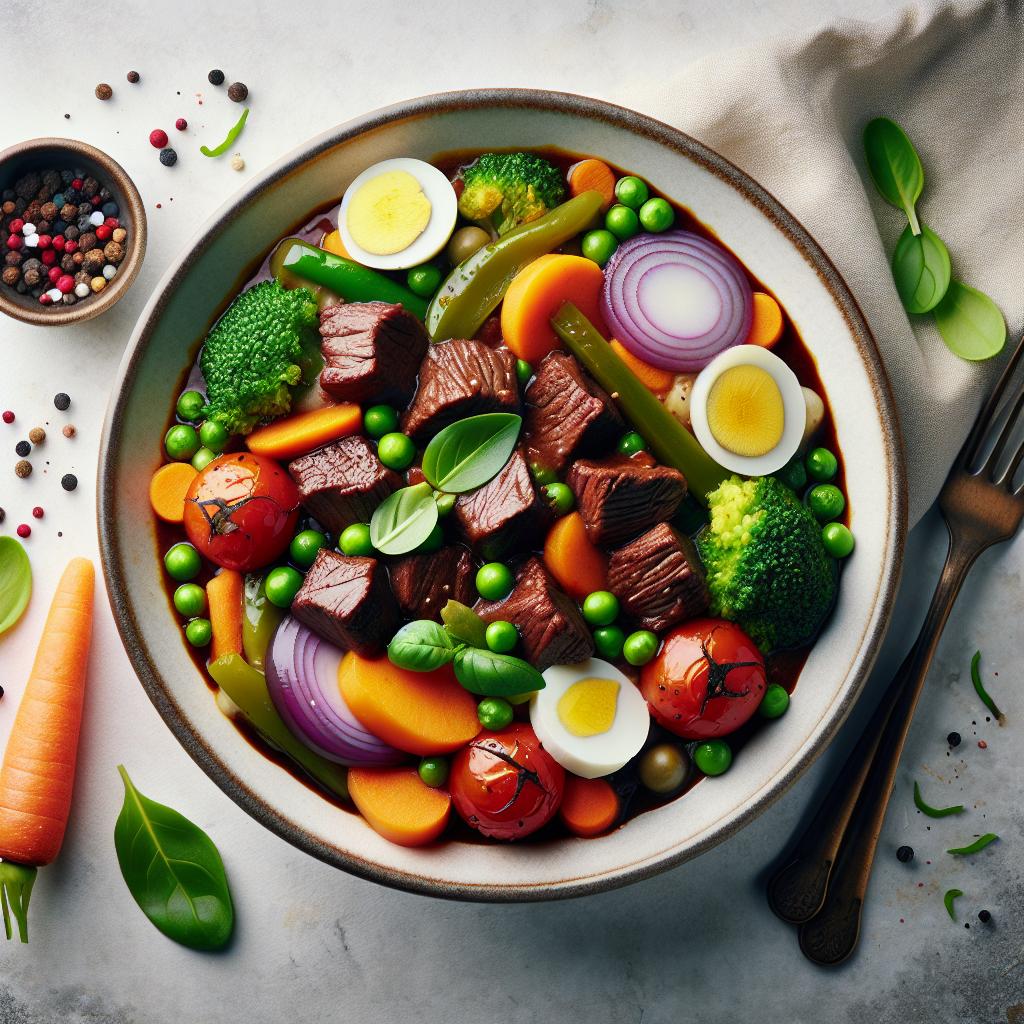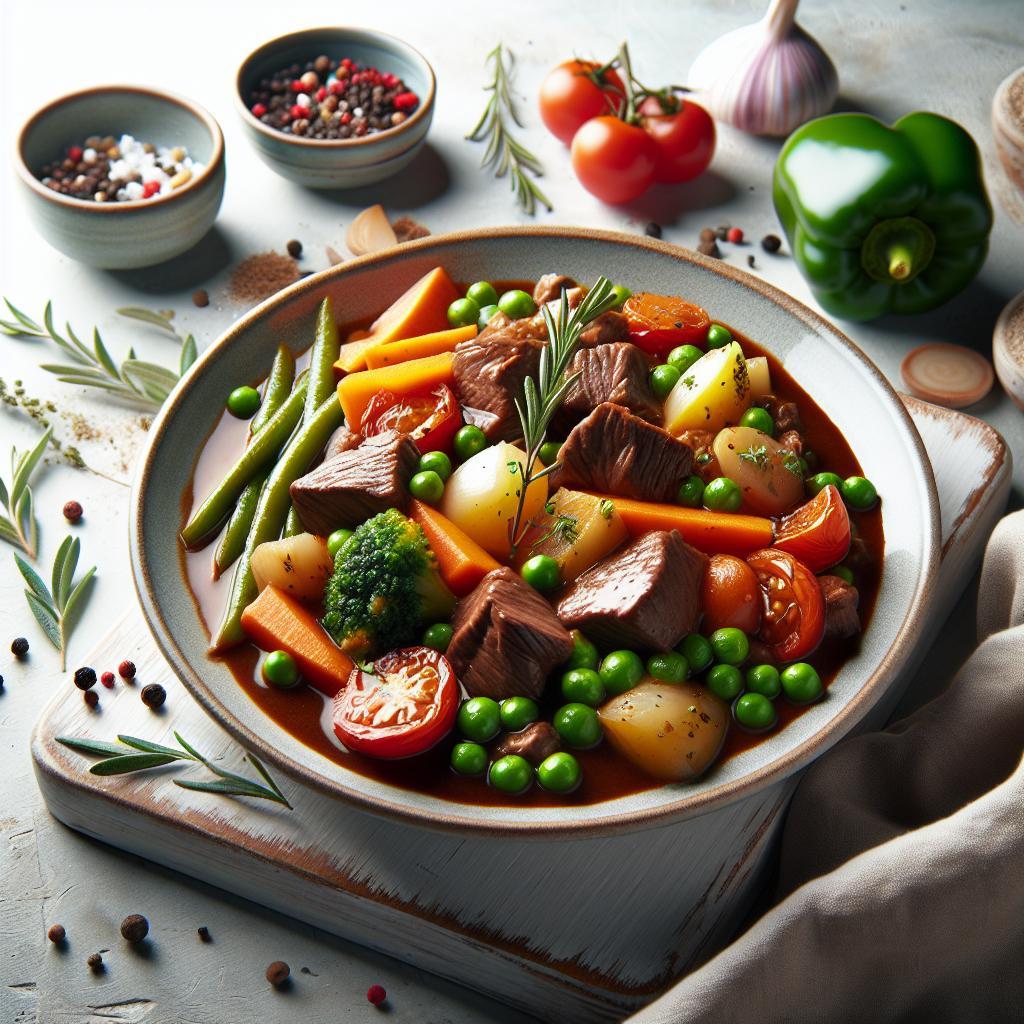

There’s something deeply satisfying about a bowl of hearty beef stew-a dish that transcends mere sustenance to become a warm embrace on a chilly day. Rich, savory, and brimming with tender morsels of beef and vibrant vegetables, this classic comfort food invites you on a flavorful journey that delights the senses and nourishes the soul. From simmering aromatic spices to melding textures perfected over hours of slow cooking, hearty beef stew is more than just a meal; it’s an experience steeped in tradition and culinary artistry. Join us as we explore the secrets behind this timeless dish, uncovering how each ingredient and technique contributes to the sumptuous symphony that comforts both body and heart.
Hearty Beef Stew invites you to embrace the comforting essence of a timeless classic that has warmed kitchens around the world for generations. This dish is more than just a meal – it’s a slow-simmered, rich tapestry of flavors that melds tender beef, vibrant vegetables, and a perfectly balanced array of spices into a bowl of pure satisfaction. Rooted in rustic tradition yet refined by careful technique, mastering this recipe means unlocking deep, meaty flavors and textures that melt blissfully on the palate, epitomizing comfort dining at its finest.
Prep and Cook Time
- Preparation: 25 minutes
- Cooking: 2 hours 30 minutes (slow simmer)
- Total Time: Approximately 3 hours
Yield
Serves 6 generous portions
Difficulty Level
Medium – Ideal for home cooks looking to elevate their slow-cooking skills
Ingredients for Hearty Beef Stew
- 2 lbs beef chuck roast, cut into 1 1/2-inch cubes
- 1/2 cup all-purpose flour, sifted, for dredging
- 3 tbsp olive oil, divided
- 1 large yellow onion, finely chopped
- 4 cloves garlic, minced
- 4 cups beef broth, low sodium
- 1 cup water
- 3 large carrots, peeled and cut into thick rounds
- 2 celery stalks, sliced diagonally
- 4 medium Yukon Gold potatoes, peeled and cubed
- 2 tbsp tomato paste
- 2 tsp smoked paprika
- 1 tsp dried thyme
- 2 bay leaves
- Salt and freshly ground black pepper, to taste
- 1/4 cup fresh parsley, chopped (for garnish)
Instructions: The Art of Slow Cooking Hearty Beef Stew
- Prepare the beef: Lightly dredge the beef cubes in the sifted flour, shaking off excess. This will form a delicate crust that seals in juices and helps thicken the stew.
- Brown the beef: Heat 2 tbsp olive oil in a heavy-bottomed pot over medium-high heat. In batches, sear the beef cubes until golden brown on all sides, about 5 minutes per batch. Remove and set aside.
- Sauté aromatics: Reduce heat to medium, add the remaining 1 tbsp olive oil. Sauté the onion and garlic until translucent and fragrant, about 5 minutes, stirring to prevent sticking.
- Deglaze the pot: Stir in the tomato paste, smoked paprika, and dried thyme. Cook for 1 minute, then gradually add the beef broth and water, scraping up any browned bits from the bottom for maximum flavor infusion.
- Simmer the beef: Return the browned beef to the pot. Add bay leaves and season generously with salt and black pepper. Bring to a gentle boil, then reduce heat to low and cover. Let it simmer slowly for 1 1/2 hours, stirring occasionally.
- Add vegetables: Introduce carrots, celery, and potatoes to the pot. Stir gently, cover again, and cook for an additional 45 minutes or until vegetables are tender and beef reaches melt-in-your-mouth texture.
- Final seasoning: Remove bay leaves; adjust salt and pepper to taste. For richer depth, allow the stew to rest, uncovered, for 10 minutes before serving to thicken slightly.
- Garnish and serve: Sprinkle with fresh parsley and ladle into warmed bowls for that inviting moment of comfort.
Tips for Success When Crafting Your Hearty Beef Stew
- Choose the right cut: Beef chuck is perfect because its marbling breaks down slowly, creating buttery tenderness.
- Don’t rush browning: Browning meat in batches prevents steaming and creates a flavorful crust imperative for stew depth.
- Control your simmer: Maintain low heat to coax collagen breakdown, ensuring that signature melt-in-your-mouth texture.
- Thickening alternatives: If you prefer a thicker stew, whisk a slurry of cornstarch and cold water and stir it in during the last 10 minutes.
- Make-ahead magic: Stews improve with time – refrigerate overnight and gently reheat to amplify all nuances.
- Vegetable variations: Root vegetables like parsnips or turnips make wonderful, subtle additions without overpowering the stew’s balance.
Serving Suggestions for a Truly Comforting Experience
Serve your hearty beef stew over a bed of creamy mashed potatoes or buttered egg noodles to soak up every luscious drop. A rustic crusty bread on the side invites perfect dipping. For garnish, a sprinkle of fresh parsley adds a burst of color and fresh brightness. Pair this dish with a simple mixed greens salad featuring a tangy vinaigrette to cut through the stew’s richness, creating harmony on the palate.
| Nutrient | Per Serving |
|---|---|
| Calories | 420 kcal |
| Protein | 38 g |
| Carbohydrates | 28 g |
| Fat | 18 g |

Explore the full spectrum of slow-cooked beef recipes on our site for more warming meal ideas. For trusted guidance on slow cooking techniques, the Culinary Institute of America offers excellent resources at ciachef.edu/slow-cooking-methods.
Q&A
Q&A: Hearty Beef Stew – A Savory Journey to Comfort in a Bowl
Q1: What makes a beef stew truly “hearty” and comforting?
A1: A hearty beef stew is all about layers of rich flavor and satisfying textures. Tender chunks of beef slow-cooked until melt-in-your-mouth soft, combined with a robust broth, earthy root vegetables, and a medley of herbs, create a warm, comforting bowl that feels like a hug from the inside out.
Q2: Why is slow cooking essential for a perfect beef stew?
A2: Slow cooking transforms tougher cuts of beef into tender bites and allows the flavors to meld deeply. The gentle simmer breaks down connective tissues, enriching the broth with gelatin and intensifying the stew’s savory character. This process is what turns a simple meal into an unforgettable comfort dish.
Q3: Which cuts of beef are best suited for stew, and why?
A3: Cuts like chuck, brisket, or round shine in stews because they have enough marbling and connective tissue to become fork-tender through slow simmering. These cuts absorb flavors beautifully and impart a rich, meaty depth that lighter cuts simply can’t achieve.
Q4: What vegetables complement beef stew to enhance its hearty nature?
A4: Classic root vegetables like carrots, potatoes, and parsnips bring natural sweetness and substance, balancing the savory notes of the stew. Adding onions, celery, and sometimes mushrooms layers in earthiness and texture, creating a symphony of flavors with every spoonful.
Q5: How can herbs and spices elevate the flavor profile of beef stew?
A5: Aromatic herbs like thyme, rosemary, and bay leaves infuse the stew with fragrant nuances that evolve throughout cooking. A touch of garlic, black pepper, and smoked paprika can introduce warmth and complexity, turning a straightforward stew into a culinary masterpiece.
Q6: Is there a way to thicken beef stew naturally without flour or cornstarch?
A6: Absolutely! A classic method involves mashing some of the cooked vegetables-potatoes or carrots-into the broth, naturally thickening the stew while enhancing richness. Alternatively, reducing the liquid slowly lets it concentrate, yielding a luxuriously silky finish.
Q7: Can beef stew be made ahead and still maintain its flavor and texture?
A7: Yes! Beef stew often tastes even better the next day as the flavors continue to meld. Just store it properly in the fridge, and when reheating, gently warm it to retain tender meat and silky broth without drying or overcooking.
Q8: What side dishes pair well with hearty beef stew to complete the meal?
A8: Crusty bread or buttery mashed potatoes are classic companions, perfect for soaking up the flavorful broth. A simple green salad with a light vinaigrette can cut through the stew’s richness, adding a refreshing contrast to the comforting warmth.
Q9: How can one adjust traditional beef stew recipes for special dietary preferences?
A9: For a gluten-free stew, use naturally thickening methods like vegetable mashing or arrowroot powder. To reduce sodium, opt for low-sodium broth and season thoughtfully. For extra nutrition, add hearty greens like kale or spinach towards the end of cooking without altering the stew’s signature character.
Q10: What is the secret to achieving that perfect balance of savory and hearty in every spoonful?
A10: Patience and quality ingredients are key. Slow, gentle cooking unlocks flavors and textures, while fresh vegetables and carefully chosen herbs create layers of taste. The perfect beef stew balances rich meatiness with the natural sweetness of vegetables and the aromatic whisper of herbs, crafting a bowl that is both satisfying and soul-soothing.
To Wrap It Up
As the last spoonful of this hearty beef stew warms your soul, you’ve not only savored a meal but embarked on a savory journey back to comfort and tradition. Each bite, rich with tender beef, vibrant vegetables, and aromatic herbs, tells a story of patience and love-a culinary embrace on even the chilliest days. Whether enjoyed by a bustling family table or a quiet evening alone, this stew exemplifies how simple ingredients can transform into a timeless comfort bowl. So next time the air turns crisp and the heart seeks solace, remember: a pot of beef stew is more than food-it’s a warm invitation to pause, savor, and reconnect with the comforting rhythms of home.