
- Your Trusted Guide to Making the Perfect Gingerbread Loaf (Gluten-Free, Eggless)
- A Rich History and Modern Adaptation
- The Pillars of Gluten-Free, Eggless Gingerbread: Ingredient Mastery
- Gluten-Free Flour Blend: Building the Structure
- The Heart of Gingerbread: Molasses and Sweeteners
- The Soul of Gingerbread: Warming Spices
- Moisture and Binding: The Eggless Advantage
- Leavening Agents: The Rise to Perfection
- Additional Enhancers: Texture and Tenderness
- Mastering the Technique: From Batter to Bake
- Nutritional Profile: A Delicious Treat
- Expert Insights for an Exceptional Loaf
- Serving and Storing Your Gingerbread Loaf
- Frequently Asked Questions (FAQ)
Your Trusted Guide to Making the Perfect Gingerbread Loaf (Gluten-Free, Eggless)
When it comes to Gingerbread Loaf, “The magic of baking lies not just in the transformation of ingredients, but in the stories they tell and the memories they create.” – Chef Pierre Hermé
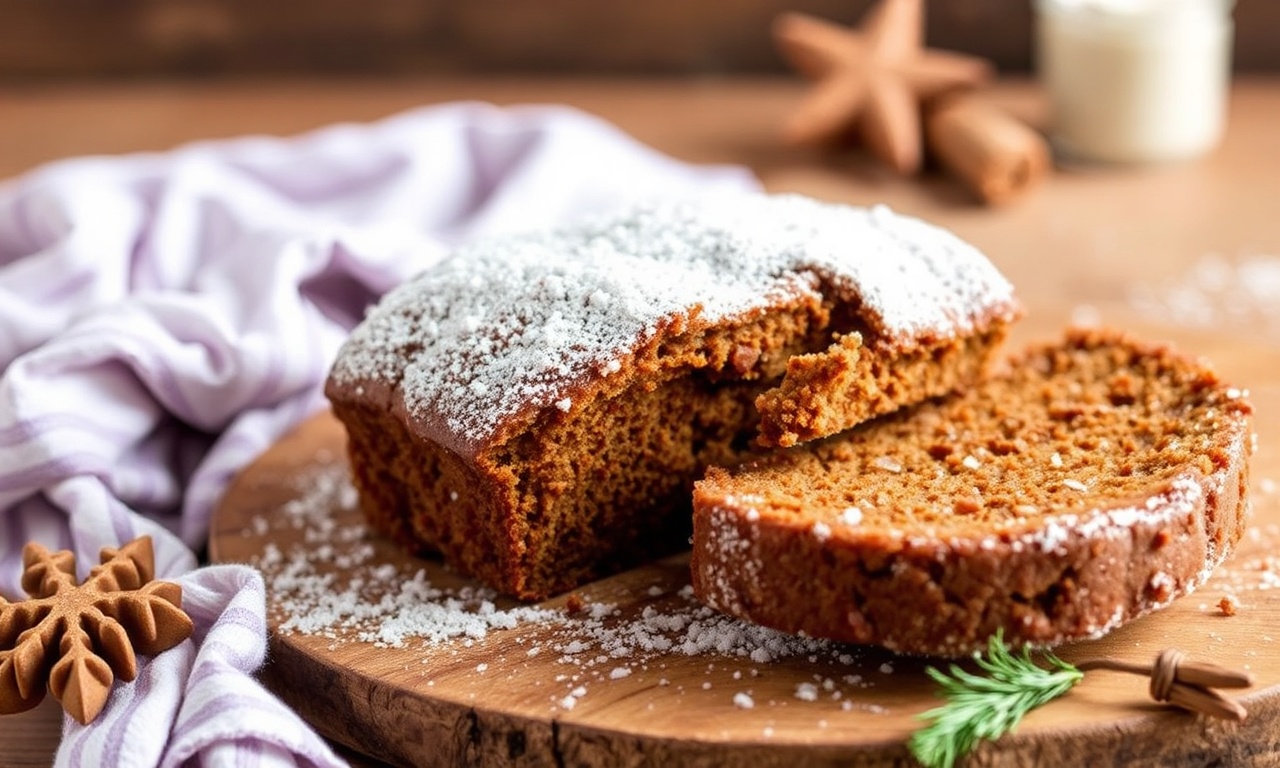
Gingerbread Loaf has long held a cherished place in the culinary landscape, evoking warmth, comfort, and the festive spirit of seasons past. For many, however, dietary restrictions like gluten intolerance or egg allergies can mean missing out on this beloved treat. This comprehensive guide is meticulously crafted to bridge that gap, offering a proven path to a truly exceptional gluten-free, eggless gingerbread loaf. We explore the science behind achieving superior texture and flavor without traditional binders, ensuring every slice is moist, fragrant, and utterly satisfying. This isn’t merely a recipe; it’s an exploration into the art of inclusive baking, designed for both the novice home baker and the seasoned culinary enthusiast seeking to master this classic yet adaptable confection.
Key Takeaways:
- Achieving a moist and tender gluten-free, eggless gingerbread loaf relies on specific ingredient ratios and binders.
- The quality and type of molasses and spices are paramount to developing authentic gingerbread flavor.
- Proper cooling and storage are essential for maintaining the loaf’s texture and freshness.
A Rich History and Modern Adaptation
In the context of Gingerbread Loaf, The history of gingerbread is as rich and complex as its flavor profile. Its origins can be traced back to ancient Europe, where it evolved from medicinal gingerbreads made with honey and spices to the sweet, spiced cakes we recognize today. The addition of ginger, a warming spice from Asia, brought with it not only a delightful pungency but also a perceived medicinal quality. Over centuries, gingerbread became a staple during holidays, particularly Christmas, its aroma becoming synonymous with festive cheer. Research indicates that during the medieval period, gingerbread was often used for its supposed digestive benefits and as a form of portable sustenance, demonstrating its multifaceted role in early culinary traditions.
Around Gingerbread Loaf, The evolution of gingerbread into loaf form, especially, highlights its adaptability as a comforting dessert or breakfast item. The increasing prevalence of celiac disease, non-celiac gluten sensitivity, and egg allergies has necessitated a thoughtful re-imagining of classic recipes. Gluten, a protein found in wheat, barley, and rye, provides elasticity and structure to baked goods. Eggs, on the other hand, act as binders, leavening agents, and contribute to richness and moisture. Replicating these functions without gluten and eggs requires a nuanced understanding of alternative ingredients and their properties. The challenge is not just to substitute, but to harmonize these new components to achieve a result that rivals, and perhaps even surpasses, the original.
Regarding Gingerbread Loaf, This guide aims to demystify this process, providing a reliable framework for successful gluten-free, eggless baking.
The Pillars of Gluten-Free, Eggless Gingerbread: Ingredient Mastery
The foundation of any exceptional baked good lies in the quality and intelligent selection of its ingredients. For a gluten-free, eggless gingerbread loaf, this principle is amplified. Each component must work synergistically to compensate for the absence of gluten and eggs, ensuring both structural integrity and delightful sensory attributes.
Gluten-Free Flour Blend: Building the Structure
When it comes to Gingerbread Loaf, Navigating the world of gluten-free flours can be daunting, but for gingerbread, a well-balanced blend is key. A common and effective approach involves combining a primary gluten-free flour with starches and binders. The goal is to mimic the texture and structure that gluten naturally provides.
- Brown Rice Flour or Sorghum Flour: These provide a good base, offering a slightly nutty flavor and a decent crumb structure. They contribute to the overall body of the loaf.
- Tapioca Starch or Arrowroot Starch: These starches contribute to a lighter texture and act as excellent binders, helping to hold the ingredients together.
- Potato Starch (not flour): This starch helps in retaining moisture and creating a tender crumb, preventing the loaf from becoming dry or gummy.
- Xanthan Gum: This is a crucial binder in gluten-free baking, mimicking the elasticity that gluten provides. It’s essential for holding the loaf together and preventing it from crumbling.
In the context of Gingerbread Loaf, A recommended ratio for a robust gluten-free flour blend is approximately 60% whole grain flour (like brown rice or sorghum) and 40% starches, with xanthan gum added separately. For instance, a blend could be 1 ½ cups brown rice flour, ½ cup tapioca starch, ½ cup potato starch, and 1 teaspoon of xanthan gum. It’s often beneficial to whisk these dry ingredients together thoroughly to ensure the xanthan gum is evenly distributed.

The Heart of Gingerbread: Molasses and Sweeteners
Around Gingerbread Loaf, The characteristic deep, rich flavor of gingerbread is indelibly linked to molasses. Its distinct taste and dark color are irreplaceable and provide not only flavor but also contribute significantly to the loaf’s moisture and tenderness.
- Blackstrap Molasses: This is the most potent and flavorful type, offering the deepest color and the most robust gingerbread essence. It also contributes to the loaf’s moisture. Its slightly bitter undertones balance the sweetness.
- Brown Sugar (Light or Dark): This adds sweetness and moisture. Dark brown sugar provides a richer flavor profile and a deeper color, complementing the molasses beautifully.
- Maple Syrup or Agave Nectar (Optional): These can be used in smaller quantities to add a subtle sweetness and moisture, complementing the molasses. They offer a slightly different flavor profile and can be adjusted based on preference.
Regarding Gingerbread Loaf, The interplay between molasses and brown sugar is critical. A common ratio might be ½ cup blackstrap molasses and ½ cup packed dark brown sugar for a standard loaf. This combination ensures a well-rounded sweetness and a deep, complex flavor.
The Soul of Gingerbread: Warming Spices
When it comes to Gingerbread Loaf, The soul of gingerbread lies in its warming spices. Achieving the correct balance is crucial for that authentic, comforting taste that defines this beloved treat. The quality and freshness of your spices will significantly impact the final flavor.
- Ground Ginger: The star spice, providing its signature warmth and zing.
- Cinnamon: Adds a sweet, woody depth that pairs harmoniously with ginger.
- Cloves: Offer a pungent, aromatic intensity. Use sparingly, as they are potent and can easily overpower other flavors.
- Nutmeg: Contributes a warm, slightly sweet, and earthy note, rounding out the spice profile.
- Allspice: A blend of cinnamon, cloves, and nutmeg notes, it adds complexity and unifies the other spices.
In the context of Gingerbread Loaf, A typical spice blend might include 2 teaspoons ground ginger, 1 teaspoon cinnamon, ½ teaspoon cloves, ¼ teaspoon nutmeg, and ¼ teaspoon allspice. Adjusting these quantities allows for personalization, but this blend serves as an excellent starting point for a classic gingerbread flavor. For an even more vibrant kick, consider adding a touch of cardamom or a pinch of black pepper.
Moisture and Binding: The Eggless Advantage
Around Gingerbread Loaf, Without eggs, the role of fats and liquids in providing moisture and tenderness becomes even more pronounced. These ingredients are essential for creating a tender crumb and preventing dryness, which can be a common issue in gluten-free baking.
- Vegetable Oil or Melted Coconut Oil: These fats contribute to a moist and tender crumb. Neutral-flavored oils like canola or sunflower are often preferred as they don’t impart their own flavor. Melted coconut oil can add a subtle tropical note.
- Plant-Based Milk: Almond, soy, oat, or cashew milk can be used. Unsweetened varieties are ideal to control the overall sweetness and avoid an overly sweet loaf.
- Hot Water or Hot Coffee: This is a secret weapon for gluten-free baking. Adding hot liquid “blooms” the starches in the gluten-free flours and helps to create a more tender, less crumbly texture. Coffee can subtly enhance the chocolatey notes of molasses and spices, adding another layer of complexity.
Regarding Gingerbread Loaf, A common liquid combination might be 1 cup plant-based milk and ½ cup hot water or coffee. The hot liquid is crucial for hydrating the flours and starches effectively.
Leavening Agents: The Rise to Perfection
When it comes to Gingerbread Loaf, Proper leavening is paramount to ensure the loaf rises and has a pleasant, airy texture. In eggless baking, chemical leaveners become even more critical.
- Baking Soda: Reacts with the acidic components in the batter (molasses, brown sugar, and often a splash of vinegar or lemon juice) to produce carbon dioxide, causing the batter to rise.
- Baking Powder: A double-acting leavener that provides an initial lift when wet ingredients are added and another boost during baking.
In the context of Gingerbread Loaf, A typical leavening combination for this type of loaf would be 1 ½ teaspoons baking soda and 1 teaspoon baking powder. Ensuring these leaveners are fresh is key to a good rise.
Additional Enhancers: Texture and Tenderness
Around Gingerbread Loaf, While xanthan gum is the primary binder, a few other ingredients can further enhance the structure and moisture of the loaf, helping to replicate the tender qualities often provided by eggs.
- Apple Cider Vinegar or White Vinegar: When combined with baking soda, vinegar creates a chemical reaction that aids in leavening and also tenderizes the crumb, making it softer and more pliable.
- Unsweetened Applesauce: This acts as a moistening agent and an excellent egg substitute, contributing significantly to the loaf’s tender texture and adding a subtle sweetness without adding extra fat. Approximately ¼ to ½ cup is usually sufficient for a standard loaf.
Mastering the Technique: From Batter to Bake
Regarding Gingerbread Loaf, Mastering the technique is as crucial as selecting the finest ingredients. This step-by-step guide ensures optimal results, from mixing to the final, glorious bake, resulting in a loaf that is both visually appealing and incredibly delicious.
Step-by-Step Baking Process:
- Preheat and Prepare: Preheat your oven to 350°F (175°C). Grease and flour a standard 9×5 inch loaf pan, or line it with parchment paper, leaving an overhang on the sides for easy removal. This preparation ensures the loaf won’t stick and can be easily lifted out once baked.
- Combine Dry Ingredients: In a large mixing bowl, whisk together the gluten-free flour blend (including xanthan gum if not pre-blended), baking soda, baking powder, salt, and all the spices (ginger, cinnamon, cloves, nutmeg, allspice). Ensure there are no clumps, especially from the xanthan gum, to guarantee even distribution and consistent texture.
- Combine Wet Ingredients: In a separate medium bowl, whisk together the molasses, packed brown sugar, plant-based milk, oil, unsweetened applesauce, and vinegar. Mix until the sugar is mostly dissolved and the mixture is well combined. This forms the flavorful base of your batter.
- Incorporate Hot Liquid: Gradually whisk the hot water or hot coffee into the wet ingredients. The mixture may appear thin at this stage; this is normal. This step is crucial for activating the starches in gluten-free flours, leading to a more tender and cohesive crumb.
- Combine Wet and Dry: Pour the wet ingredients into the bowl with the dry ingredients. Using a spatula or wooden spoon, mix until just combined. Be careful not to overmix, as this can lead to a tougher loaf, even in gluten-free baking. A few small lumps are acceptable and often preferable to overmixing.
- Pour into Pan: Pour the batter evenly into the prepared loaf pan. Gently tap the pan on the counter a couple of times to release any large air bubbles that might have formed during mixing.
- Bake to Perfection: Bake for 50-65 minutes, or until a wooden skewer or toothpick inserted into the center comes out clean. The top should be golden brown and firm to the touch. If the top starts to brown too quickly, you can loosely tent it with aluminum foil for the remainder of the baking time to prevent burning while ensuring the inside cooks through.
- Cooling Process: Allow the gingerbread loaf to cool in the pan on a wire rack for about 15-20 minutes. This allows it to set properly and firm up, making it easier to handle.
- Complete Cooling: Carefully invert the loaf onto the wire rack and remove it from the pan. Let it cool completely before slicing. This is a critical step for texture; slicing too early will result in a crumbly loaf as the internal structure hasn’t fully stabilized.

Nutritional Profile: A Delicious Treat
While specific nutritional values can vary based on exact ingredient brands and quantities, a standard gluten-free, eggless gingerbread loaf made with the ingredients detailed above will generally offer the following profile per slice (assuming 12 slices):
- Calories: Approximately 250-300 kcal
- Total Fat: 10-15g (with a significant portion from plant-based oils)
- Saturated Fat: 1-3g
- Cholesterol: 0mg
- Sodium: 200-300mg
- Total Carbohydrates: 35-45g
- Dietary Fiber: 2-3g
- Total Sugars: 20-25g (including natural sugars from molasses and fruit/plant-based sweeteners)
- Protein: 2-4g
Keep in mind that this recipe is designed for flavor and texture, not as a primary source of protein or fiber. The sugar content is inherent to the nature of a sweet loaf. However, by using unsweetened applesauce and controlling added sugars where possible, one can manage the overall sugar load. The absence of cholesterol is a significant benefit for those monitoring their intake.
Expert Insights for an Exceptional Loaf
To elevate your gluten-free, eggless gingerbread loaf from merely good to truly outstanding, consider these expert insights:
💡 Expert Insight
Expert Insight: For an even richer and more complex flavor, consider adding a tablespoon of finely grated fresh ginger along with the ground spices. This provides a brighter, more potent ginger kick that complements the dried spices beautifully. Ensure it’s finely grated to avoid stringy textures.
- Don’t Skip the Hot Liquid: The hot water or coffee is non-negotiable for gluten-free baking. It gelatinizes the starches, leading to a tenderer, more cohesive crumb.
- Resting the Batter (Optional but Recommended): For gluten-free batters, allowing the mixture to rest for 15-20 minutes before baking can help the flours absorb moisture more fully, improving texture.
- Oven Temperature Consistency: Ensure your oven is accurately calibrated. An oven thermometer is a worthwhile investment for any serious baker. Fluctuations can lead to uneven baking and affect the loaf’s moisture content.
Tips for Enhanced Flavor and Texture:
- Fresh Spices are Key: Old, stale spices will yield a dull, uninspired gingerbread. Invest in high-quality, fresh ground spices for the most vibrant flavor.
- The Molasses Factor: The type of molasses truly makes a difference. Blackstrap offers the most authentic and robust flavor. If you find it too intense, a mix of blackstrap and a lighter molasses can be used.
- Citrus Zest: Adding the zest of one orange or lemon to the wet ingredients can provide a subtle brightness that cuts through the richness of the molasses and spices.
⚠️ Pro-Caution
Pro-Caution: Overmixing gluten-free batter, even without gluten, can still develop toughness from the starches. Mix only until the ingredients are just incorporated. A few small lumps are preferable to an overmixed, dense texture.
Serving and Storing Your Gingerbread Loaf
Once your masterpiece has cooled completely, how you slice and store it will significantly impact its enjoyment and longevity.
Serving Suggestions:
- Simple Elegance: A plain slice of perfectly baked gingerbread loaf is often all that’s needed to appreciate its complex flavors and moist texture.
- Cream Cheese Frosting: A lightly sweetened, tangy cream cheese frosting is a classic pairing. Ensure it’s not too sweet to let the gingerbread flavor shine through.
- Dairy-Free Glaze: A simple glaze made with powdered sugar and a bit of plant-based milk or lemon juice offers a lighter touch and a beautiful sheen.
- Accompaniments: Serve with a dollop of dairy-free whipped cream, a scoop of vanilla ice cream (dairy or non-dairy), or a warm cup of tea or coffee for a comforting treat.
Storage Instructions:
- Airtight Container: Store the cooled gingerbread loaf in an airtight container at room temperature for up to 3-4 days. The moisture from the molasses and applesauce helps keep it fresh and delicious.
- Refrigeration: For longer storage, wrap the loaf tightly in plastic wrap and then aluminum foil, and refrigerate for up to a week. The texture might become slightly firmer when cold, so allow it to come to room temperature before serving for optimal enjoyment.
- Freezing: Gingerbread loaf freezes exceptionally well, making it perfect for baking ahead. Wrap it tightly in plastic wrap, then in aluminum foil, and place it in a freezer-safe bag or container. It can be frozen for up to 2-3 months. Thaw overnight at room temperature for a freshly baked taste.
Frequently Asked Questions (FAQ)
Q1: What can I substitute for molasses if I don’t have it?
While molasses is integral to the classic gingerbread flavor, if it’s absolutely unavailable, you can try a combination of dark brown sugar and a small amount of date paste or a strong coffee reduction. However, the distinctive gingerbread essence will be altered.
Q2: My gluten-free gingerbread loaf turned out crumbly. What went wrong?
Crumbly texture often indicates insufficient binding or too little moisture. Ensure you are using xanthan gum as directed, and that your hot liquid has been incorporated properly. Applesauce also plays a key role in moisture retention. Over-baking can also contribute to dryness and a crumbly texture.
Q3: How can I make the gingerbread flavor more intense?
To intensify the flavor, use high-quality blackstrap molasses, ensure your spices are fresh and potent, and consider adding a teaspoon of finely grated fresh ginger. A splash of dark rum or brandy added to the wet ingredients can also impart a deeper, more complex flavor note.
Q4: Can I add mix-ins to the gingerbread batter?
Absolutely! For a delightful textural contrast and added flavor, consider folding in ½ cup of chopped candied ginger, raisins, dried cranberries, or even dark chocolate chips into the batter just before pouring it into the pan. Be mindful that added ingredients might slightly alter baking time.
Q5: Is this recipe nut-free?
The recipe as described uses plant-based milk and oil, which are typically nut-free unless specified. However, always check the labels of your ingredients, especially plant-based milks and oils, to ensure they are free from nut cross-contamination if severe allergies are a concern. Using sunflower oil and oat milk can be a safe bet.
The Gingerbread Lady — Wikipedia
See also: Gingerbread Loaf