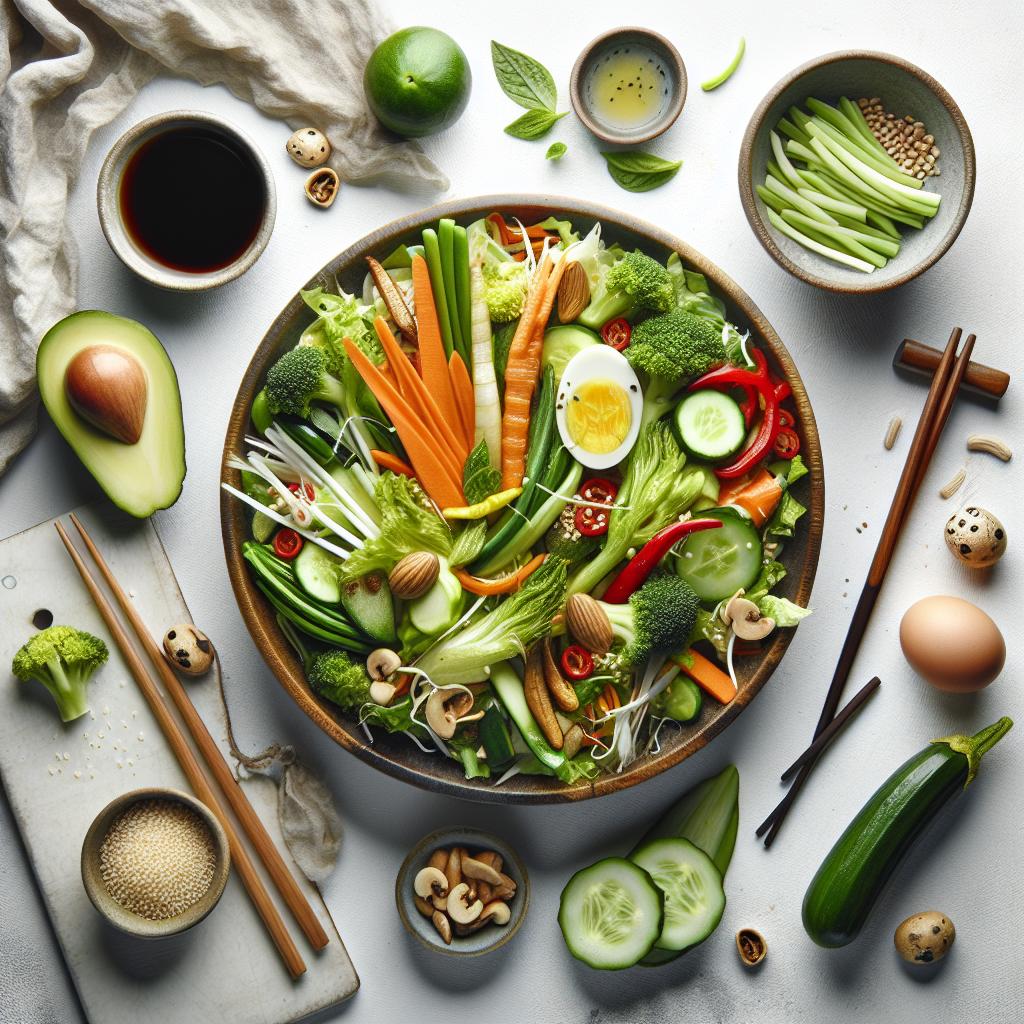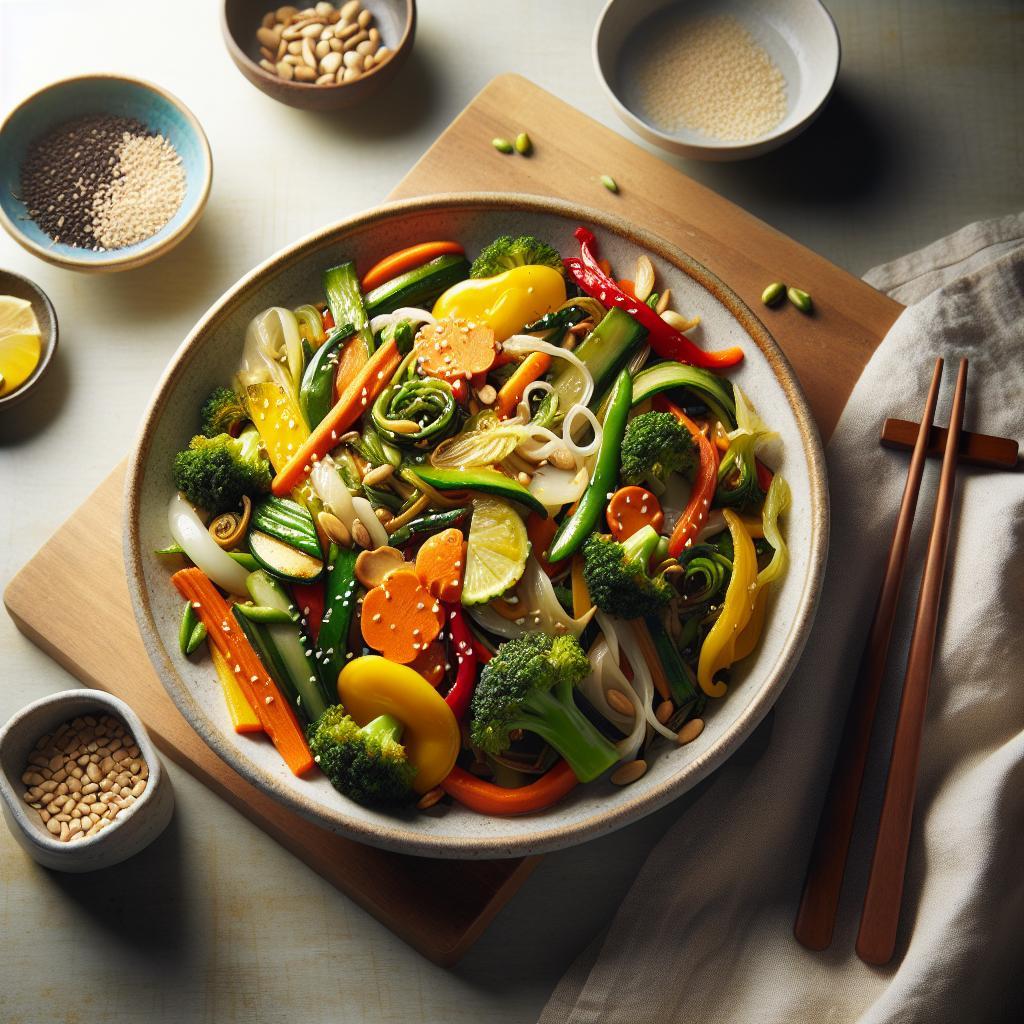

In the kaleidoscope of global cuisines, Asian vegetables stand out as vibrant jewels, bursting with colors, textures, and flavors that tell stories of tradition and innovation. From the crisp bite of bok choy to the subtle sweetness of lotus root, these ingredients are more than just accompaniments-they are the heart and soul of countless dishes that have nourished generations. Exploring vibrant flavors through Asian vegetables invites us on a sensory journey, where every leaf, stem, and root transforms humble meals into captivating feasts. This article delves into the art of harnessing these fresh treasures, unlocking their culinary potential, and celebrating the rich tapestry of tastes that only Asian vegetables can offer.
Exploring Vibrant Flavors: The Art of Asian Vegetables
Exploring vibrant flavors opens a gateway to the nuanced world of Asian vegetables, a culinary journey rich with regional diversity and time-honored preparation techniques. From the crisp bite of stir-fried bok choy in Shanghai to the earthy bitterness of mustard greens in northern India, the flavors are as diverse as the cultures that cultivate them. My long-standing passion for showcasing fresh Asian vegetables stems from memorable travels and the discovery that traditional methods can intensify freshness and texture, making every bite a celebration of nature’s bounty.
Prep and Cook Time
- Preparation: 15 minutes
- Cooking: 20 minutes
- Total: 35 minutes
Yield
Serves 4 as a vibrant side dish or a light main course.
Difficulty Level
Medium – Perfect for home cooks eager to master authentic Asian vegetable handling and flavor layering.
Ingredients
- 400g fresh bok choy, washed and halved lengthwise
- 200g Chinese eggplant, cut into bite-sized chunks
- 1 small carrot, julienned for color and sweetness
- 2 cloves garlic, finely minced
- 1 tbsp fresh ginger, grated
- 1 fresh red chili, thinly sliced (adjust for heat preference)
- 2 tbsp toasted sesame oil
- 1 tbsp soy sauce (use tamari for gluten-free)
- 1 tsp rice vinegar
- 1 tsp honey or maple syrup
- 2 tbsp fresh cilantro leaves, roughly chopped
- 2 tbsp fresh Thai basil, torn
- 1 tbsp toasted sesame seeds, for garnish
- Salt and freshly ground black pepper, to taste
Instructions
- Prepare the vegetables: Rinse your bok choy thoroughly to remove any grit trapped in the stems, then halve them. Cut the Chinese eggplant into chunks and julienne the carrot for a burst of color.
- Heat the wok: Warm the toasted sesame oil over medium-high heat until shimmering but not smoking. This oil enriches the dish with a nutty aroma essential to the overall flavor.
- Aromatics first: Add the garlic, ginger, and red chili, stirring quickly for 30 seconds until fragrant. Be vigilant not to let the garlic burn as it will turn bitter.
- Vegetable sauté: Toss in the eggplant and carrot first, stir-frying for about 5 minutes, until slightly tender but still retaining bite. Then add the bok choy, cooking for an additional 3-4 minutes until leaves wilt and stems soften but stay crisp.
- Flavor balance: Mix soy sauce, rice vinegar, and honey in a small bowl. Pour over the vegetables, tossing gently to coat. Stir fry for 1-2 minutes more to marry flavors without overcooking.
- Final touches: Remove from heat and fold in fresh cilantro and Thai basil. These herbs elevate the dish, introducing a fresh, vibrant contrast to the savory umami.
- Garnish and serve: Transfer to a serving platter, sprinkle with toasted sesame seeds, and season with salt and pepper to taste.
Tips for Success
- Choosing vegetables: Select firm, glossy bok choy with crisp stems and dark-green leaves. Avoid limp or yellowing greens for the best texture and flavor.
- Cooking technique: For the ultimate crunch, add bok choy stems before leaves and do not overcook, preserving the fresh snap that defines great stir-fries.
- Herb variations: Substitute Thai basil with Vietnamese coriander or mint for a unique twist on herbaceous notes.
- Make-ahead: Prepare the sauce mix and chop vegetables ahead of time. Stir-fry swiftly on serving day to retain optimum freshness and texture.
- Heat control: Adjust the chili quantity to your tolerance; mild versions can omit chili in favor of a splash of lemon juice for brightness.
Serving Suggestions
Present this vibrant vegetable medley atop a bed of steamed jasmine rice or fluffy brown rice for a wholesome meal. Garnish with lime wedges on the side to invite a tangy finish. Pair it with grilled tofu or a fragrant bowl of miso soup for a balanced Asian-inspired feast. A small drizzle of toasted sesame oil just before serving intensifies the aroma dramatically. For celebratory occasions, serve in shallow bowls to showcase the vivid colors of the vegetables against the glossy sauce, amplifying their visual and culinary appeal.
| Nutrient | Per Serving |
|---|---|
| Calories | 120 kcal |
| Protein | 3.5 g |
| Carbohydrates | 14 g |
| Fat | 7 g |
Discover more about the health benefits of Asian vegetables and deepen your culinary knowledge. For scientifically backed information on vegetable nutrition and phytochemicals, visit Harvard T.H. Chan School of Public Health.

Q&A
Q&A: Exploring Vibrant Flavors – The Art of Asian Vegetables
Q1: What makes Asian vegetables unique in flavor compared to other global varieties?
A1: Asian vegetables often boast a remarkable balance between earthy, sweet, and umami flavors, with vibrant textures that range from crisp to tender. Many are cultivated with ancient methods that preserve their natural zest and nutritional integrity. Varieties like bok choy, daikon, and mustard greens carry distinct profiles-some peppery, others subtly sweet or slightly bitter-creating a complex flavor tapestry not commonly found elsewhere.
Q2: How do Asian cooking techniques enhance the natural taste of vegetables?
A2: Traditional Asian cooking techniques such as stir-frying, steaming, and pickling are designed to highlight freshness while transforming textures. Stir-frying at high heat with minimal oil retains crunch and enriches flavors through caramelization. Steaming preserves vibrant colors and delicate tastes, and pickling adds tangy depth, bringing out hidden undertones. These methods emphasize balance and harmony, elevating simple vegetables into culinary masterpieces.
Q3: Which aromatic ingredients best complement Asian vegetables to create layered flavors?
A3: Aromatics like ginger, garlic, scallions, and lemongrass are staples that add bursts of warmth and brightness. Ingredients like toasted sesame seeds and fresh chili peppers introduce nuttiness and heat, while soy sauce or tamari offers umami richness. Together, they craft a symphony of tastes that highlight vegetables without overpowering their natural character.
Q4: Can you share a creative way to use Asian greens in a modern dish?
A4: Absolutely! Try a vibrant Asian greens wrap: lightly sautéed gai lan or Chinese broccoli, seasoned with miso and garlic, wrapped in steamed lotus leaves. This method infuses the greens with aromatic steam and imparts a subtle herbal fragrance. Topped with toasted sesame and shredded daikon, it’s a fresh, textural experience that bridges traditional flavors with contemporary plating.
Q5: What role do pickled Asian vegetables play in traditional meals?
A5: Pickled vegetables are often the bright, tangy counterpoint in meals, helping to cleanse the palate and stimulate appetite. Kimchi, pickled radishes, and preserved mustard greens introduce sharp acidity and crunch, balancing richer or sweeter dishes. They also carry cultural significance, symbolizing preservation techniques that connect generations through taste.
Q6: How can home cooks experiment with Asian vegetable flavors without access to exotic markets?
A6: Start with versatile staples like napa cabbage, bok choy, or celery, which are often available at general supermarkets. Experiment with infusing flavor through homemade ginger-garlic sauces or blending Asian condiments like soy, miso, or rice vinegar. Dry roasting common seeds or nuts can mimic regional textures, and growing simple herbs like Thai basil or cilantro at home can add authentic aromatics that elevate dishes effortlessly.
Q7: Beyond taste, what nutritional benefits do Asian vegetables offer?
A7: Asian vegetables are typically nutrient-dense powerhouses rich in vitamins A, C, and K, along with minerals like calcium and iron. Many contain antioxidants and dietary fiber that support digestion and immune health. Their subtle bitterness often signals the presence of beneficial phytochemicals, which may aid in detoxification and reduce inflammation.
Q8: How is color used symbolically or aesthetically in Asian vegetable dishes?
A8: Color in Asian cuisine isn’t just visual-it’s symbolic and mood-setting. Vibrant greens symbolize freshness and harmony, reds often signify luck and celebration, while white vegetables convey purity and simplicity. A well-composed dish employs these hues to engage the senses and communicate balance, often echoing principles from nature and philosophy that embrace yin and yang.
Q9: What is a common misconception about cooking Asian vegetables, and what’s the truth?
A9: A common myth is that Asian vegetables must always be cooked quickly or eaten raw to be desirable. The truth is, throughout Asia there are countless slow-cooked or braised vegetable dishes that transform tough greens into tender, flavorful experiences. Mastering timing and technique allows cooks to reveal different textures and depths within the same vegetable.
Q10: How do regional differences across Asia influence the use of vegetables in traditional dishes?
A10: Asia’s vast geography yields diverse climates and cultures, reflected in vegetable usage. For instance, in East Asia, mild greens like bok choy and daikon thrive in cooler climates and often star in broths and stir-fries. Southeast Asia favors bold herbs and tropical vegetables paired with fiery spices and sour elements, while South Asia incorporates robust legumes and root vegetables with complex spice blends. This diversity showcases how environment and culture shape the art of vegetable cooking across the continent.
The Conclusion
As we conclude our journey through the vibrant world of Asian vegetables, it’s clear that these colorful, nutrient-packed treasures are much more than mere ingredients-they are the heart and soul of a culinary tradition rich in history, culture, and innovation. From the crisp bite of bok choy to the fragrant allure of lemongrass, each vegetable tells a story of flavor and heritage waiting to be discovered. Embracing the art of Asian vegetables not only awakens the palate but also invites us to explore a tapestry of tastes that celebrate freshness, balance, and creativity. So next time you step into the kitchen, let these vibrant flavors inspire your dishes, transforming everyday meals into extraordinary cultural adventures.