
There’s something irresistibly charming about Mediterranean flatbread-the way its golden crust crackles softly as you tear into it, releasing delicate aromas of olive oil and herbs that transport you straight to sun-kissed shores. But what if you could bring that authentic taste and texture right into your own kitchen? Discovering the secrets to perfect homemade Mediterranean flatbread is like unlocking a delicious family heirloom passed down through generations, combining simple ingredients with time-honored techniques. In this article, we’ll guide you step-by-step through the art and science behind this beloved bread, empowering you to create a warm, versatile staple that elevates every meal, from vibrant dips to hearty wraps. Ready to embark on a flavorful journey that’s as rewarding as it is tasty? Let’s dive in.
Discover the Secrets to Perfect Homemade Mediterranean Flatbread
Discover the secrets to perfect homemade Mediterranean flatbread by starting with the freshest and finest ingredients that bring unparalleled authenticity and vibrancy to each bite. This beloved staple, rich in ancient tradition, tantalizes not only the palate but also the soul, recalling sun-drenched markets filled with fragrant herbs, hinting at the simple yet profound joy of Mediterranean living.
Prep and Cook Time
Preparation Time: 20 minutes
Cook Time: 15 minutes
Total Time: 35 minutes
Yield
Serves 4-6 people
Difficulty Level
Medium – Ideal for bakers with basic dough-handling experience aiming to master texture and flavor.
Ingredients
- 2 ½ cups all-purpose flour, sifted
- 1 tsp fine sea salt
- 1 tsp sugar
- 1 tbsp extra virgin olive oil, plus extra for drizzling
- 1 cup warm water (110°F/45°C)
- 2 tsp active dry yeast
- 1 tsp dried oregano or za’atar for garnish
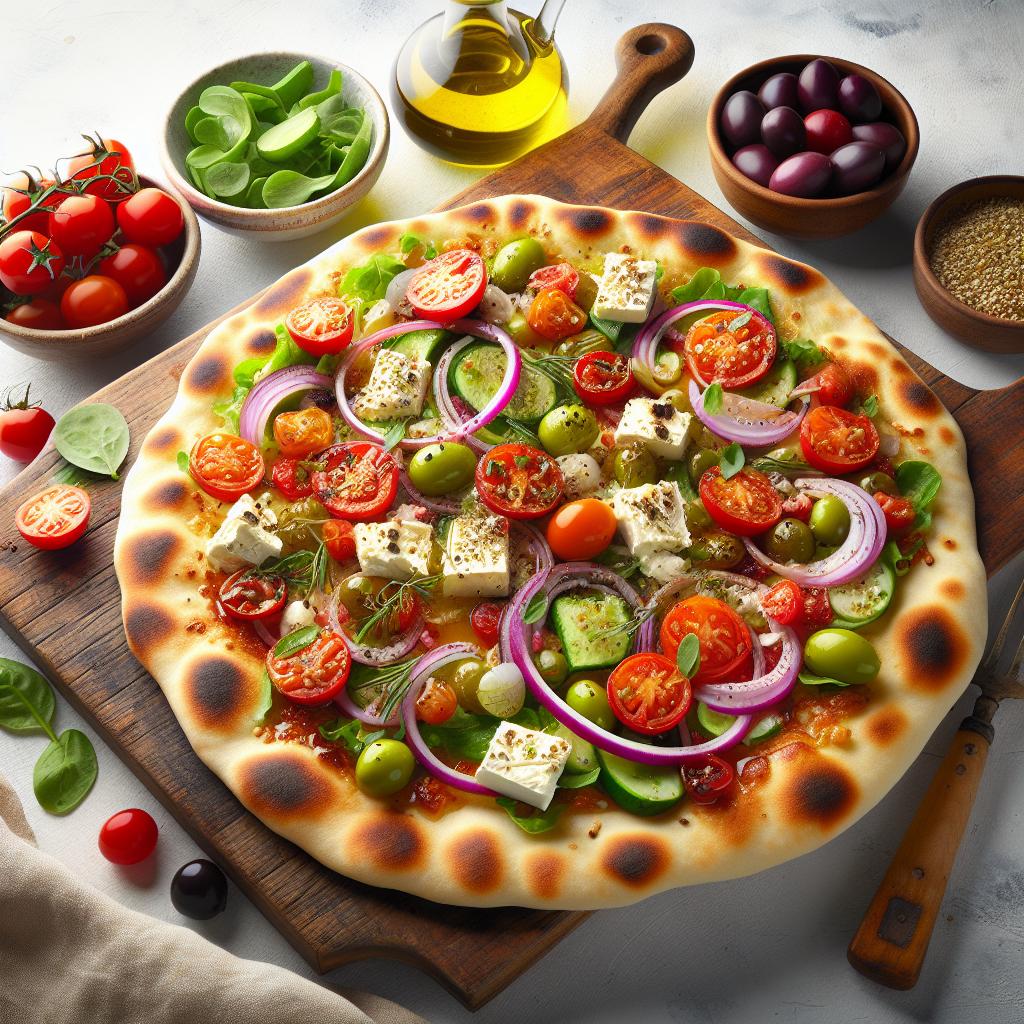
- Optional Toppings: crumbled feta, sliced olives, sun-dried tomatoes, fresh rosemary
Instructions
- Activate the yeast: In a small bowl, combine the warm water with sugar and active dry yeast. Stir gently and let sit for 5-7 minutes until frothy, indicating the yeast is alive and ready.
- Combine dry ingredients: In a large mixing bowl, whisk the sifted flour and sea salt. Create a well in the center.
- Make the dough: Pour the yeast mixture and olive oil into the flour well. Using a wooden spoon or your hands, gradually incorporate the flour from the edges until a shaggy dough forms.
- Knead to perfection: Transfer the dough to a lightly floured surface. Knead for 8-10 minutes until smooth, elastic, and slightly tacky – this is your cornerstone for ideal texture and rise.
- First rise: Lightly oil a clean bowl and place the dough inside. Cover with a damp cloth or plastic wrap, then let it rise in a warm draft-free area for 1 hour or until doubled in size.
- Shape the flatbread: Punch down the dough gently, divide into two equal portions for thinner flatbreads or keep whole for a thicker style. Roll or stretch each piece into a 10-12 inch oval or round shape.
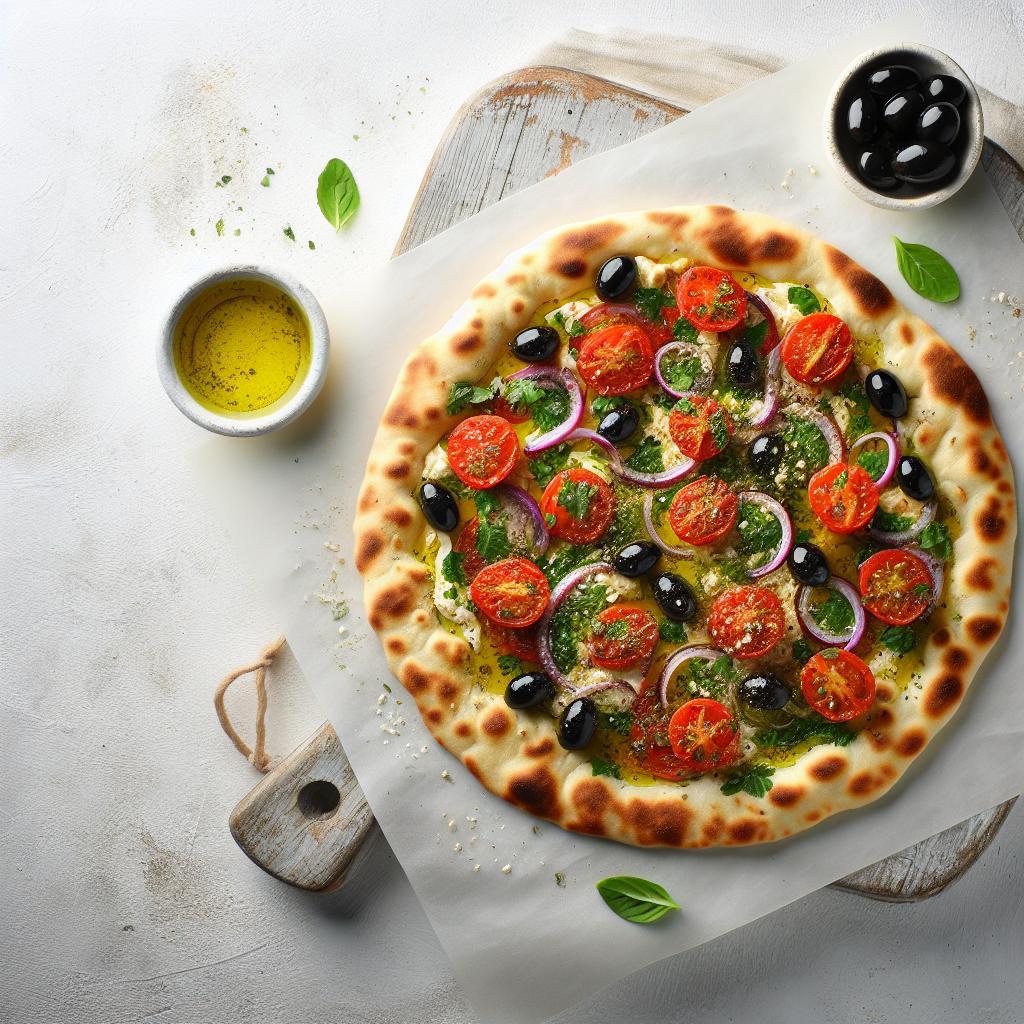
- Preheat and prepare for baking: Preheat oven to 475°F (245°C) with a pizza stone or inverted baking sheet inside for 30 minutes. Lightly brush flatbreads with olive oil and sprinkle oregano or za’atar evenly across the top.
- Bake to golden crispy perfection: Transfer the rolled dough to the hot stone or baking sheet. Bake for 10-12 minutes, rotating halfway to ensure even browning. Look for beautifully blistered, golden crusts that crackle softly when touched.
- Finishing touches: Remove from oven and immediately drizzle with a little more high-quality olive oil. Add optional toppings like crumbled feta or fresh herbs while the flatbread is warm.
- Serve and enjoy: Slice and serve your Mediterranean flatbread warm for the ultimate sensory experience.
Tips for Success: Mastering Homemade Mediterranean Flatbread
- To enhance the depth of flavor, allow your dough to ferment slowly in the refrigerator for 12-24 hours instead of the standard rise – this slow fermentation develops a subtle tang and better texture.
- If the dough feels sticky, dust your hands with flour sparingly to prevent tearing but avoid adding too much flour which can toughen the bread.
- Use a pizza stone or a preheated heavy inverted baking sheet to mimic a brick oven’s heat distribution-this ensures a crisp crust with a tender crumb.
- Experiment with toppings reflecting classic regional flavors: za’atar spice blends, roasted garlic, or thinly sliced red onions.
- Make-ahead: The dough can be refrigerated after the first rise wrapped tightly and brought back to room temperature before shaping and baking.
Serving Suggestions
Present your homemade Mediterranean flatbread paired with vibrant accompaniments such as creamy labneh, a medley of olives, or herbaceous hummus. Garnish with fresh parsley, a sprinkle of sumac, or a drizzle of pomegranate molasses for added complexity. Serve alongside grilled vegetables or as a versatile base for flatbread pizzas. A crisp white wine like Assyrtiko complements the dish beautifully.

Nutritional Information Per Serving
| Calories | Protein | Carbohydrates | Fat |
|---|---|---|---|
| 210 | 6g | 34g | 5g |
Explore more Mediterranean-inspired recipes to complement your flatbread on our Mediterranean recipes page. For additional insights into yeast dough science and baking perfection, visit the King Arthur Baking Guide.
Q&A
Q&A: Discover the Secrets to Perfect Homemade Mediterranean Flatbread
Q1: What makes Mediterranean flatbread unique compared to other types of flatbread?
A1: Mediterranean flatbread is celebrated for its delicate balance of simplicity and flavor. Unlike heavier breads, it boasts a light, airy texture with a subtly chewy crust, often infused with fragrant herbs like oregano or za’atar and a drizzle of olive oil that gives it an authentic, sun-kissed Mediterranean aroma.
Q2: Can I make Mediterranean flatbread from scratch without fancy ingredients?
A2: Absolutely! The beauty of Mediterranean flatbread is its ingredient simplicity. Basic pantry staples like flour, water, yeast, salt, and olive oil are all you need. The secret lies not in exotic ingredients but in mastering the technique-particularly the dough’s resting time and the cooking temperature.
Q3: How important is the dough resting time in achieving perfect flatbread?
A3: Dough resting is crucial-it allows the gluten to relax and yeast to ferment, creating that soft, airy texture Mediterranean flatbread is known for. A good rest period (usually at least an hour, sometimes overnight in the fridge) helps develop flavor complexity and makes the dough easier to stretch without tearing.
Q4: What’s the best way to cook Mediterranean flatbread at home?
A4: Ideally, a hot pizza stone or cast-iron skillet works wonders to mimic the high heat of traditional stone ovens. Heating the pan or stone beforehand ensures the flatbread puffs slightly with delicious charred spots. Cooking times are short-about 1-2 minutes per side-so stay close to avoid burning!
Q5: Are there any creative toppings or variations recommended for homemade Mediterranean flatbread?
A5: The sky’s the limit! Classic toppings include za’atar spice blend, sesame seeds, or a brush of garlic-infused olive oil. For a gourmet twist, top with crumbled feta, sun-dried tomatoes, olives, or fresh herbs like mint and parsley after baking. It’s the perfect canvas for both savory and sweet inspirations.
Q6: How can I store and reheat Mediterranean flatbread to keep it fresh?
A6: Store cooled flatbreads in an airtight container or sealed plastic bag at room temperature for up to two days. For longer storage, freeze them flat with parchment paper between layers. To reheat, a quick toast in a hot skillet or oven brings back the crisp exterior and soft interior like freshly baked.
Q7: Why should I try making Mediterranean flatbread at home instead of buying it?
A7: Homemade flatbread delivers unmatched freshness, customizable flavor, and the joyful satisfaction of baking your own bread. It’s healthier-free from preservatives-and allows you to experiment with flavors and textures that pre-packaged varieties just can’t match. Plus, it’s a delicious way to connect with Mediterranean culinary traditions right in your kitchen.
To Wrap It Up
As you embark on your own Mediterranean flatbread journey, remember that the magic lies not just in the ingredients, but in the love and patience you fold into every dough. With these secrets now in your culinary arsenal, perfect homemade flatbread is no longer a distant dream but a delicious reality waiting to grace your table. So, roll up your sleeves, heat your oven, and let the warm, fragrant aroma of fresh flatbread transform your kitchen into a Mediterranean haven-one bite at a time. Happy baking!