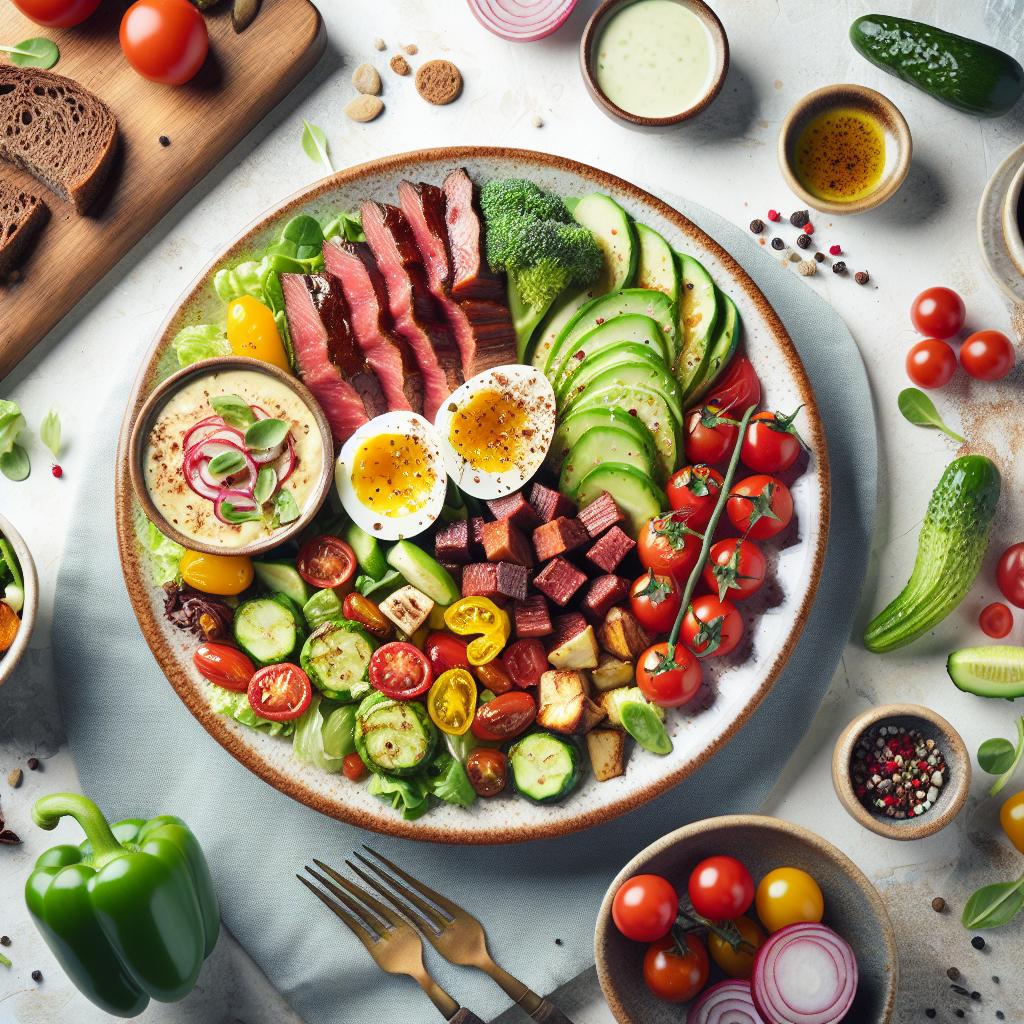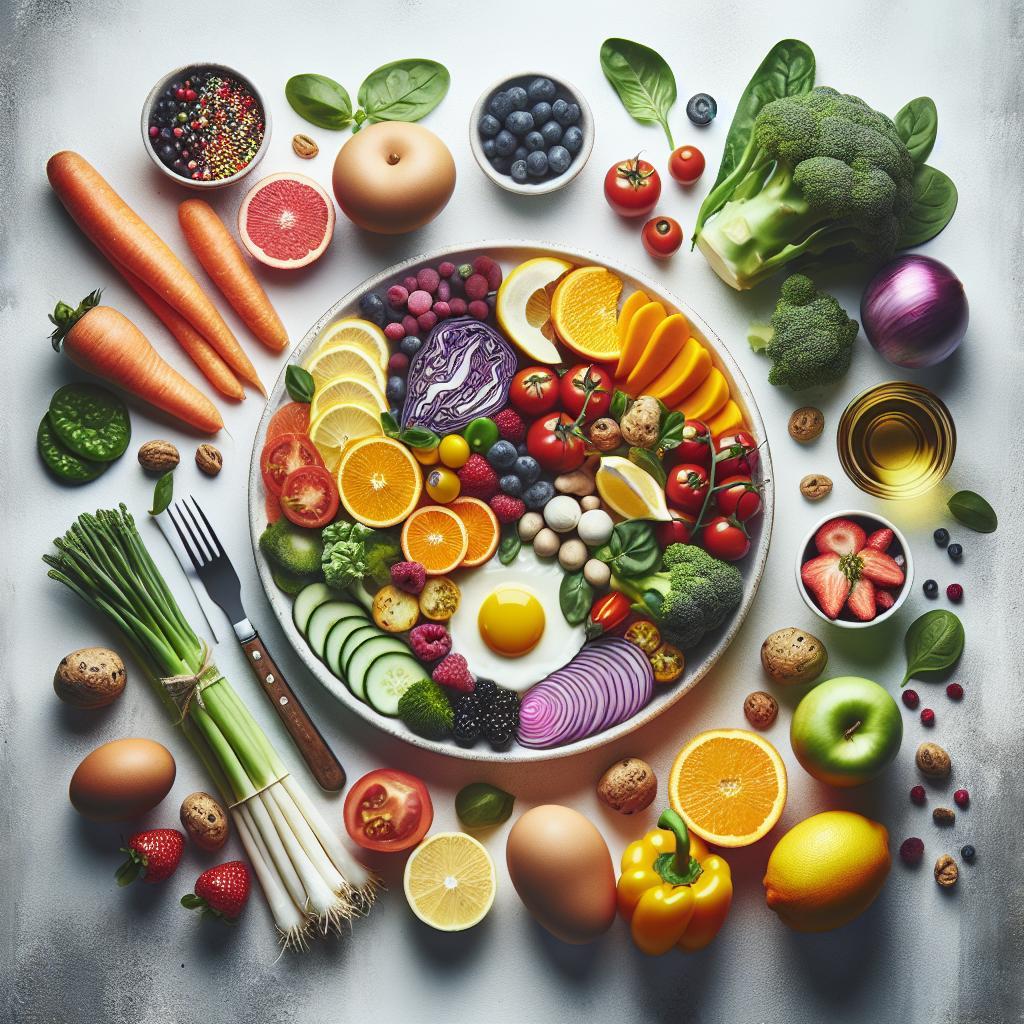

In the bustling symphony of our daily lives, the humble refrigerator often plays a silent yet starring role. It’s more than just a cold box; it’s a guardian of freshness, a curator of flavors, and a daily keeper of our culinary treasures. But amidst the constant opening and closing of its doors, are we truly mastering its potential? Welcome to “Chill Smart: Mastering Fridge Organization for Food Safety,” where savvy storage meets science, transforming your fridge from a chaotic cold zone into a streamlined sanctuary. Here, we’ll unlock the secrets to arranging your perishables with precision-helping you reduce waste, prevent foodborne mishaps, and savor every bite with confidence. Because a well-organized fridge isn’t just cool-it’s smart living at its freshest.
Chill Smart: Maximizing Freshness Through Strategic Shelf Placement
Chill Smart is more than just a mantra-it’s the key to extending food freshness, ensuring safety, and making the most of every ingredient in your refrigerator. Understanding how to place your groceries strategically can transform the way you manage perishables, reducing waste and enhancing flavor with every bite.
Prep and Cook Time
Preparation: 10 minutes
Setup and Organization: 15 minutes
Total Time: 25 minutes
Yield
Optimal fridge organization for up to 2 weeks of fresh and safe food storage
Difficulty Level
Easy
Ingredients for Smart Fridge Setup
- Clear airtight containers – variety of sizes
- Labels and markers for dates
- Fridge-safe storage bins for grouping items
- Fridge thermometer to monitor temperature zones
- Natural fridge fresheners like activated charcoal or baking soda
- Cleaning supplies – mild detergent, microfiber cloths
Instructions
- Monitor Temperature Zones: Use your fridge thermometer to identify the coldest spots (usually bottom shelves, rear) and warmer zones (door and upper shelves). Maintain 0-4°C (32-40°F) for safest storage.
- Strategize Shelf Placement: Place raw meats and seafood on the lowest shelf in leak-proof containers or trays to prevent drips. Store dairy products on middle shelves where the temperature is consistent. Fruits and vegetables belong in crisper drawers, separated by humidity settings – high humidity for greens, low for fruits.
- Use Smart Storage Bins: Group similar items such as deli meats, cheeses, and condiments into labeled bins. This prevents overcrowding and helps you locate items quickly, minimizing door opening times.
- Label and Date: Clearly label leftovers and opened products with dates using waterproof markers. This encourages timely consumption and prevents forgotten spoilage.
- Prevent Cross-Contamination: Store ready-to-eat foods above raw items to ensure no contact with potential pathogens. Always use separate containers and clean spills immediately.
- Routine Fridge Maintenance: Weekly, remove all items and wipe shelves with mild detergent and warm water. Check for expired or spoiled food. Replace baking soda or other natural fresheners monthly to maintain odor control.
- Organize with Visibility in Mind: Arrange foods so that frequently used items are at eye level. This promotes easy access and reduces fridge door openings, helping your fridge maintain steady temperatures.
- Adapt Seasonally: Adjust humidity drawer settings based on seasonal produce changes and incorporate vacuum sealing for longer-term storage of bulk items.
Chef’s Notes for Success
- Use transparent containers to visually track freshness and reduce unnecessary food waste.
- Consider adding a mini whiteboard on the fridge door for meal planning and notes.
- If you have an older fridge, keep an eye on temperature fluctuations-invest in a digital thermometer for accuracy.
- Make it a habit to rotate older food towards the front to consume first, preventing spoilage.
- Use breathable produce bags inside crisper drawers to extend the life of leafy greens.
Serving Suggestions
Think of your refrigerator as your mise en place-the foundation for all your culinary creations. Presenting your food in an orderly, fresh environment inspires creativity and confidence when preparing meals. Garnish meals with fresh herbs you’ve stored properly, or pair dishes with crisp vegetables that retain their texture thanks to ideal fridge storage.

| Nutritional Info (Per Serving) | Calories | Protein | Carbs | Fat |
|---|---|---|---|---|
| Fresh Vegetables | 50 | 2 g | 10 g | 0 g |
| Lean Meat (stored properly) | 150 | 26 g | 0 g | 4 g |
| Dairy | 120 | 8 g | 4 g | 7 g |
For more savvy kitchen tips on food safety, check out our complete food safety guide. To deepen your knowledge on temperature zones and contamination, visit the official FoodSafety.gov website for expert insights.
Q&A
Q&A: Chill Smart – Mastering Fridge Organization for Food Safety
Q1: Why does fridge organization matter beyond just looking neat?
A1: A well-organized fridge is your first line of defense against foodborne illness. Proper placement helps maintain optimal temperatures for different foods, prevents cross-contamination, and reduces spoilage-saving both your health and your wallet.
Q2: What are the fridge zones, and how do they impact food safety?
A2: Think of your fridge as a climate map! The coldest spot is usually the bottom shelf or the back wall-perfect for raw meats, which need to stay chilly to prevent bacterial growth. The middle shelves keep ready-to-eat foods like dairy and leftovers at stable temps, while the door-warmest zone-is ideal for condiments and drinks.
Q3: Can organizing the fridge extend the shelf life of food?
A3: Absolutely! When foods are stored at their ideal temperatures and grouped by type, airflow is optimized, preventing premature spoilage. For instance, keeping fruits and vegetables separate in their crispers reduces ethylene gas buildup, which can accelerate ripening and rot.
Q4: How do I prevent cross-contamination in the fridge?
A4: Always store raw meats and seafood on the lowest shelves in sealed containers. Keep ready-to-eat items like salads and cheeses on higher shelves, away from potential drips. Labeling leftovers and using airtight containers also keep unwelcome bacteria at bay.
Q5: Any tips for keeping fridge clutter under control?
A5: Use clear bins or containers to group similar items-like snacks, dairy, or condiments. This makes items easy to find and keeps things tidy. Regularly check expiration dates and purge anything past its prime to keep your fridge fresh and functional.
Q6: What role does temperature play in fridge food safety?
A6: Keeping your fridge at or below 40°F (4°C) slows bacterial growth dramatically. Digital thermometers can be your best friend here-helping you monitor and adjust temps for maximum freshness and safety.
Q7: How often should a fridge be cleaned for optimal safety?
A7: Aim for a deep clean every few months to eliminate hidden spills and bacteria hotspots. Wipe up spills immediately, and give shelves a quick weekly check to maintain a hygienic environment.
With these chilly commandments, your fridge won’t just be a cool place-it’ll be a fortress for food safety!
The Conclusion
As we wrap up our journey through the art and science of fridge organization, remember: a well-chilled, thoughtfully arranged fridge isn’t just a convenience-it’s a frontline defender against foodborne risks. By mastering the zones of your refrigerator and embracing smart storage habits, you transform your kitchen into a safe haven that preserves freshness, flavor, and health. So go ahead, chill smart, and let your fridge work for you, ensuring every bite is as safe as it is satisfying. Your future self-and your taste buds-will thank you.