
Chestnut Cream: A Culinary Revelation
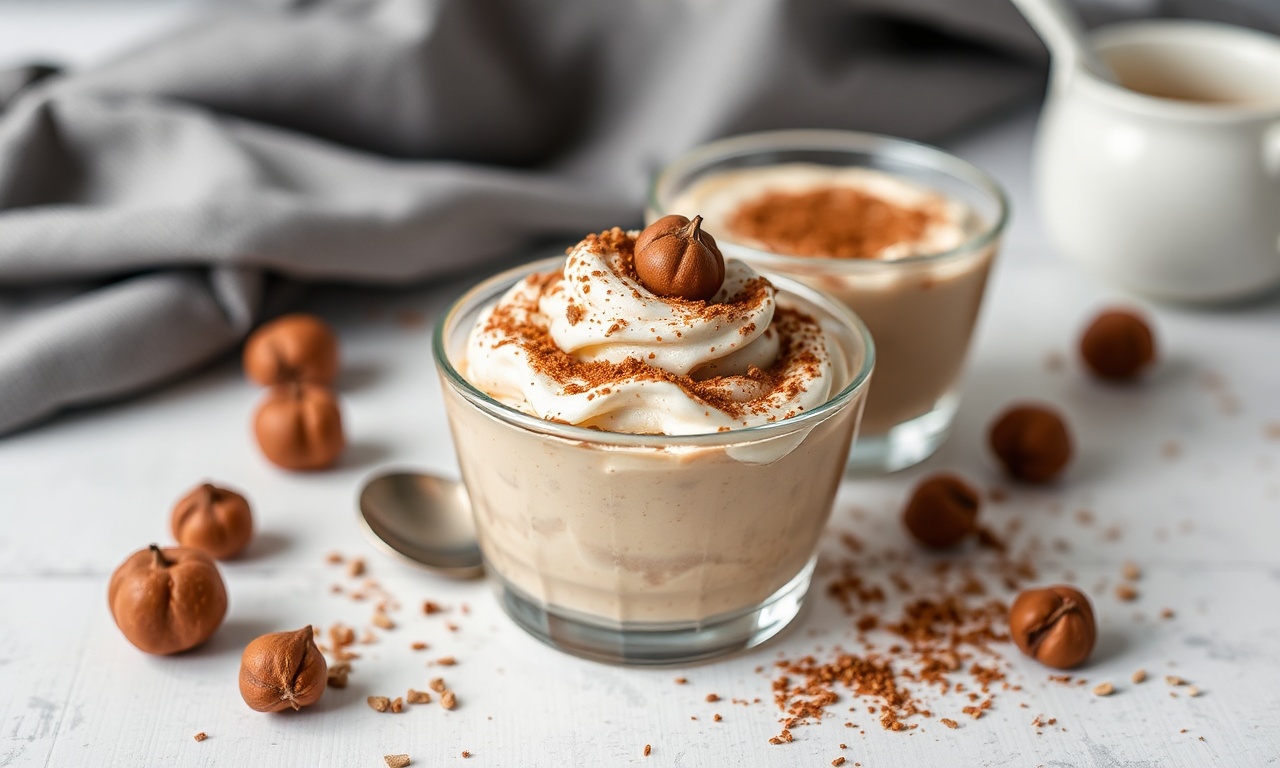
Chestnut cream is not merely a dessert; it is a whispered promise of autumnal indulgence, a velvety embrace that transcends the ordinary. For too long, this exquisite confection has been relegated to the periphery of popular dessert consciousness, overshadowed by more ostentatious, yet often less profound, sweet offerings. But the tide is turning. Chestnut cream is poised to reclaim its rightful place as a sophisticated, deeply satisfying, and surprisingly versatile delight, capable of revolutionizing even the most jaded palate. Its inherent richness, coupled with a delicate sweetness and an earthy nuance, offers a sensory experience that is both comforting and exhilarating.
- Chestnut Cream: A Culinary Revelation
- Crafting the Perfect Chestnut Cream: The Essential Recipe
- Exploring the Nuances of Chestnut Cream
- Beyond Dessert: Culinary Applications of Chestnut Cream
- Nutritional Snapshot: A Wholesome Indulgence
- Mastering the Art: Expert Tips for Chestnut Cream Perfection
- Frequently Asked Questions about Chestnut Cream
Chestnut-crested cotinga — Wikipedia
The true magic of chestnut cream lies not just in its taste, but in its ability to evoke a profound sense of warmth and nostalgia, a culinary echo of crackling fires and crisp autumn air.
This article serves as your comprehensive passage into the world of chestnut cream, moving beyond mere recipes to explore its history, its culinary potential, and the precise techniques that elevate it from a simple sweet to an unforgettable experience. We will explore the nuances of selecting the finest chestnuts, the art of achieving that signature silken texture, and innovative ways to incorporate this remarkable ingredient into your repertoire.
The Allure of the Humble Chestnut
The humble chestnut, often associated with roasting over open fires or as a festive stuffing ingredient, possesses a culinary pedigree stretching back millennia. Native to the Northern Hemisphere, these nuts were a vital food source for ancient civilizations. Their unique composition – high in complex carbohydrates and fiber, yet relatively low in fat compared to other nuts – contributes to their distinct texture and subtle sweetness when cooked. Historical records highlight the importance of chestnuts as a staple food, particularly in mountainous regions where other crops struggled. This deep historical connection imbues the chestnut with an inherent sense of tradition and rustic elegance, a foundation upon which the sophisticated chestnut cream is built.
Research indicates that chestnuts are a good source of dietary fiber, which can contribute to digestive health and satiety, offering a more wholesome base for desserts than many alternatives.
Understanding the chestnut’s origins and nutritional profile is the first step in appreciating the depth of flavor and texture it brings to a cream. Unlike the overt richness of chocolate or the bright tartness of fruit, the chestnut offers a grounding, earthy sweetness that is both complex and comforting. This nuanced profile makes chestnut cream a perfect canvas for a multitude of flavor pairings and a sophisticated alternative for those seeking a dessert that satisfies without overwhelming.
Crafting the Perfect Chestnut Cream: The Essential Recipe
Achieving the quintessential chestnut cream requires attention to detail and a respect for the primary ingredient. This recipe focuses on purity of flavor and a luxuriously smooth texture, laying the groundwork for countless variations.
Ingredients
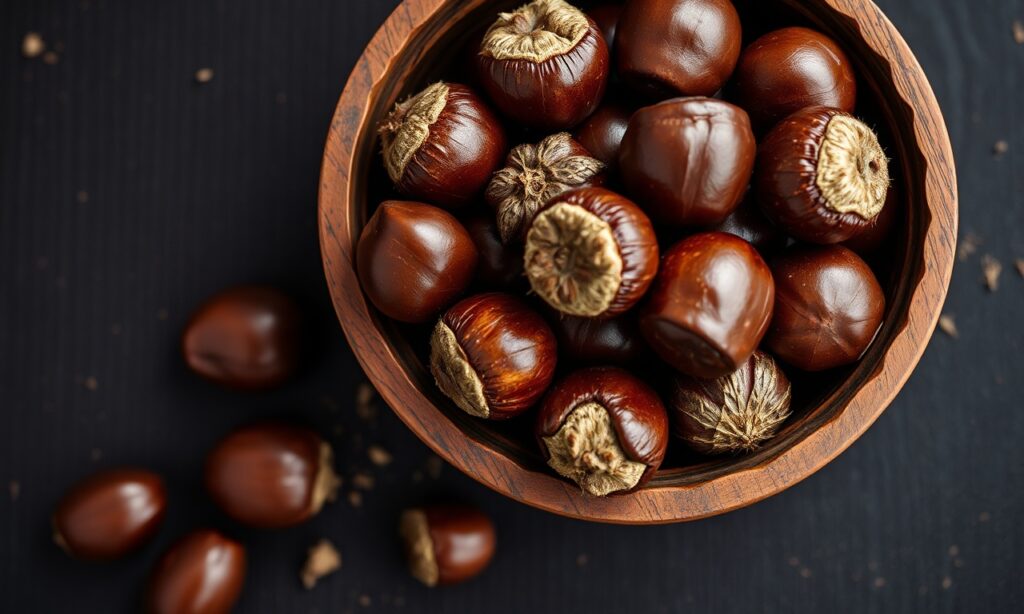
- 1 kg (approximately 2.2 lbs) Fresh Chestnuts: Opt for plump, firm chestnuts with unblemished shells. Look for those that feel heavy for their size, indicating good moisture content.
- 500 ml (approximately 2 cups) Whole Milk: Full-fat milk contributes to a richer, more decadent cream.
- 250 ml (approximately 1 cup) Heavy Cream (35% fat or higher): For unparalleled silkiness and depth.
- 150-200g (approximately 3/4 to 1 cup) Granulated Sugar: Adjust to your sweetness preference.
- 1 Vanilla Bean: Split lengthwise and seeds scraped, or 1-2 teaspoons pure vanilla extract.
- Pinch of Salt: To enhance and balance the sweetness.
Preparation Method
- Prepare the Chestnuts: This is arguably the most crucial step. Score the flat side of each chestnut with a sharp knife, making a deep incision through the shell and skin. This prevents them from exploding during cooking. You can boil or roast them. For boiling, place the scored chestnuts in a large pot, cover with cold water, and bring to a boil. Simmer for 20-30 minutes, or until tender. For roasting, spread the scored chestnuts on a baking sheet and roast in a preheated oven at 200°C (400°F) for 20-25 minutes, until they begin to soften and the shells start to peel back.
- Peel the Chestnuts: While still warm (but cool enough to handle), peel the chestnuts. The score mark will make this easier. Remove both the hard outer shell and the papery inner skin. This can be tedious, but it’s essential for a smooth cream. Discard any chestnuts that appear dry, moldy, or worm-eaten.
- Infuse the Dairy: In a medium saucepan, combine the whole milk, heavy cream, scraped vanilla seeds (and the pod), and the pinch of salt. Heat gently over medium-low heat until it just begins to simmer around the edges. Do not boil. Remove from heat, cover, and let the vanilla infuse for at least 15-20 minutes. If using vanilla extract, add it later.
- Cook the Chestnuts: Place the peeled chestnuts in a clean saucepan. Add the granulated sugar and just enough water to barely cover the nuts. Bring to a simmer over medium heat and cook, stirring occasionally, until the chestnuts are very tender and the liquid has reduced to a thick syrup, about 20-30 minutes. Be careful not to scorch them.
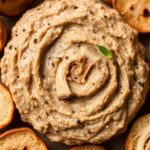
- Blend to Perfection: Drain any excess liquid from the cooked chestnuts. Transfer the tender chestnuts to a food processor or high-powered blender. Gradually add the warm, infused dairy mixture, a ladleful at a time, processing until you achieve an incredibly smooth, velvety consistency. You may need to scrape down the sides of the processor multiple times. If you desire an even silkier texture, pass the mixture through a fine-mesh sieve.
- Chill and Serve: Pour the chestnut cream into serving dishes or a larger bowl. Cover with plastic wrap, pressing the wrap directly onto the surface of the cream to prevent a skin from forming. Refrigerate for at least 2-3 hours, or until thoroughly chilled and set. If using vanilla extract, stir it in just before chilling.
Exploring the Nuances of Chestnut Cream
The beauty of chestnut cream lies in its inherent adaptability. While the classic recipe is sublime in its simplicity, understanding its core characteristics allows for creative exploration and personalization. The earthy sweetness of chestnuts provides a grounding counterpoint to sharper flavors, while their inherent starchiness contributes to a naturally thick texture without the need for excessive stabilizers.
Flavor Pairings: Elevating the Experience
The subtle, earthy notes of chestnut cream make it an ideal partner for a variety of complementary flavors. The key is to choose pairings that enhance, rather than overpower, the delicate essence of the chestnut.
- Citrus Zest: A hint of orange or lemon zest, incorporated during the blending stage, can cut through the richness and add a bright, aromatic lift. Think of a delicate orange blossom water or a whisper of candied orange peel as a garnish.
- Spices: Warm spices like cinnamon, nutmeg, cardamom, or even a touch of star anise can deepen the autumnal profile of chestnut cream. These are best infused into the dairy mixture during step 3.
- Alcoholic Notes: A splash of rum, brandy, or even a fine amaretto can add a sophisticated layer of complexity. Add this sparingly during the blending process. Cognac is a particularly classic pairing.
- Chocolate: A dark chocolate drizzle or shavings can provide a dramatic contrast in both flavor and color. For a more integrated approach, a small amount of unsweetened cocoa powder can be blended into the cream.
- Coffee: A hint of espresso or strong coffee can amplify the nutty, roasted notes of the chestnut.
Texture Variations: Beyond the Silken Smooth
While the classic chestnut cream is celebrated for its velvety texture, variations can be explored to suit different preferences and culinary applications.
- Chunkier Texture: For a more rustic experience, reserve a small portion of the cooked chestnuts and gently fold them into the blended cream before chilling. This adds delightful textural contrast.
- Whipped Chestnut Cream: After blending and chilling, you can whip the chestnut cream with additional whipped cream or even egg whites (if making a mousse) to create a lighter, airier confection. This is particularly effective for dessert fillings or lighter toppings.
- Chestnut Mousse: Incorporating whipped egg whites or gelatin into the chestnut cream base can transform it into a sophisticated mousse, perfect for elegant presentations.
Beyond Dessert: Culinary Applications of Chestnut Cream
While its role as a standalone dessert is undeniable, chestnut cream’s versatility extends far beyond the final course. Its unique flavor profile and texture lend themselves to surprising and delightful applications in savory dishes as well.
Savory Synergies
The inherent earthiness of chestnuts can beautifully complement robust savory flavors. Consider incorporating a dollop of chestnut cream into:
- Mashed Potatoes: Swirling a spoonful into your mashed potatoes adds a subtle sweetness and an unexpected depth of flavor.
- Soups: A swirl of chestnut cream can enrich and elevate creamy vegetable soups, particularly those featuring root vegetables like parsnips or squash.
- Sauces for Game Meats: The classic pairing of chestnuts with game birds like pheasant or quail can be further enhanced by a chestnut cream sauce.
- Risotto: A small amount stirred in at the end of cooking can add a luxurious creaminess and a nutty undertone to a mushroom or vegetable risotto.
Incorporating into Baked Goods
Chestnut cream can serve as a decadent filling or flavoring agent for a variety of baked goods.
- Tarts and Pastries: Use it as a filling for shortcrust tarts or as a luscious layer in mille-feuille.
- Cakes and Cupcakes: It can be swirled into cake batter for a subtle flavor infusion or used as a rich frosting or filling. A chestnut cream layer cake is a truly special occasion dessert.
- Pancakes and Waffles: Serve a warm spoonful alongside your breakfast favorites for a gourmet touch.
Nutritional Snapshot: A Wholesome Indulgence
Chestnut cream, while undeniably decadent, offers a more nuanced nutritional profile than many traditional cream-based desserts. Chestnuts themselves are a good source of complex carbohydrates, fiber, and certain vitamins and minerals, including Vitamin C and B vitamins.
Approximate Nutritional Information per Serving (assuming 8 servings from the recipe):
- Calories: 350-450 kcal (will vary based on sugar and cream quantities)
- Total Fat: 20-30g
- Saturated Fat: 12-18g
- Cholesterol: 60-80mg
- Sodium: 50-70mg
- Total Carbohydrates: 35-45g
- Dietary Fiber: 4-6g
- Sugars: 25-35g
- Protein: 4-6g
Keep in mind that these are approximations. The precise nutritional values will depend on the specific ingredients used and the portion size. Compared to desserts relying heavily on butter and refined sugars, chestnut cream can offer a slightly more favorable balance of nutrients, particularly due to the fiber content from the chestnuts. However, it remains a treat to be enjoyed in moderation.
Mastering the Art: Expert Tips for Chestnut Cream Perfection
Elevating your chestnut cream from good to extraordinary requires a keen eye for detail and an understanding of professional techniques.
- Chestnut Quality is Paramount: As mentioned, the quality of your chestnuts directly dictates the final flavor and texture. Seek out fresh, plump nuts, ideally in season. If using pre-packaged cooked chestnuts, ensure they are unsweetened and of high quality.
- The Peel is Your Nemesis: The papery inner skin of the chestnut can impart a slightly bitter, astringent note and a gritty texture. Take your time to remove as much of it as possible. A quick blanching of the nuts after scoring and before peeling can sometimes help loosen this skin.
- Achieving True Silkiness: For the smoothest possible cream, consider using a high-speed blender or a food processor with a powerful motor. Processing for an extended period, scraping down the sides, and potentially passing through a sieve are key steps for achieving that luxurious mouthfeel.
- Infusion Matters: Don’t underestimate the power of infusing your dairy. Letting the vanilla bean (or other aromatics) steep in the milk and cream allows their flavors to meld and deepen, creating a more complex base for your cream.
- The Importance of Chilling: Chestnut cream needs adequate time to chill and set. This allows the flavors to meld further and the texture to firm up. A minimum of 2-3 hours is recommended, but overnight is often even better.
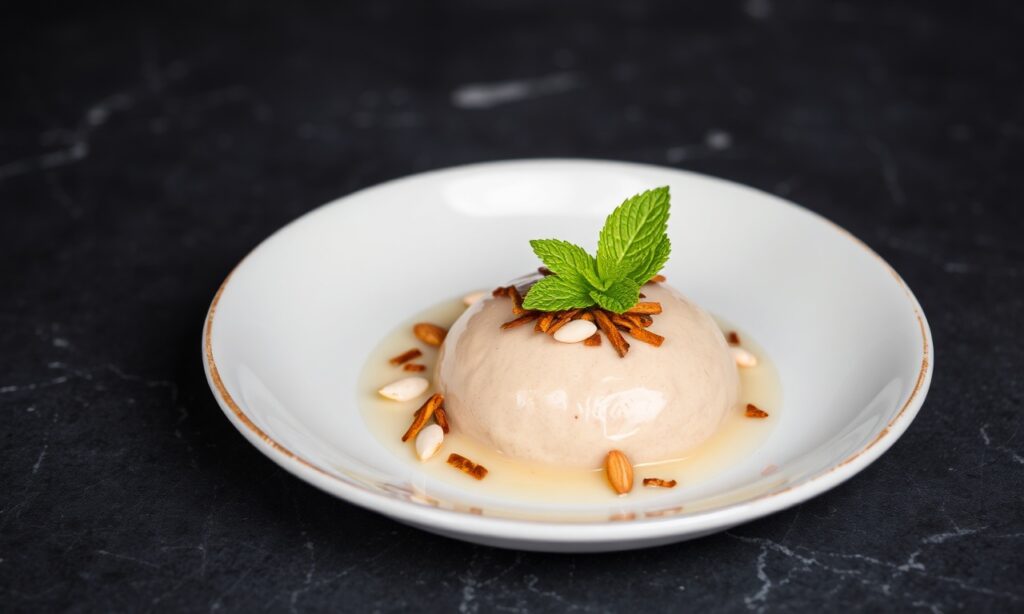
- Garnishing with Finesse: The presentation of your chestnut cream can be as important as its taste. Simple, elegant garnishes like toasted nuts (almonds, hazelnuts, pistachios), a dusting of cocoa powder, a drizzle of dark chocolate, or a sprig of fresh mint can elevate the visual appeal. Candied chestnuts or a delicate caramel sauce also work beautifully.
Frequently Asked Questions about Chestnut Cream
What is the best way to store leftover chestnut cream?
Leftover chestnut cream should be stored in an airtight container in the refrigerator. Pressing plastic wrap directly onto the surface of the cream will help prevent a skin from forming. It is best consumed within 3-4 days for optimal flavor and texture.
Can I make chestnut cream with canned or jarred chestnuts?
Yes, you can. However, it is crucial to use unsweetened, high-quality cooked chestnuts. Drained and rinsed thoroughly, they can be used in place of fresh chestnuts. Be mindful that the flavor and texture may be slightly different from using fresh, as canning processes can alter these characteristics.
Is chestnut cream suitable for vegans?
The traditional recipe is not vegan due to the use of dairy. However, you can create a delicious vegan chestnut cream by substituting the milk with a rich plant-based milk (such as oat, soy, or cashew milk) and the heavy cream with full-fat coconut cream. Ensure the plant-based milks are unsweetened and neutral in flavor.
How can I make chestnut cream less sweet?
The sugar content can be adjusted to your personal preference. Start with the lower end of the suggested sugar range and taste the mixture before chilling. You can also achieve a less sweet profile by pairing the cream with naturally sweet garnishes or by incorporating a more tart element, such as a raspberry coulis.
What are the common pitfalls to avoid when making chestnut cream?
The most common pitfalls include failing to properly score and peel the chestnuts (leading to uneven cooking or difficulty in peeling), overcooking the chestnuts which can make them mushy, or not blending the mixture sufficiently, resulting in a grainy texture. Rushing the chilling process can also lead to a cream that hasn’t set properly.
See also: Chestnut cream