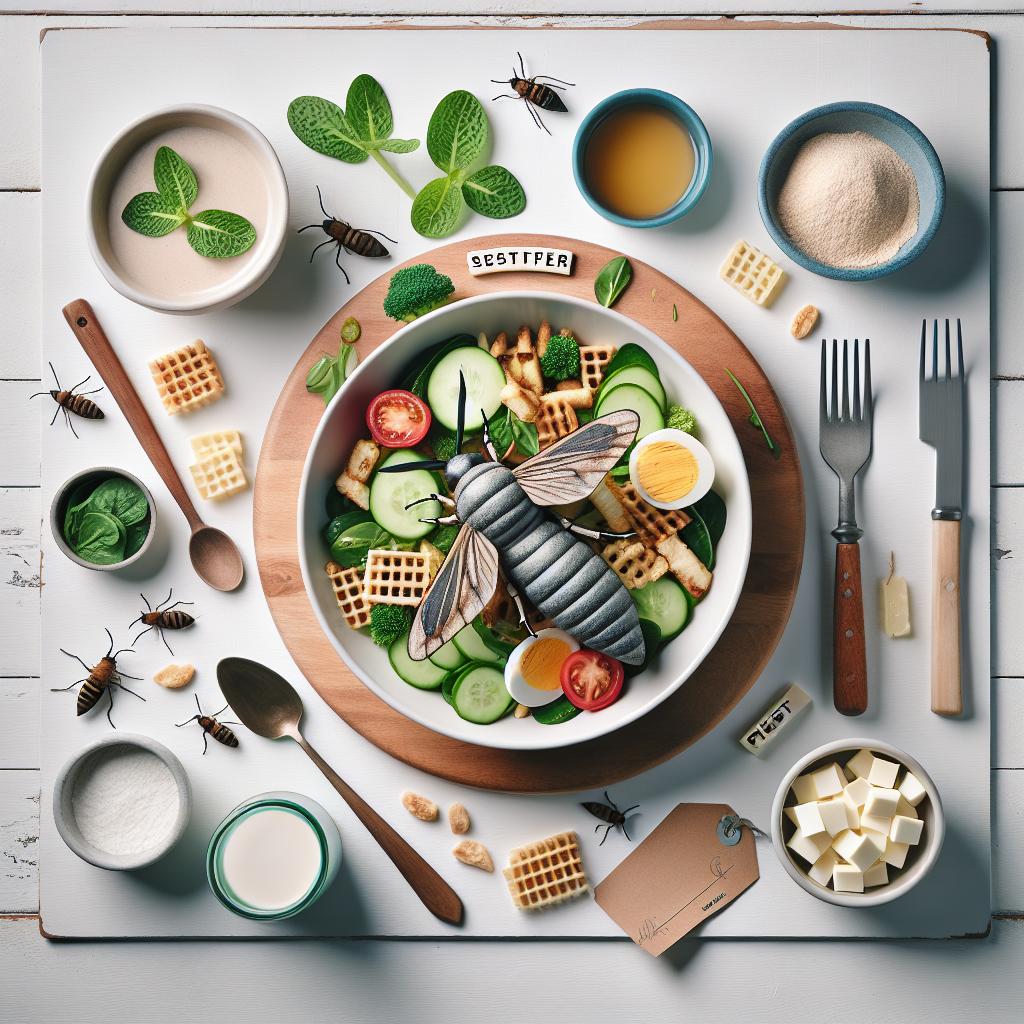

In the quiet corners of your kitchen, where the aroma of spices and grains usually reigns supreme, an uninvited guest might be silently staging its takeover: pantry moths. These tiny, seemingly harmless intruders can quickly turn your well-stocked shelves into a battleground, leaving behind webbed chaos and spoiled food. But fear not-banishing pantry moths is not a lost cause. With a blend of savvy strategies and a keen eye, you can reclaim your kitchen and keep these pesky pests at bay. Dive into our smart, step-by-step guide to creating a pest-free pantry sanctuary, where your ingredients stay fresh, and your peace of mind stays intact.
Banishing Pantry Moths: Smart Steps for a Pest-Free Kitchen
Banishing pantry moths begins with understanding these tiny but persistent intruders that quietly invade our kitchens, threatening the freshness of our treasured ingredients. Having battled with a stubborn infestation in my own home, I discovered firsthand how crucial it is to identify vulnerable foods early, apply thorough cleaning strategies, and invest in preventative storage solutions. This comprehensive guide empowers you to reclaim your pantry and enjoy a pest-free kitchen, preserving the integrity of your culinary creations.
Prep and Cook Time
- Preparation Time: 30 minutes
- Active Cleaning Time: 1 hour (varies by infestation severity)
- Ongoing Prevention Setup: 20 minutes
Yield
Complete pantry moth eradication and long-term protection covering an average kitchen pantry (up to 8 cubic feet).
Difficulty Level
Medium – Requires patience, thoroughness, and attention to detail
Ingredients
- Vacuum cleaner with narrow nozzle attachment
- Warm water with mild dish soap for wiping shelves
- White vinegar (for natural cleaning solution)
- Sticky traps specifically designed for pantry moths
- Airtight containers made of glass, metal, or thick plastic (1-5 liters)
- Bay leaves or lavender sachets as natural repellents
- Freezer space (for freezing infested items)
Instructions
- Identify Vulnerable Foods and Signs of Infestation: Begin by carefully inspecting all dry goods such as flour, rice, cereals, nuts, dried fruits, spices, and pet food. Look for small holes, webbing, clumping, or tiny caterpillars-common signs indicating pantry moth presence. Remember to check cracks, corners, and packaging edges.
- Remove Suspected Items: Safely discard anything heavily infested, preferably in sealed bags out of the kitchen. For borderline cases, freeze items for 7 days at 0°F (-18°C) to kill eggs and larvae.
- Deep Clean the Pantry: Vacuum all shelves, corners, and baseboards with the narrow nozzle to extract eggs and larvae hiding in tiny crevices. Dispose of vacuum debris immediately.
- Wash Surfaces Thoroughly: Mix warm water with mild dish soap and a splash of white vinegar. Wipe down every shelf, drawer, and wall surface. This natural solution cuts through residue that attracts moths and disrupts their lifecycle.
- Set Sticky Traps: Place specialized sticky traps near food storage areas, especially in dark corners and behind appliances. These non-toxic traps attract and capture adult moths, reducing the population effectively.
- Implement Preventative Storage: Transfer all dry goods into airtight containers. Opt for thick, sealable glass or BPA-free plastic to prevent moth access. Label containers with purchase dates for easy rotation.
- Add Natural Repellents: Position bay leaves or lavender sachets within containers or pantry nooks. Their scent deters moths and makes your pantry smell fresh and inviting.
- Maintain Vigilance: Regularly inspect food stocks and traps monthly. Clean spills immediately and rotate inventory frequently to avoid long-term storage vulnerabilities.
Chef’s Notes
- Consider freezing new dry goods for at least 72 hours before storage, especially in warm climates.
- If you prefer chemical solutions, consult EPA-approved insect repellents for safe, food-compatible options.
- Replace sticky traps every 6-8 weeks or sooner if saturated.
- For persistent infestations, professional pest control consultation is sometimes necessary.
- This process is suitable for all pantry types-small cabinets or walk-in pantries alike.
Serving Suggestions
While this isn’t a traditional recipe, your pantry moth-free kitchen will be much more inspiring for all your cooking endeavors. Display your beautifully organized, airtight containers prominently with fresh bay leaves or fragrant lavender sachets for a naturally inviting kitchen atmosphere. Regularly rotating your ingredients ensures freshness in every meal you prepare, turning your pantry into an efficient and visually pleasing culinary haven.

| Step | Action | Time Estimate |
|---|---|---|
| 1 | Inspect and remove infested items | 15 minutes |
| 2 | Vacuum and clean pantry surfaces | 30 minutes |
| 3 | Set sticky traps and repellent sachets | 10 minutes |
| 4 | Transfer ingredients to airtight containers | 15 minutes |
For more in-depth tips on food preservation, check out our detailed guide on Kitchen Organization Tips for Food Safety.
Q&A
Q&A: Banishing Pantry Moths – Smart Steps for a Pest-Free Kitchen
Q1: What are pantry moths, and why should I be concerned about them?
A1: Pantry moths, also known as Indian meal moths, are tiny flying insects that sneak into your kitchen and lay eggs in grains, cereals, and dried goods. Their larvae contaminate your food with silk webbing and droppings, turning your carefully stocked pantry into a no-go zone. Beyond the ick factor, they can cause food spoilage and waste, making it essential to tackle them quickly.
Q2: How do pantry moths get into my kitchen in the first place?
A2: These crafty critters usually hitch a ride into your home tucked inside infested food packages. Sometimes, they fly in through open windows or doorways. Because their eggs or larvae are tiny and often invisible to the naked eye, you might not realize you’ve brought them home until they’re well settled.
Q3: What are the telltale signs of a pantry moth infestation?
A3: Keep an eye out for tiny moths fluttering around your pantry, silken webbing inside food packages, and clumps of little larvae crawling inside grains or nuts. You might also detect a musty, slightly unpleasant odor emanating from infested containers.
Q4: What’s the first smart step to banish pantry moths?
A4: Start by conducting a thorough inspection of your entire pantry. Remove everything and check all packages-especially grains, flour, nuts, and dried fruit-for signs of infestation. Dispose of any contaminated items sealed tightly in a trash bag outside your home.
Q5: How can I effectively clean and protect my pantry after removing infested food?
A5: Vacuum shelves, corners, and crevices thoroughly to suck up stray eggs and larvae. Wash shelves with warm soapy water or a vinegar solution to eliminate residual moth scents. Before restocking, switch to airtight containers like glass jars or BPA-free plastic bins, keeping your food safely sealed and less inviting to moths.
Q6: Are there any natural remedies or traps that actually work?
A6: Yes! Pheromone traps are a clever way to catch and monitor adult male moths, disrupting their breeding cycle. Bay leaves, lavender sachets, or cedar blocks can act as gentle natural repellents, but on their own, they’re better at prevention than elimination.
Q7: How can I prevent pantry moths from returning?
A7: Prevention is your pantry’s best defense. Always check food packages for damage before purchasing. Rotate your stock regularly to avoid forgotten, expired items. Store vulnerable foods in sealed containers, maintain pantry cleanliness, and consider freezing new dry goods for a few days to kill any lurking eggs before bringing them inside.
Q8: When should I call in a professional pest control expert?
A8: If your moth invasion persists despite your best efforts, or if it spreads beyond your pantry, it’s time to enlist professional help. Experts can identify hidden infestation spots and use targeted treatments to clear your kitchen thoroughly and safely.
Q9: Can pantry moths affect other parts of my home?
A9: While pantry moths primarily focus on dry food products, they can flutter around the kitchen and nearby areas. They don’t bite or cause structural damage, but their presence beyond the pantry usually indicates a serious infestation that needs prompt attention.
Q10: What’s the biggest takeaway for keeping pantry moths banished?
A10: Vigilance plus smart storage equals success! Regularly inspect, clean, and organize your pantry, seal your food in airtight containers, and use pheromone traps as an early warning system. With these steps, you can keep your kitchen moth-free and your meals moth-proofed.
Concluding Remarks
In the battle against pantry moths, knowledge truly is your best weapon. By understanding their habits, staying vigilant with regular inspections, and employing smart storage and cleaning strategies, you can reclaim your kitchen sanctuary from these unwelcome invaders. Remember, a pest-free pantry isn’t just about protection-it’s about peace of mind, preserving the quality of your food, and maintaining a healthy, happy home. So, arm yourself with these practical steps, and let your kitchen be a fortress where moths have no place to land. Here’s to a pest-free pantry and a cooking space that inspires confidence and creativity!