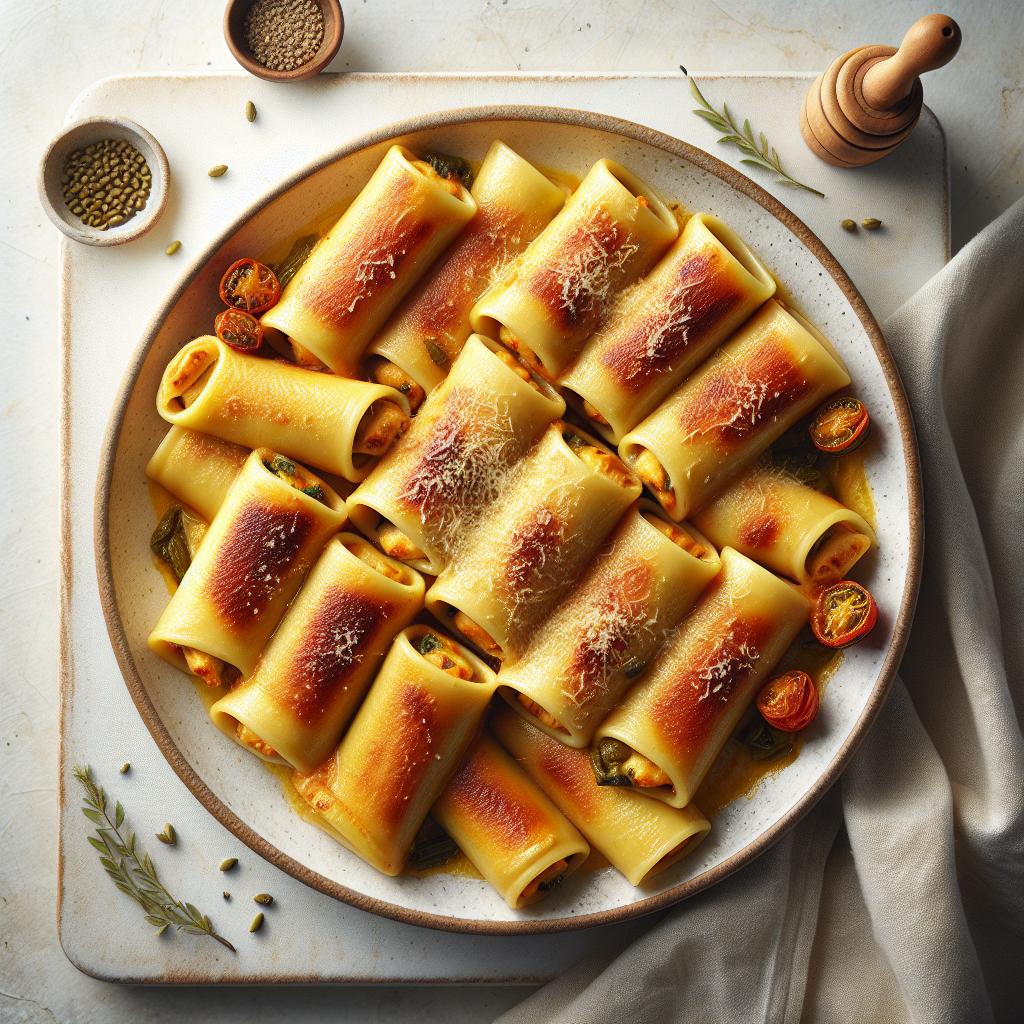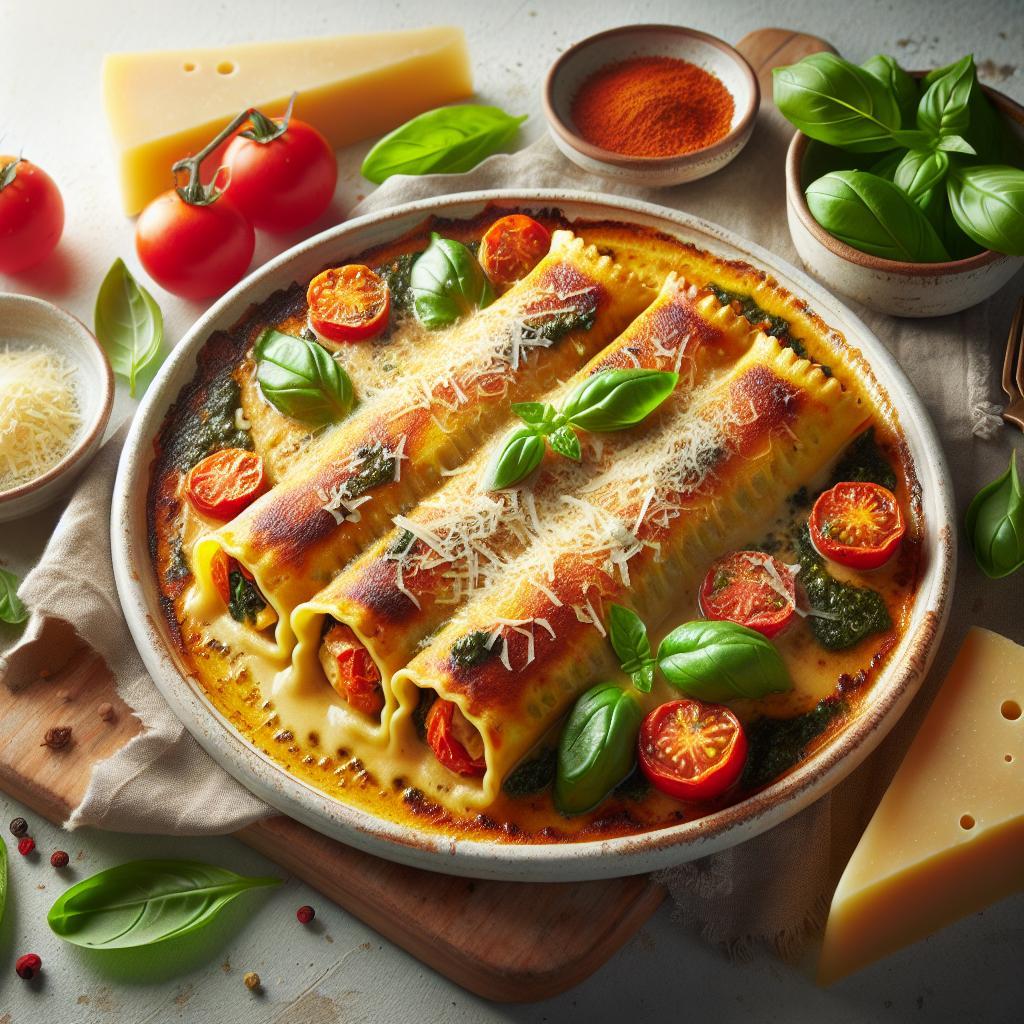

Step into the warm, inviting world of Italian cuisine where every bite tells a story of tradition, passion, and flavor. “Baked Manicotti Mastery: Your Ultimate Italian Guide” is your passport to mastering one of Italy’s most beloved pasta dishes – a luscious, cheese-filled marvel baked to perfection. Whether you’re a kitchen novice or a seasoned cook craving new inspiration, this guide unravels the secrets behind silky pasta tubes, rich ricotta fillings, and savory tomato sauces. Prepare to transform simple ingredients into a comforting feast that captures the heart of Italy, one baked manicotti at a time. Join us on this flavorful journey and become the maestro of your very own Italian masterpiece.
Baked Manicotti Mastery beckons you to savor an authentic Italian culinary delight crafted with finesse. This dish, a radiant celebration of delicate pasta tubes enveloped in a luscious ricotta blend and kissed by savory sauce, embodies both tradition and comfort. Originating from Italy’s coastal regions, manicotti showcases a harmony of texture and flavor that tantalizes the senses, making every bite a feast worthy of sharing.
Prep and Cook Time
Preparation: 25 minutes
Cooking: 35 minutes
Total: 60 minutes
Yield
Serves 6 generously
Difficulty Level
Medium – perfect for home cooks looking to elevate their Italian repertoire
Ingredients
- 12 manicotti shells (uncooked)
- 2 cups whole milk ricotta cheese
- 1 cup shredded mozzarella cheese
- ¼ cup grated Parmesan cheese
- 1 large egg
- 2 tablespoons fresh parsley, finely chopped
- 1 tablespoon fresh basil, chopped
- ½ teaspoon garlic powder
- Salt and freshly ground black pepper, to taste
- 3 cups marinara sauce (homemade or high-quality store-bought)
- Olive oil, for greasing
- Fresh basil leaves and extra Parmesan, for garnish
Instructions
- Prepare the shells: Preheat your oven to 350°F (175°C). Lightly grease a large baking dish with olive oil. Bring a large pot of salted water to a boil. Gently add the manicotti shells and cook until just al dente, about 6-7 minutes. Be careful not to overcook; they should retain some firmness. Drain and rinse with cold water to stop cooking. Lay shells on a parchment-lined tray to avoid sticking.
- Craft the ricotta filling blend: In a mixing bowl, combine ricotta, mozzarella, Parmesan, egg, parsley, basil, garlic powder, salt, and pepper. Stir until smooth and evenly mixed. Taste and adjust seasoning if needed to ensure the filling sings with flavor.
- Fill the shells: Using a small spoon or piping bag, carefully stuff each shell with the ricotta mixture. Take care to fill without tearing to preserve the shell’s shape and texture.
- Select and prepare the sauce: Pour a little marinara sauce into the bottom of the baking dish, spreading evenly. Nestle the filled shells in a single layer. Then spoon remaining marinara generously over the manicotti, ensuring each shell is bathed in sauce.
- Bake to perfection: Cover the dish loosely with aluminum foil and bake for 25 minutes. Remove the foil and continue baking for 10-15 minutes until the sauce bubbles and the tops turn a perfect golden brown. For an even more sumptuous finish, broil for 2-3 minutes, watching closely to prevent burning.
- Rest and garnish: Let the manicotti rest for 5-7 minutes once out of the oven to allow the flavors to meld and the filling to set. Garnish with fresh basil leaves and a dusting of Parmesan to elevate visual appeal and freshness.
Tips for Achieving the Perfect Golden Brown Finish
For that coveted golden crust, always introduce the broiling step at the end with care. A light brush of olive oil or a sprinkle of extra Parmesan can help create a gorgeous sheen and deeper flavor. Using a high-humidity environment inside the oven during baking, by placing a shallow pan of water below the baking dish, also helps maintain moist, tender shells beneath the crisped top.
Chef’s Notes
- Ricotta Variations: Blend part whole-milk ricotta with creamy mascarpone for an ultra-lush filling. For a leaner option, use part-skim ricotta but add a tablespoon of olive oil for silkiness.
- Shell Substitutions: If fresh manicotti pasta isn’t available, large cannelloni tubes or pre-cooked jumbo pasta shells can be excellent alternatives.
- Make-Ahead: Prepare and stuff the shells a day ahead, keep covered tightly in the fridge, then bake just before serving. This deepens flavors and streamlines mealtime.
- Extra Flavor Boost: Mixing a touch of nutmeg into the filling awakens its creaminess, while a splash of good quality balsamic vinegar folded into the marinara enriches the sauce’s complexity.
Serving Suggestions
Present this dish with a crisp green salad tossed in lemon vinaigrette and rustic garlic bread for a complete Italian-inspired dinner. A sprinkle of fresh basil leaves and shaved Parmesan not only brightens the palate but adds a vibrant contrast to the rich, cheesy melted center. For wine pairings, a medium-bodied Chianti or a soft Sangiovese complements these comforting flavors superbly.
| Nutrition (per serving) | Calories | Protein | Carbs | Fat |
|---|---|---|---|---|
| Manicotti with Ricotta Filling and Marinara Sauce | 420 kcal | 22 g | 38 g | 18 g |

For inspiration on other Italian favorites to serve alongside, explore our Classic Italian Pasta Dishes article. To deepen your understanding of pasta origins, visit Italy Magazine’s Pasta History.
Q&A
Q&A: Baked Manicotti Mastery – Your Ultimate Italian Guide
Q1: What exactly is manicotti, and how does it differ from other stuffed pastas like cannelloni?
A: Manicotti are large, tube-shaped pasta shells typically filled with a rich mixture of ricotta, mozzarella, and Parmesan cheeses, often combined with spinach or ground meat. While very similar to cannelloni, which is also tube-shaped and stuffed, manicotti tend to have slightly ridged edges and a classic Italian-American flair. Both delight in baked glory, but manicotti often embraces a heartier, cheesier identity.
Q2: What are the essential ingredients to make authentic baked manicotti?
A: The heart of baked manicotti lies in its luscious filling of ricotta cheese, fresh mozzarella, Parmesan, and herbs like basil and parsley. Many traditional recipes include sautéed spinach or ground beef for texture and depth. Don’t forget a robust tomato sauce-either homemade or a quality store-bought marinara-to blanket the pasta tubes in saucy warmth before baking.
Q3: How do you prepare the pasta shells to prevent them from sticking or breaking?
A: Fresh or dried manicotti shells should be boiled just until al dente. Overcooking risks mushy tubes that tear when filling. A gentle rinse under cold water stops the cooking and reduces stickiness. If fresh pasta is used, it might not need pre-cooking. Handle the shells with care during filling, and use a piping bag or spoon to fill without tearing.
Q4: Can manicotti be made ahead of time and frozen?
A: Absolutely! Manicotti freezes beautifully. After filling the shells and placing them in the baking dish with sauce, cover tightly and freeze. When ready to bake, thaw overnight in the fridge and bake as usual. This makes manicotti an ideal make-ahead meal for busy nights craving Italian comfort.
Q5: What are some tasty variations of baked manicotti to try?
A: Beyond the classic cheese and spinach, consider adding sautéed mushrooms, Italian sausage, or even a hint of nutmeg and garlic to the filling for extra warmth. For a vegetarian twist, roasted vegetables like zucchini and peppers make excellent additions. Some adventurous cooks swap tomato sauce for a creamy béchamel or pesto drizzle for a fresh, herbaceous punch.
Q6: How do you achieve the perfect baked manicotti topping?
A: The crowning glory is a generous layer of shredded mozzarella and Parmesan sprinkled on top. This cheese melts and browns beautifully in the oven, forming a bubbly, golden crust. For an extra touch, sprinkle with fresh basil or a drizzle of good olive oil after baking to heighten aroma and flavor.
Q7: What’s the ideal bake time and temperature for manicotti?
A: Generally, bake manicotti in a preheated oven at 350°F (175°C) for about 30-35 minutes, until the cheese is melted and the sauce is simmering around the edges. Covering the dish with foil for the first 20 minutes helps keep moisture and heat in, preventing the pasta from drying out. Uncover at the end to allow the cheese to brown to perfection.
Q8: How do you serve baked manicotti for an authentic Italian experience?
A: Serve baked manicotti hot, straight from the oven, ideally accompanied by a crisp green salad dressed lightly with lemon and olive oil, and crusty garlic bread to soak up the sauce. A glass of Chianti or your favorite Italian red wine elevates the meal into a true trattoria-style feast.
Q9: What common mistakes should be avoided when making baked manicotti?
A: Avoid overfilling the pasta shells, which can cause them to break during baking. Don’t skimp on sauce-it keeps manicotti moist and flavorful. Overcooking the pasta before filling often leads to mushiness, so timing is crucial. Lastly, be patient while baking to let flavors meld; rushing the process may yield a lukewarm, undercooked center.
Q10: Why is baked manicotti considered a comfort food staple in Italian cuisine?
A: Baked manicotti embodies warmth, richness, and a sense of home. Its layers of creamy cheese, savory sauce, and tender pasta offer a comforting embrace synonymous with Italian hospitality. Each bite tells a story of tradition, family gatherings, and the joy of slow-cooked meals made with love-a timeless Italian ritual that invites everyone to the table.
In Conclusion
As you close the oven door on your perfectly baked manicotti, remember that this timeless Italian classic is more than just a dish-it’s a celebration of tradition, creativity, and the joy of sharing good food. With the techniques and tips you’ve gathered, mastering baked manicotti is no longer a culinary dream but a delicious reality within your grasp. So, roll up your sleeves, embrace the art of layering rich cheeses, velvety sauces, and tender pasta, and let every bite transport you to the sun-drenched hills of Italy. Buon appetito-your ultimate Italian masterpiece awaits!