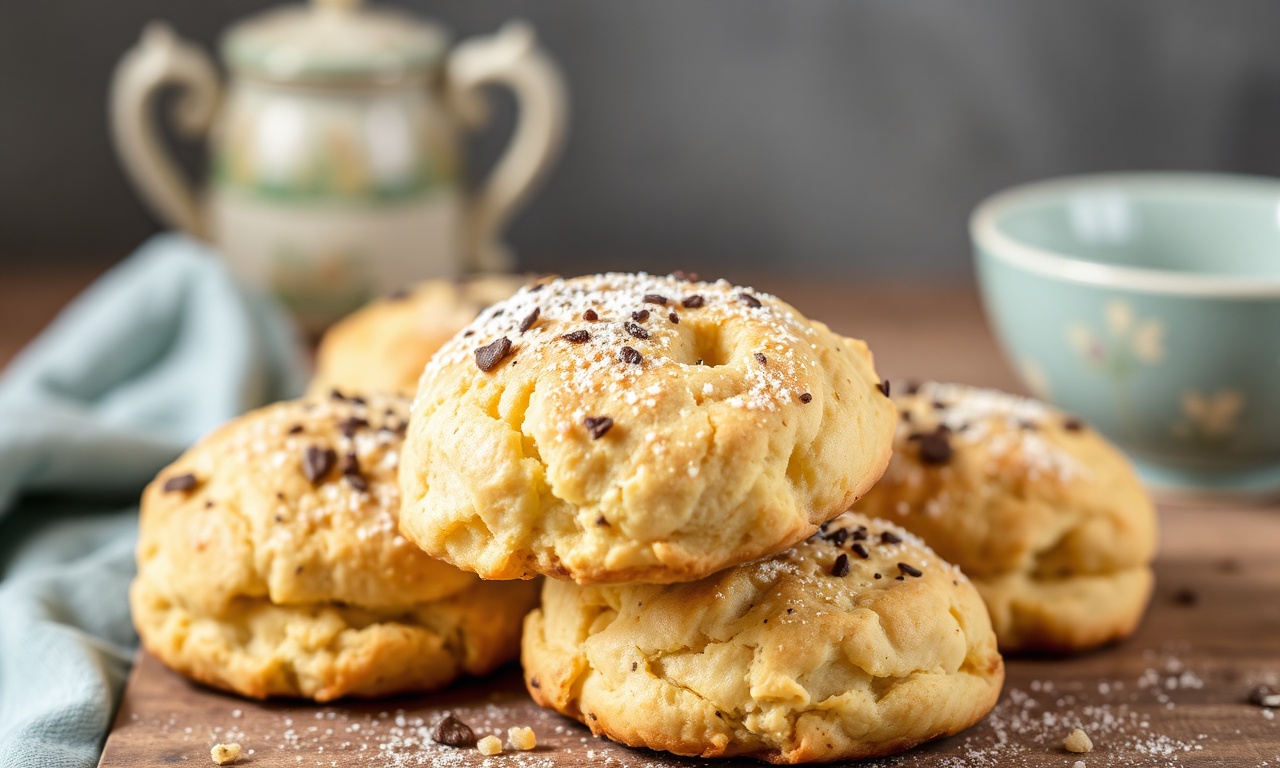

“The joy of baking is in the sharing, and in creating something that brings comfort and delight to others. For those navigating gluten-free living, this joy should never be diminished.” – Chef Anya Sharma
The humble tea scone, a cornerstone of afternoon tea traditions and a comforting staple for morning repasts, presents a unique challenge for the gluten-free baker. Achieving that delicate crumb, tender interior, and signature buttery flakiness, qualities often intrinsically linked to gluten, is not only possible without it but remarkably achievable. This comprehensive guide will demystify the process, transforming gluten-free baking from a hesitant experiment into a confident endeavor, yielding scones that rival their conventional counterparts in taste, texture, and sheer delight.
“Mastering gluten-free scones isn’t about imitation; it’s about innovation. It’s about understanding the fundamental principles of baking and applying them with a thoughtful selection of gluten-free ingredients to achieve a texture and flavor that stands proudly on its own.”
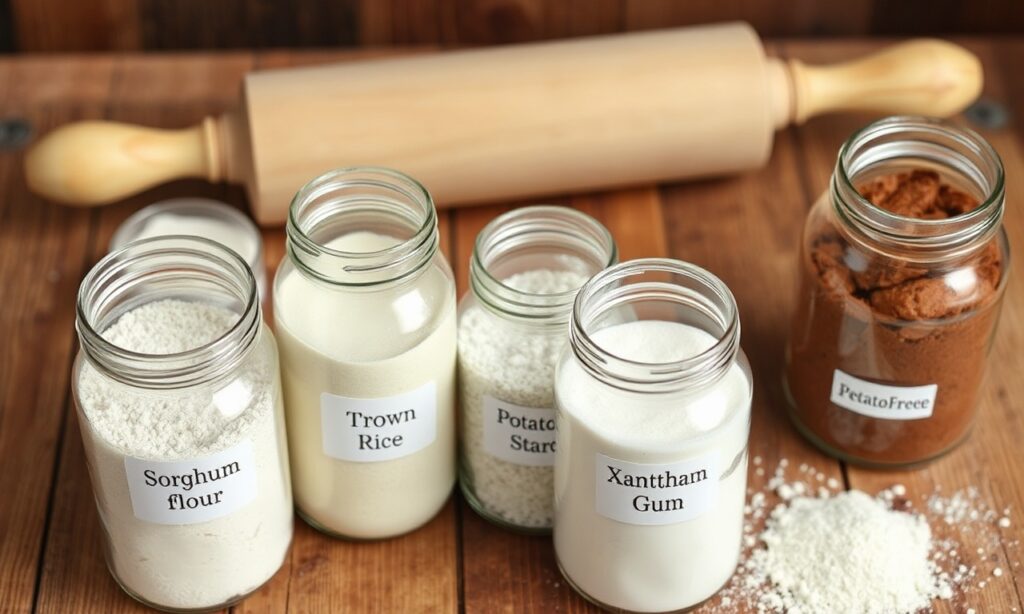
At the heart of any successful gluten-free bake lies the flour blend. Unlike wheat flour, which contains gluten proteins that form a cohesive network when hydrated and agitated, gluten-free flours are a diverse collection of starches and proteins that behave differently. The key to mimicking gluten’s binding and structural properties is not a single flour, but a carefully balanced blend.
A common and effective approach involves combining a base flour, a starch, and a binder. Sorghum flour or brown rice flour often serve as excellent bases, providing a neutral flavor and good structure. Tapioca starch or potato starch contribute lightness and a tender crumb, while cornstarch can add a delicate crispness. However, the true magic often lies in the addition of a binder. Xanthan gum is the most ubiquitous gluten-free binder, acting as a crucial emulsifier and stabilizer, preventing the crumb from being too crumbly or dry. Without it, gluten-free baked goods can fall apart easily. According to recent research, xanthan gum is essential for providing elasticity and moisture retention in gluten-free products.
The precise ratio of these components is paramount. Too much starch can lead to a fragile, crumbly scone, while too little can result in a dense, heavy bake.
Beyond the flour blend, several other ingredients play pivotal roles in achieving that coveted buttery texture and rich flavor.
- Fat: The type and temperature of the fat are critical. Unsalted butter, chilled and cut into small cubes, is the traditional choice for scones, and for good reason. As the butter melts in the oven, it creates steam, which lifts the dough and separates layers, forming those characteristic flaky strata. Cold butter is non-negotiable; it needs to remain solid until it hits the heat to achieve this effect. Some recipes might incorporate a small amount of shortening for added tenderness, but butter provides unparalleled flavor.
- Liquid: Milk or buttermilk are standard. Buttermilk, with its slight acidity, reacts with baking soda to provide an extra lift and a wonderfully tender crumb. The liquid should be cold, just like the butter, to maintain the dough’s temperature and prevent the butter from melting prematurely.
- Leavening Agents: A combination of baking powder and baking soda is typically used. Baking powder provides a double action lift, while baking soda, activated by an acidic ingredient like buttermilk, contributes to browning and a finer crumb.
- Sweetener: Granulated sugar or superfine sugar is generally preferred for its ability to dissolve easily and contribute to a tender texture. The sweetness should be subtle, allowing the buttery notes to shine.
- Salt: Essential for balancing sweetness and enhancing the overall flavor profile.
The process of bringing these ingredients together is as crucial as their selection. Overworking gluten-free dough can lead to toughness, a misconception often carried over from gluten-containing baking. In reality, while gluten doesn’t develop, overmixing can still break down the delicate starches and lead to a less-than-ideal texture.
The mantra for gluten-free scone dough is “gentle and swift.”
- Combine Dry Ingredients: In a large mixing bowl, whisk together your chosen gluten-free flour blend, sugar, baking powder, baking soda, and salt. Ensure everything is thoroughly combined to distribute the leavening agents evenly.
- Incorporate Cold Butter: Add the chilled, cubed butter to the dry ingredients. Using a pastry blender, your fingertips, or a food processor on pulse mode, cut the butter into the flour mixture until it resembles coarse crumbs with some pea-sized pieces of butter remaining. These larger pieces are vital for creating flaky layers.
- Add Wet Ingredients: Create a well in the center of the dry ingredients. Pour in the cold milk or buttermilk. Gently mix with a fork or spatula until *just* combined. The dough will be shaggy and slightly sticky. It is imperative not to overmix here; stop as soon as no dry flour remains.
- Turn Out and Pat: Lightly flour a clean work surface with a bit of your gluten-free flour blend. Turn the dough out onto the surface. Gently pat the dough into a rough disc, about 3/4 to 1 inch thick. Avoid excessive kneading or rolling.
- Cut the Scones: Use a sharp knife or a floured biscuit cutter to cut the dough into desired shapes. For wedges, cut the disc into 6 or 8 equal pieces. For rounds, use a floured cutter and press straight down without twisting, which can seal the edges and hinder rising. Re-pat any scraps only once, very gently, to minimize toughness.
- Bake: Arrange the scones on a baking sheet lined with parchment paper, leaving a little space between them. For an extra sheen and golden crust, you can brush the tops with a little milk or an egg wash. Bake in a preheated oven at 400°F (200°C) for 12-18 minutes, or until golden brown and puffed.
Understanding how gluten-free scones achieve their lift is key to troubleshooting and achieving consistent results. In traditional baking, gluten forms a protein matrix that traps the gases produced by leavening agents (yeast or chemical leaveners) and steam from baking. This matrix expands, causing the dough to rise.
In gluten-free baking, we rely on a combination of factors:
- Chemical Leaveners: Baking powder and baking soda are the primary drivers. Baking powder contains both an acid and a base that react when exposed to moisture and heat, releasing carbon dioxide gas. Baking soda requires an acid (like buttermilk or cream of tartar) to produce carbon dioxide.
- Steam: The water content in the dough evaporates rapidly in a hot oven, turning into steam. This steam expands within the dough, creating pockets and contributing significantly to the rise. The solid pieces of butter in the dough melt, leaving behind air pockets that the steam can fill.
- Binders: As mentioned, xanthan gum (or psyllium husk, agar-agar) is critical. It mimics gluten’s ability to bind ingredients and create a more cohesive structure that can hold onto the expanding gases and steam, preventing the scone from collapsing. Research suggests that hydrocolloids like xanthan gum improve the texture and volume of gluten-free baked goods by creating a more stable network.
- Egg (Optional): Some recipes include an egg, which acts as a binder and contributes to richness and structure, though many excellent gluten-free scones are egg-free.
Even with the best intentions, gluten-free baking can present unique challenges. Here are some common issues and their solutions:
- Dry and Crumbly: This is often due to an unbalanced flour blend, too much flour added during shaping, or insufficient fat or liquid. Ensure your flour blend has adequate starch and a good binder. Measure flour by weight rather than volume for accuracy.
- Dense and Heavy: Overmixing is a common culprit. Gentle handling is paramount. Also, ensure your leavening agents are fresh and active. Old baking powder or soda will significantly impact the rise.
- Gummy Texture: This can occur if the dough is too wet and not baked long enough, or if there’s too much starch relative to protein in the flour blend. Ensure you’re following the recipe for liquid amounts and baking until a skewer inserted into the center comes out clean.
- Lack of Flakiness: Insufficient cold butter or overworking the dough can prevent the formation of flaky layers. Remember to keep everything cold and handle the dough minimally.
To truly elevate your gluten-free tea scones from good to extraordinary, consider these expert touches:
- Flavor Infusions: Incorporate finely grated citrus zest (lemon, orange, or lime) into the dry ingredients for a bright, aromatic note. Dried fruits like cranberries, blueberries, or currants can be gently folded in at the last stage of mixing. A pinch of cardamom or nutmeg can add warmth.
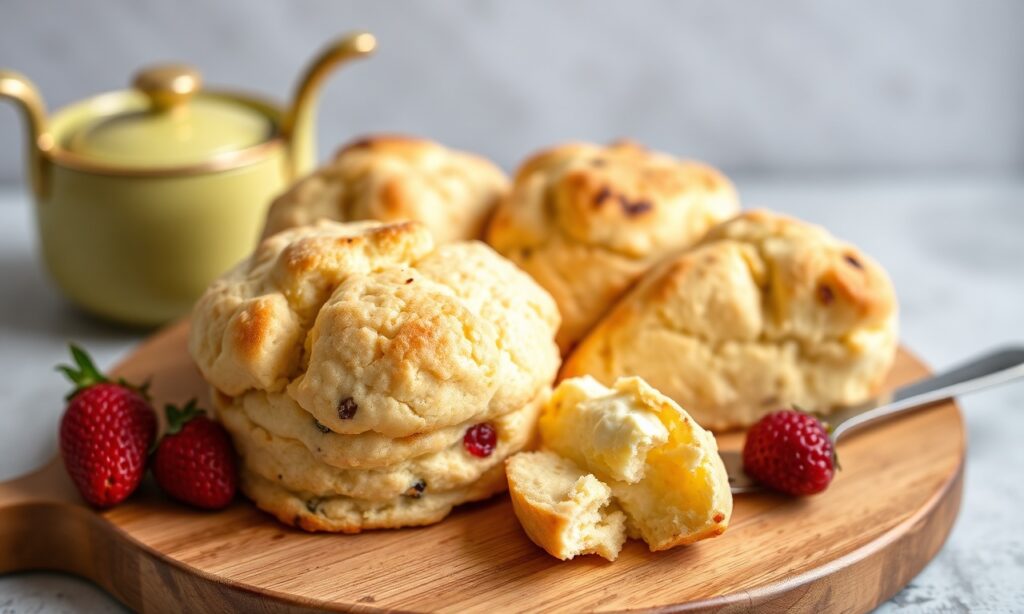
- Cream Tea Tradition: Serve your scones warm with clotted cream and high-quality fruit preserves. The combination of warm, tender scone, rich cream, and sweet jam is a timeless delight.
- Savory Variations: For a savory twist, omit the sugar entirely. Add finely chopped herbs like chives, rosemary, or thyme, and a generous amount of grated hard cheese (like cheddar or Gruyère) to the dry ingredients. A pinch of black pepper can enhance the savory notes.
- The “Scone Wash”: A simple milk or egg wash brushed on top before baking not only lends a beautiful golden sheen but also helps create a slightly crispier crust. For an even richer finish, a simple glaze made from powdered sugar and a touch of milk or lemon juice can be drizzled over cooled scones.
While specific nutritional values vary based on the exact ingredients and portion size, a typical gluten-free scone (without added fruit or cheese) can be estimated. For a single scone (approximately 60-70g), you might expect:
- Calories: 200-280 kcal
- Fat: 10-15g (largely from butter)
- Saturated Fat: 6-9g
- Carbohydrates: 25-35g
- Sugar: 5-10g (depending on added sugar)
- Protein: 2-4g
- Fiber: 1-3g (this can vary significantly based on the gluten-free flour blend)
Keep in mind that while gluten-free diets are necessary for some, they are not inherently healthier for everyone. The focus here is on achieving a delicious outcome for those who require or choose gluten-free options. For precise nutritional information, it’s best to use a reliable online recipe calculator with your specific ingredient measurements.
The journey to perfect gluten-free tea scones is one of understanding, patience, and a willingness to experiment. By embracing the unique properties of gluten-free flours, mastering gentle dough handling, and paying attention to ingredient temperatures, you can create scones that are not just a substitute, but a delightful destination in themselves. They are proof of the fact that dietary restrictions need not mean a compromise on taste or tradition, offering a moment of buttery bliss that everyone can enjoy.
Frequently Asked Questions
What is the best gluten-free flour blend for scones?
The best gluten-free flour blends for scones typically combine a primary flour like sorghum or brown rice with starches such as tapioca starch, potato starch, or cornstarch, and a binder like xanthan gum. A common ratio might be 2 parts base flour to 1 part starch, with about 1 teaspoon of xanthan gum per cup of flour blend. Pre-made gluten-free all-purpose flour blends designed for baking can also work well, provided they contain xanthan gum.
Can I make gluten-free scones without xanthan gum?
While possible, it’s challenging to achieve a good texture without a binder. If you must omit xanthan gum, consider using psyllium husk powder or a combination of ground flaxseed or chia seeds (mixed with water to form a gel) as alternatives, though these may slightly alter the flavor and texture. You will likely need to adjust liquid quantities as well.
Why are my gluten-free scones tough?
Toughness in gluten-free scones can stem from overmixing the dough, even without gluten development. The starches can break down, leading to a dense texture. Additionally, using too much flour when shaping or overworking the dough scraps can contribute to toughness. Handle the dough as little as possible.
How can I make my gluten-free scones fluffier?
Ensure your leavening agents (baking powder and baking soda) are fresh. Using cold butter and cold liquid, and incorporating them gently, will help create pockets of steam and fat that lead to fluffiness. Don’t overmix the dough, and consider patting the dough to about ¾ to 1 inch thickness before cutting. A higher oven temperature (around 400°F or 200°C) also encourages a good rise.
What is the difference between a scone and a biscuit?
While both are quick breads often made with similar ingredients, scones are typically richer, with more fat (butter) and often eggs and sugar, leading to a slightly sweeter, more tender, and often cakier texture. Biscuits are generally less sweet, can be made with a wider variety of fats (including shortening), and are often made with buttermilk for a tender, flaky, layered texture that can be slightly denser than a scone. The distinction can be subtle and regional.
See also: Gluten