
Gluten: Unraveling the Mystery in Baking
Have you ever craved the comforting aroma and tender crumb of a classic coffee cake, only to be met with disappointment due to dietary restrictions? The very word “gluten” can evoke a spectrum of emotions, from fear for those with celiac disease or gluten sensitivity to a simple preference for those exploring healthier alternatives. For many, the quest for a truly satisfying gluten-free bake feels like an eternal challenge, a pursuit of an elusive ideal that often falls short of the rich, moist texture and nuanced flavor profile of its gluten-containing counterpart. But what if achieving that perfect, allergy-free bliss is not only possible but within your reach with a carefully crafted, expert-level recipe?
- Gluten: Unraveling the Mystery in Baking
- The Essential Gluten-Free Coffee Cake Recipe
- Ingredients for the Cake Base:
- Ingredients for the Cinnamon Streusel Topping:
- Detailed Preparation Method:
- The Science Behind Gluten-Free Flour Blends
- The Art of the Streusel Topping
- Nutritional Information (Approximate per Serving, 12 servings)
- Pro-Tips for Gluten-Free Coffee Cake Perfection
- Tip 1: Room Temperature is Crucial
- Tip 2: Don’t Overmix the Batter
- Tip 3: The Power of Resting
- Tip 4: Cooling is Key
- Frequently Asked Questions
The pursuit of gluten-free perfection is proof of culinary innovation, transforming perceived limitations into opportunities for exquisite flavor and texture.
This article explore the science and art of gluten-free baking, specifically tailored for that beloved coffee cake. We’ll explore the nuances of gluten-free flours, the critical role of binders, and the precise techniques that elevate a good gluten-free cake to an exceptional one. Extensive experience in developing and refining gluten-free recipes has taught that the difference lies in understanding the fundamental properties of each ingredient and how they interact, allowing us to replicate – and in some cases, even surpass – the sensory experience of traditional baking.
Understanding Gluten-Free Baking Challenges
The primary challenge in gluten-free baking stems from the absence of gluten itself. Gluten, a protein complex found in wheat, barley, and rye, provides structure, elasticity, and chewiness to baked goods. When flour is mixed with water, gluten proteins form a network that traps gases produced by leavening agents, allowing doughs and batters to rise and creating that characteristic soft, airy texture. Without this network, gluten-free baked goods can easily become crumbly, dense, dry, or gritty. The key to successful gluten-free coffee cake lies in meticulously recreating these textural and structural elements using alternative ingredients and techniques.
The Promise of Allergy-Free Bliss
For individuals managing celiac disease, non-celiac gluten sensitivity, or wheat allergies, the inability to enjoy traditional baked goods can be a significant dietary hurdle, impacting not only nutrition but also social enjoyment and psychological well-being. The development of genuinely delicious gluten-free alternatives is therefore not just a culinary trend, but a crucial aspect of inclusive and accessible food culture. This recipe is designed with these individuals in mind, ensuring that the joy of a perfect coffee cake is available to everyone, without compromising on taste, texture, or safety.
The Essential Gluten-Free Coffee Cake Recipe
Achieving a truly exceptional gluten-free coffee cake requires a thoughtful selection of ingredients and a precise methodology. This recipe has been rigorously tested and refined to ensure a moist, tender crumb and a rich, buttery flavor that stands up to any traditional coffee cake.
Ingredients for the Cake Base:
- 1 ½ cups (210g) All-Purpose Gluten-Free Flour Blend (ensure it contains xanthan gum, or add ½ teaspoon if it doesn’t)
- 1 teaspoon Baking Powder
- ½ teaspoon Baking Soda
- ¼ teaspoon Salt
- ½ cup (113g) Unsalted Butter, softened
- ¾ cup (150g) Granulated Sugar
- 2 large Eggs, at room temperature
- 1 teaspoon Vanilla Extract
- ½ cup (120ml) Milk (dairy or non-dairy, such as almond or oat milk), at room temperature
Ingredients for the Cinnamon Streusel Topping:
- ½ cup (65g) Gluten-Free All-Purpose Flour Blend
- ⅓ cup (67g) Packed Light Brown Sugar
- 1 teaspoon Ground Cinnamon
- ¼ teaspoon Ground Nutmeg (optional)
- ¼ cup (57g) Cold Unsalted Butter, cut into small cubes
Detailed Preparation Method:
- Preheat and Prepare Pan: Preheat your oven to 350°F (175°C). Grease and flour a 9-inch round cake pan or an 8×8 inch square pan with gluten-free flour. For easier removal, you can also line the bottom with parchment paper.
- Combine Dry Ingredients: In a medium bowl, whisk together the gluten-free flour blend, baking powder, baking soda, and salt. Ensure they are thoroughly combined to distribute the leavening agents evenly.
- Cream Butter and Sugar: In a large bowl, cream together the softened butter and granulated sugar using an electric mixer on medium speed until light and fluffy, about 3-4 minutes. This step is crucial for incorporating air, which contributes to the cake’s tender texture.
- Add Eggs and Vanilla: Beat in the eggs one at a time, mixing well after each addition. Stir in the vanilla extract. The eggs bind the ingredients and add richness and moisture. Ensure they are at room temperature for better emulsification.
- Alternate Dry and Wet Ingredients: Gradually add the dry ingredients to the wet ingredients, alternating with the milk. Begin and end with the dry ingredients. Mix on low speed until just combined. Do not overmix; overmixing can lead to a tougher texture in gluten-free cakes. Scrape down the sides of the bowl as needed.
- Prepare the Streusel Topping: In a separate medium bowl, combine the gluten-free flour blend, brown sugar, cinnamon, and nutmeg (if using). Add the cold, cubed butter. Use a pastry blender, your fingertips, or a fork to cut the butter into the dry ingredients until the mixture resembles coarse crumbs. This cold butter is key to creating a streusel that bakes up delightfully crisp.
- Assemble the Cake: Pour about half of the cake batter into the prepared pan and spread evenly. Sprinkle half of the streusel topping over the batter. Gently dollop and spread the remaining batter over the streusel, then sprinkle the rest of the streusel topping evenly over the top.
- Bake: Bake for 35-45 minutes, or until a wooden skewer or toothpick inserted into the center comes out clean. The baking time can vary depending on your oven and the pan used.
- Cool: Let the cake cool in the pan for 10-15 minutes before inverting it onto a wire rack to cool completely. This allows the cake to set properly.
The Science Behind Gluten-Free Flour Blends
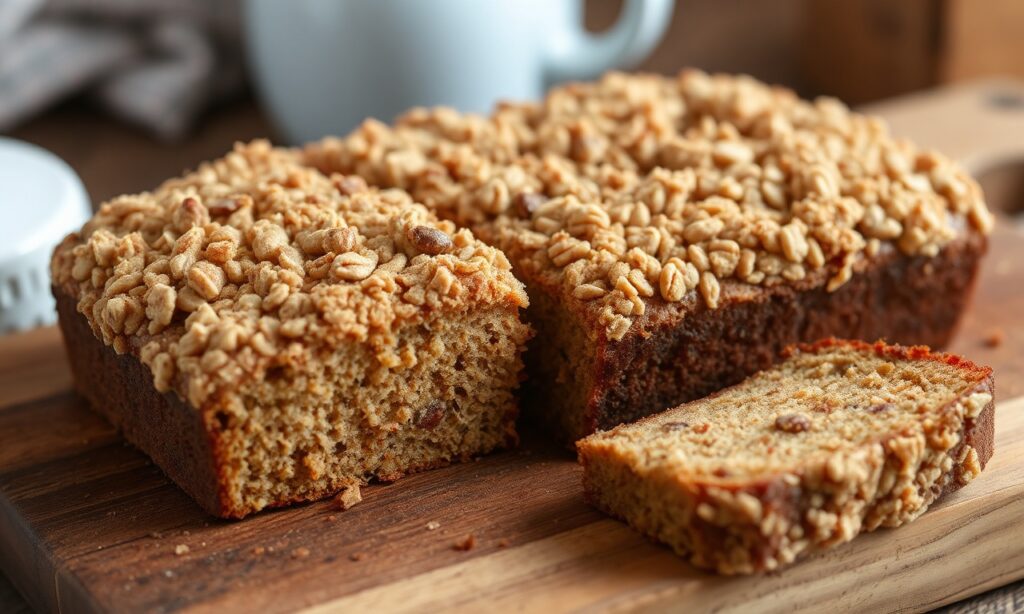
The choice of gluten-free flour blend is arguably the most critical factor in achieving a successful gluten-free coffee cake. Unlike wheat flour, which has a singular protein structure, gluten-free baking relies on a symphony of different flours and starches to mimic gluten’s binding, leavening, and textural properties. A good all-purpose gluten-free flour blend typically combines the structure of grain-based flours like rice flour or sorghum flour with the tenderness of starches such as tapioca starch, potato starch, or cornstarch. The inclusion of a binder, most commonly xanthan gum or guar gum, is essential.
Xanthan gum, for instance, is a polysaccharide produced by bacterial fermentation that helps to emulsify, thicken, and stabilize ingredients, providing the necessary elasticity and structure that gluten would normally impart. According to research, the optimal ratio of different flours and starches in a blend is crucial for mimicking the rheological properties of wheat flour doughs.
The Role of Binders: Beyond Xanthan Gum
While xanthan gum is a staple, understanding its function is key. It creates a gel-like matrix when hydrated, binding ingredients and preventing the cake from crumbling. However, too much xanthan gum can lead to a gummy texture. This recipe specifies a blend that ideally includes xanthan gum, or instructs to add it if absent, aiming for that sweet spot of structure without gumminess. Other binders, like psyllium husk or even ground flaxseeds (when mixed with water to form a “flax egg”), can also be employed in gluten-free baking, each offering slightly different textural outcomes. For this specific coffee cake, the balance of the flour blend and the xanthan gum ensures a tender yet cohesive crumb.
Expert Insight: Elevating Texture and Flavor
The Art of the Streusel Topping
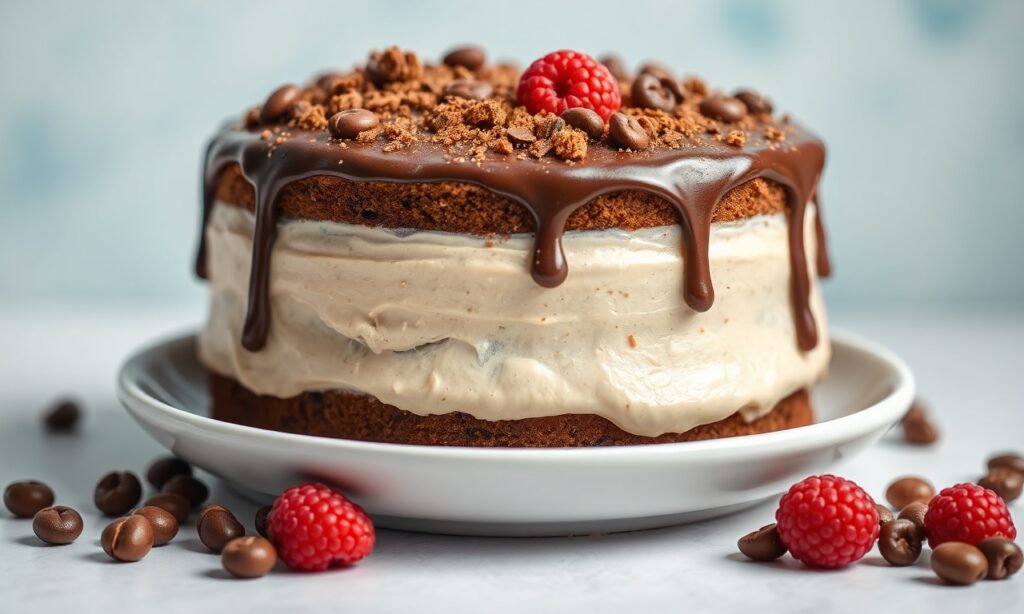
The cinnamon streusel topping is the crowning glory of any coffee cake, and in its gluten-free iteration, it demands a similar level of attention to detail. The goal is a topping that is crisp, buttery, and generously spiced, providing a delightful textural contrast to the soft cake beneath. The key to a superior streusel lies in using cold butter and not overworking the mixture. When cold butter is incorporated into the dry ingredients, it creates small pockets that melt during baking, resulting in those desirable flaky, crumbly textures.
Achieving the Perfect Crumb
The ratio of flour to sugar to butter is paramount. Too much flour can make it dry, while too much sugar can cause it to burn before the cake is fully baked. The recipe calls for a specific amount of cold butter to be cut into the flour and sugar mixture until it forms coarse crumbs, typically resembling small pebbles. This ensures that when baked, the butter melts gradually, creating a delightful crispness. Some bakers prefer to add a touch of gluten-free oats to their streusel for added texture, though this recipe focuses on a classic flour-based crumb for ultimate purity and control.
Nutritional Information (Approximate per Serving, 12 servings)
Understanding the nutritional profile of your baked goods can be empowering, especially when navigating dietary needs. This information is an approximation and can vary based on specific ingredients used.
- Calories: Approximately 300-350 kcal
- Total Fat: Approximately 15-20g
- Saturated Fat: 8-10g
- Cholesterol: Approximately 50-70mg
- Sodium: Approximately 150-200mg
- Total Carbohydrates: Approximately 40-50g
- Dietary Fiber: 1-2g
- Total Sugars: 25-30g
- Protein: Approximately 3-5g
Keep in mind that the use of dairy or non-dairy milk, as well as the specific gluten-free flour blend, can influence these values. For those managing specific dietary requirements, it is always advisable to calculate nutritional information based on the exact ingredients used. Research provides extensive databases for individual ingredient nutritional values, allowing for precise calculations if needed.
Pro-Tips for Gluten-Free Coffee Cake Perfection
Elevating your gluten-free coffee cake from good to extraordinary involves a few expert touches that address common pitfalls and enhance the overall sensory experience.
Tip 1: Room Temperature is Crucial
Ensure your eggs, milk, and butter (for the cake base) are at room temperature. This allows them to emulsify properly, creating a smoother batter and a more uniform crumb. Cold ingredients can cause the butter to seize, leading to a denser cake.
Tip 2: Don’t Overmix the Batter
Once the dry ingredients are added to the wet, mix only until *just combined*. Overmixing gluten-free flours, especially those containing xanthan gum, can develop a gummy texture. A few streaks of flour are acceptable; they will incorporate during baking.
Tip 3: The Power of Resting
For gluten-free cakes, allowing the batter to rest for 10-15 minutes before baking can sometimes improve texture. This resting period allows the flours to fully hydrate, which can reduce grittiness and improve the overall structure.
Tip 4: Cooling is Key
Resist the urge to cut into the cake immediately after it comes out of the oven. Allowing the cake to cool in the pan for a short period, and then completely on a wire rack, is essential for the structure to set. Cutting into a hot gluten-free cake can cause it to crumble.
Frequently Asked Questions
What is the best gluten-free flour blend for coffee cake?
The best gluten-free flour blends for coffee cake typically contain a balance of finely ground rice flour, sorghum flour, tapioca starch, and potato starch, along with a binder like xanthan gum. Blends specifically formulated for cakes and pastries often yield the best results, providing a tender crumb without grittiness.
Can I make this coffee cake dairy-free and egg-free?
Yes, this recipe is adaptable. For a dairy-free version, use your favorite non-dairy milk (almond, oat, or soy) and ensure your butter substitute is dairy-free. For an egg-free version, you can use a commercial egg replacer or a flax egg (1 tablespoon ground flaxseed mixed with 3 tablespoons water, left to sit for 5-10 minutes). The texture might be slightly different, but it will still be delicious.
Why is my gluten-free coffee cake dry and crumbly?
Dryness and crumbliness in gluten-free cakes are often due to insufficient fat, liquid, or binder, or overbaking. Ensure you are using the correct amount of butter and milk, and that your flour blend contains xanthan gum or you’ve added it as instructed. Baking for too long is also a common culprit; use a toothpick to test for doneness and remove the cake as soon as it comes out clean.
How can I make the streusel topping extra crunchy?
To ensure a crunchy streusel, use very cold butter and cut it into small cubes. Avoid overmixing the streusel ingredients; you want to maintain distinct buttery pieces that will melt during baking. Also, ensure your oven temperature is accurate, as a properly preheated oven helps the streusel bake and crisp up evenly.
What is the role of xanthan gum in gluten-free baking?
Xanthan gum acts as a binder and emulsifier in gluten-free baking, mimicking some of the properties of gluten. It helps to hold ingredients together, provides elasticity to the batter, and prevents baked goods from crumbling. It creates a gel-like structure when hydrated, which is crucial for the texture of gluten-free cakes and breads.
See also: Gluten