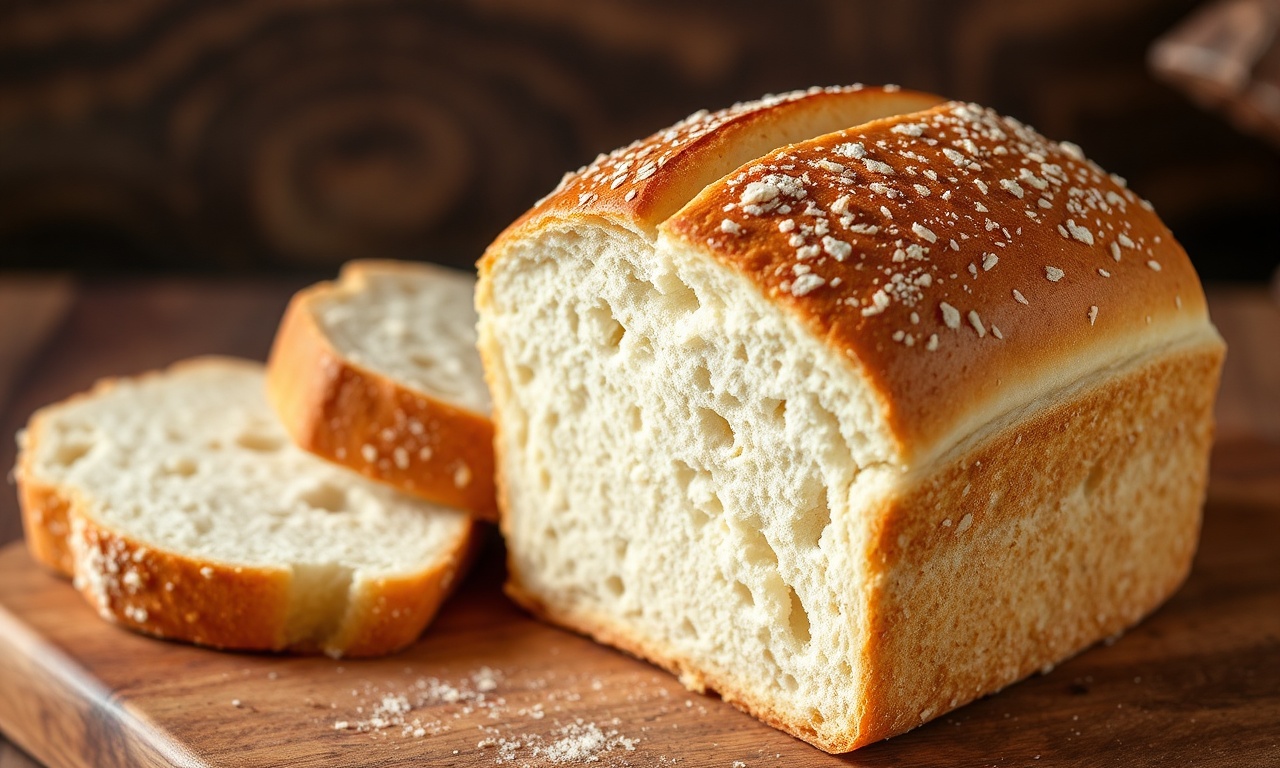

The aroma of freshly baked bread, with its comforting warmth and irresistible scent, is a sensory experience that transcends cultures and generations. For many, the pinnacle of this olfactory and gustatory delight is the perfect loaf of white bread – proof of simple ingredients transformed through skill and patience. Yet, achieving that ideal, cloud-like crumb, a tender yet resilient structure, and a delicate crust can feel like an elusive art. It’s a quest that has occupied bakers for centuries, a delicate dance between yeast, flour, water, and heat. This pursuit is often centered around the protein network that gives bread its characteristic chew and lift: gluten.
- White Gluten: The Cornerstone of Bread’s Structure
- Mastering the Hydration: The Key to a Tender Crumb
- The Art of Kneading: Developing White Gluten Strength
- Fermentation and Proofing: The Lifeblood of White Gluten Bread
- The Bake: Transforming Dough into Golden Perfection
- Troubleshooting Common White Gluten Bread Issues
- Expert Techniques for Elevating Your White Gluten Bread
- Conclusion: The Enduring Appeal of Perfect White Gluten Bread
- Frequently Asked Questions About White Gluten Bread
- The foundational element of perfect white bread texture lies in the meticulous development of its gluten network.
- Understanding the science behind hydration and fermentation unlocks the secrets to a light, airy crumb.
- Ingredient quality and precise technique are paramount, transforming simple components into a culinary masterpiece.
White Gluten: The Cornerstone of Bread’s Structure
At its heart, the magic of bread lies in gluten. When flour, typically wheat flour, is mixed with water, two proteins – gliadin and glutenin – begin to interact. Through kneading, these proteins align and form long, elastic strands, creating the gluten network. This network is crucial for trapping the carbon dioxide gas produced by yeast during fermentation. As the dough rises, these gas bubbles expand within the gluten structure, giving the bread its volume and airy texture. White gluten bread, in particular, relies on this network to achieve its signature softness and lightness, distinguishing it from denser whole-grain varieties.
The type of flour used is paramount; bread flour, with its higher protein content (typically 12-14%), is ideal for developing a strong gluten network necessary for a good rise and chewy texture. All-purpose flour can be used, but may result in a slightly softer, less structured crumb. The precise balance of hydration, kneading time, and fermentation temperature all play a critical role in optimizing this gluten matrix.
The development of gluten is not merely a mechanical process; it’s a chemical and physical transformation influenced by various factors. Research suggests that hydration levels dictate how easily gluten strands can form and stretch. Insufficient water results in a stiff dough that struggles to expand, while excessive water can lead to a weak network that collapses. Kneading provides the energy needed for gliadin and glutenin to cross-link, forming a cohesive and elastic dough. Over-kneading can break these bonds, leading to a tough bread, while under-kneading leaves the gluten underdeveloped, resulting in a dense, crumbly loaf. The enzymatic activity within the dough also contributes, breaking down starches into sugars that feed the yeast and also influencing gluten extensibility.
Mastering the Hydration: The Key to a Tender Crumb
Hydration, often expressed as a percentage of the flour’s weight, is arguably the most critical factor in achieving a tender and open crumb in white gluten bread. For a standard white loaf, baker’s percentages typically range from 60% to 75%. A lower hydration (around 60-65%) will yield a more manageable dough, easier to handle for beginners, and often results in a slightly denser but still pleasant crumb. As hydration increases, the dough becomes stickier and more challenging to work with, but the potential for a lighter, more open texture grows significantly.
This is because higher hydration allows for greater enzyme activity and better development of the gluten network, enabling it to trap more gas and expand more dramatically during proofing and baking.
Consider the difference between a sourdough boule made with 80% hydration and a basic sandwich loaf at 65%. The sourdough, with its higher water content and longer fermentation, will typically exhibit larger, irregular air pockets – an open crumb. The sandwich loaf, while still relying on gluten, is designed for consistency and ease of slicing, often benefiting from a slightly firmer crumb structure. For white gluten bread, striking a balance is key. A hydration level of around 68-72% is often the sweet spot, providing enough water for optimal gluten development and a soft crumb, while remaining manageable for most home bakers. This balance ensures that the bread is both delicious and structurally sound enough to be sliced and enjoyed.
The Art of Kneading: Developing White Gluten Strength
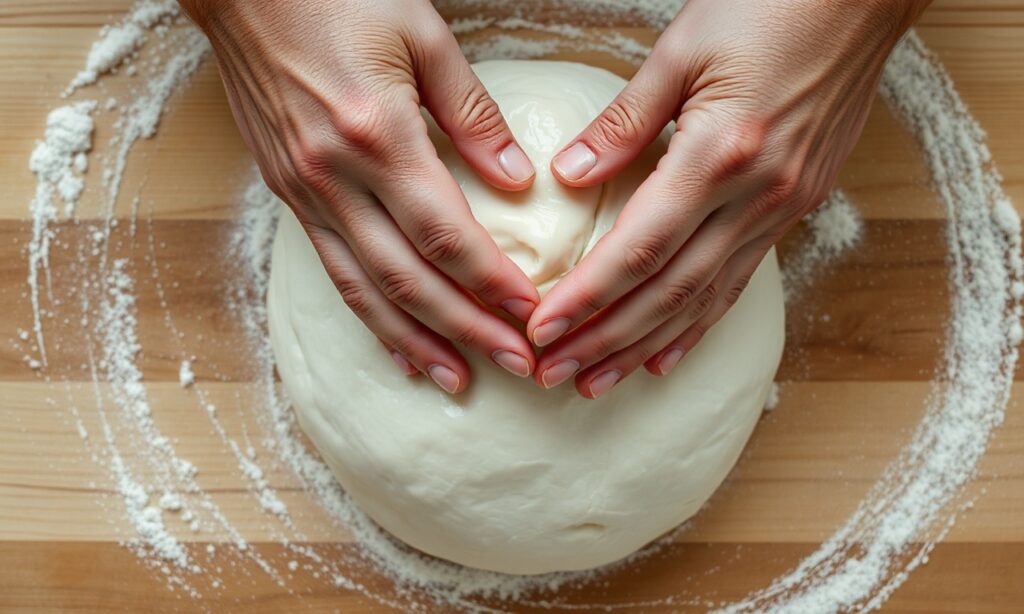
Kneading is the physical process by which the gluten network in white bread dough is developed. It involves stretching and folding the dough, aligning the protein molecules and encouraging them to form bonds. The goal is to achieve a smooth, elastic, and supple dough that can withstand the expansion of gases during fermentation. The duration and intensity of kneading are crucial. Under-kneading leaves the gluten underdeveloped, resulting in a dense, heavy loaf that lacks volume. Over-kneading, however, can actually break down the gluten strands, leading to a tough, rubbery texture and a loaf that may collapse during baking.
A well-kneaded dough will pass the “windowpane test.” This involves taking a small piece of dough and gently stretching it between your fingers. If you can stretch it thin enough to see light through it without it tearing, the gluten is sufficiently developed. For white gluten bread, achieving this state typically requires about 10-15 minutes of vigorous hand-kneading or 5-8 minutes in a stand mixer on a medium speed. The dough should feel smooth, slightly tacky but not excessively sticky, and should spring back slowly when poked. The consistency of the dough is a direct reflection of the strength of its internal gluten structure.
The advent of no-knead bread methods has demonstrated that long fermentation times can also contribute to gluten development, albeit through enzymatic action rather than purely mechanical manipulation. However, for the classic, consistently textured white loaf, traditional kneading remains a highly effective and precise method. It’s a tactile experience that allows bakers to feel the dough’s transformation, building a deep understanding of its readiness. This hands-on approach fosters a connection with the ingredients and the baking process, leading to more intuitive baking skills.
Fermentation and Proofing: The Lifeblood of White Gluten Bread
Fermentation is the magical period where yeast consumes sugars in the dough and produces carbon dioxide gas and alcohol. This gas is trapped by the gluten network, causing the dough to rise. The first fermentation, often called the bulk fermentation, is critical for developing flavor and structure. During this stage, the gluten strands relax and become more extensible, allowing for better gas retention. Temperature plays a significant role; warmer temperatures accelerate yeast activity, while cooler temperatures slow it down, allowing for more complex flavor development.
Proofing, or the second fermentation, occurs after the dough has been shaped into its final form. This stage is crucial for achieving the desired volume and lightness. A properly proofed loaf will have visibly increased in size and feel light and airy to the touch. Over-proofing can lead to a collapsed loaf, as the gluten structure becomes too weak to support the expanding gases. Under-proofing results in a dense loaf with a tight crumb. The ideal proofing time varies depending on the ambient temperature, the amount of yeast used, and the dough’s hydration.
For a typical white gluten bread, this might involve a bulk fermentation of 1-2 hours at room temperature, followed by shaping and a final proof of 30-60 minutes.
Scientific research has illuminated the intricate relationship between yeast activity, gluten elasticity, and proofing. For instance, studies show how the viscoelastic properties of gluten dough change during fermentation, influencing its capacity to hold gas. A well-fermented dough exhibits optimal extensibility, allowing it to stretch significantly without breaking, a trait directly linked to the quality of the final crumb. This understanding reinforces the importance of not rushing this stage, allowing sufficient time for the yeast to work its magic and the gluten to mature.
The Bake: Transforming Dough into Golden Perfection
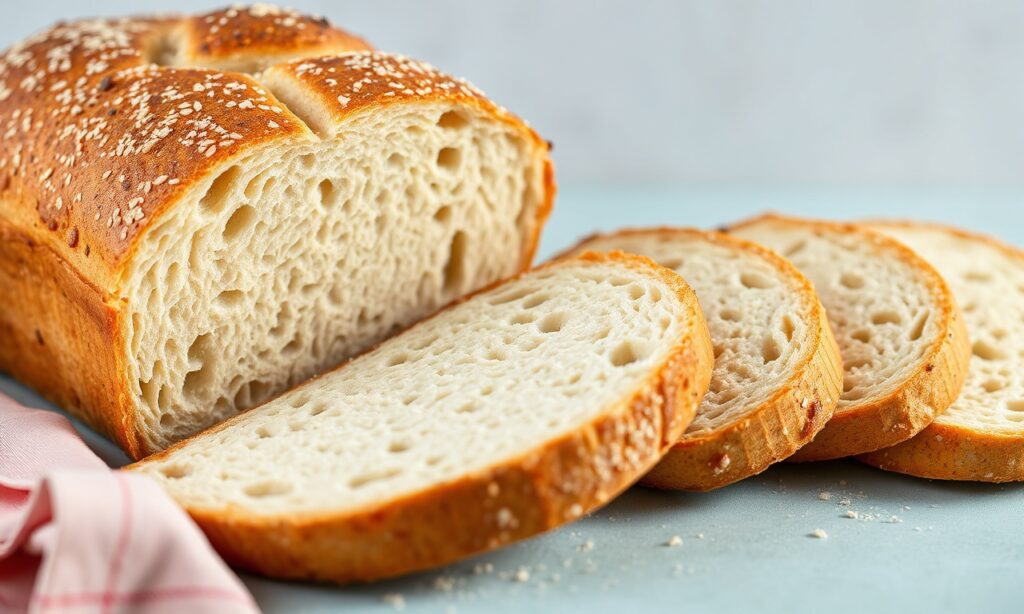
The final stage, baking, is where all the careful preparation culminates. High oven heat is essential for a good oven spring – the rapid expansion of the dough that occurs in the first 10-15 minutes of baking. This surge is driven by the rapid release of trapped gases and the expansion of steam within the dough. A well-developed gluten network is vital for withstanding this dramatic expansion without collapsing. The initial heat also helps to set the crust, creating that satisfying crispness.
Steam in the oven is a baker’s secret weapon for achieving a superior crust and oven spring on white gluten bread. Introducing steam during the initial phase of baking keeps the surface of the dough moist and pliable for longer, allowing for maximum expansion before the crust hardens. This results in a lighter loaf with a thinner, crispier crust. Methods for creating steam include using a Dutch oven, placing a pan of hot water in the oven, or spraying the oven walls with water. Once the crust has set and the loaf has achieved its desired rise, reducing the oven temperature and removing the steam source allows the crust to brown and crisp up properly.
The internal temperature of the bread is the most reliable indicator of doneness. A loaf of white gluten bread is typically baked until its internal temperature reaches 195-205°F (90-96°C). Using an instant-read thermometer inserted into the center of the loaf will confirm it’s fully baked. Underbaked bread will have a gummy interior, while overbaked bread will be dry and hard. The color of the crust is also a good visual cue, aiming for a rich golden brown. Proper cooling is also part of the baking process; allowing the bread to cool on a wire rack prevents the bottom crust from becoming soggy and allows the internal structure to stabilize.
Troubleshooting Common White Gluten Bread Issues
Even with the best intentions, bakers can encounter challenges. A dense, heavy loaf is often a sign of under-developed gluten, insufficient proofing, or too low an oven temperature. If your bread tears significantly during shaping, it could indicate over-kneading, leading to a brittle gluten structure, or perhaps a dough that is too dry.
A gummy interior, as mentioned, usually points to underbaking. Conversely, a bread that collapses in the oven might be due to over-proofing, where the gluten network has become too weak to support the gas. Another common issue is a pale, soft crust. This can be remedied by increasing the oven temperature slightly or ensuring adequate steam is used during the initial baking phase. Understanding these common pitfalls and their causes allows for a more confident and successful baking experience, transforming potential failures into learning opportunities.
Expert Techniques for Elevating Your White Gluten Bread
Beyond the fundamental steps, several advanced techniques can elevate your white gluten bread from good to exceptional. Using a tangzhong or yudane method, where a portion of the flour and liquid is pre-cooked into a paste, drastically increases the bread’s moisture retention and softness, leading to an incredibly tender crumb that stays fresh for longer. This technique, originating from Asia, is particularly effective for achieving that pillowy texture often associated with Asian milk bread.
Incorporating a sourdough starter alongside commercial yeast can add a layer of complex flavor and improve the bread’s keeping qualities due to the natural acidity. Autolyse, a resting period after mixing flour and water but before adding yeast and salt, allows the flour to fully hydrate and enzymes to begin their work, which can lead to better gluten development with less kneading and a more tender final product. These techniques require a bit more practice but offer significant rewards in terms of texture, flavor, and longevity.
The choice of flour also impacts the final texture. While standard bread flour is excellent, experimenting with a blend that includes a small percentage of cake flour can further enhance tenderness. The lower protein content of cake flour interferes with gluten formation, resulting in a softer, more delicate crumb. However, it’s crucial not to overdo this, as too much cake flour can lead to a fragile loaf that lacks structure. Finding the perfect balance is part of the ongoing journey of mastering white gluten bread.
Conclusion: The Enduring Appeal of Perfect White Gluten Bread
The pursuit of the perfect white gluten bread is a rewarding journey, blending science, art, and a touch of intuition. From understanding the fundamental role of gluten development to mastering hydration, kneading, and fermentation, each step contributes to the final outcome. The ability of white gluten to form a strong yet extensible network is what allows this humble dough to transform into a loaf that is both light and satisfying. It’s proof of the power of simple ingredients and skilled hands. By embracing expert techniques and understanding the underlying principles, bakers of all levels can consistently achieve that coveted airy crumb and delightful texture, creating loaves that bring joy and comfort to the table.
Frequently Asked Questions About White Gluten Bread
What is the ideal flour for white gluten bread?
The ideal flour for white gluten bread is unbleached bread flour, which typically contains between 12-14% protein. This higher protein content is essential for developing a strong and elastic gluten network, crucial for achieving good volume and a chewy texture. While all-purpose flour can be used, it may result in a softer, less structured crumb due to its lower protein content (around 10-12%). For an even softer crumb, some bakers incorporate a small percentage of cake flour.
How do I prevent my white gluten bread from being dry?
To prevent dry white gluten bread, focus on proper hydration levels in your recipe, aiming for a dough that is not too stiff. Ensure thorough kneading to develop the gluten network, which helps retain moisture. During baking, using steam in the initial stages helps keep the crust pliable, allowing the bread to expand fully and retain internal moisture. Finally, avoid overbaking; use an internal thermometer to ensure the bread reaches 195-205°F (90-96°C) and then cool it completely on a wire rack before slicing.
What is the windowpane test and why is it important for white gluten bread?
The windowpane test is a method used to determine if gluten has been sufficiently developed in bread dough. You take a small piece of dough and gently stretch it thin between your fingers. If you can stretch it to the point where it becomes translucent and you can see light through it without it tearing, then the gluten network is well-developed. This is critical for white gluten bread because a strong gluten structure is necessary to trap the carbon dioxide gas produced by yeast during fermentation, enabling the dough to rise properly and achieve an airy, light texture.
Can I use whole wheat flour in my white gluten bread recipe?
Yes, you can incorporate whole wheat flour into white gluten bread recipes, but it requires adjustments. Whole wheat flour contains bran and germ, which can interfere with gluten development and absorb more water. If you want to add whole wheat, start with a small percentage (e.g., 10-20%) and consider increasing the hydration slightly to compensate for the extra liquid absorption. Using only whole wheat flour will result in a much denser bread, as the bran and germ physically cut through the gluten strands, weakening the network.
What is the role of salt in white gluten bread?
Salt plays a multifaceted role in white gluten bread. Firstly, it enhances flavor, making the bread more palatable. Secondly, it tightens the gluten structure, making the dough more manageable and less sticky. Research suggests this helps prevent over-proofing by slowing down yeast activity slightly. Salt also contributes to the crust color during baking. Without salt, the dough would be overly sticky, rise too quickly and unevenly, and the final loaf would lack flavor and a desirable crust.
See also: White Gluten