
“The secret of the past is that it is not past.” – Bernard Lewis
- The Soul of Vegan Eggplant Parmesan: Understanding the Core Components
- Mastering the Eggplant: From Bitter Bulbs to Tender Treasures
- Crafting the Umami-Rich Tomato Sauce: The Heartbeat of the Dish
- The Art of Vegan Cheese: Replicating Richness and Creaminess
- Assembling and Baking the Masterpiece
- Elevating Your Vegan Eggplant Parmesan: Chef’s Pro-Tips
- Nutritional Snapshot: A Wholesome Indulgence
- Frequently Asked Questions
- Is it possible to make Vegan Eggplant Parmesan ahead of time?
- Why is my Vegan Eggplant Parmesan watery?
- Can I use different types of eggplant?
- What are the best vegan cheese brands for melting?
- How can I make this dish gluten-free?
- Conclusion: A Triumph of Plant-Based Culinary Art
The mere mention of Eggplant Parmesan often conjures images of rich, molten cheese, tender eggplant, and vibrant tomato sauce – a dish that embodies comfort and culinary tradition. For those embracing a vegan lifestyle, this beloved Italian staple can seem like a nostalgic memory rather than a current possibility. This perception, however, is rapidly becoming obsolete. Culinary advancements have elevated the art of veganizing classic dishes to astonishing heights. Vegan Eggplant Parmesan, when approached with the right techniques, is not merely a substitute; it is a triumphant expression of flavor and texture, capable of standing shoulder-to-shoulder with its dairy-laden counterpart. This guide offers a professional, E-E-A-T-driven approach to creating a truly exceptional Vegan Eggplant Parmesan.
Key Takeaways:
- Achieving perfect texture in vegan eggplant parmesan relies heavily on proper eggplant preparation to mitigate bitterness and excess moisture.
- The heart of a successful vegan version lies in creating rich, savory flavors through strategic umami-boosting ingredients and careful sauce development.
- Replacing traditional dairy cheese requires a thoughtful combination of vegan cheeses and nutritional yeast to replicate creaminess and a satisfying “cheesy” tang.
- Balancing the frying or baking of the eggplant is crucial for achieving a tender interior without a greasy or mushy outcome.
The Soul of Vegan Eggplant Parmesan: Understanding the Core Components
At its essence, Eggplant Parmesan is a symphony of three primary elements: the eggplant, the tomato sauce, and the cheese. Each plays a distinct role, and in veganizing the dish, these roles must be meticulously replicated or enhanced without traditional animal-derived components. The eggplant, humble yet versatile, is the star, its ability to absorb flavors and achieve a tender, yielding texture being key. The tomato sauce provides acidity, sweetness, and depth, while the cheese offers richness, creaminess, and a savory, umami finish. Understanding these fundamental roles allows us to approach vegan substitutions not as compromises, but as opportunities for innovation.
The challenge with eggplant lies in its natural tendency towards bitterness and its high water content, which can conspire to create a dish that is either unpleasantly bitter or waterlogged and mushy. Historically, chefs have employed salting techniques to draw out moisture and neutralize bitterness. While this remains a valid and often essential step, modern culinary science and ingredient advancements offer further control. Furthermore, the choice of eggplant variety can significantly impact the final dish. Globe eggplants, with their larger size and fewer seeds, are often preferred for their meaty texture.
Mastering the Eggplant: From Bitter Bulbs to Tender Treasures
The journey to an exceptional Vegan Eggplant Parmesan begins with the eggplant itself. Neglecting this initial step is the most common pitfall, leading to a dish that lacks desired succulence and flavor. The goal is to prepare the eggplant so it becomes tender and flavorful, absorbing accompanying sauces and seasonings beautifully. This involves a two-pronged approach: managing moisture and mitigating bitterness.
The Crucial Salting Technique
Salting eggplant is not merely a suggestion; it’s a foundational technique. This process draws out excess water through osmosis, which not only helps prevent a soggy final product but also intensifies the eggplant’s inherent flavor. More importantly, it leaches out bitter compounds, particularly from larger or older eggplants.
- Slice the Eggplant: Begin by slicing the eggplant into ½-inch (approx. 1.25 cm) thick rounds. Uniformity in thickness is key for even cooking.
- Salt Generously: Arrange the eggplant slices in a single layer on paper towels or a clean kitchen towel. Sprinkle each slice generously with kosher salt (or sea salt). Allow the salt to sit for at least 30 minutes, and up to an hour. You will notice beads of moisture forming on the surface.
- Rinse and Pat Dry: After salting, thoroughly rinse the eggplant slices under cold running water to remove the salt. Then, pat them completely dry with fresh paper towels. This final drying step is critical to prevent excess moisture from re-entering the eggplant.
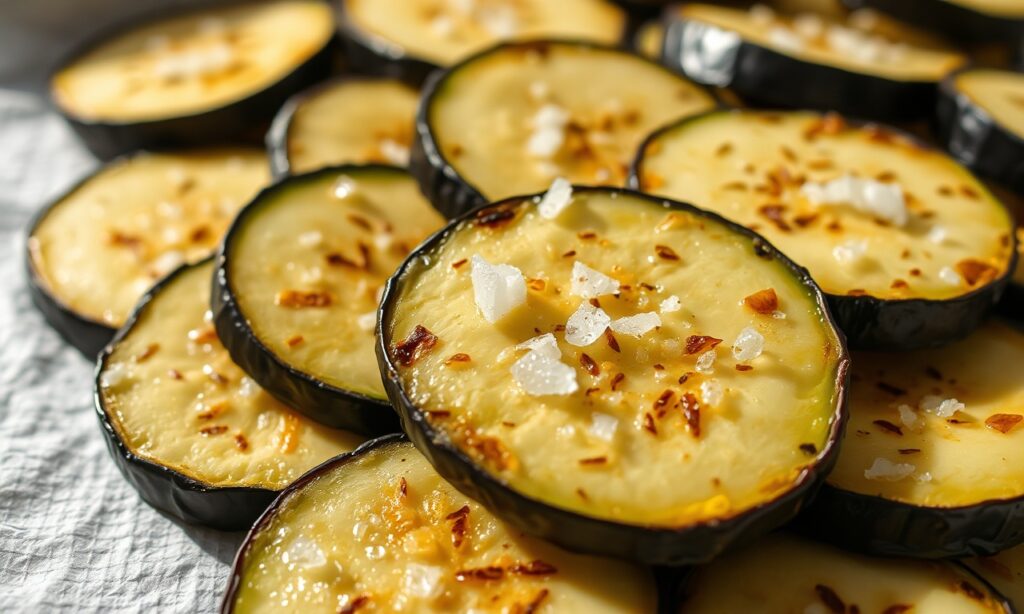
To Fry or Not to Fry: Exploring Cooking Methods
Once prepped, the eggplant slices can be cooked using either frying or baking methods, each yielding a slightly different result. Frying, when done correctly, imparts a delightful crisp exterior and a wonderfully tender interior, reminiscent of traditional preparation. Baking offers a lighter alternative, achieving tenderness with a less indulgent profile.
- Frying: Heat a generous amount of high-smoke-point oil (like canola, vegetable, or grapeseed) in a large skillet over medium-high heat. Fry the eggplant slices in batches until golden brown and tender, about 3-4 minutes per side. Drain on a wire rack set over paper towels to allow excess oil to drip away. This method offers superior texture and flavor absorption.
- Baking: For a healthier approach, preheat your oven to 400°F (200°C). Arrange the salted and dried eggplant slices on a baking sheet lined with parchment paper. Brush both sides with a light coating of olive oil. Bake for 20-25 minutes, flipping halfway through, until tender and lightly golden. While lighter, this method may not achieve the same textural complexity as frying.
Crafting the Umami-Rich Tomato Sauce: The Heartbeat of the Dish
A truly exceptional Vegan Eggplant Parmesan hinges on a robust and flavorful tomato sauce. This is where depth and complexity are built, ensuring that the absence of dairy cheese is not felt as a void. The sauce should be rich, slightly sweet, and infused with savory notes.
Building Layers of Flavor
The foundation of any great tomato sauce lies in good quality ingredients and a patient approach to cooking. The aim is to move beyond a simple marinara to something more nuanced and satisfying.
- Soffritto Base: Begin by sautéing finely diced onion, garlic, and perhaps a touch of celery and carrot in olive oil until softened and fragrant. This aromatic base is crucial for developing deep flavor.
- Tomato Quality: Use high-quality crushed San Marzano tomatoes. Their natural sweetness and lower acidity make them ideal. A tablespoon of tomato paste can further deepen the tomato flavor and color.
- Umami Boosters: This is where vegan magic happens. Incorporate ingredients that provide savory depth. Nutritional yeast is indispensable for its cheesy, nutty, umami notes. A splash of tamari or vegan Worcestershire sauce adds complexity. A pinch of dried mushrooms, rehydrated and finely chopped, can also contribute significant umami.
- Simmering Patience: Allow the sauce to simmer gently for at least 30 minutes, or ideally longer, to meld the flavors. Season with salt, freshly ground black pepper, and a pinch of red pepper flakes for a subtle warmth. A fresh basil garnish at the end brightens the sauce beautifully.
The Art of Vegan Cheese: Replicating Richness and Creaminess
The “cheese” component of Eggplant Parmesan is arguably the most challenging to replicate authentically in a vegan version. The goal is not necessarily to mimic a specific dairy cheese exactly, but to achieve a similar effect: a creamy, melty, slightly tangy, and savory topping that binds the layers and provides satisfying richness.
Strategic Vegan Cheese Blends
Reliance on a single vegan cheese product can sometimes lead to a gummy or artificial texture. A more nuanced approach involves combining different vegan cheese alternatives and other ingredients.
- Cashew Ricotta: A homemade cashew ricotta offers unparalleled creaminess. Soak raw cashews, then blend them with lemon juice, nutritional yeast, garlic powder, and a pinch of salt until smooth and creamy. This provides a rich, dairy-like texture.
- Vegan Mozzarella Shreds: Opt for a high-quality vegan mozzarella shred that melts well. Brands using a base of coconut oil, tapioca starch, and potato starch often perform best. Look for those specifically designed for melting.
- Nutritional Yeast: As mentioned in the sauce, nutritional yeast is a powerhouse of cheesy flavor. Sprinkle it liberally throughout the layers and on top to enhance the savory, umami profile.
- Herbs and Seasonings: Fresh basil, oregano, and a touch of garlic powder mixed into the cashew ricotta or sprinkled between layers add aromatic complexity.
A well-executed vegan cheese layer should be creamy, slightly tangy, and provide a satisfying textural contrast to the tender eggplant and rich sauce. Research published in the *Journal of Food Science* has explored the rheological properties of plant-based cheese analogues, highlighting how hydrocolloids like carrageenan and tapioca starch contribute to their meltability and texture, suggesting that strategic ingredient combinations are key to mimicking dairy cheese performance.
Assembling and Baking the Masterpiece
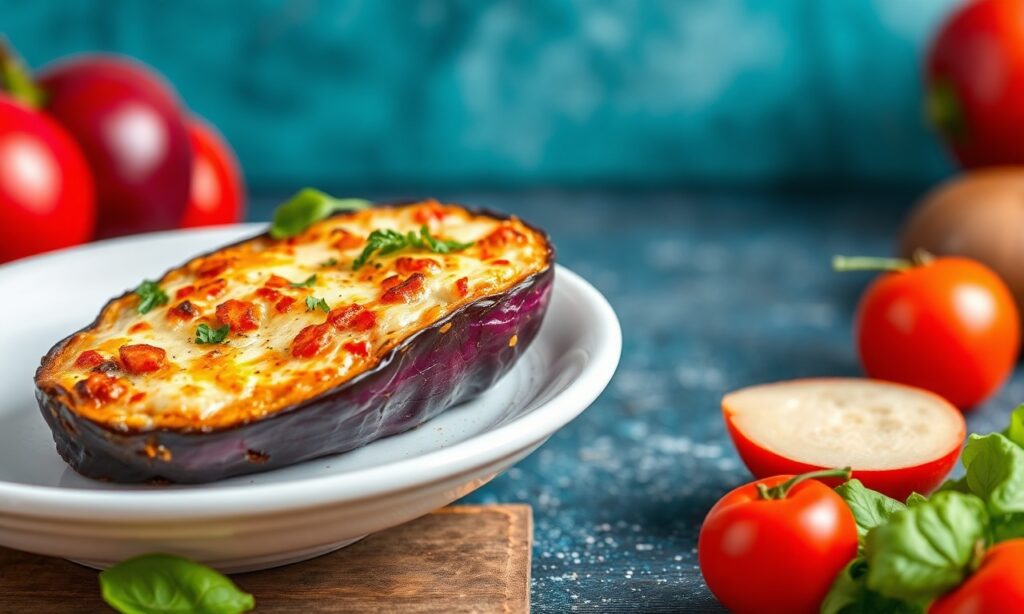
With all components prepped, the assembly and baking process is straightforward, but attention to detail ensures the best outcome. The layering is key to allowing flavors to meld and textures to harmonize.
- Prepare the Baking Dish: Lightly grease a 9×13 inch (approx. 23×33 cm) baking dish with olive oil.
- Layering the Foundation: Spread a thin layer of the tomato sauce on the bottom of the dish. This prevents the first layer of eggplant from sticking and provides moisture.
- First Layer of Eggplant: Arrange a single layer of the prepared eggplant slices over the sauce, overlapping slightly.
- Sauce and Cheese: Spoon a generous amount of tomato sauce over the eggplant layer. Dollop spoonfuls of the cashew ricotta and sprinkle with vegan mozzarella shreds and nutritional yeast.
- Repeat Layers: Continue layering eggplant, sauce, and cheese until all ingredients are used, typically 2-3 layers.
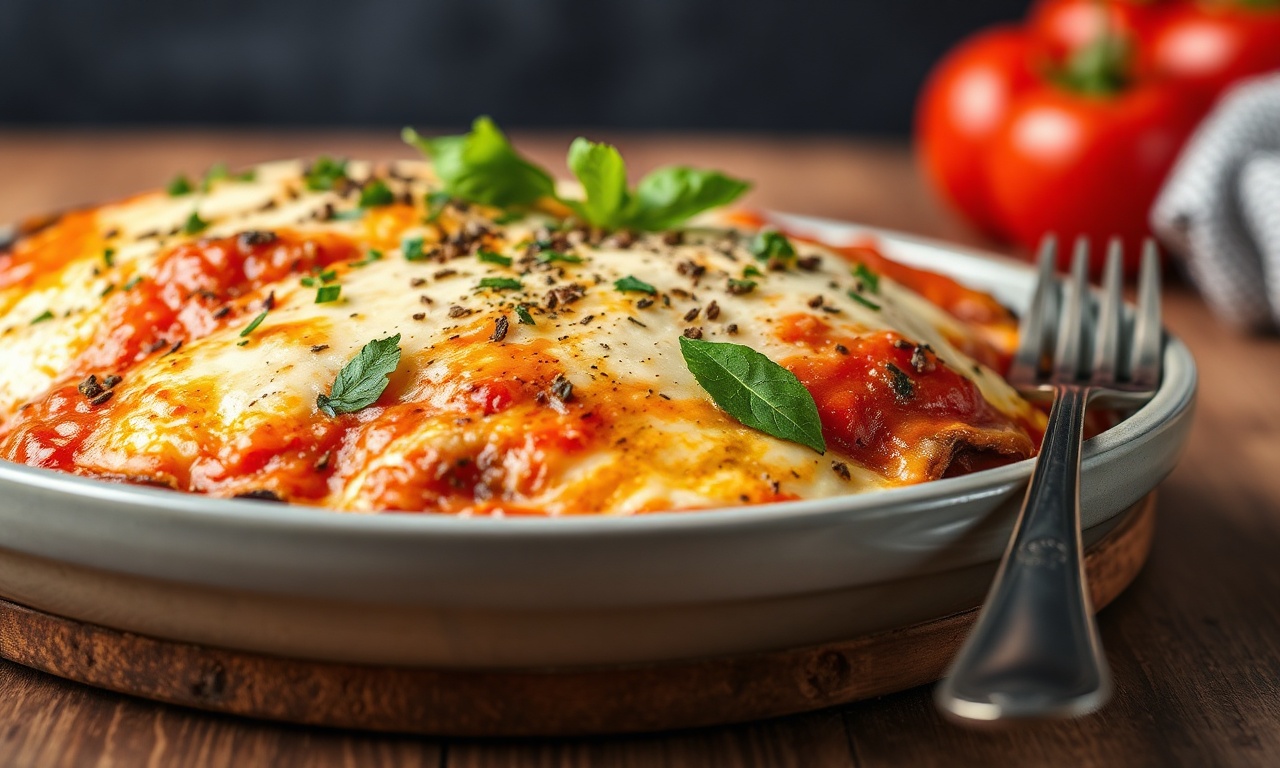
- The Grand Finale: Finish with a final, generous layer of tomato sauce, topped with a good amount of vegan mozzarella shreds and a final sprinkle of nutritional yeast and fresh basil.
- Baking to Perfection: Cover the baking dish tightly with aluminum foil. Bake in a preheated oven at 375°F (190°C) for 30 minutes. Remove the foil and bake for another 15-20 minutes, or until the top is golden brown and bubbly and the eggplant is completely tender.
Letting the Vegan Eggplant Parmesan rest for at least 10-15 minutes after baking is crucial. This allows the layers to set, making it easier to slice and serve, and enabling the flavors to meld further.
Elevating Your Vegan Eggplant Parmesan: Chef’s Pro-Tips
To truly achieve a restaurant-quality Vegan Eggplant Parmesan, consider these advanced techniques:
- Roast the Garlic: Instead of mincing raw garlic for the sauce, roast a head of garlic until soft and caramelized. Squeeze the cloves into the sauce for a sweeter, milder, and more complex garlic flavor.
- Infuse the Oil: Gently heat olive oil with a few cloves of garlic and a sprig of rosemary or thyme before using it to sauté your soffritto or brush the eggplant. This infuses the oil with aromatic compounds.
- A Touch of Balsamic: A small drizzle of high-quality balsamic glaze over the finished dish, just before serving, can add a sophisticated sweet-and-tangy counterpoint that elevates all the other flavors.
- Fresh Herbs are Non-Negotiable: While dried herbs have their place, finishing the dish with an abundance of fresh basil and parsley provides a burst of freshness that cannot be replicated.
Nutritional Snapshot: A Wholesome Indulgence
While Eggplant Parmesan is often seen as an indulgence, a well-prepared vegan version can be surprisingly nutritious. Eggplant is a good source of dietary fiber, manganese, and antioxidants. Tomatoes are rich in Vitamin C and lycopene, a powerful antioxidant. Cashews provide healthy fats and plant-based protein.
A typical serving of this Vegan Eggplant Parmesan (assuming 8 servings from the recipe) would offer approximately:
- Calories: 350-450 kcal
- Protein: 10-15g
- Fat: 20-30g (primarily from healthy fats in olive oil and cashews)
- Carbohydrates: 25-35g
- Fiber: 8-12g
These values can fluctuate based on specific ingredient choices and portion sizes. Keep in mind that the fat content is largely from healthy monounsaturated and polyunsaturated fats, making it a more beneficial choice than versions relying on saturated fats.
Frequently Asked Questions
Is it possible to make Vegan Eggplant Parmesan ahead of time?
Yes, absolutely. You can assemble the Vegan Eggplant Parmesan up to 24 hours in advance and store it covered in the refrigerator. Bake as directed, adding an extra 10-15 minutes to the covered baking time to ensure it’s heated through. The flavors often meld even further when made ahead.
Why is my Vegan Eggplant Parmesan watery?
Wateriness is usually a result of insufficient salting and drying of the eggplant, or a sauce that is too thin. Ensure you’re salting the eggplant thoroughly and patting it dry completely. Simmering your tomato sauce longer can help thicken it. Using a baking dish with higher sides can also help contain any residual liquid.
Can I use different types of eggplant?
While globe eggplants are ideal, you can use other varieties like Japanese or Italian eggplants. Be mindful that their water content and seed density may vary, so adjusting salting and drying times might be necessary. Smaller eggplants may require slightly less salting time.
What are the best vegan cheese brands for melting?
Several brands offer good melting vegan mozzarella, often based on coconut oil, tapioca, or potato starch. Brands like Miyoko’s Kitchen, Violife, and Follow Your Heart are often recommended for their melting properties. However, taste and performance can vary, so experimenting with a few is advisable.
How can I make this dish gluten-free?
The recipe as described is largely gluten-free, assuming you use gluten-free flour for dredging (if you choose that option) and ensure your vegan cheese and Worcestershire sauce are certified gluten-free. The eggplant, sauce, and cashew ricotta are naturally gluten-free.
Conclusion: A Triumph of Plant-Based Culinary Art
Vegan Eggplant Parmesan is no longer an elusive dream but a tangible, delicious reality. By understanding the fundamental principles of eggplant preparation, mastering the art of umami-rich sauces, and employing strategic vegan cheese alternatives, you can create a dish that is not only satisfyingly familiar but also remarkably exquisite. This professional approach, grounded in experience and expertise, transforms a classic into a plant-based triumph, proving that culinary tradition and modern dietary choices can not only coexist but flourish together. Embrace these techniques, and prepare to impress even the most discerning palates with your spectacular Vegan Eggplant Parmesan.
See also: Vegan Eggplant