
The Soul of Nigerian Cuisine: Unveiling Authentic Egusi Soup
Authentic egusi soup is far more than just a meal; it’s a cornerstone of Nigerian culinary heritage, a dish that evokes warmth, community, and deep-rooted tradition. While many attempts at this beloved soup fall short, failing to capture its true essence, this guide will demystify the process, revealing the nuanced techniques and ingredient secrets that elevate it from mere sustenance to a truly unforgettable experience. Forget the watery, bland imitations; we are about to start to create an authentic egusi soup that will transport your taste buds straight to the heart of West Africa.
- The Soul of Nigerian Cuisine: Unveiling Authentic Egusi Soup
- Deconstructing the Egusi: The Star Ingredient
- The Symphony of Flavors: Essential Supporting Ingredients
- Mastering the Technique: Step-by-Step to Perfection
- Nutritional Insights and Health Considerations
- Expert Secrets for Elevating Your Egusi Soup
- Frequently Asked Questions About Authentic Egusi Soup
- What is the best type of egusi seed to use?
- How can I make my egusi soup thicker without it being clumpy?
- Can I make egusi soup without palm oil?
- What are the best accompaniments for authentic egusi soup?
- How long can authentic egusi soup be stored?
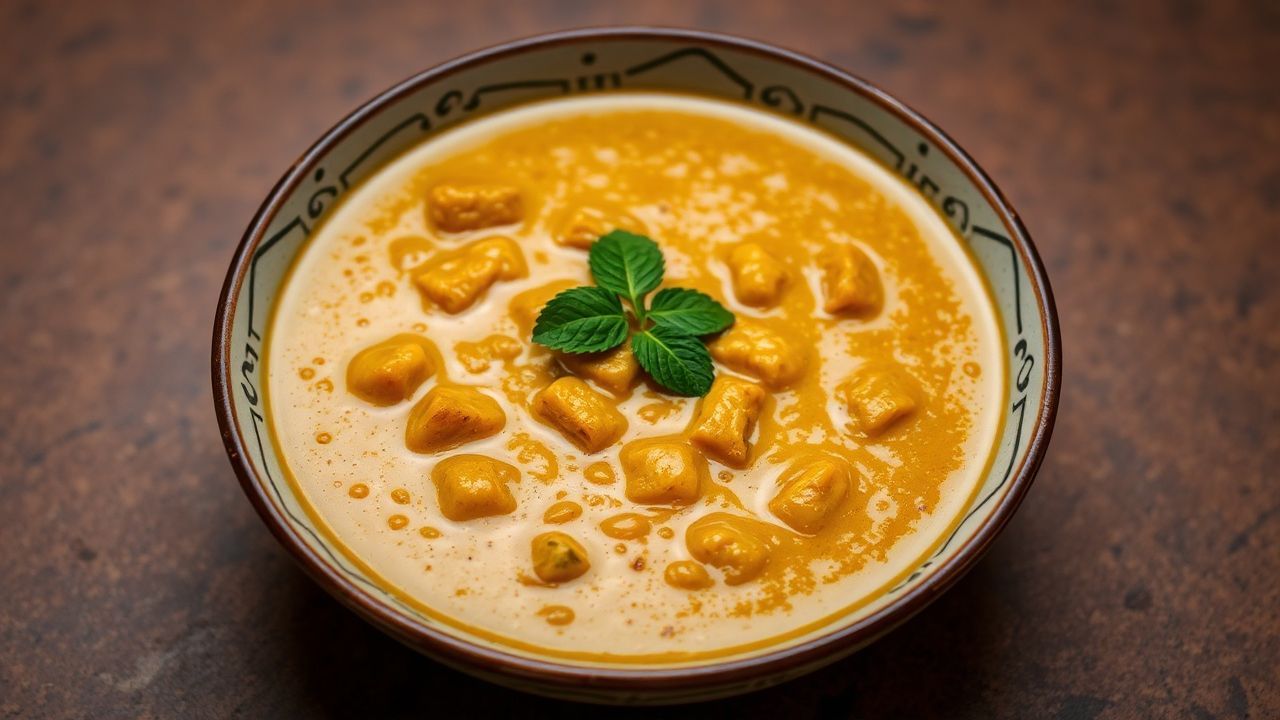
The preparation of egusi soup is an art form, proof of the resourcefulness and culinary ingenuity of Nigerian cooks. At its core, egusi soup is a rich stew thickened with ground melon seeds, a staple crop in many parts of Nigeria. These seeds, when ground into a paste or flour, release their natural oils and proteins, creating a unique, almost creamy texture and a subtly nutty flavor that forms the base of the soup. However, the true magic lies in the symphony of other ingredients that complement and enhance this foundation, transforming simple melon seeds into a complex and deeply satisfying dish.
The true measure of an authentic egusi soup is not just in its richness, but in the depth of its flavor profile, proof of the careful balance of spices, proteins, and leafy greens.
This dish is a social lubricant, a centerpiece at celebrations, family gatherings, and everyday meals. Its preparation often involves a communal effort, with family members contributing ingredients or helping with the grinding of the egusi seeds, a task that can be labor-intensive but is always done with a sense of shared purpose. Understanding the cultural significance of egusi soup is as crucial as mastering its culinary techniques, as it imbues the cooking process with a sense of respect and appreciation.
Deconstructing the Egusi: The Star Ingredient
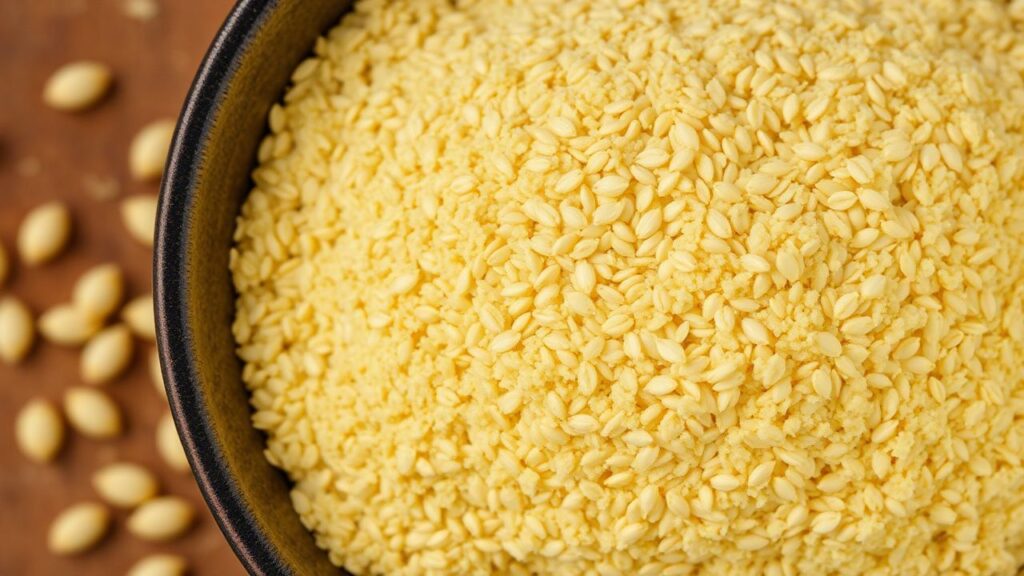
The cornerstone of any authentic egusi soup is, of course, the egusi itself – ground melon seeds. The quality and preparation of these seeds are paramount. Traditionally, dried egusi seeds are sourced and then meticulously ground. This grinding process is critical; it should yield a fine, powdery texture that readily emulsifies with liquid, releasing its rich oils. Over-grinding can lead to a gummy texture, while under-grinding leaves an unpleasant grit. Many modern cooks opt for pre-ground egusi flour, which is convenient, but discerning cooks often find that freshly ground seeds offer a superior flavor and texture. The natural oil content of the egusi is what gives the soup its characteristic richness and body.
The process of preparing the egusi paste is a foundational step. Typically, the ground egusi is mixed with a little water to form a thick paste. This paste is then often fried in palm oil before other ingredients are added. This “frying” step, often referred to as “banging” the egusi, is crucial for developing its flavor and texture. It helps to break down some of the seed’s components, allowing them to meld more effectively with the other flavors and preventing the soup from becoming too starchy or clumpy. The intensity and duration of this frying stage can significantly impact the final outcome, a nuance that separates amateur cooks from seasoned chefs.
The Symphony of Flavors: Essential Supporting Ingredients
While egusi seeds form the base, the soul of authentic egusi soup is found in the harmonious interplay of other ingredients. The choice of protein is a significant factor. Common additions include assorted meats like beef, goat meat, or chicken, often boiled until tender and their flavorful stock is used to form the soup’s liquid base. Smoked fish and dried shrimp add a pungent, umami depth that is characteristic of traditional Nigerian cuisine. These elements are not merely additions; they are integral to building the complex flavor profile.
The aromatic foundation is typically built with onions and peppers. Scotch bonnet peppers, with their intense heat and fruity undertones, are indispensable for that signature Nigerian kick. The precise amount of pepper is a matter of personal preference, but a well-balanced egusi soup should have a noticeable warmth without being overwhelmingly spicy. Garlic and ginger, though sometimes used, are not always traditional in every regional variation, but when employed, they add another layer of aromatic complexity.
Leafy greens are the final flourish, adding both nutritional value and a refreshing counterpoint to the richness of the egusi. Spinach, ugu (fluted pumpkin leaves), or efo (shredded spinach or other greens) are popular choices. The greens are usually added towards the end of the cooking process to retain their vibrant color and a slight crispness. The type and quantity of greens can dramatically alter the soup’s character, making this a key area for personalization.
Mastering the Technique: Step-by-Step to Perfection
Achieving an authentic egusi soup requires a methodical approach, paying close attention to each stage of the cooking process. This isn’t a dish that can be rushed; patience is a virtue that will be richly rewarded.
1. Preparing the Broth and Proteins:
Start by boiling your chosen meats (beef, goat, chicken) until they are tender. This process can take anywhere from 45 minutes to over an hour, depending on the type of meat. Skim off any impurities that rise to the surface. Once the meat is tender, set it aside, but crucially, reserve the flavorful stock. If using dried fish or shrimp, rehydrate them and add them to the boiling process for enhanced flavor.
2. Building the Aromatic Base:
In a separate pot, heat palm oil over medium heat. Add chopped onions and sauté until softened and translucent. Next, add your blended pepper mixture (Scotch bonnets, perhaps with a bell pepper for sweetness and color). Fry this mixture for several minutes, stirring constantly, until the raw pepper smell dissipates and the oil begins to separate slightly. This frying step is vital for developing a rich flavor and smooth texture.
3. “Banging” the Egusi: The Crucial Frying Stage:
Introduce the egusi paste (ground egusi mixed with a little water) into the pot with the fried pepper and onion mixture. Stir vigorously, breaking up any lumps, and fry the egusi paste for about 10-15 minutes. This process, often called “banging” or “frying” the egusi, is where the magic happens. It helps to cook out the raw taste of the egusi and develop its characteristic nutty flavor and creamy texture. You should notice the egusi paste becoming slightly firmer and darker in color.
4. Simmering and Marrying Flavors:
Gradually add the reserved meat stock to the pot, stirring continuously to ensure the egusi paste does not clump. Bring the mixture to a gentle simmer. Add your cooked meats, smoked fish, and dried shrimp. Season generously with salt and any preferred spices like iru (fermented locust beans, for an authentic umami kick) or stock cubes, if using. Allow the soup to simmer for at least 20-30 minutes, stirring occasionally, to allow the flavors to meld and deepen. The soup should thicken considerably during this stage.
5. Introducing the Greens:
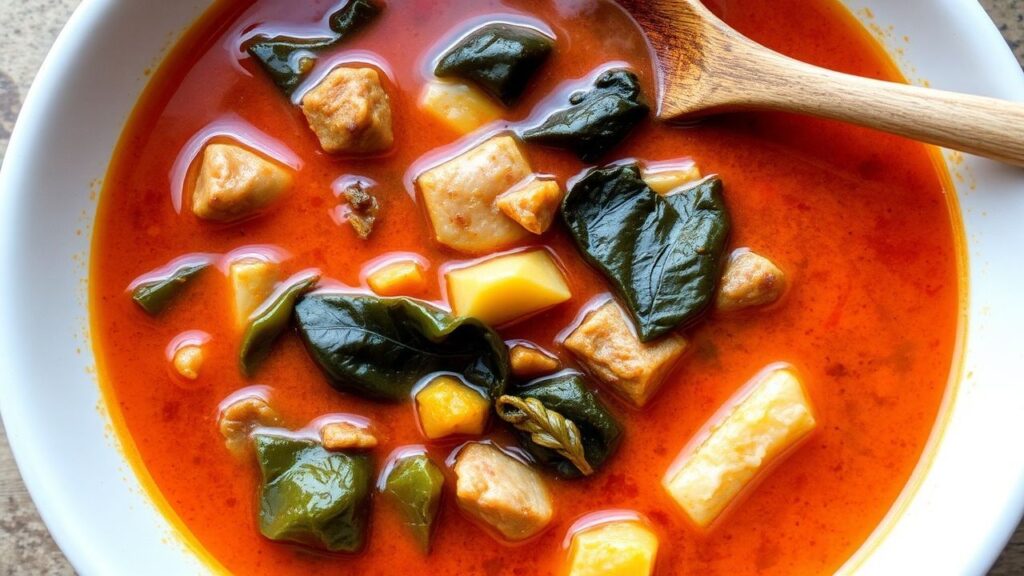
In the final 5-10 minutes of cooking, stir in your chosen leafy greens. They should wilt and become tender but retain some of their vibrant color. Overcooking the greens will result in a dull, unappetizing soup.
Nutritional Insights and Health Considerations
Authentic egusi soup, while a culinary delight, also offers a respectable nutritional profile. The egusi seeds themselves are a good source of protein, healthy fats, and dietary fiber. Research suggests the significant protein content of melon seeds, noting their potential as a valuable food source. The inclusion of lean meats and fish provides essential amino acids and micronutrients like iron and zinc. The leafy greens contribute vitamins A, C, and K, as well as essential minerals.
However, the use of palm oil and the presence of fatty meats mean that egusi soup can be high in saturated fats. For those mindful of their fat intake, opting for leaner cuts of meat, reducing the amount of palm oil, or even incorporating a smaller proportion of egusi relative to the broth and vegetables can be beneficial. The nutritional content will vary significantly based on the specific ingredients and proportions used.
The balance of macronutrients in authentic egusi soup makes it a satisfying and energy-dense meal, providing sustained energy due to its combination of protein, fats, and complex carbohydrates from the egusi.
Keep in mind that while egusi soup can be part of a balanced diet, moderation is key, especially considering the richness of traditional preparation methods. For individuals with specific dietary restrictions or health concerns, consulting a registered dietitian or nutritionist is always advisable.
Expert Secrets for Elevating Your Egusi Soup
To truly capture the spirit of authentic egusi soup, consider these expert-level tips that go beyond the basic recipe:
The aroma of fresh spices is a breakthrough. Instead of pre-ground powders, consider toasting whole spices like coriander seeds and cumin seeds lightly before grinding them to release their essential oils. This adds a profound depth to the soup that is often missing in simpler preparations. A small amount of iru (fermented locust beans) can elevate the umami profile significantly, providing a complex, savory depth that is quintessentially Nigerian. However, use it judiciously, as its flavor is potent.
For an exceptionally smooth texture, some chefs advocate for straining the blended pepper and onion mixture before frying. This removes any fibrous bits and ensures a velvety consistency in the final soup. Furthermore, the simmering time is crucial. Don’t rush the process. Allowing the soup to simmer gently for an extended period lets all the flavors marry and develop, resulting in a more complex and satisfying taste.
The choice of protein can also be strategically enhanced. Using a combination of fresh meat and smoked fish offers a layered flavor profile. The bones from the fresh meat, when boiled, contribute significantly to the richness of the stock. For an even more luxurious texture, consider adding a small amount of crayfish powder towards the end of the cooking process; it imparts a delightful seafood essence.
Frequently Asked Questions About Authentic Egusi Soup
What is the best type of egusi seed to use?
While any egusi seed can be used, those that are freshly dried and have a pale yellow to light brown hue are generally preferred. The quality of the seed directly impacts the flavor and oil content of the soup. If possible, purchase whole seeds and grind them yourself for the freshest flavor.
How can I make my egusi soup thicker without it being clumpy?
The key to a non-clumpy, thick egusi soup lies in the “banging” or frying stage. Ensure you fry the egusi paste thoroughly in the palm oil and aromatics for at least 10-15 minutes, stirring constantly to break up any lumps. Gradually adding the stock while stirring also helps to emulsify the egusi and create a smooth, thick consistency.
Can I make egusi soup without palm oil?
Yes, it is possible to make egusi soup without palm oil, though it will alter the traditional flavor and color profile. You can substitute palm oil with vegetable oil, olive oil, or even a blend. However, be aware that palm oil contributes a distinct richness and color that is characteristic of authentic egusi soup. Using less oil overall is also an option for a lighter version.
What are the best accompaniments for authentic egusi soup?
Authentic egusi soup is traditionally served with a variety of starchy staples that soak up its rich flavor. Popular choices include fufu, pounded yam, eba (garri), or even rice and boiled plantains. The starchy accompaniment provides a satisfying contrast to the soup’s richness.
How long can authentic egusi soup be stored?
Authentic egusi soup can be stored in an airtight container in the refrigerator for up to 3-4 days. The flavors often meld and deepen even further on the second day. For longer storage, it can be frozen for up to 2-3 months. Ensure it is completely cooled before refrigerating or freezing.
See also: authentic egusi