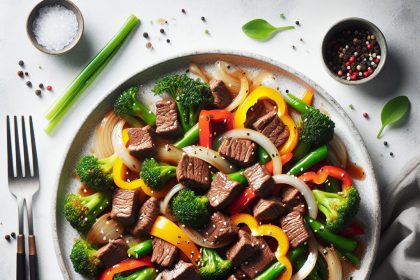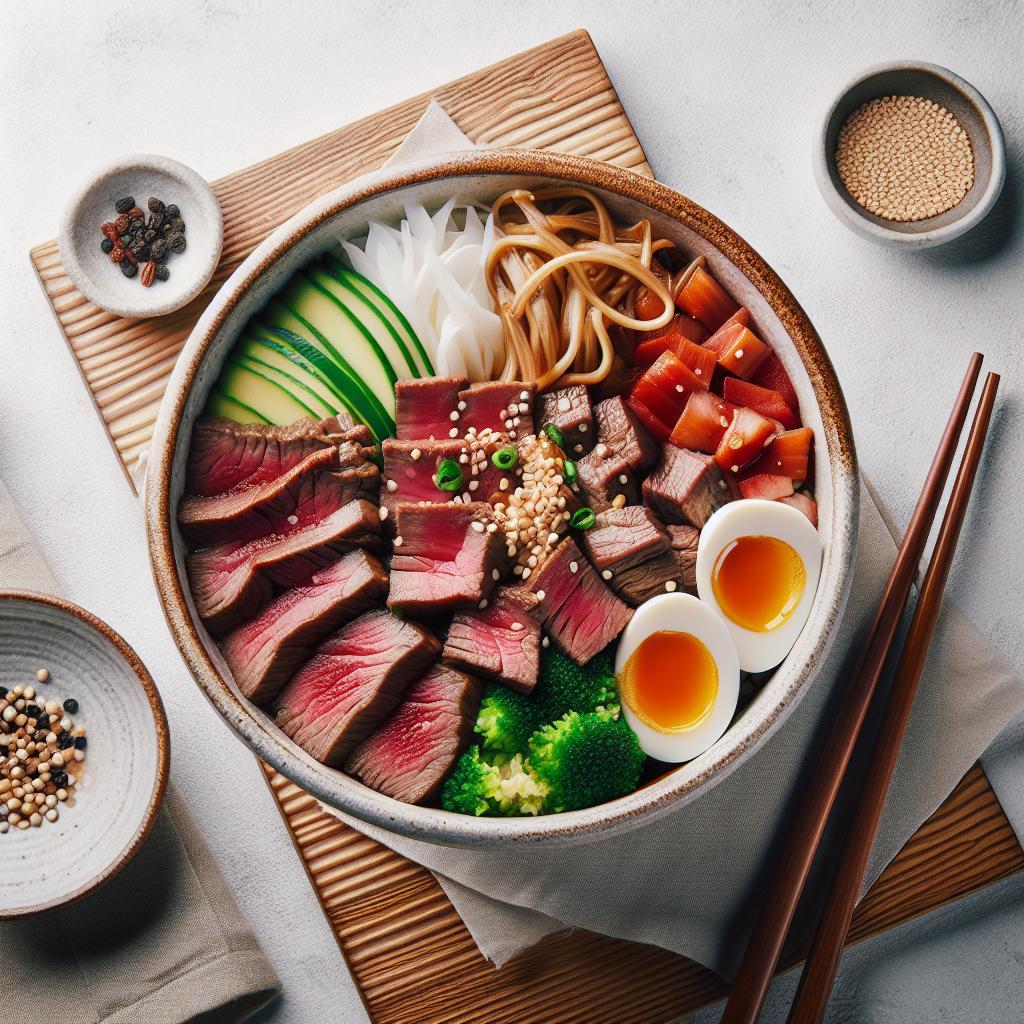

In the bustling streets of Japan, where tradition meets the fast-paced rhythm of modern life, one dish reigns supreme as the ultimate comfort food: the beef bowl. Known locally as gyūdon, this unassuming bowl of simmered beef and onions atop steaming rice is more than just a meal-it’s a cultural phenomenon, a quick escape into savory satisfaction that has captured the hearts and taste buds of millions. Join us as we delve into the story behind Japan’s iconic beef bowl, exploring its rich history, mouthwatering flavors, and why it continues to be the go-to feast for comfort, convenience, and a taste of home.
- Origins and Cultural Significance of the Beef Bowl
- Crafting the Perfect Beef Bowl at Home
- Prep and Cook Time
- Yield
- Difficulty Level
- Ingredients
- Instructions
- Tips for Success
- Serving Suggestions
- Nutritional Information
- Exploring Regional Variations and Specialty Ingredients
- Top Restaurants to Experience Authentic Beef Bowls in Japan
- Q&A
- In Conclusion
Origins and Cultural Significance of the Beef Bowl
Savoring the Beef Bowl invites you into the heart of Japanese culinary tradition, where simplicity meets profound comfort. This iconic dish, known locally as gyūdon, originated during the Meiji Era (late 19th century) as a quick, affordable meal for the bustling urban worker. Its rise in popularity is tied to Japan’s modernization and the increasing availability of thinly sliced beef, making it a symbol of accessible nourishment infused with rich umami flavor.
The beef bowl’s cultural footprint extends beyond its humble origins, reflecting Japan’s embrace of rapid urban life paired with a deep appreciation for hearty, satisfying meals. Today, gyūdon remains a beloved staple, enjoyed across all generations-from quick lunch counters to intimate home kitchens-embodying a culinary tradition that balances convenience, taste, and cultural heritage.
Crafting the Perfect Beef Bowl at Home
Savoring the Beef Bowl at home can be a joyous, sensory experience. This recipe balances the sweetness of mirin and soy sauce with the savoriness of tender, thinly sliced beef, served over steaming, fluffy Japanese rice.
Prep and Cook Time
- Preparation: 15 minutes
- Cooking Time: 20 minutes
- Total Time: 35 minutes
Yield
Serves 4 generous portions
Difficulty Level
Easy to Intermediate – perfect for weeknight dinners yet impressive enough to serve guests.
Ingredients
- 2 cups Japanese short-grain rice, rinsed and cooked
- 400 g (14 oz) thinly sliced beef ribeye or sirloin
- 1 large onion, thinly sliced
- 1/3 cup soy sauce (preferably Japanese shoyu)
- 1/3 cup mirin (Japanese sweet rice water)
- 1/4 cup dashi stock (substitute with low-sodium chicken broth if needed)
- 2 tbsp granulated sugar
- 1 tbsp vegetable oil
- Pickled ginger (beni shoga), for garnish
- Thinly sliced scallions, for garnish
- Shichimi togarashi (Japanese seven-spice), optional for added heat
Instructions
- Prepare the rice: Cook the Japanese short-grain rice according to package instructions or your rice cooker’s settings to achieve a fluffy, slightly sticky texture.
- Sauté the onions: In a large skillet or saucepan, heat the vegetable oil over medium heat. Add the sliced onion and sauté until translucent and lightly caramelized, about 5-7 minutes, stirring occasionally.
- Simmer the sauce: In the same pan, add the soy sauce, mirin, dashi stock, and sugar to the onions. Stir gently and bring the mixture to a low simmer, allowing the flavors to meld for about 5 minutes.
- Add the beef: Gradually add the thinly sliced beef into the simmering sauce, separating the slices carefully with chopsticks or a fork. Cook until just tender and no longer pink, approximately 3-4 minutes. Avoid overcooking to keep the beef flavorful and juicy.
- Serve immediately: Ladle generous portions of steamed rice into individual bowls. Spoon the simmered beef and onion mixture over the top, making sure to include some of the flavorful broth for an authentic experience.
- Garnish: Add pickled ginger and thinly sliced scallions on top. Sprinkle with shichimi togarashi if you like a subtle kick.
Tips for Success
- Choosing beef: For maximum tenderness and flavor, opt for thinly sliced ribeye or sirloin. If unavailable, top round cuts sliced very thinly will work well if marinated briefly in a bit of soy sauce.
- Onion caramelization: Allowing the onions to soften and slightly brown develops sweetness that balances the savory sauce, making this step critical.
- Rice quality: The comforting essence of the beef bowl shines brightest atop perfectly cooked Japanese rice; rinsing the rice until water runs clear removes excess starch and prevents clumping.
- Make-ahead: Prepare the beef mixture in advance and gently reheat with a splash of dashi or broth, but cook the beef fresh for optimal texture.
- Adjust sweetness: Feel free to tweak the sugar and mirin levels to your taste; traditional gyūdon leans towards a sweet-savory harmony.
Serving Suggestions
Present your beef bowl in deep, rustic Japanese-style donburi bowls to capture the cozy essence of traditional dining. Serve with a side of miso soup and a simple green salad dressed with sesame for a balanced meal. For a classic touch, accompany with a small dish of pickled vegetables and a cup of hot green tea. Garnishing with bright red beni shoga creates appealing visual contrast while offering a refreshing tang to cleanse the palate.
Nutritional Information
| Per Serving | Calories | Protein | Carbs | Fat |
|---|---|---|---|---|
| Beef Bowl | 480 kcal | 28 g | 52 g | 12 g |
Exploring Regional Variations and Specialty Ingredients
Japan’s diverse regions each bring unique touches to the beef bowl, enriching the culinary narrative of this comfort food. In some northern areas, thicker-cut cuts of beef and even seasonal mushrooms are incorporated to create heartier versions suited to colder climates. Meanwhile, Kansai-style gyūdon often features a lighter, less sweet broth, emphasizing delicate dashi nuances.
Specialty ingredients such as grated daikon with a touch of ponzu, yuzu kosho for a citrusy-spicy zing, or a raw egg yolk stirred into the hot bowl enhance both texture and complexity. Experimenting with regional toppings like kinpira gobo (braised burdock root) or green peas can also elevate your homemade rendition.
Top Restaurants to Experience Authentic Beef Bowls in Japan
To truly understand the soul behind savoring the beef bowl, visiting renowned gyūdon chains like Yoshinoya, Sukiya, and Matsuya is a must. Each brand has mastered its own signature sauce and beef preparation that locals swear by. For a more traditional and artisanal approach, small eateries in Tokyo’s Tsukiji and Osaka’s Umeda districts offer chef-crafted bowls using locally sourced herbs and seasonal garnishes, providing an exquisite depth to this classic dish.
Planning a trip? Consider exploring Japan Guide’s beef bowl culture for detailed culinary itineraries and insider tips.

For a deep dive into Japanese rice cooking techniques, visit our related article on How to Cook Perfect Japanese Rice.
Q&A
Q&A: Savoring the Beef Bowl: Japan’s Iconic Comfort Feast
Q1: What exactly is a beef bowl, and why is it so beloved in Japan?
A1: The beef bowl, known as gyūdon in Japanese, is a hearty dish featuring thinly sliced beef simmered with onions in a subtly sweet and savory sauce, served over a bed of steaming white rice. Its fame stems from being a quick, satisfying, and affordable meal that perfectly balances flavor and comfort – a true staple for busy days and modest budgets alike.
Q2: How did the beef bowl become a cultural icon in Japan?
A2: The beef bowl’s rise to cultural prominence began in the late 19th to early 20th century, coinciding with Japan’s modernization and the increasing popularity of Western-style dishes with Japanese twists. It quickly established itself as a go-to fast food, loved by workers and students. Today, gyūdon chains are found on nearly every street corner, embodying convenience without compromising taste.
Q3: What makes the sauce in a traditional beef bowl so special?
A3: The magic lies in its blend of dashi broth, soy sauce, mirin (a sweet rice water), and sugar, creating a harmoniously sweet-and-savory glaze that seeps into the beef and onions. This sauce sings in perfect harmony with the fluffy rice, delivering a rich umami experience that comforts and satisfies with every bite.
Q4: Are there common toppings or accompaniments served with a beef bowl?
A4: Absolutely! Popular toppings include pickled ginger (beni shoga), which cuts through the richness with a zesty tang, and a raw or soft-poached egg, which adds a luscious creaminess when mixed in. Some also enjoy a sprinkle of shichimi togarashi (a Japanese seven-spice blend) for a subtle kick.
Q5: Can the beef bowl be made with different cuts or types of beef?
A5: Traditionally, thinly sliced, tender cuts like ribeye or brisket are favored, as they cook quickly and absorb the sauce beautifully. While the essence of gyūdon revolves around beef, regional variations might experiment with the cut or quality to impart subtle differences in texture and flavor, always preserving the soul of the dish.
Q6: How does the beef bowl reflect Japanese culinary philosophy?
A6: The beef bowl exemplifies the Japanese values of simplicity, seasonality, and umami-rich flavor combinations. It’s a humble dish crafted with meticulous attention to balance and harmony, demonstrating how ordinary ingredients can transform into something extraordinary when skillfully prepared.
Q7: What is the best way to enjoy a beef bowl authentically?
A7: For a truly authentic experience, enjoy the beef bowl fresh and hot, preferably straight from a trusted eatery. Savor the layers of flavor-the tender beef, the sweet-savory sauce, and the fluffy rice-while accentuating it with classic garnishes like pickled ginger and a runny egg. Pair it with a bowl of miso soup or a side of simple green salad to complete the comforting meal.
Q8: Is the beef bowl a strictly traditional dish, or has it evolved over time?
A8: While its core remains steadfast, the beef bowl has inspired countless creative twists and fusions over the years-from cheese-topped versions to regional varieties incorporating mushrooms or other vegetables. Nevertheless, the heart of gyūdon lies in its simplicity and comforting flavors, a testament to its timeless appeal.
Q9: Can the beef bowl be easily prepared at home?
A9: Yes! With a few key ingredients and a little time for the sauce to meld, anyone can recreate this beloved dish in their kitchen. It’s a perfect opportunity to enjoy a taste of Japan’s comfort food culture without leaving the house.
Q10: Why should food lovers outside Japan try the beef bowl?
A10: The beef bowl is a culinary ambassador of Japan’s warm, approachable food culture. Its inviting aroma, satisfying texture, and complex yet comforting taste offer a delicious way to explore Japanese cuisine beyond sushi and ramen. For anyone seeking hearty, flavorful comfort food with a rich cultural story, gyūdon is a must-try feast.
In Conclusion
As the final spoonful of tender beef and fragrant rice mingles on your palate, it’s clear that the beef bowl is far more than just a meal-it’s a heartfelt story told through flavors, textures, and tradition. From bustling city streets to quiet countryside eateries, this humble dish continues to warm souls and bridge generations. So next time you crave comfort wrapped in simplicity, remember that savoring a beef bowl is not just about eating; it’s about experiencing a beloved slice of Japan’s culinary heart.