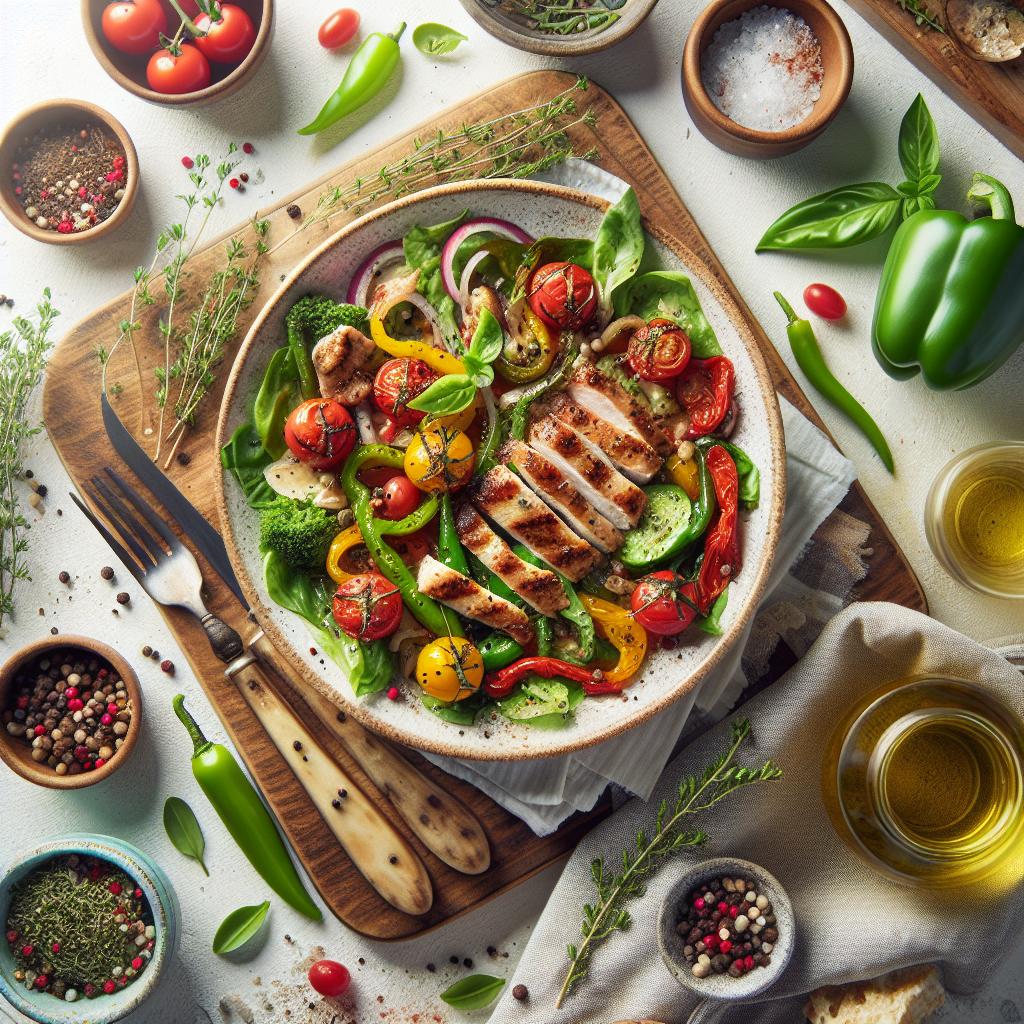

Nestled where sun-kissed shores meet the azure embrace of ancient seas, the Mediterranean region is a vibrant mosaic of cultures, histories, and most delectably, flavors. To savor the essence of Mediterranean cuisine is to embark on a sensory journey-one that weaves together the rich tapestry of sun-ripened olives, fragrant herbs, tangy citrus, and the freshest catches from the sea. In this exploration, we’ll delve beyond the plate to uncover the stories, traditions, and vibrant ingredients that give Mediterranean food its timeless allure. Join us as we celebrate the bold, wholesome tastes that have nourished generations and continue to inspire palates around the world.
Savor the essence of Mediterranean cuisine by embracing the vibrant harmony of fresh herbs and zesty citrus that define the heart of every dish. From sun-drenched coastlines to bustling markets, these core ingredients transform simple meals into unforgettable flavor journeys. Imagine the bright burst of lemon zest, the aromatic allure of fresh oregano, and the earthy depth of rosemary mingling to create a symphony on your palate-this is the culinary soul of the Mediterranean brought to life in your kitchen.
The Role of Fresh Herbs and Citrus in Elevating Every Dish
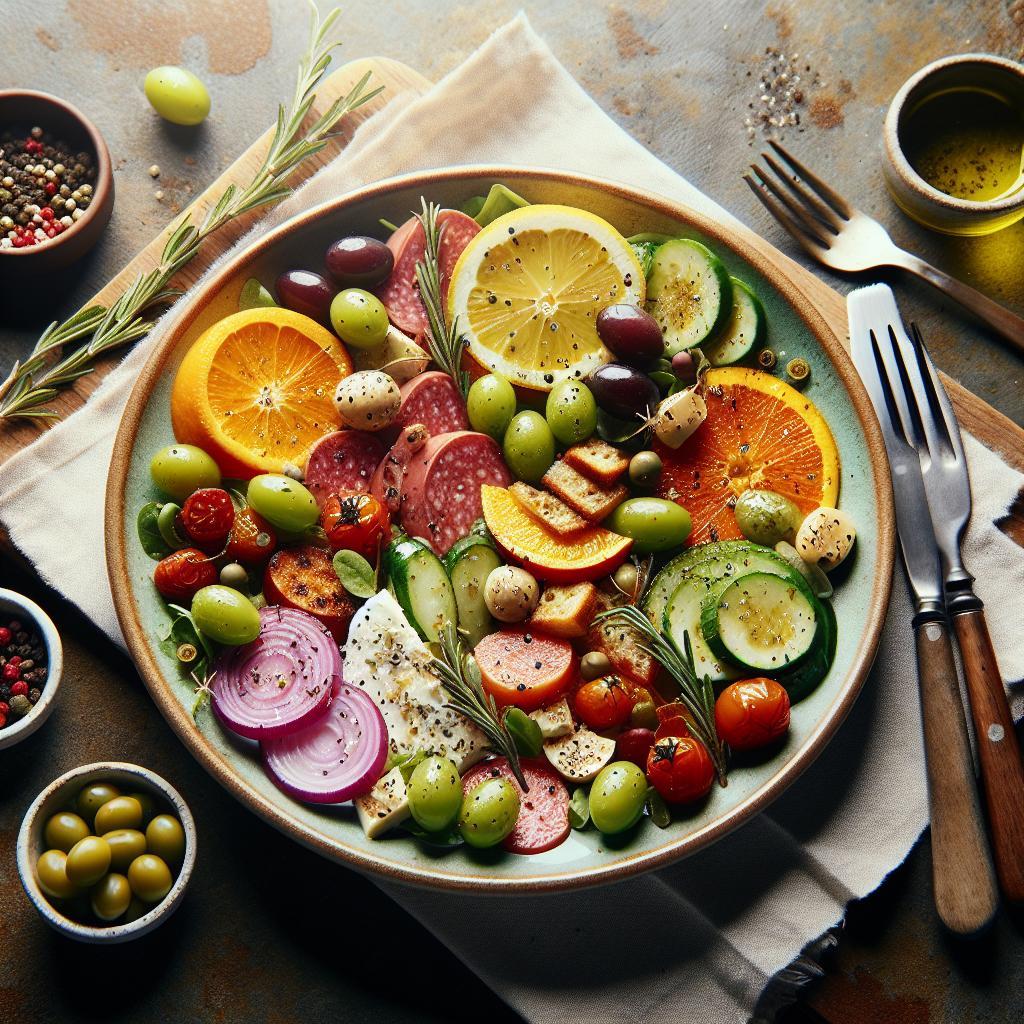
Fresh herbs and citrus are the stars that elevate Mediterranean cuisine from ordinary to extraordinary. Herbs like parsley, mint, and basil not only provide layers of flavor but also add vibrant color and a refreshing aroma. Citrus fruits, especially lemons and oranges, contribute more than just acidity-they impart brightness and subtle sweetness that balance rich olive oils and deep spices. Integrating these ingredients into dressings, marinades, and garnishes creates an irresistible freshness that awakens your senses with every bite.
Exploring Iconic Recipes That Bring Mediterranean Flavors to Life
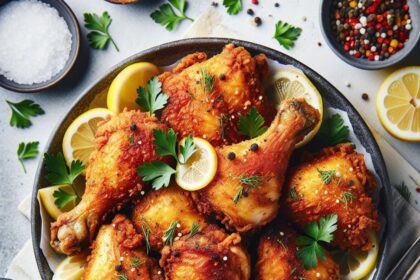
Dive into the timeless classics that define the Mediterranean table. Picture a dish of grilled lemon-herb chicken, marinated in a mixture of olive oil, garlic, and a bouquet of fresh herbs. Or a zesty tabbouleh salad, bursting with parsley, mint, and the tang of freshly squeezed lemon juice, paired with the nuttiness of bulgur wheat. These dishes encapsulate the essence of Mediterranean flavor-fresh, wholesome, and brilliantly balanced.
Prep and Cook Time
- Prep Time: 20 minutes
- Cook Time: 25 minutes
Yield
Serves 4
Difficulty Level
Easy
Ingredients
- 4 boneless, skinless chicken breasts
- 3 tablespoons extra virgin olive oil
- 2 large lemons, zested and juiced
- 3 cloves garlic, minced
- 1/4 cup fresh parsley, finely chopped
- 2 tablespoons fresh oregano, chopped
- 1 tablespoon fresh rosemary, chopped
- 1 teaspoon sea salt
- 1/2 teaspoon freshly ground black pepper
- 1 teaspoon smoked paprika
- 1/4 teaspoon red chili flakes (optional)
Instructions
- Prepare the marinade: In a large bowl, whisk together the olive oil, lemon zest and juice, minced garlic, parsley, oregano, rosemary, salt, pepper, paprika, and chili flakes.
- Marinate the chicken: Add the chicken breasts to the bowl, coating them thoroughly. Cover and refrigerate for at least 1 hour, preferably 3, for deep flavor infusion.
- Preheat the grill or skillet: Heat your grill or heavy-bottomed skillet over medium-high heat. Lightly oil the surface to prevent sticking.
- Cook the chicken: Remove chicken from marinade, allowing excess to drip off. Grill or sear each breast for 6-7 minutes per side, until cooked through and golden brown with nice grill marks or a crust.
- Rest before serving: Transfer chicken to a plate, cover loosely with foil, and let rest 5 minutes to retain juices.
- Garnish and serve: Sprinkle with extra fresh herbs and a drizzle of olive oil. Serve with lemon wedges for an extra zing.
Chef’s Notes & Tips for Success
- For a vegetarian twist, substitute chicken with thick slices of grilled eggplant or portobello mushrooms marinated in the same herb-citrus blend.
- Always use fresh herbs for maximum vibrancy; dried herbs cannot replicate the same bright notes.
- If pressed for time, marinate for at least 30 minutes-though longer enhances flavor tremendously.
- To avoid dryness, do not overcook chicken. Use a meat thermometer to check for an internal temperature of 165°F (74°C).
- Make ahead: The marinade can be prepared and stored separately up to 48 hours, keeping fresh herbs vibrant.
Serving Suggestions
This dish pairs beautifully with a cooling cucumber-tomato salad tossed in olive oil and lemon, fluffy herbed couscous, or a rustic wholegrain flatbread. Garnish with edible flowers or additional lemon zest for a visual feast. A drizzle of high-quality olive oil finish adds silkiness and depth, bringing the vibrant Mediterranean flavor right to your table.
| Nutrient | Amount per Serving |
|---|---|
| Calories | 320 kcal |
| Protein | 35 g |
| Carbohydrates | 2 g |
| Fat | 18 g |

For more inspiration to create your kitchen sanctuary, explore our Healthy Mediterranean-Inspired Pantry Tips and deepen your knowledge with trusted culinary insights at Serious Eats Mediterranean Cuisine Guide.
Q&A
Q&A: Savor the Essence – Exploring the Vibrant Mediterranean Flavor
Q1: What defines the Mediterranean flavor profile?
A1: Mediterranean flavor is a vibrant tapestry woven from fresh, sun-soaked ingredients like ripe tomatoes, fragrant herbs such as oregano and basil, zesty citrus, and earthy olives. It’s a celebration of simplicity and boldness, balancing bright acidity, herbal freshness, and a touch of natural sweetness.
Q2: Which herbs and spices are essential to Mediterranean cuisine?
A2: The heart of Mediterranean flavor is often found in herbs like rosemary, thyme, mint, and parsley. Spices such as cumin, coriander, and smoked paprika add depth, while garlic and onions serve as aromatic foundations in many dishes.
Q3: How do Mediterranean ingredients promote a healthy lifestyle?
A3: The Mediterranean diet emphasizes wholesome, plant-forward ingredients like legumes, fresh vegetables, nuts, and olive oil. These nutrient-rich foods contribute to heart health, reduce inflammation, and support longevity, making the Mediterranean flavor both delicious and nourishing.
Q4: What role does olive oil play in Mediterranean cooking?
A4: Olive oil is the golden lifeblood of Mediterranean cuisine, prized for its rich, fruity flavor and health benefits. It acts as a tenderizer, a flavor enhancer, and a cooking medium, bringing harmony to salads, roasted vegetables, grilled seafood, and even simple bread dips.
Q5: Can you share an example of a quintessential Mediterranean dish that captures this flavor essence?
A5: Consider a classic Greek salad, where fresh cucumbers, juicy tomatoes, briny olives, and creamy feta cheese mingle with crisp red onions and a drizzle of extra virgin olive oil and lemon juice. It’s a perfect snapshot of Mediterranean vibrancy-fresh, tangy, and utterly satisfying.
Q6: How does the Mediterranean climate influence its cuisine?
A6: The warm, sunny climate nurtures an abundance of fresh produce-citrus fruits, tomatoes, eggplants, and herbs-that thrive in the region. This natural bounty shapes a cuisine defined by fresh flavors and seasonal abundance, creating dishes that feel both wholesome and vibrant.
Q7: What is the significance of citrus in Mediterranean dishes?
A7: Citrus fruits such as lemons and oranges bring bright acidity and aromatic zest to Mediterranean cooking. They are often used to brighten salads, marinades, and sauces, adding refreshing layers that elevate the natural flavors of the ingredients.
Q8: How can home cooks incorporate Mediterranean flavors into their everyday meals?
A8: Start by embracing fresh herbs, high-quality olive oil, and simple cooking techniques like grilling or roasting. Experiment with legumes, whole grains, and colorful vegetables. Even a sprinkle of za’atar or a squeeze of lemon can instantly infuse your dishes with Mediterranean charm.
Q9: What are some typical Mediterranean cooking methods that enhance flavor?
A9: Techniques such as slow roasting, grilling over charcoal, and light sautéing preserve the freshness of ingredients while coaxing out their richest aromas and textures. These methods create layers of flavor without overwhelming the natural essence of the food.
Q10: Why is balance so important in Mediterranean cooking?
A10: Mediterranean cuisine thrives on harmony-balancing acidity with richness, freshness with earthiness, and texture with aroma. This thoughtful equilibrium is what makes every bite feel vibrant, satisfying, and soulful, inviting the palate to savor the essence of the region’s culinary heritage.
In Retrospect
As the sun sets over the azure waves of the Mediterranean, its vibrant flavors linger long after the last bite. From the tang of freshly picked olives to the sweet embrace of sun-ripened figs, the Mediterranean isn’t just a region-it’s a celebration of life on a plate. Exploring its diverse culinary tapestry reveals more than just recipes; it unveils stories of culture, tradition, and passion infused in every dish. So next time you savor these vibrant tastes, remember you’re not just enjoying a meal-you’re indulging in a rich heritage that has nourished hearts and homes for centuries. Embrace the essence, and let the Mediterranean’s flavors become a timeless part of your own culinary journey.